
Polyrhachis cheesmanae
- Nom sci.
- Polyrhachis cheesmanae
- Sous-genre
- Myrmothrinax
- Tribu
- Camponotini
- Sous-famille
- Formicinae
- Auteur
- Donisthorpe, 1937
- Distribution
- Trouvé dans 0 pays
Introduction
Polyrhachis cheesmanae is a tropical arboreal ant species belonging to the subgenus Myrmothrinax . These ants are characterized by spiny projections on the thorax and gaster, a trait common to the Polyrhachis genus . Workers are moderately sized, though exact size measurements are not available in the research context. This species is found in forested regions where it nests in elevated locations among vegetation, using silk to construct arboreal nests . Like other Polyrhachis species, they spin cocoons around their pupae, which is unusual among Formicinae ants .
Quick Summary
- Difficulty: Medium
- Origin & Habitat: Tropical forested regions, arboreal nesting with silk [1][2].
- Colony Type: Unconfirmed, but likely single-queen based on genus patterns [1].
- Size & Growth:
- Queen: size unknown, inferred from Polyrhachis genus (~10-12 mm)
- Worker: size unknown, inferred from Polyrhachis genus (~6-9 mm)
- Colony: Up to several hundred workers, estimated from related Polyrhachis species
- Growth: Moderate, estimated based on genus patterns
- Development: Estimated 6-10 weeks based on genus patterns (Development time is estimated from genus-level data since species-specific studies are not available)
- Antkeeping:
- Temperature: Keep warm, roughly low-to-mid 20s°C, as tropical species. No specific data in research context.
- Humidity: Keep nest substrate consistently moist but not waterlogged, as arboreal species.
- Diapause: Unknown, tropical species may not require diapause.
- Nesting: Arboreal nesting with silk [1][2].
- Behavior: As a Formicinae ant, they lack a functional sting and spray formic acid when threatened. Generally calm and non-aggressive. Arboreal, so provide vertical space. Escape risk moderate due to climbing ability. Workers spin cocoons around pupae, which is unusual among Formicinae ants [1][2].
- Common Issues: arboreal nature means they need vertical space and climbing surfaces, a flat test tube setup won't work., cocoon-spinning means they need more space and appropriate materials for pupal development., tropical species are sensitive to temperature drops, cold rooms can kill colonies., limited species-specific information means keepers must adapt care based on colony response., silk-nesting behavior requires providing appropriate materials, plain acrylic nests may not be ideal.
Housing and Nest Setup
Polyrhachis cheesmanae requires an arboreal-focused setup rather than a typical ground-based ant enclosure. These ants naturally nest in elevated locations among vegetation, using silk to bind leaves, twigs, or other materials into protective chambers [1][2]. In captivity, Y-tong (AAC) nests work well because they provide smooth walls that prevent escapes while allowing you to add twigs or cork pieces for the ants to modify. Alternatively, a naturalistic setup with cork bark, small branches, and live or artificial plants gives them the materials they need to create silk-bound nests. The outworld should include climbing structures like twigs, mesh, or plants since these ants prefer to travel vertically. Ensure all connections between the nest and outworld have excellent escape prevention, while not tiny, they are agile climbers.
Feeding and Diet
Like other Polyrhachis species, these ants are omnivorous and will accept a variety of foods. Offer sugar water or honey as a constant energy source, they readily consume sweet liquids. For protein, provide small insects like fruit flies, small crickets, or mealworms. In nature, they forage for honeydew from aphids and scale insects, so occasional sweet treats are appreciated. Feed protein 2-3 times per week and keep sugar water available at all times. Remove uneaten prey after 24-48 hours to prevent mold. Being tropical, they tend to be year-round active and will continue eating throughout winter if kept warm.
Temperature and Heating
As a tropical species, Polyrhachis cheesmanae requires warm conditions to thrive. Keep the nest area warm, roughly low-to-mid 20s°C, for optimal brood development. Room temperature may suffice in warm summer months, but a heating cable or heating mat on one side of the nest helps maintain consistent warmth during cooler periods. Place the heating element on top of the nest rather than underneath to avoid evaporating moisture too quickly. Monitor the nest with a thermometer to ensure temperatures stay in range. Cold drafts or temperatures below 20°C for extended periods can weaken and potentially kill colonies.
Humidity and Moisture
These arboreal ants prefer moderate to high humidity that mimic the damp conditions of tropical forests. Keep the nest substrate slightly moist but not waterlogged, the substrate should feel damp to the touch without standing water. Being arboreal, they are somewhat more tolerant of varying humidity than ground-nesting species, but drying out can still be harmful. A small water reservoir in the nest setup helps maintain humidity. Mist the outworld occasionally, especially if you notice workers clustering near moisture sources.
Unique Cocoon-Spinning Behavior
One distinctive trait of Polyrhachis cheesmanae is that they spin cocoons around their pupae, which is unusual among Formicinae ants (most have naked pupae) [1][2]. This means you need to ensure the nest has appropriate spaces for pupal development. Avoid setups with very tight chambers that could crush developing pupae. When workers emerge from cocoons, they may need slightly more time to harden their exoskeletons before becoming fully active. This behavior also means cleaning may be slightly more involved as you might find shed cocoon casings in the nest.
Frequently Asked Questions
How long does it take for Polyrhachis cheesmanae to produce first workers?
Based on typical Polyrhachis development, expect 6-10 weeks from egg to first worker at optimal temperatures (roughly low-to-mid 20s°C). This is an estimate since species-specific development data is not available.
Can I keep Polyrhachis cheesmanae in a test tube?
A test tube is not ideal for this species. They are arboreal ants that need vertical space and materials for silk nest-building. Use a Y-tong nest or naturalistic setup with cork bark and twigs instead [1][2].
What temperature do Polyrhachis cheesmanae need?
Keep them warm, roughly low-to-mid 20s°C. Tropical species are sensitive to cold and need consistent warmth for healthy colony development.
Do they need hibernation or diapause?
Unknown. As a tropical species, they likely don't require a true hibernation period. They may slow down slightly in cooler months if your room temperature drops, but active cooling is not necessary.
How big do Polyrhachis cheesmanae colonies get?
Based on related species, colonies likely reach up to several hundred workers. Exact maximum size for this specific species is unknown.
Can I keep multiple queens together?
This has not been studied for this specific species. Based on typical Polyrhachis patterns, single-queen colonies are most common. Combining unrelated queens is not recommended without species-specific evidence.
What do I feed Polyrhachis cheesmanae?
They are omnivorous. Offer sugar water or honey constantly, and protein (small insects like fruit flies or mealworms) 2-3 times per week.
Are Polyrhachis cheesmanae good for beginners?
They are rated as medium difficulty. The main challenges are providing appropriate arboreal housing and maintaining warm, humid conditions. If you have experience with basic ant keeping and can provide a suitable setup, they can be rewarding.
Why are my Polyrhachis cheesmanae dying?
Common causes include cold temperatures (below 20°C), too dry conditions, or inappropriate housing. Check that your setup provides warmth, adequate humidity, and vertical climbing space. Also ensure escape prevention is adequate.
Report an Issue
The current care sheet is based fully on literature. See inconsistencies, or something that's incorrect? Please , it will be resolved after review from an admin. Contributing to the blogs tab also helps providing information, to make us be able to further improve the caresheets. Thank you for your support!
References

Cette fiche d'élevage est sous licence CC BY-SA 4.0 .
Blogs de la communauté
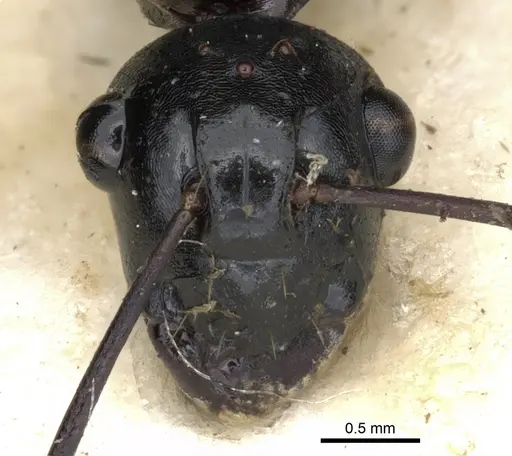
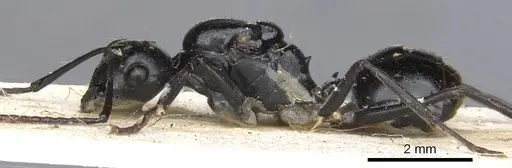
CASENT0903333
Voir sur AntWeb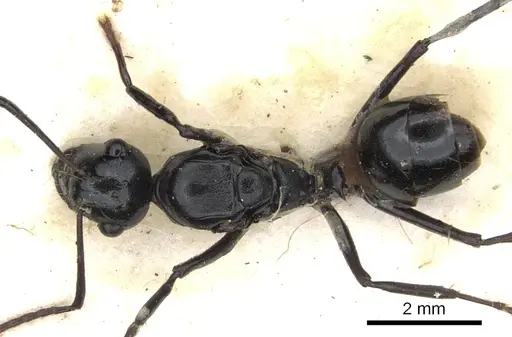
Littérature
Chargement de la carte de répartition...Chargement des produits...