
Polyrhachis carbonaria
- Nom sci.
- Polyrhachis carbonaria
- Sous-genre
- Myrma
- Tribu
- Camponotini
- Sous-famille
- Formicinae
- Auteur
- Smith, 1857
- Distribution
- Trouvé dans 1 pays
Introduction
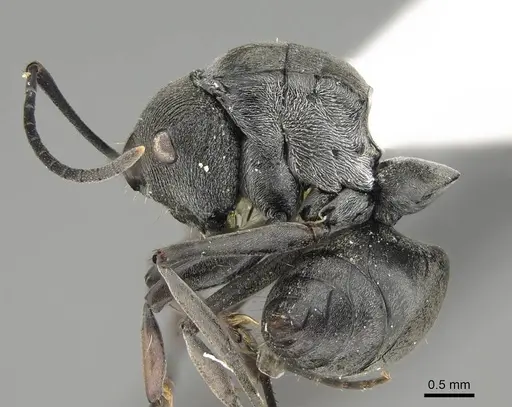
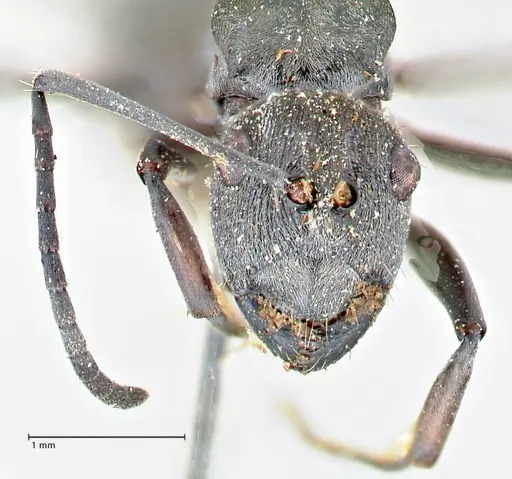
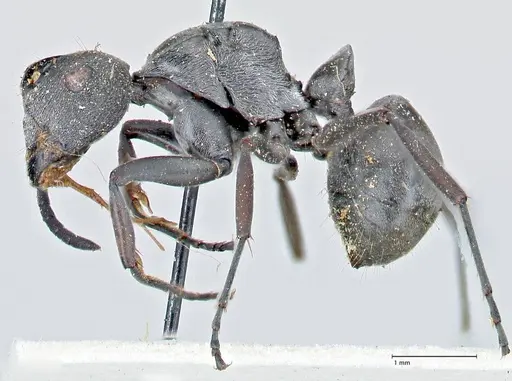
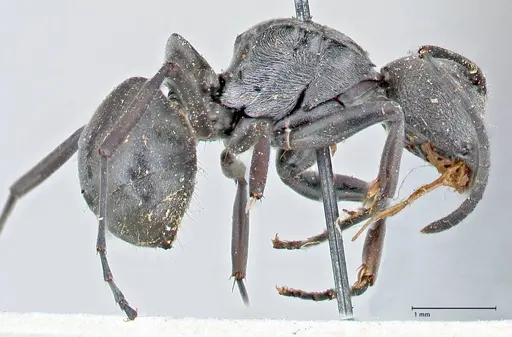
Polyrhachis carbonaria is a small ant species native to Southeast Asia, with workers about 4.2mm long . It is found in Singapore and Malacca , and nests in arboreal locations such as hollow stems and under bark . This species belongs to the Polyrhachis inermis group and has dark coloration with spines on the thorax. It is known for its arboreal habits and docile temperament, making it suitable for antkeepers interested in tree-dwelling species.
Quick Summary
- Difficulty: Medium
- Origin & Habitat: Southeast Asia, Indonesia, Malaysia, Philippines, and Singapore. Found in tropical forested areas, typically nesting in vegetation, hollow stems, or under bark [2][1][3].
- Colony Type: Colony structure is unconfirmed, but based on typical Polyrhachis patterns, likely single-queen colonies [3].
- Size & Growth:
- Queen: Size data unavailable for queens
- Worker: Approximately 4.2mm [1]
- Colony: Up to several hundred workers [3]
- Growth: Moderate
- Development: Estimated 6-10 weeks at optimal temperatures, based on related species [3]. (Development time is inferred from tropical Formicinae patterns, specific timing for this species has not been documented.)
- Antkeeping:
- Temperature: Keep warm, around 24-28°C, as inferred from tropical habitat [3].
- Humidity: Keep substrate consistently moist but not waterlogged, with some drier areas available [3].
- Diapause: No, tropical species do not require hibernation [3].
- Nesting: Arboreal nests such as Y-tong with wood inserts or naturalistic setups with cork bark [3].
- Behavior: Docile and non-aggressive. Workers are active foragers. Small size (4.2mm) requires escape prevention with fine mesh [3].
- Common Issues: tropical temperature requirements mean colonies can struggle in cool rooms without heating [3]., escape prevention is important due to their small size, they can squeeze through standard openings [3]., moderate growth rate means colonies take time to develop, requiring patience [3]., high humidity needs can lead to mold problems if ventilation is poor [3]., wild-caught colonies may carry parasites or diseases that can cause colony failure in captivity [3].
Nest Preferences and Housing
Polyrhachis carbonaria is semi-arboreal and prefers nests that mimic tree-dwelling habitats. In the wild, they nest in hollow stems and under bark [3]. For captivity, use Y-tong nests with cholla wood inserts or naturalistic setups with cork bark [3]. Provide chambers scaled to worker size with moderate humidity retention. Include an outworld with climbing opportunities for foraging [3].
Feeding and Diet
In the wild, this species forages for honeydew, nectar, and small insects [3]. In captivity, offer sugar water or honey constantly, and protein sources like fruit flies or small crickets two to three times per week [3]. Remove uneaten prey after 24-48 hours to prevent mold [3].
Temperature and Seasonal Care
As a tropical species, keep temperatures around 24-28°C for optimal health [3]. Avoid temperatures below 22°C for extended periods. No diapause is required, maintain consistent warmth year-round [3].
Behavior and Colony Dynamics
Polyrhachis carbonaria is docile and non-aggressive, with workers actively foraging [3]. Colonies grow at a moderate pace, with first workers appearing smaller than mature workers [3]. The species does not exhibit slave-making or parasitism [3].
Frequently Asked Questions
How long does it take for Polyrhachis carbonaria to produce first workers?
Based on related Polyrhachis species, expect first workers in approximately 6-10 weeks at optimal temperatures around 26°C [3].
What size colony does Polyrhachis carbonaria reach?
Colonies likely reach up to several hundred workers at maturity, based on genus patterns [3].
Can I keep multiple queens together in one colony?
Polyrhachis carbonaria is likely monogyne based on genus patterns. Combining unrelated queens is not recommended as they would likely fight [3].
What temperature do Polyrhachis carbonaria need?
Keep them warm at 24-28°C year-round, as inferred from their tropical habitat [3].
Do Polyrhachis carbonaria need hibernation?
No, they do not require hibernation as a tropical species [3].
What do Polyrhachis carbonaria eat?
They are omnivorous. Offer sugar water or honey constantly, and protein like small insects two to three times per week [3].
Are Polyrhachis carbonaria good for beginners?
They are rated as medium difficulty due to specific temperature and humidity needs, but their docile nature makes them manageable with proper care [3].
How do I house Polyrhachis carbonaria?
Use a Y-tong nest with cholla wood inserts or a naturalistic setup with cork bark and plants, providing arboreal features [3].
Why are my Polyrhachis carbonaria dying?
Common causes include temperatures below 22°C, low humidity, poor ventilation causing mold, or escape due to small size. Check heating, humidity, and seal all openings with fine mesh [3].
Report an Issue
The current care sheet is based fully on literature. See inconsistencies, or something that's incorrect? Please , it will be resolved after review from an admin. Contributing to the blogs tab also helps providing information, to make us be able to further improve the caresheets. Thank you for your support!
References

Cette fiche d'élevage est sous licence CC BY-SA 4.0 .
Blogs de la communauté
CASENT0901848
Voir sur AntWeb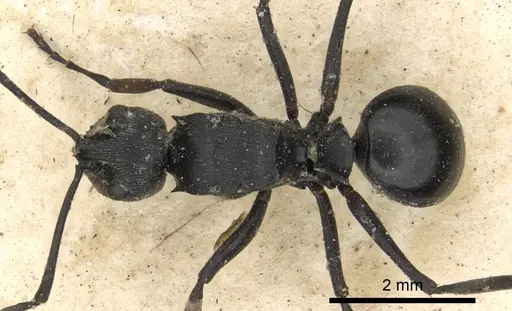
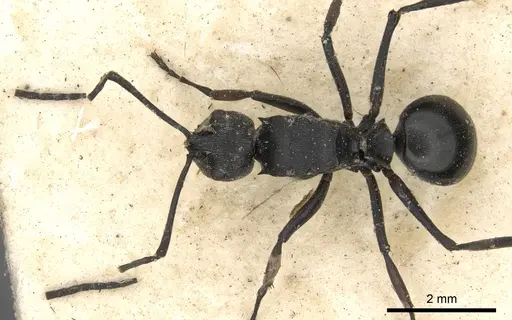
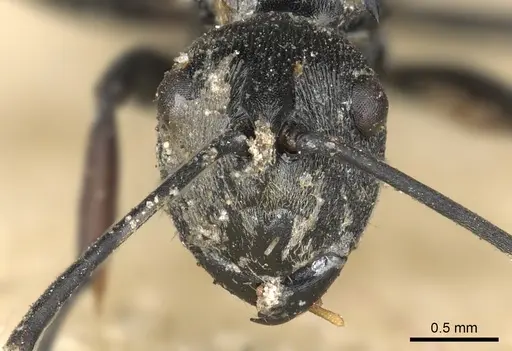
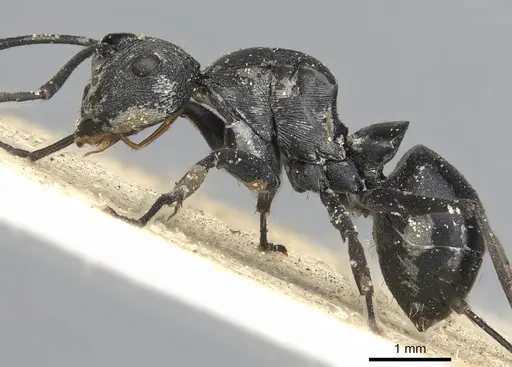
CASENT0905614
Voir sur AntWeb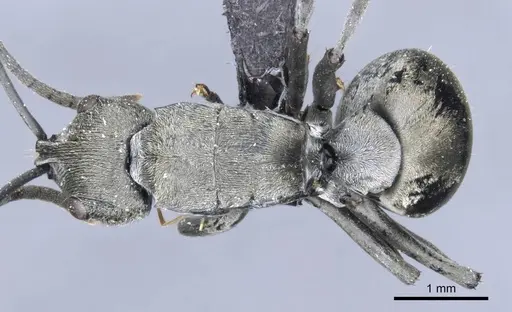
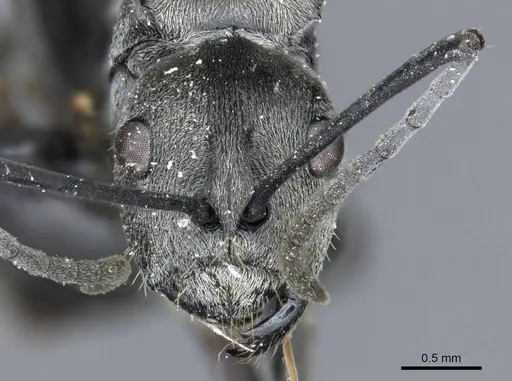
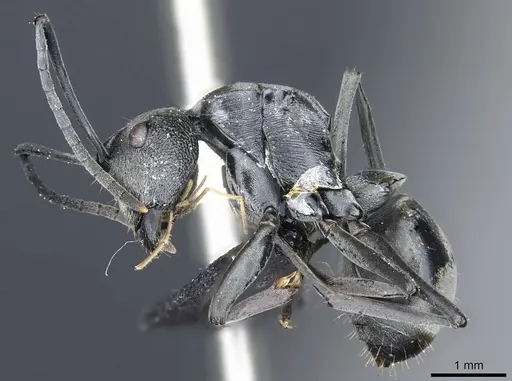
CASENT0906793
Voir sur AntWeb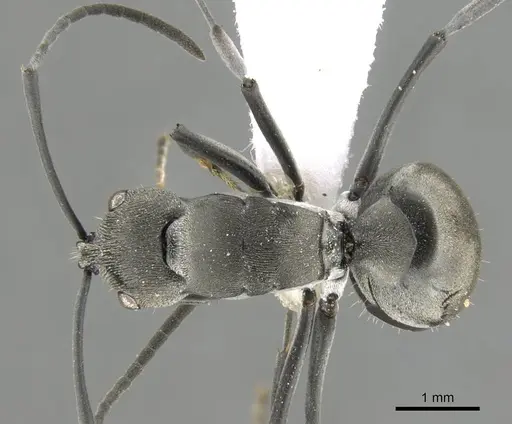
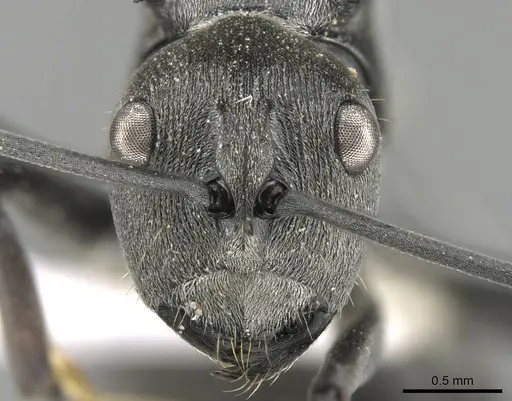
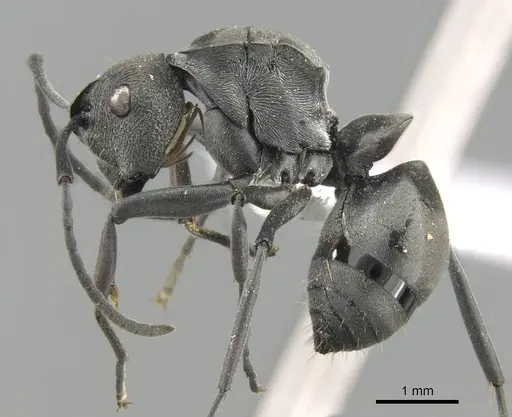
CASENT0919849
Voir sur AntWeb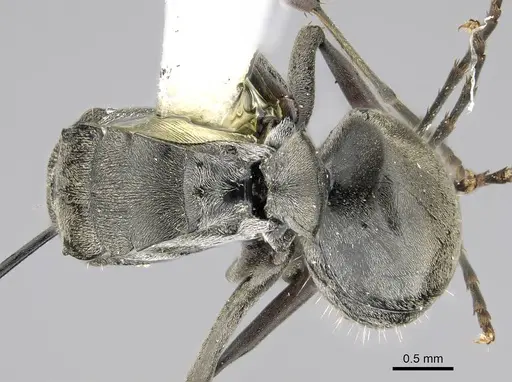
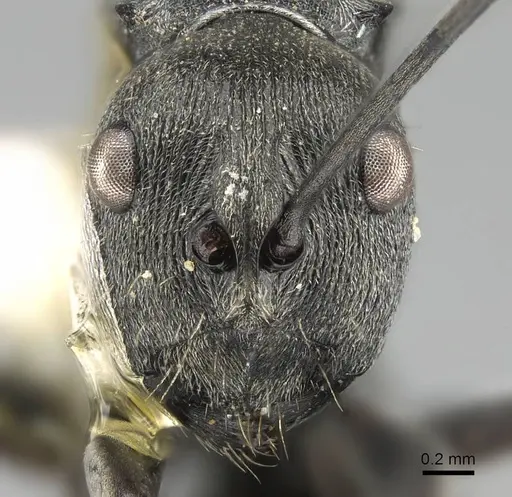
FOCOL2617
Voir sur AntWeb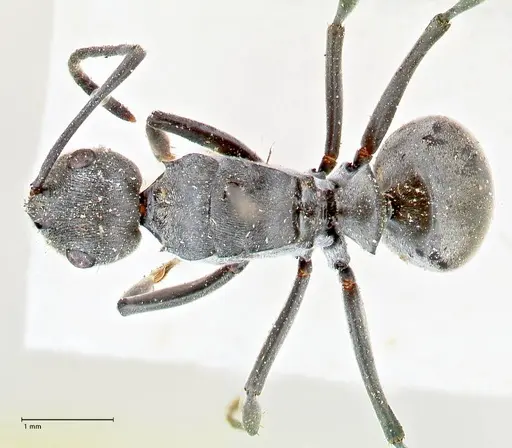
Littérature
Chargement de la carte de répartition...Chargement des produits...