
Polyrhachis aporema
- Nom sci.
- Polyrhachis aporema
- Sous-genre
- Cyrtomyrma
- Tribu
- Camponotini
- Sous-famille
- Formicinae
- Auteur
- Kohout, 2006
- Distribution
- Trouvé dans 0 pays
Introduction
Polyrhachis aporema is a medium-sized arboreal ant native to New Britain Island in Papua New Guinea. Workers measure up to 7.15 mm and queens reach approximately 7.41 mm in total length . They are black with reddish-brown on mandibular teeth, antennal scape tips, and legs . This species belongs to the subgenus Cyrtomyrma, which builds silk nests between leaves in trees . The type colony was found in a silk nest on a low tree in rainforest at about 600 m elevation . It can be distinguished from similar species by its distinctly convex eyes that break the lateral cephalic outline .
Quick Summary
- Difficulty: Medium
- Origin & Habitat: New Britain Island, East New Britain Province, Papua New Guinea, in rainforest habitats at approximately 600 m elevation [1].
- Colony Type: Likely monogyne (single-queen colonies) based on subgenus patterns, but unconfirmed for this species.
- Size & Growth:
- Queen: ~7.41 mm [1]
- Worker: 6.35-7.15 mm [1]
- Colony: Unknown, no colony size data available
- Growth: Unknown, no specific data
- Development: Unknown, no direct data. Based on Polyrhachis patterns, estimate 6-10 weeks at optimal temperature. (Development is unconfirmed, tropical temperatures may affect timing.)
- Antkeeping:
- Temperature: Keep warm around 24-28°C, based on tropical rainforest habitat. Temperature needs are unconfirmed, start here and observe.
- Humidity: Keep nest substrate consistently moist but not waterlogged, based on rainforest origin.
- Diapause: No diapause required, as tropical species do not experience cold winters.
- Nesting: Arboreal nests with silk, confirmed from research [2]. Provide vertical setups with materials for silk attachment.
- Behavior: Generally calm and non-aggressive. Arboreal foragers likely searching for nectar and small prey. Escape risk is moderate due to climbing ability, ensure tight-fitting lids. Defense mechanism: lacks a functional sting but can bite and spray formic acid, typical of Formicinae.
- Common Issues: humidity management is critical, too wet causes fungal growth, too dry stresses the colony., arboreal nesting requires vertical space and silk-friendly materials., limited species-specific information means care may require adaptation., tropical temperature needs year-round may increase heating costs., escape prevention is important due to climbing agility.
Nest Preferences and Housing
Polyrhachis aporema builds silk nests between leaves in arboreal locations [2]. In captivity, provide vertical setups with materials like cork, artificial nests, or live plants for silk attachment. Avoid horizontal orientations, mimic tree-dwelling lifestyle with adequate ventilation to prevent mold in humid conditions [2][1].
Feeding and Diet
This species is omnivorous, foraging for nectar, honeydew, and small invertebrates. In captivity, offer sugar water or honey constantly, and protein like small crickets or mealworms 2-3 times per week. Remove uneaten food after 24 hours to prevent mold. Fresh water should always be available.
Temperature and Seasonal Care
As a tropical species, keep temperatures around 24-28°C year-round with no diapause. Use a heating cable on one side of the nest to create a gradient for self-regulation. Monitor with a thermometer, avoid temperatures below 22°C to prevent stress.
Behavior and Colony Dynamics
Workers are moderately sized and relatively calm, foraging in arboreal habitats. Colonies are likely monogyne, starting with a single queen. The queen is larger than workers, with typical sexual morphology [1]. Growth rate is unconfirmed but likely moderate based on related species [2].
Frequently Asked Questions
How long does it take for Polyrhachis aporema to produce first workers?
The exact timeline is unconfirmed. Based on Polyrhachis patterns, expect first workers around 6-10 weeks at 24-28°C.
Can I keep Polyrhachis aporema in a test tube?
Test tubes can work for founding but are not ideal long-term. Transition to vertical nests with silk materials once the colony grows [2].
What temperature do Polyrhachis aporema ants need?
Keep them at 24-28°C based on tropical habitat. Temperature needs are unconfirmed, start here and observe.
How big do Polyrhachis aporema colonies get?
Colony size is unknown as no data exists. Based on related species, they may reach several hundred workers over time.
Can I keep multiple queens together?
This species is likely monogyne, so combining queens is not recommended as they may fight.
What do Polyrhachis aporema ants eat?
They are omnivorous, offer sugar water and protein like insects 2-3 times per week. Remove uneaten food promptly.
Are Polyrhachis aporema ants good for beginners?
Rated Medium difficulty due to arboreal needs and limited documentation. Suitable for those with some ant-keeping experience.
Do Polyrhachis aporema need hibernation?
No, they do not require hibernation as tropical species. Maintain warm conditions year-round.
Why are my Polyrhachis aporema dying?
Common causes include incorrect temperature, humidity issues, or insufficient food. Review care parameters and adjust gradually.
Report an Issue
The current care sheet is based fully on literature. See inconsistencies, or something that's incorrect? Please , it will be resolved after review from an admin. Contributing to the blogs tab also helps providing information, to make us be able to further improve the caresheets. Thank you for your support!
References

Cette fiche d'élevage est sous licence CC BY-SA 4.0 .
Blogs de la communauté
CASENT0903393
Voir sur AntWeb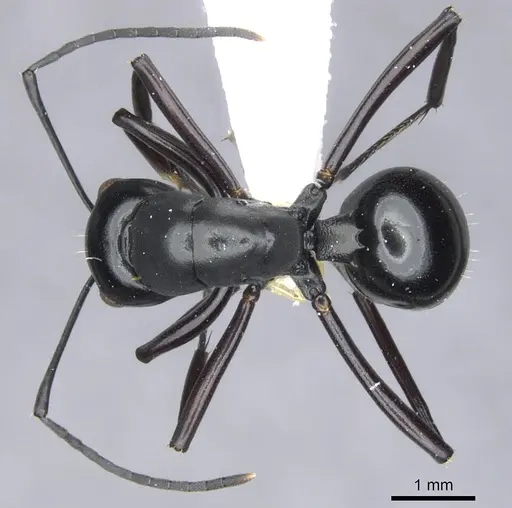
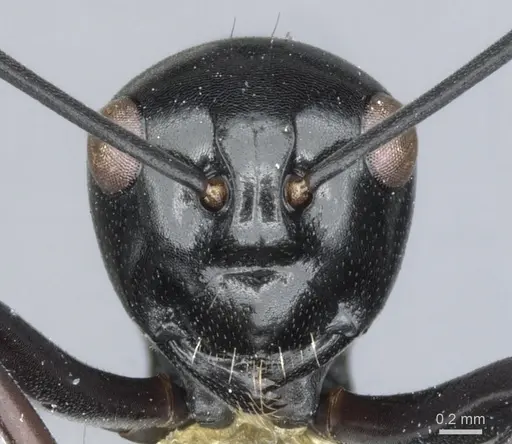
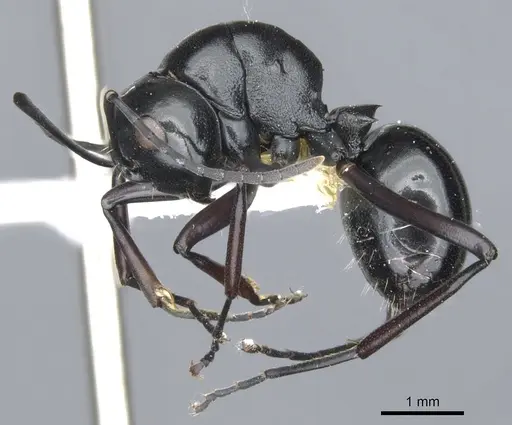
Littérature
Chargement de la carte de répartition...Chargement des produits...