
Polyrhachis albertisi
- Nom sci.
- Polyrhachis albertisi
- Sous-genre
- Cyrtomyrma
- Tribu
- Camponotini
- Sous-famille
- Formicinae
- Auteur
- Emery, 1887
- Distribution
- Trouvé dans 0 pays
Introduction
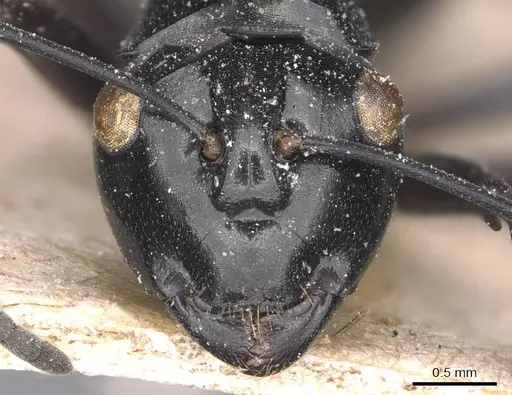
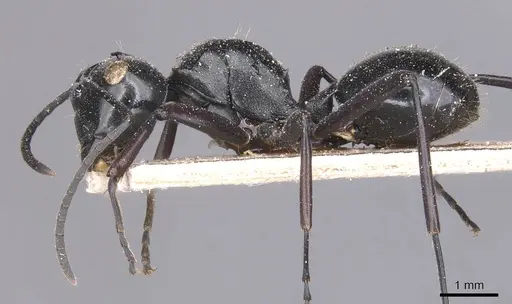
Polyrhachis albertisi is a medium-sized ant endemic to New Guinea, belonging to the subgenus Cyrtomyrma. Workers measure 6.5-7 mm and are glossy black with distinctly toothed or bilobed pronotal humeri. Queens are larger at 9 mm and have more rounded pronotal corners and stronger metanotal teeth. The species is closely related to Polyrhachis levior but can be distinguished by its blunt anterior pronotal tooth and short, upturned propodeal spines . This species is rare in captivity due to limited biological data, and all care recommendations are inferred from related species and its tropical habitat.
Quick Summary
- Difficulty: Hard
- Origin & Habitat: Endemic to New Guinea, found in tropical forests [2][1]
- Colony Type: Colony structure is unconfirmed. Inferred from Polyrhachis genus patterns, likely single-queen (monogyne).
- Size & Growth:
- Queen: 9 mm [1]
- Worker: 6.5-7 mm [1]
- Colony: Unknown, no colony size data available
- Growth: Unknown, no growth rate data available
- Development: Unknown, no direct data. Inferred from Formicinae patterns, estimate 6-10 weeks at optimal temperature. (Development is temperature-dependent, warmer temperatures may speed up development.)
- Antkeeping:
- Temperature: Inferred from New Guinea distribution: keep at 24-28°C [2].
- Humidity: Inferred: moderate to high humidity, keep substrate moist but not waterlogged [1].
- Diapause: Unknown, tropical species may not require diapause, but no data available.
- Nesting: Inferred: likely nest in rotting wood or under bark, based on Polyrhachis (Cyrtomyrma) patterns [1].
- Behavior: Behavior is unconfirmed. Inferred from genus patterns: moderate activity, generalist foragers, escape risk moderate due to size [1].
- Common Issues: inadequate humidity can lead to dehydration or mold growth, monitor substrate moisture, incorrect temperature can slow development or cause stress, adjust based on colony behavior, lack of specific diet data may lead to nutritional deficiencies, observe food acceptance and vary offerings
Background and Identification
Polyrhachis albertisi was described by Carlo Emery in 1887 based on specimens from Sorong, New Guinea [1]. Workers are glossy black,6.5-7 mm long, with toothed pronotal humeri and short, upturned propodeal spines [1]. Queens are 9 mm long with more rounded pronotal corners [1]. This species resembles Polyrhachis levior but has a distinct anterior pronotal tooth [1].
Natural History and Distribution
Polyrhachis albertisi is endemic to New Guinea, specifically described from Sorong in West Papua [2][1]. The tropical environment suggests adaptation to warm, humid conditions, but specific microhabitat preferences are undocumented [1].
Housing and Nesting Preferences
No specific nesting data exists. Inferred from Polyrhachis (Cyrtomyrma) patterns: likely prefer humid environments with rotting wood or bark [1]. Use a naturalistic setup with moist substrate or a Y-tong/plaster nest. Maintain moderate humidity and temperatures around 24-28°C [2].
Feeding and Diet
No specific dietary studies exist. Inferred from Formicinae patterns: offer varied diet including protein sources (e.g., fruit flies) and carbohydrates (e.g., sugar water) [1]. Remove uneaten food after 24-48 hours to prevent mold.
Temperature and Seasonal Care
As a tropical species, keep temperatures at 24-28°C [2]. No formal diapause is recommended, but activity may slow in cooler periods. Avoid temperatures below 18°C.
Colony Development and Growth
No specific development data exists. Inferred from Formicinae patterns: egg to worker development may take 6-10 weeks at optimal temperature. Initial growth is slow as the queen raises first brood alone [1].
Frequently Asked Questions
How long does it take for Polyrhachis albertisi to produce first workers?
No direct data exists. Inferred from Formicinae patterns, expect 6-10 weeks from egg to first worker at 24-28°C [1].
What do Polyrhachis albertisi ants eat?
No specific data exists. Inferred from Formicinae patterns, offer protein sources like fruit flies and carbohydrates like sugar water [1].
What temperature and humidity do Polyrhachis albertisi need?
Inferred from New Guinea distribution: keep at 24-28°C with moderate to high humidity [2][1].
How big do Polyrhachis albertisi colonies get?
Colony size is unknown, no data available [1].
Is Polyrhachis albertisi good for beginners?
Not recommended due to limited data, best for experienced keepers willing to infer care [1].
What type of nest should I use for Polyrhachis albertisi?
Inferred from Polyrhachis patterns: use naturalistic setups with wood or plaster nests, maintaining humidity [1].
Can I keep multiple Polyrhachis albertisi queens together?
Colony structure is unconfirmed, do not combine queens unless observed accepting each other [1].
Does Polyrhachis albertisi need hibernation?
No, as a tropical species, keep warm year-round, no diapause required [1].
Report an Issue
The current care sheet is based fully on literature. See inconsistencies, or something that's incorrect? Please , it will be resolved after review from an admin. Contributing to the blogs tab also helps providing information, to make us be able to further improve the caresheets. Thank you for your support!
References

Cette fiche d'élevage est sous licence CC BY-SA 4.0 .
Blogs de la communauté
CASENT0905545
Voir sur AntWeb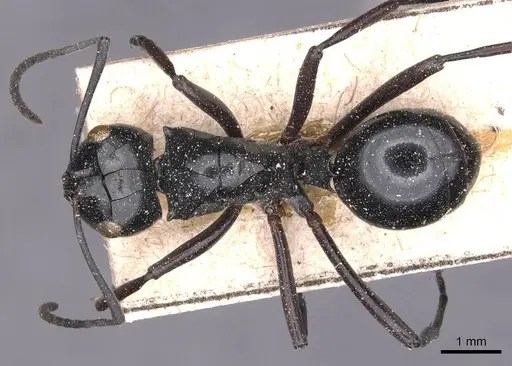
Littérature
Chargement de la carte de répartition...Chargement des produits...