
Pogonomyrmex pulchellus
- Nom sci.
- Pogonomyrmex pulchellus
- Tribu
- Pogonomyrmecini
- Sous-famille
- Myrmicinae
- Auteur
- Santschi, 1925
- Distribution
- Trouvé dans 0 pays
Introduction
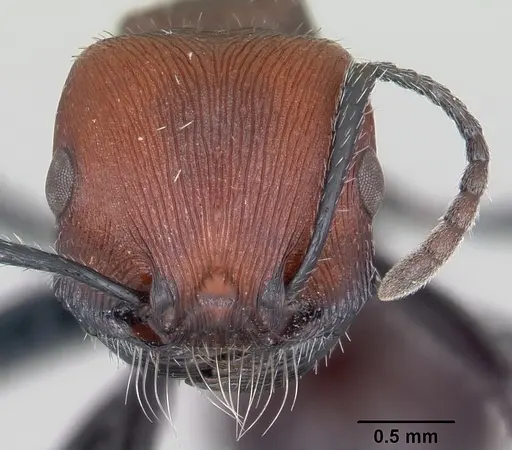
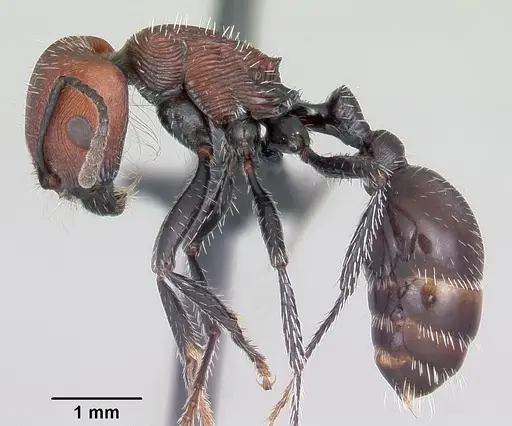
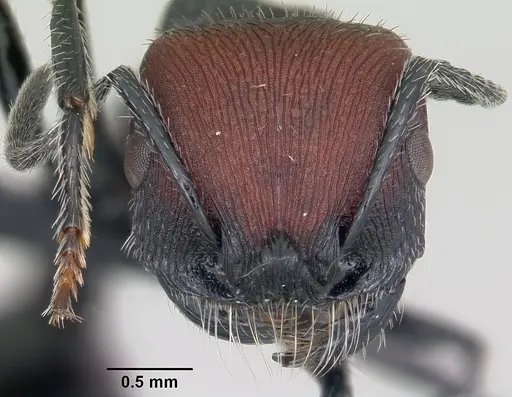
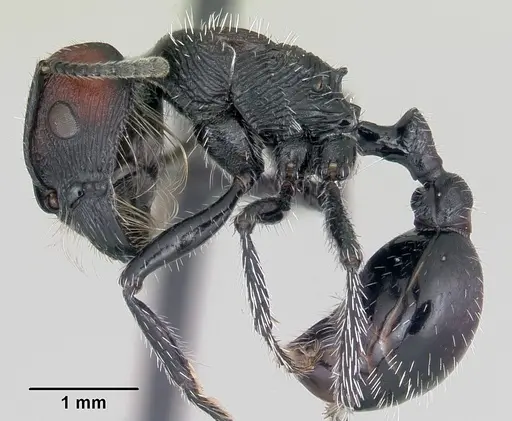
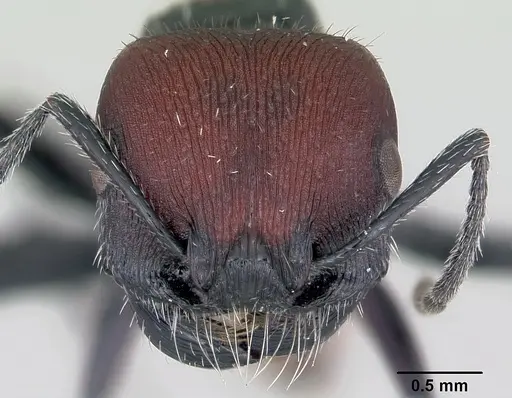
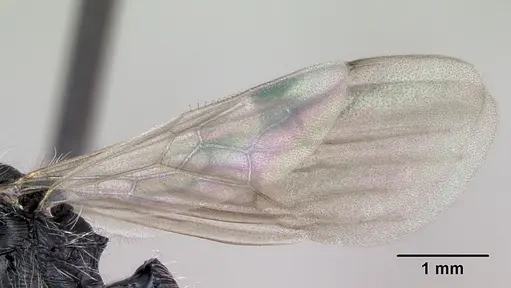
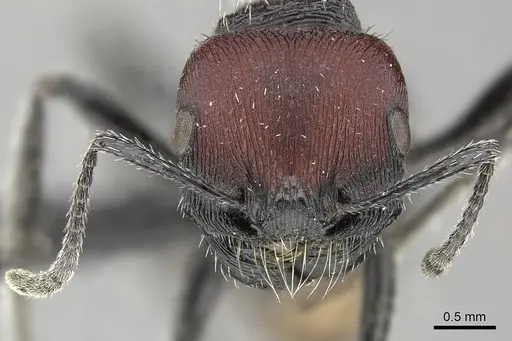
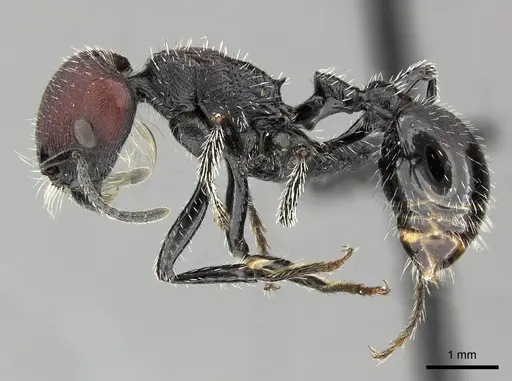
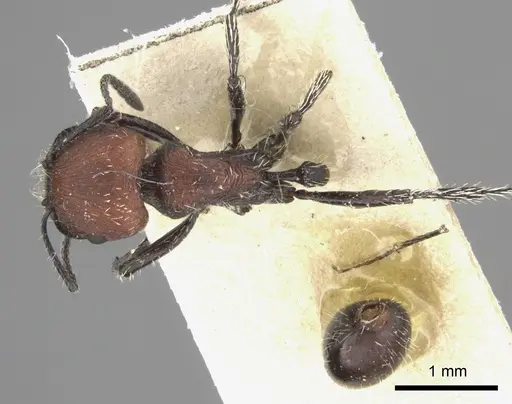
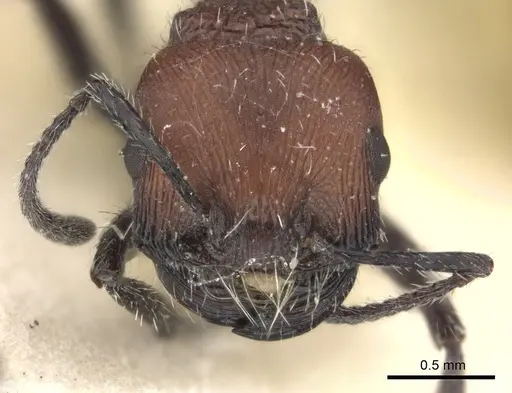
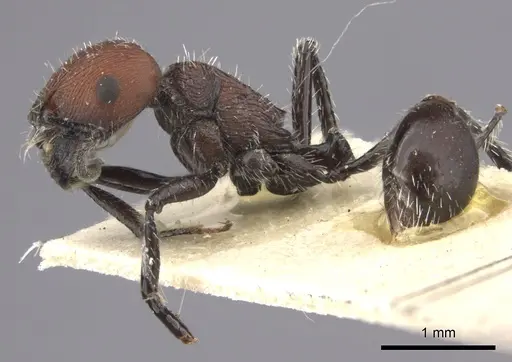
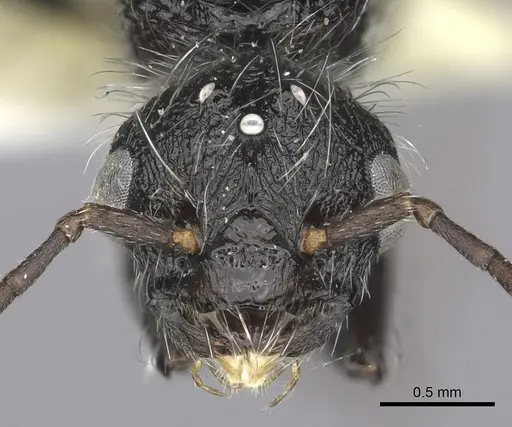
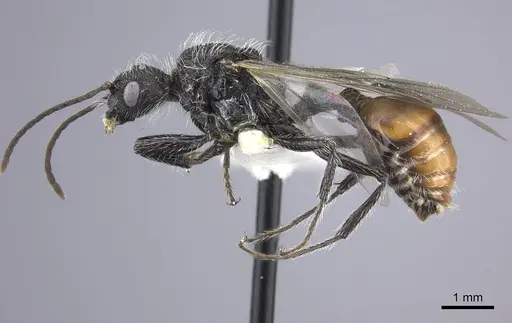
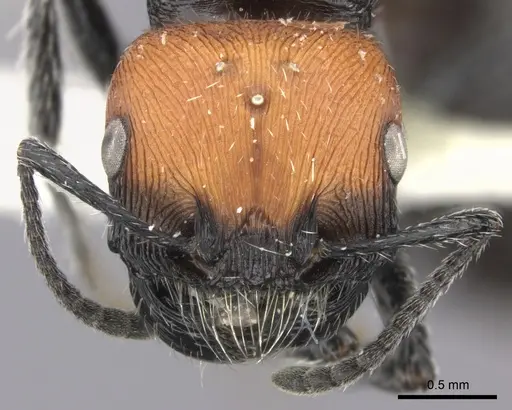
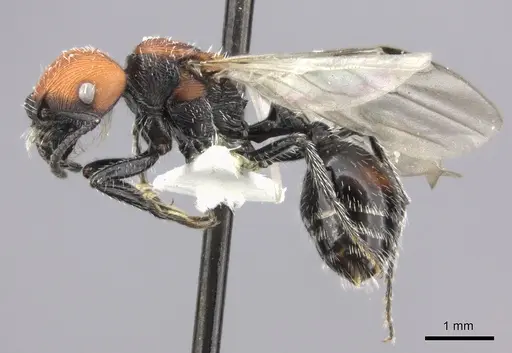
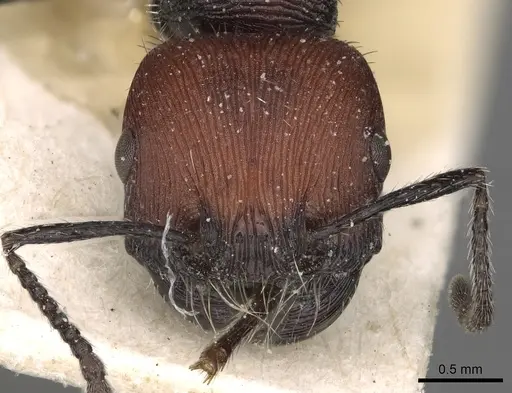
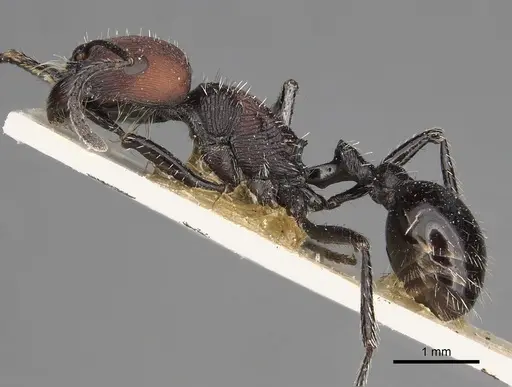
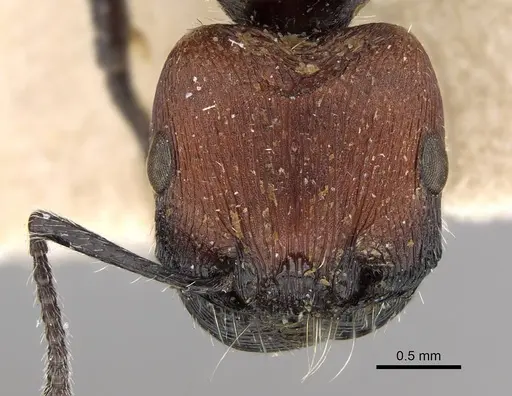
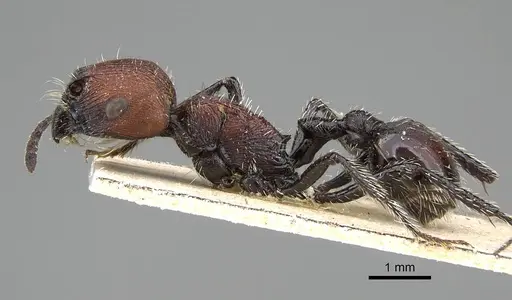
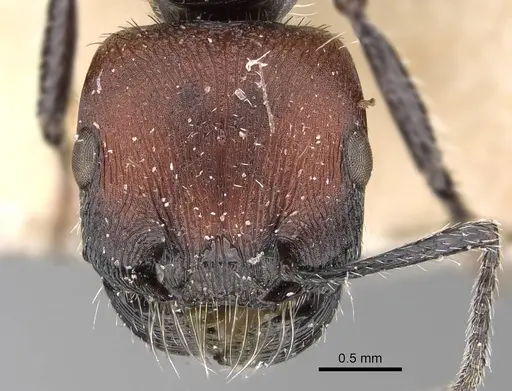
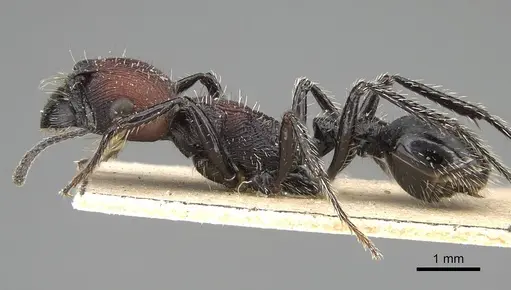
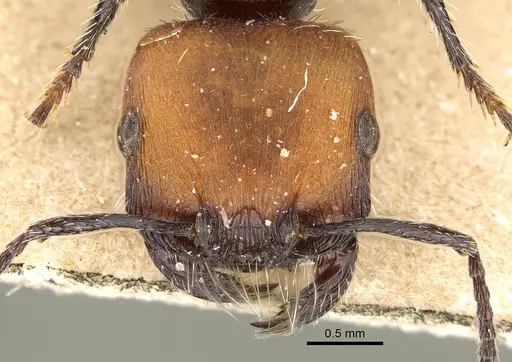
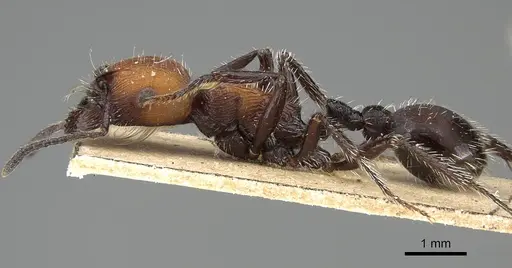
Pogonomyrmex pulchellus is a seed-harvester ant native to Argentina, specifically the Catamarca region . Workers have an orangish-brown head and a mostly blackish body with an orangish infusion on the mesonotum; the dorsum of the pronotum is notably darker than the mesonotum, and striae extend over the anterior two-thirds of the first gastral tergum . This species is adapted to arid environments and collects seeds as their primary food source .
Quick Summary
- Difficulty: Medium
- Origin & Habitat: Native to the Catamarca region of Argentina in the Neotropical Zone. Inhabits arid to semi-arid areas [1][2].
- Colony Type: Colony structure is unconfirmed for this species.
- Size & Growth:
- Queen: ~6-9mm, inferred from Pogonomyrmex genus patterns [2].
- Worker: ~4-6mm, inferred from Pogonomyrmex genus patterns [2].
- Colony: Up to several thousand workers, typical for Pogonomyrmex species [2].
- Growth: Moderate, estimated based on genus patterns [2].
- Development: Estimated 6-10 weeks based on typical Pogonomyrmex development patterns at optimal temperatures [2]. (Development time varies with temperature.)
- Antkeeping:
- Temperature: Keep nest area at 24-30°C. Use a heating cable to create a temperature gradient [2].
- Humidity: Keep nest substrate relatively dry with only a small water tube for moisture. These are arid-adapted ants [2].
- Diapause: Based on genus patterns, a winter diapause is recommended. Reduce temperature to 10-15°C for 2-3 months during winter [2].
- Nesting: Use dry, well-drained nests like Y-tong or plaster. Provide a sandy substrate for naturalistic setups [2].
- Behavior: Workers are active foragers and defensive, with painful stings. Escape risk is moderate due to their size [2].
- Common Issues: colonies may fail if humidity is too high, these are arid-adapted ants that need dry nesting conditions, overfeeding can lead to mold problems in the nest, remove uneaten seeds and protein regularly, winter diapause is important for colony health, skipping hibernation can weaken colonies over time, stings are painful and can cause allergic reactions, handle with care and avoid disturbing the nest, queen loss during founding is common, queens sometimes fail to establish colonies even under ideal conditions
Nest Preferences and Housing
Pogonomyrmex pulchellus thrives in dry, well-ventilated nest setups. Y-tong nests or plaster nests work well for this species [2]. For a naturalistic setup, use a sandy substrate that allows for tunnel construction. The key requirement is low humidity, these ants are adapted to arid conditions [2]. Provide a water tube with cotton but avoid placing it directly in the nesting chamber. Outworld space should include a sand area for seed harvesting behavior.
Feeding and Diet
As a seed-harvester ant, Pogonomyrmex pulchellus collects and stores seeds as their primary food source [2]. Offer a variety of small seeds suitable for their worker size, such as millet or sesame. Protein is also essential, offer small insects like fruit flies or mealworms. Remove uneaten food regularly to prevent mold growth.
Temperature and Seasonal Care
Maintain nest temperatures between 24-30°C for optimal colony development [2]. Use a heating cable to create a temperature gradient. During winter months, reduce temperatures to 10-15°C for 2-3 months to simulate natural diapause [2]. Do not feed during deep hibernation but ensure a small water source is available.
Behavior and Temperament
Pogonomyrmex pulchellus workers are active foragers that establish clear trails to food sources [2]. They are defensive and will protect their nest aggressively, with painful stings [2]. Workers are moderately sized and can squeeze through small gaps, so use standard escape prevention.
Frequently Asked Questions
How long does it take for Pogonomyrmex pulchellus to raise first workers?
Expect first workers approximately 6-10 weeks after the queen lays eggs, assuming optimal temperatures around 28°C [2].
What do Pogonomyrmex pulchellus ants eat?
They are seed-harvester ants. Offer small seeds like millet or grass seeds as a primary food, and provide protein sources like small insects [2].
What humidity level do Pogonomyrmex pulchellus need?
Keep humidity low by providing a dry nest substrate with only a small water tube for moisture [2].
Do Pogonomyrmex pulchellus need hibernation?
Based on genus patterns, a winter diapause is recommended. Reduce temperatures to 10-15°C for 2-3 months during winter [2].
Can I keep multiple Pogonomyrmex pulchellus queens together?
Not recommended. Colony structure is unconfirmed, and most Pogonomyrmex are single-queen species. Combining queens likely results in fighting.
What temperature is best for Pogonomyrmex pulchellus?
Keep the nest at 24-30°C. Use a heating cable to create a gradient allowing ants to regulate their temperature [2].
Are Pogonomyrmex pulchellus good for beginners?
They are rated as medium difficulty. Their specific humidity requirements and need for hibernation make them better suited for keepers with some experience [2].
When should I move Pogonomyrmex pulchellus to a formicarium?
Wait until the colony has at least 20-30 workers before moving from a founding setup. Ensure the new formicarium provides dry conditions [2].
How big do Pogonomyrmex pulchellus colonies get?
Colonies can reach up to several thousand workers, typical for Pogonomyrmex species [2].
Report an Issue
The current care sheet is based fully on literature. See inconsistencies, or something that's incorrect? Please , it will be resolved after review from an admin. Contributing to the blogs tab also helps providing information, to make us be able to further improve the caresheets. Thank you for your support!
References

Cette fiche d'élevage est sous licence CC BY-SA 4.0 .
Blogs de la communauté
CASENT0103260
Voir sur AntWeb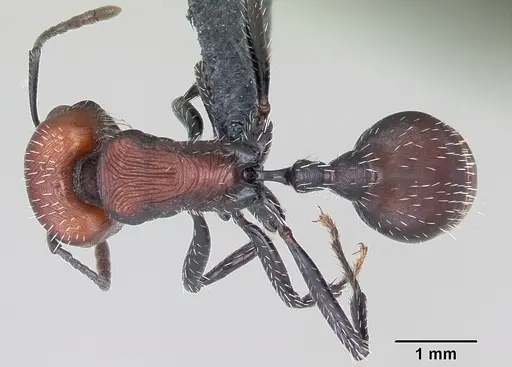
CASENT0103266
Voir sur AntWeb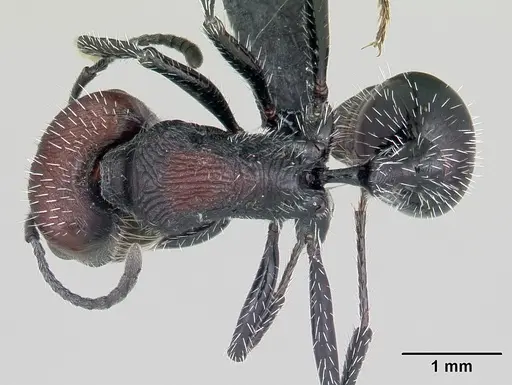
CASENT0172690
Voir sur AntWeb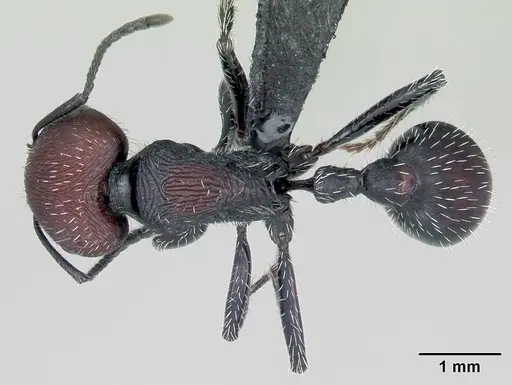
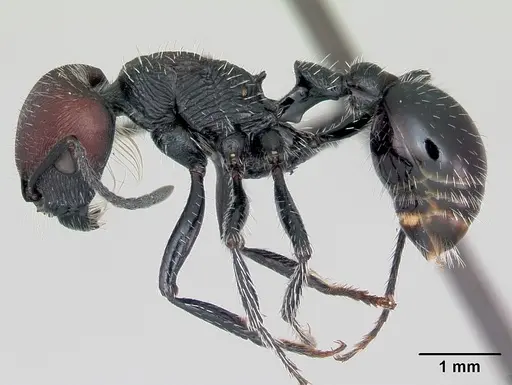
CASENT0172691
Voir sur AntWeb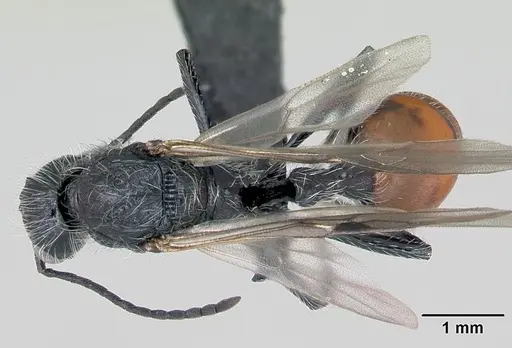
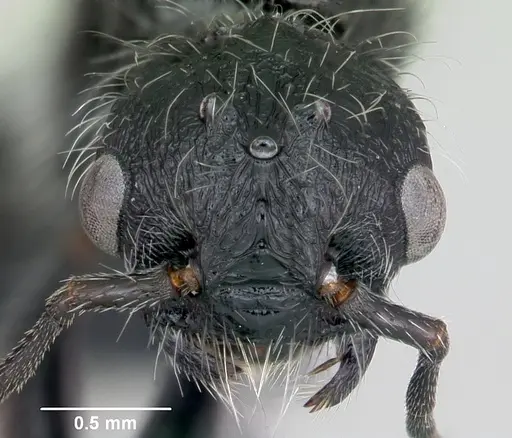
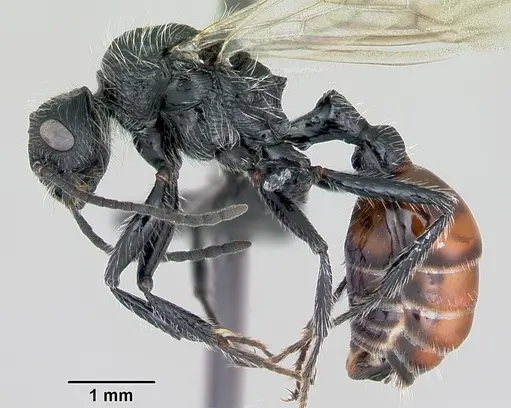
CASENT0172692
Voir sur AntWeb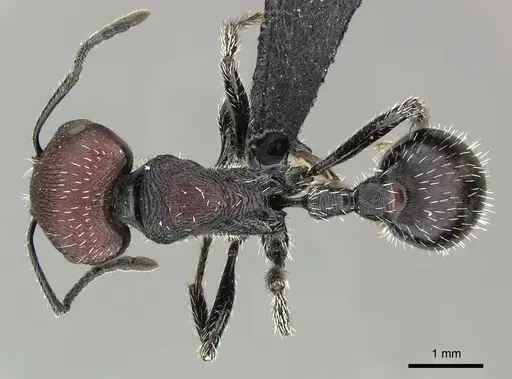
CASENT0235272
Voir sur AntWeb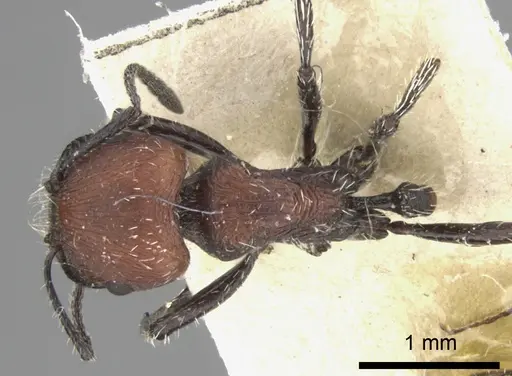
CASENT0249050
Voir sur AntWeb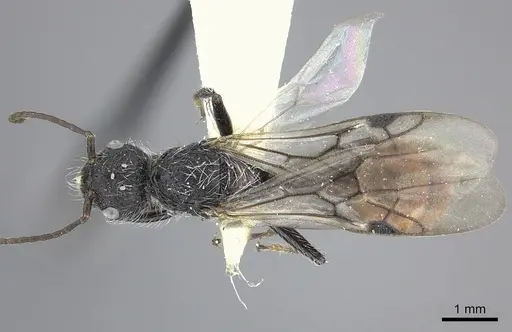
CASENT0249053
Voir sur AntWeb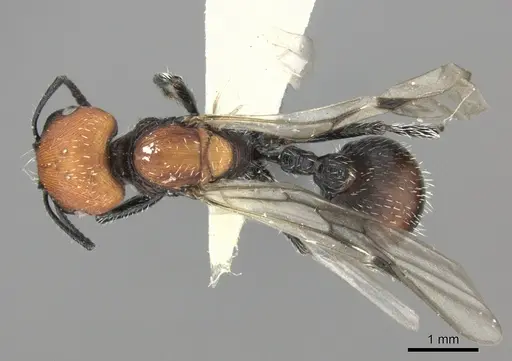
CASENT0281097
Voir sur AntWeb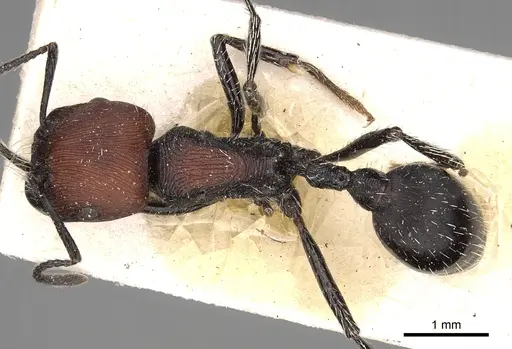
CASENT0922475
Voir sur AntWeb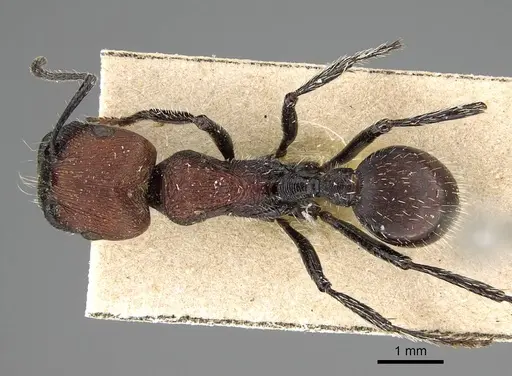
CASENT0922482
Voir sur AntWeb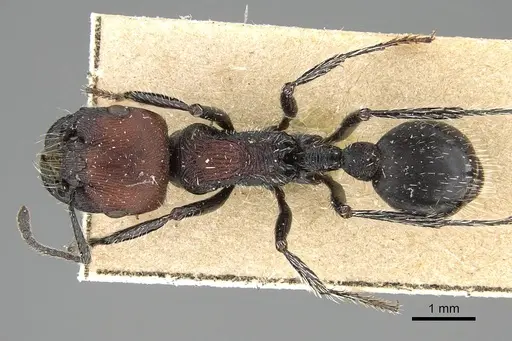
CASENT0922483
Voir sur AntWeb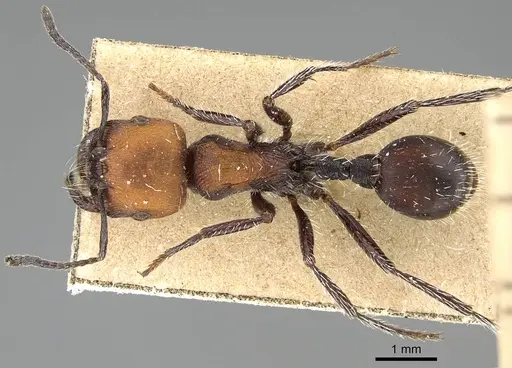
Littérature
Chargement de la carte de répartition...Chargement des produits...