
Pogonomyrmex excelsior
- Nom sci.
- Pogonomyrmex excelsior
- Tribu
- Pogonomyrmecini
- Sous-famille
- Myrmicinae
- Auteur
- Johnson, 2021
- Distribution
- Trouvé dans 0 pays
Introduction
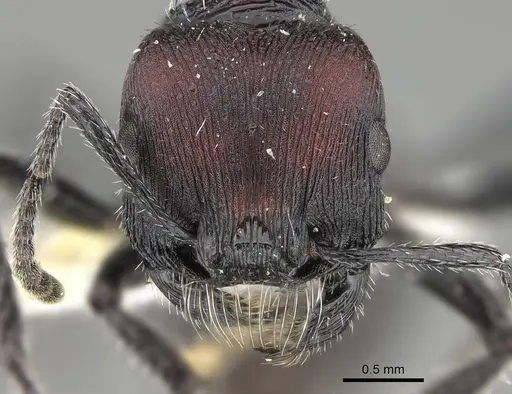
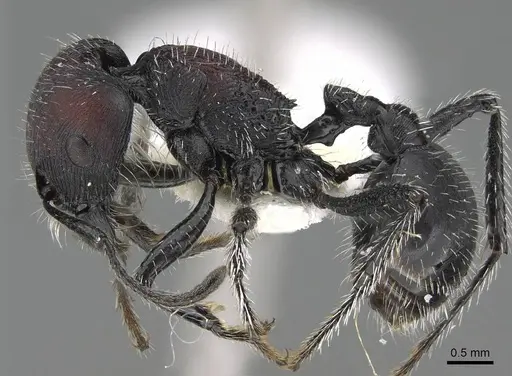
Pogonomyrmex excelsior is a seed-harvester ant from the high Andes mountains of northwestern Argentina and northeastern Chile . Workers have dark reddish-black to blackish-red coloration . This species inhabits extreme elevations of 3950-4080m in the Central Andean puna and dry puna ecoregions . Colonies build mound nests (tumulus) up to 15cm in diameter, and workers forage up to 30-40m from the nest . This ant is adapted to one of the harshest ant habitats on Earth: the cold, dry, high-altitude Andean puna. For antkeepers, this means providing cool, dry conditions with appropriate seasonal cycling.
Quick Summary
- Difficulty: Medium
- Origin & Habitat: High elevation puna habitats in northwestern Argentina (Jujuy) and northeastern Chile at 3950-4080m elevation [2]. The Central Andean puna is a cold, dry, high-altitude desert environment.
- Colony Type: Unconfirmed, no specific data on queen number in research [2].
- Size & Growth:
- Antkeeping:
- Temperature: Keep cool, roughly 15-20°C, based on high-altitude habitat [2].
- Humidity: Low to moderate, based on dry puna habitat [2].
- Diapause: Likely required based on high-elevation habitat [2], but not confirmed in research.
- Nesting: Tunnel-style nests work well, mimicking natural mound nests [2].
- Behavior: Workers are active foragers that harvest seeds and search for small insects [2]. They defend their nest vigorously. Being small, escape prevention is important. They are adapted to cool conditions and will be most active at moderate temperatures.
- Common Issues: high elevation cold requirements mean most homes are too warm, colony decline in warm conditions is likely, escape prevention is critical due to tiny worker size, use fine mesh barriers, dry habitat requirements mean overwatering easily kills colonies, winter dormancy is essential, skipping hibernation will weaken and eventually kill the colony, slow colony growth compared to tropical species may frustrate beginners
Housing and Nest Setup
Pogonomyrmex excelsior requires a setup that mimics their high-altitude, dry, cool natural habitat [2]. Start with a test tube setup for founding queens, but founding behavior is unconfirmed in research. Once the colony grows, transition to a small formicarium or Y-tong nest with chambers sized for tiny workers. Provide a foraging area since workers travel far in the wild [2]. Escape prevention is critical, use fine mesh on all openings and apply fluon to barrier edges.
Feeding and Diet
As seed-harvester ants, P. excelsior's primary food source is seeds [2]. Offer a variety of small seeds like millet or grass seeds. They will also hunt small insects for protein. In captivity, offer seeds constantly, small insects 2-3 times weekly, and occasional sugar water. Remove uneaten food to prevent mold.
Temperature and Seasonal Care
Temperature management is key. These ants evolved at high elevations where temperatures are cool [2]. Keep the nest area at roughly 15-20°C. During winter, provide a dormancy period at lower temperatures, but diapause is not confirmed in research. Avoid warm rooms that can stress the colony.
Colony Growth and Development
Colonies can reach up to 1000 workers at maturity [2]. Growth is moderate, but development timeline is unknown from research. Patience is required as these are long-lived colonies.
Frequently Asked Questions
Can I keep Pogonomyrmex excelsior in a test tube?
Yes, test tubes work well for initial housing, but founding behavior is unconfirmed [2]. Once the colony grows, consider transitioning to a small formicarium.
What temperature do Pogonomyrmex excelsior ants need?
Keep them cool, roughly 15-20°C, based on their high-altitude habitat [2]. Most homes are too warm, so consider a cool location.
Do Pogonomyrmex excelsior ants need hibernation?
Diapause is likely required based on habitat, but not confirmed in research [2]. Provide a cooler period during winter if possible.
How long until first workers in Pogonomyrmex excelsior?
Development time is unknown from research [2]. No data on egg-to-worker timeline is available.
What do Pogonomyrmex excelsior ants eat?
They are seed-harvesters [2]. Offer small seeds as a staple, plus small insects for protein.
Are Pogonomyrmex excelsior good for beginners?
No, this is not a beginner species. Their specific requirements for cool temperatures and dry conditions make them challenging.
How big do Pogonomyrmex excelsior colonies get?
Mature colonies can reach up to 1000 workers [2]. Growth is slow to moderate.
Why are my Pogonomyrmex excelsior dying?
Common causes include temperatures too warm, excessive humidity, mold from overfeeding, or lack of seasonal cycling [2]. Check against their cool, dry habitat requirements.
When should I move Pogonomyrmex excelsior to a formicarium?
Move from test tube to formicarium once the colony grows, but timing depends on growth rate which is unknown [2].
Report an Issue
The current care sheet is based fully on literature. See inconsistencies, or something that's incorrect? Please , it will be resolved after review from an admin. Contributing to the blogs tab also helps providing information, to make us be able to further improve the caresheets. Thank you for your support!
References

Cette fiche d'élevage est sous licence CC BY-SA 4.0 .
Blogs de la communauté
CASENT0922461
Voir sur AntWeb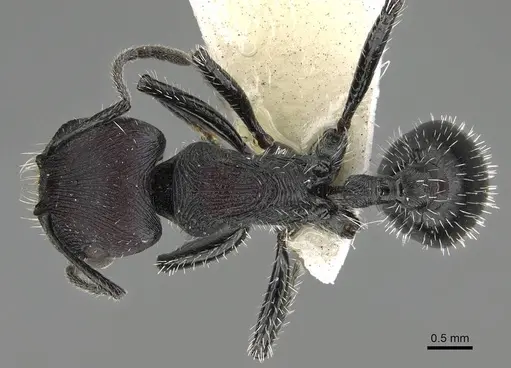
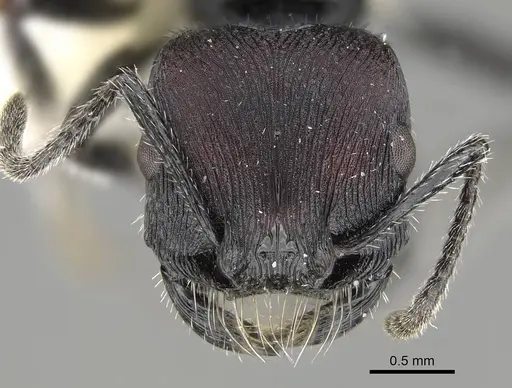
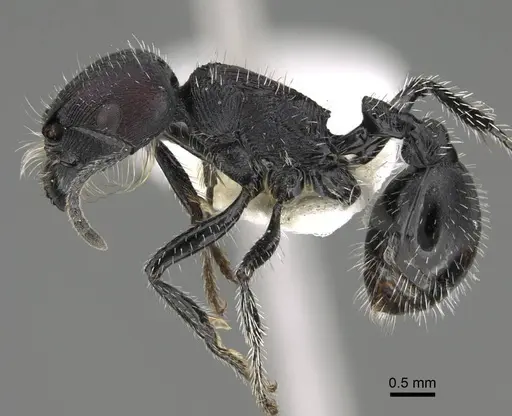
CASENT0922462
Voir sur AntWeb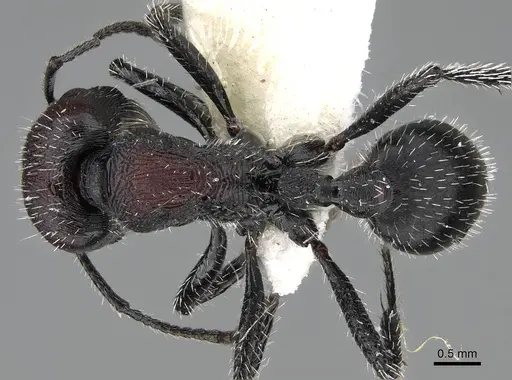
Littérature
Chargement de la carte de répartition...Chargement des produits...