
Perissomyrmex monticola
- Nom sci.
- Perissomyrmex monticola
- Tribu
- Crematogastrini
- Sous-famille
- Myrmicinae
- Auteur
- De Andrade, 1993
- Distribution
- Trouvé dans 0 pays
Introduction
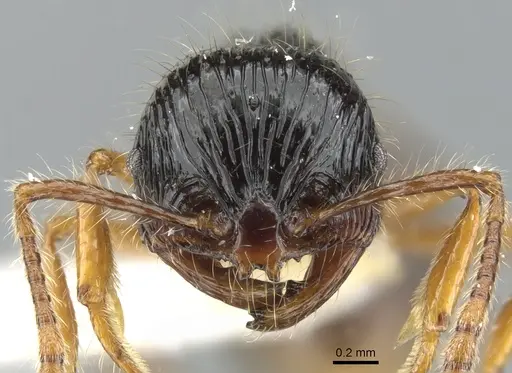
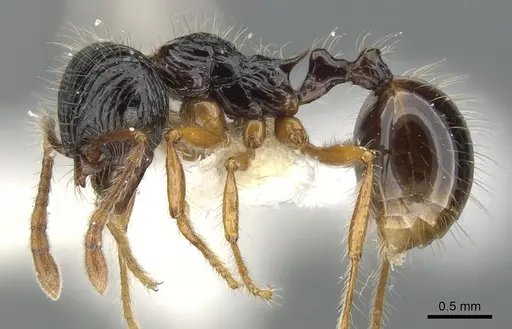
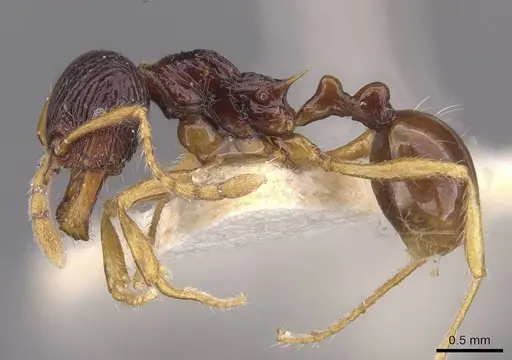
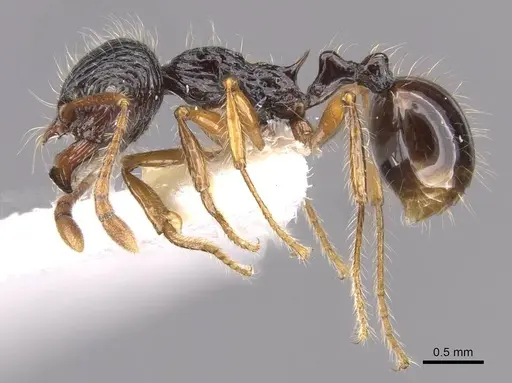
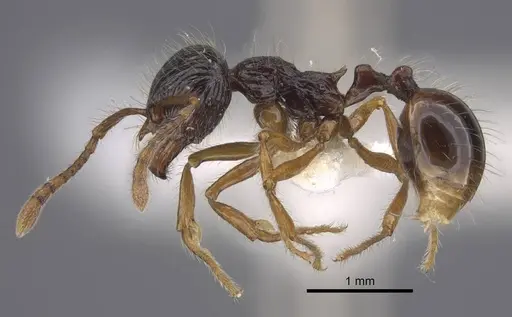
Perissomyrmex monticola is a small ant native to the Himalayan region of Bhutan, India, and Nepal. Workers have a total length of about 4.6mm , with a bicolored appearance: dark brown head and mesosoma, reddish gaster, and yellowish antennae and legs . The species is found at high altitudes between 2600-3000 meters . This ant was originally described as Perissomyrmex nepalensis but is now considered a junior synonym , and it represents one of the few known species in the genus Perissomyrmex, adapted to cool mountain environments.
Quick Summary
- Difficulty: Hard
- Origin & Habitat: Himalayan mountains (Bhutan, India, Nepal) at 2600-3000m elevation [2][3].
- Colony Type: Unconfirmed. Colony structure has not been documented in scientific literature.
- Size & Growth:
- Antkeeping:
- Temperature: Likely needs cool conditions based on high-altitude distribution [2]. Start around 18-20°C and observe colony activity.
- Humidity: Likely moderate humidity. Keep nest substrate consistently moist but not waterlogged, based on mountain habitat inference.
- Diapause: Likely required due to high-altitude habitat [2]. Provide 3-4 months at 5-10°C during winter.
- Nesting: No specific nesting data. Based on related Myrmicinae, likely nest in soil or under stones. Use Y-tong, plaster, or soil nests with moderate chambers.
- Behavior: Behavior undocumented in captivity. Based on genus Perissomyrmex, likely docile. Escape risk moderate due to 4.6mm worker size, use fine mesh barriers.
- Common Issues: overheating likely fatal due to cold adaptation [2]., diapause requirements unconfirmed but probable, provide cold period., no captive husbandry data, requires careful experimentation.
Species Overview and Distribution
Perissomyrmex monticola is a rare ant species endemic to the Himalayan region. It was first described from Bhutan in 1993 and later found in India and Nepal [3]. The species lives at high altitudes between 2600-3000 meters [2], making it one of the highest-dwelling ants in the area. The genus Perissomyrmex contains only four known species, with P. monticola being the only one confirmed in the Himalayas [3].
Identification and Morphology
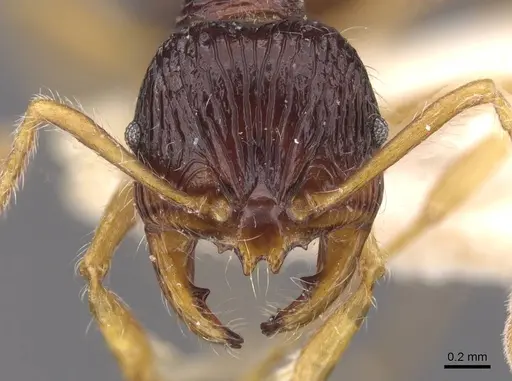
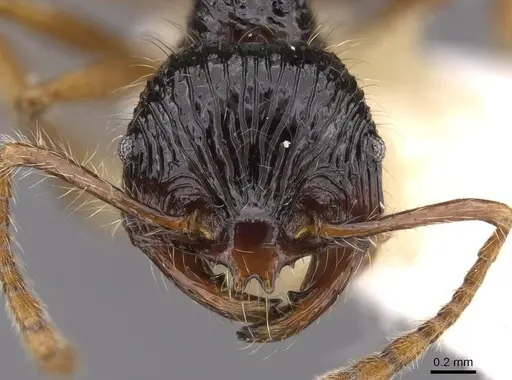
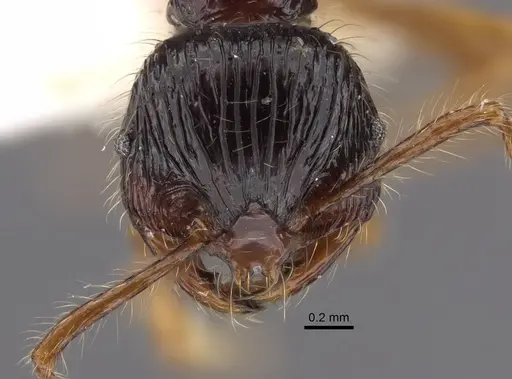
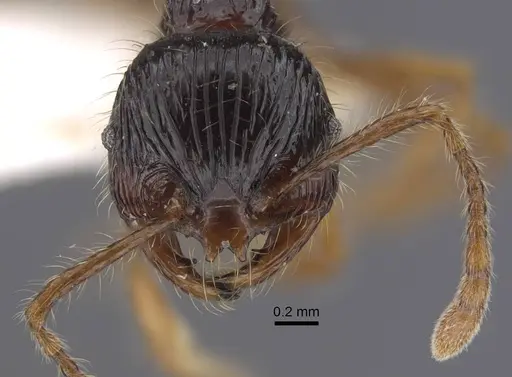
Workers are small ants with a total length of about 4.6mm [1]. They have a bicolored body: dark brown head and mesosoma, reddish gaster, and yellowish antennae and legs [1]. Key features include four teeth on the clypeus (two large central and two small lateral), long propodeal spines curving backward and upward, and heavily striated head and mesosoma [1]. Queens are larger at 5.32mm total length and have three ocelli [1].
Temperature and Seasonal Care
This species likely needs cool temperatures due to its high-altitude habitat [2]. Aim for nest temperatures around 18-20°C and avoid overheating, as it may be fatal. During winter, provide a diapause period of 3-4 months at 5-10°C to mimic natural conditions [2]. Monitor colony activity for signs of stress.
Nesting and Habitat Setup
No specific nesting data exists for this species. Based on related Myrmicinae and Himalayan habitat, they likely nest in soil or under stones. For captivity, use a naturalistic setup with soil substrate or a Y-tong/plaster nest with moderate chambers. Provide a humidity gradient with mostly moist substrate.
Feeding and Diet
The diet of Perissomyrmex monticola is undocumented. As a Myrmicinae, they likely accept standard ant foods: small insects for protein and sugar water or honey for carbohydrates. Offer prey appropriate to their 4.6mm worker size and observe acceptance.
Colony Structure and Development
Almost nothing is known about colony structure or development. Founding behavior is unconfirmed, and colony size is unknown. Development time from egg to worker has not been studied. This species requires patience and experimentation from keepers.
Frequently Asked Questions
How do I keep Perissomyrmex monticola?
Keep them cool at 18-20°C based on their high-altitude habitat [2]. Provide moderate humidity and a nest with soil or Y-tong/plaster. Diapause is likely needed in winter [2]. Since no captive data exists, careful observation is essential.
What do Perissomyrmex monticola eat?
Their diet is unconfirmed. Offer small insects for protein and sugar water or honey for carbohydrates, based on typical Myrmicinae feeding habits.
Do Perissomyrmex monticola ants need hibernation?
Likely yes due to their high-altitude habitat [2]. Provide a cold period of 3-4 months at 5-10°C during winter.
How long does it take for Perissomyrmex monticola to develop from egg to worker?
This is unknown, no development data exists. Based on related species, it may be slower due to cool adaptation, but specifics are unstudied.
Are Perissomyrmex monticola good for beginners?
No, this species is not recommended for beginners due to lack of captive data and specific temperature needs. It is better suited for experienced keepers.
What is the colony size of Perissomyrmex monticola?
Unknown, no colony size data is available from scientific literature.
Do Perissomyrmex monticola queens found colonies alone?
Founding behavior is unconfirmed. Based on typical Myrmicinae patterns, queens may be claustral, but this has not been documented for this species.
Where is Perissomyrmex monticola found?
Perissomyrmex monticola is native to the Himalayan mountains in Bhutan, India, and Nepal, at elevations between 2600-3000 meters [2][3].
What temperature is best for Perissomyrmex monticola?
Keep nest temperatures cool, around 18-20°C, based on their high-altitude distribution [2]. Avoid overheating, as it may be fatal.
Can I keep multiple Perissomyrmex monticola queens together?
Unknown, colony structure is unconfirmed. Without data on queen tolerance, it is not recommended to combine queens.
Report an Issue
The current care sheet is based fully on literature. See inconsistencies, or something that's incorrect? Please , it will be resolved after review from an admin. Contributing to the blogs tab also helps providing information, to make us be able to further improve the caresheets. Thank you for your support!
References

Cette fiche d'élevage est sous licence CC BY-SA 4.0 .
Blogs de la communauté
CASENT0901730
Voir sur AntWeb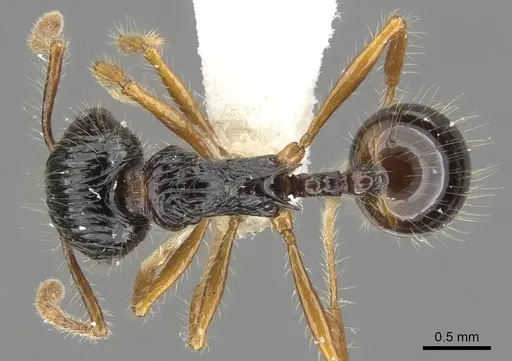
CASENT0913029
Voir sur AntWeb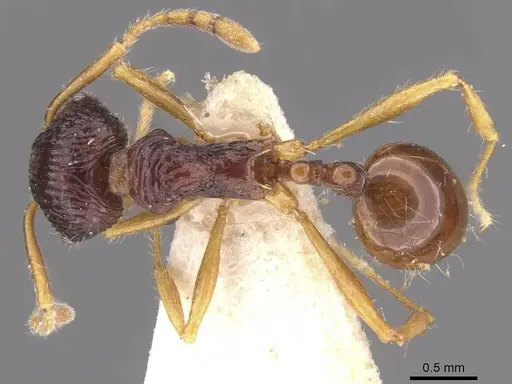
CASENT0913030
Voir sur AntWeb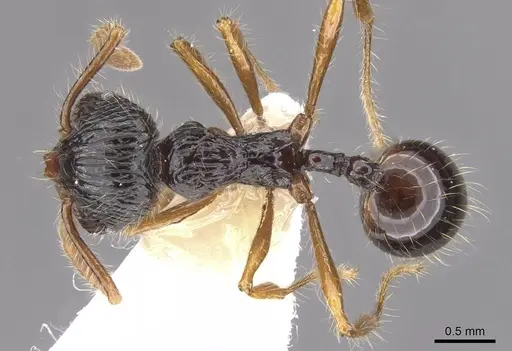
CASENT0917363
Voir sur AntWeb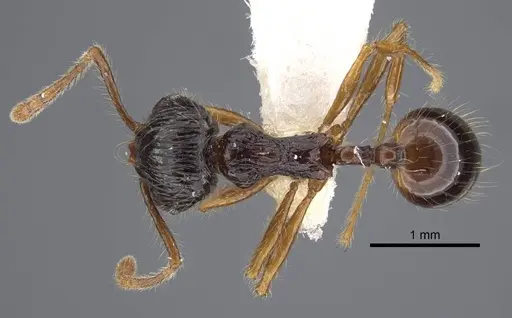
Littérature
Chargement de la carte de répartition...Chargement des produits...