
Nesomyrmex sikorai
- Nom sci.
- Nesomyrmex sikorai
- Tribu
- Crematogastrini
- Sous-famille
- Myrmicinae
- Auteur
- Emery, 1896
- Distribution
- Trouvé dans 1 pays
Introduction
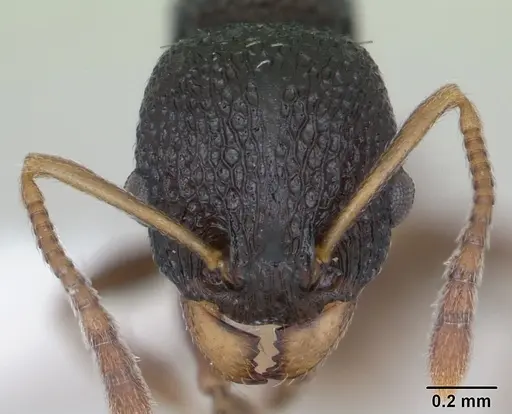
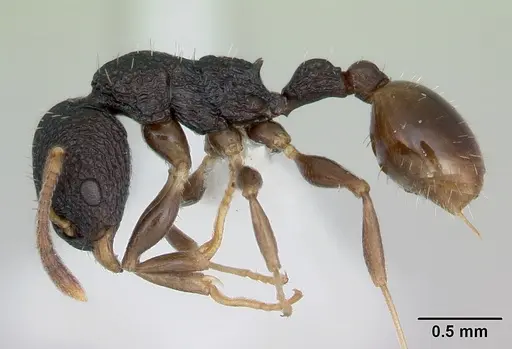
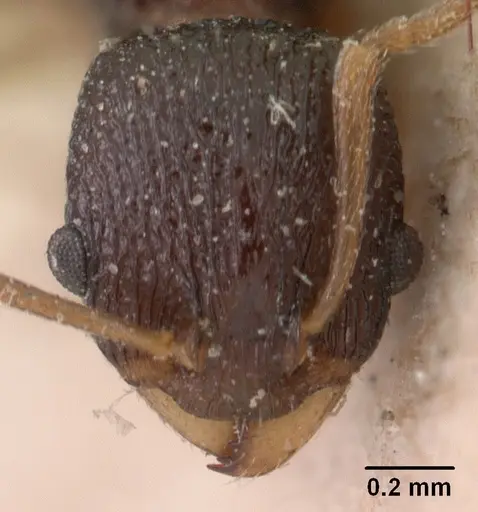
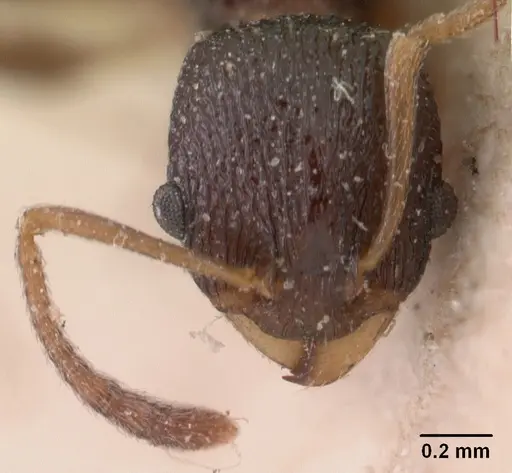
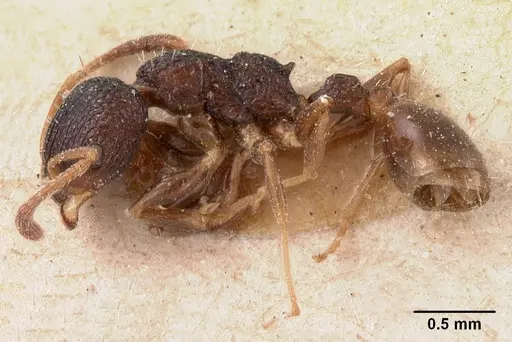
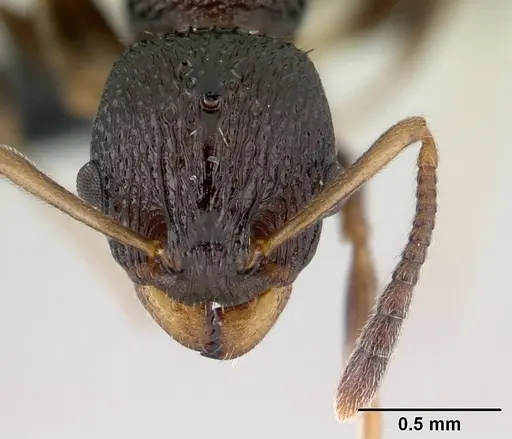
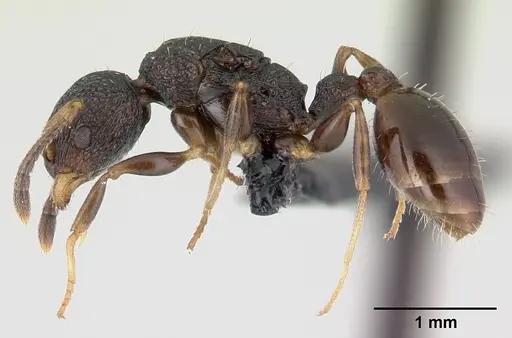
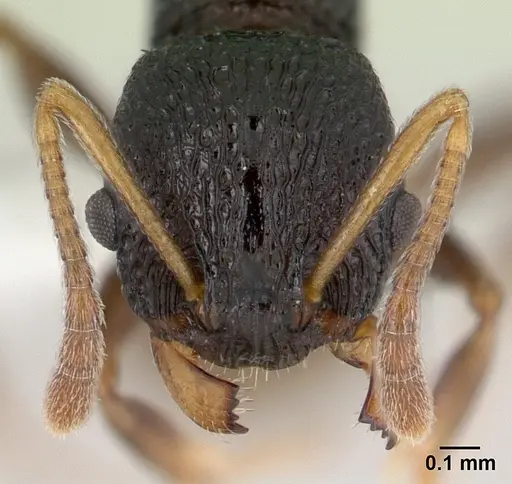
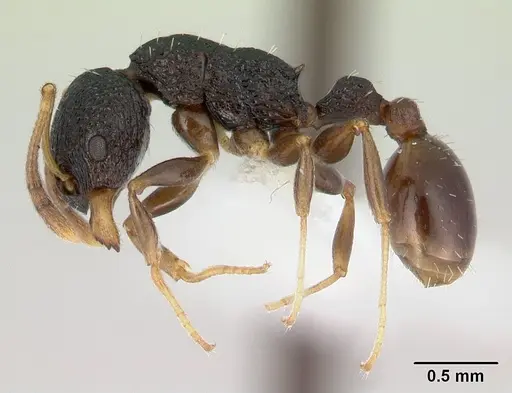
Nesomyrmex sikorai is a small, jet-black ant native to the montane rainforests of central Madagascar at elevations between 200 and 520 meters . Workers are black and concolorous, with body size inferred to be around 3-4 mm based on Nesomyrmex genus patterns, as direct measurements are unavailable . This species belongs to the sikorai species-group, characterized by 12-segmented antennae and specific morphometric ratios . The genus Nesomyrmex consists of small, cryptic ants that typically nest in rotting wood or under stones in forest habitats. A key feature of this subfamily is their defense mechanism: they use a modified stinger to smear venom onto enemies rather than piercing flesh.
Quick Summary
- Difficulty: Medium
- Origin & Habitat: Montane rainforests of central Madagascar at elevations between 200-520m [1]. The species is endemic to this region and occupies forest floor and understory microhabitats.
- Colony Type: Colony structure is unconfirmed. Based on typical Nesomyrmex patterns, likely single-queen colonies (monogyne), though this requires confirmation through field observation.
- Size & Growth:
- Queen: Size data unavailable, inferred from Nesomyrmex genus (~5-6 mm)
- Worker: Size data unavailable, inferred from Nesomyrmex genus (~3-4 mm)
- Colony: Unknown
- Growth: Moderate, inferred from similar small Myrmicinae
- Development: Estimated 6-10 weeks at optimal temperature, inferred from related species (Direct development data unavailable, estimates based on genus-level patterns for small tropical ants)
- Antkeeping:
- Temperature: Keep at 22-26°C. Based on montane rainforest habitat, they prefer moderate temperatures with moderate-to-high humidity. Avoid extremes, a gentle gradient allowing workers to self-regulate is ideal.
- Humidity: Keep nest substrate consistently moist but not waterlogged, with some drier areas available for the ants to choose. Based on their natural rainforest habitat.
- Diapause: Unknown for this species. Many tropical ants do not require true hibernation, but a slight cool period during the dry season may be beneficial. Monitor colony activity and adjust accordingly.
- Nesting: In nature, they likely nest in rotting wood, under stones, or in leaf litter. In captivity, a Y-tong nest or plaster nest with small chambers works well. Keep nesting material moist but allow for some variation in humidity across the nest.
- Behavior: These ants are small and relatively docile. They are likely cryptic foragers, searching for small prey and honeydew in the leaf litter layer. Escape prevention is critical due to their tiny size, use fine mesh barriers and tight-fitting lids. Workers are not known to be aggressive but may bite if threatened.
- Common Issues: escape prevention is critical due to their very small size, they can squeeze through the tiniest gaps, humidity control is important, too dry and colonies will fail, too wet and mold becomes a problem, slow colony growth can frustrate beginners, patience is key with this species, wild-caught colonies may carry parasites that can devastate captive colonies, their small size makes them difficult to observe and easy to accidentally injure during transfers
Natural History and Distribution
Nesomyrmex sikorai is endemic to central Madagascar, where it inhabits montane rainforest environments at elevations between 200-520 meters above sea level [1]. This represents a relatively narrow altitudinal range, suggesting the species has specific microhabitat requirements. The montane rainforest of central Madagascar is characterized by high humidity, moderate temperatures, and dense vegetation. As a member of the sikorai species-group, N. sikorai is distinguished by its black, concolorous body coloration and specific morphometric ratios including the ratio of propodeal spine length to other body measurements [1]. The species was originally described by Emery in 1896 as Leptothorax (Goniothorax) sikorai and was later transferred to the genus Nesomyrmex by Bolton in 2003 [3]. Workers can be identified by their 12-segmented antennae, areolate sculpture on the head and mesosoma, and short propodeal spines [2].
Housing and Nest Preferences
In captivity, these small ants require appropriately scaled housing. A Y-tong nest or plaster nest with small, tight chambers works well for their size. The chambers should be sized appropriately for a small colony, avoid large, open spaces that can make the ants feel insecure. Nest material should be kept consistently moist but never waterlogged. A humidity gradient within the nest allows the ants to self-regulate their moisture exposure. For the outworld, a simple setup with a small foraging area is sufficient, these are not large foragers. Escape prevention is critical due to their tiny size, use fine mesh (0.5mm or smaller) on any ventilation holes and ensure all connections are sealed. Test tube setups can work for founding colonies but may need upgrading as the colony grows.
Feeding and Diet
Based on typical Nesomyrmex and small Myrmicinae feeding patterns, these ants are likely omnivorous with a preference for small arthropods and sugar sources. Offer small live prey such as fruit flies, pinhead crickets, or small mealworms. Sugar water, honey, or commercial ant nectar can be offered as a constant energy source. Given their small size, prey items should be appropriately sized, anything too large will be ignored. Feed small amounts of protein 2-3 times per week and keep sugar sources available continuously. Remove uneaten prey after 24-48 hours to prevent mold issues.
Temperature and Seasonal Care
As a montane rainforest species from central Madagascar, N. sikorai likely prefers moderate temperatures in the range of 22-26°C. Avoid temperatures above 30°C or below 18°C for extended periods. A gentle thermal gradient within the nest setup allows workers to move between warmer and cooler areas as needed. Regarding seasonal care, the dry season in Madagascar runs roughly from April to October, with the wet season from November to March. While many tropical ants do not require true hibernation, you might consider a slight temperature reduction (by 2-4°C) during the simulated dry season to mimic natural conditions. Monitor colony activity levels, if workers become less active and cluster together, a brief cool period may be appropriate. Always ensure adequate ventilation while maintaining humidity.
Colony Establishment and Growth
Direct observation of colony founding for this species is unavailable. Based on typical Nesomyrmex patterns, founding is likely claustral, the queen seals herself in a small chamber and raises the first brood alone using stored fat reserves. Expect a founding colony to remain sealed for several weeks to months before the first workers (nanitics) emerge. Initial colony growth is typically slow as the queen can only lay a limited number of eggs. Once the first workers emerge, the colony enters a growth phase but remains small. Patience is essential with this species, rapid growth should not be expected. Colony health can be monitored by observing worker activity levels, brood development, and queen egg-laying rates.
Frequently Asked Questions
How long does it take for Nesomyrmex sikorai to produce first workers?
Direct development data is unavailable for this species. Based on related small Myrmicinae, expect approximately 6-10 weeks from egg to first worker at optimal temperature (around 24°C). Founding colonies may take several months before workers emerge as the queen must raise the first brood alone.
What size colony does Nesomyrmex sikorai reach?
Colony size is not documented in scientific literature. Based on typical Nesomyrmex patterns for small Myrmicinae, colonies are likely small at maturity. They are not large colony formers.
Do Nesomyrmex sikorai ants sting?
As small Myrmicinae, they have stingers but due to their tiny size, the sting is not effective against human skin. They may bite if threatened but are generally docile and not considered dangerous. Their defense mechanism involves smearing venom rather than piercing.
What temperature should I keep Nesomyrmex sikorai at?
Maintain temperatures around 22-26°C. Their montane rainforest origin in central Madagascar suggests they prefer moderate temperatures with moderate-to-high humidity. Avoid temperatures above 30°C or below 18°C.
Can I keep multiple Nesomyrmex sikorai queens together?
Colony structure is unconfirmed for this species. Combining unrelated queens has not been documented and is not recommended. If you obtain a wild-caught colony, it may contain one or more queens depending on the natural colony structure.
How do I prevent Nesomyrmex sikorai from escaping?
Escape prevention is critical due to their very small size. Use fine mesh (0.5mm or smaller) on all ventilation, seal all connections with fluon or similar barriers, and ensure lids fit tightly. These ants can squeeze through gaps that would contain larger species.
What do Nesomyrmex sikorai eat?
Based on typical genus patterns, they likely accept small live prey (fruit flies, small crickets) and sugar sources (honey water, nectar). Feed small protein items 2-3 times per week and keep sugar water available continuously. Prey should be appropriately sized for their tiny workers.
Is Nesomyrmex sikorai good for beginners?
This species is rated as medium difficulty. While not the most challenging ant to keep, their small size requires careful attention to escape prevention and humidity control. They are not as hardy as some common hobby species, so some antkeeping experience is helpful.
Do Nesomyrmex sikorai need hibernation?
Diapause requirements are unknown for this species. As a tropical montane species, they likely do not require true hibernation. A slight temperature reduction during the simulated dry season may be beneficial but is not mandatory.
When should I move Nesomyrmex sikorai to a formicarium?
Keep founding colonies in test tubes or small setups until they have a small number of workers. Once the colony reaches this size and the test tube shows signs of degradation (mold, drying), you can move them to a small Y-tong or plaster nest.
Report an Issue
The current care sheet is based fully on literature. See inconsistencies, or something that's incorrect? Please , it will be resolved after review from an admin. Contributing to the blogs tab also helps providing information, to make us be able to further improve the caresheets. Thank you for your support!
References

Cette fiche d'élevage est sous licence CC BY-SA 4.0 .
Blogs de la communauté
CASENT0003120
Voir sur AntWeb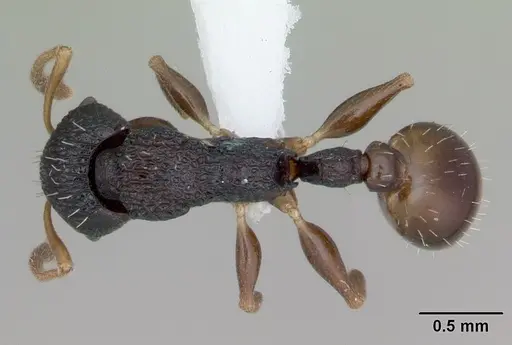
CASENT0102064
Voir sur AntWeb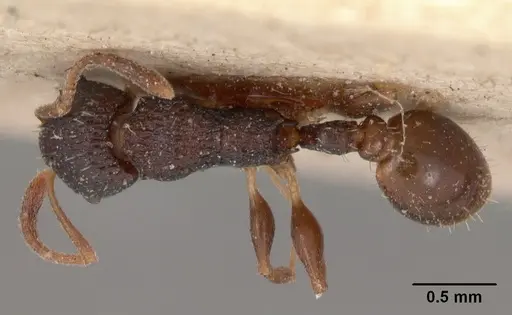
CASENT0141272
Voir sur AntWeb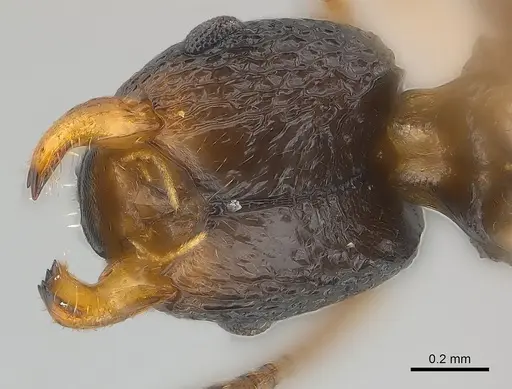
CASENT0141299
Voir sur AntWeb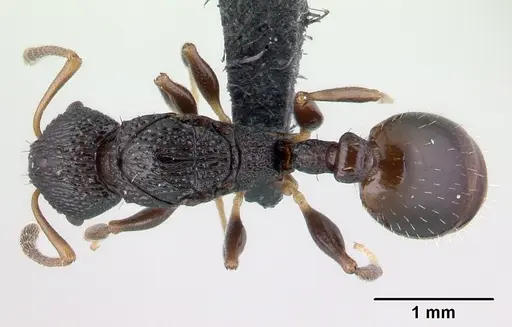
CASENT0189277
Voir sur AntWeb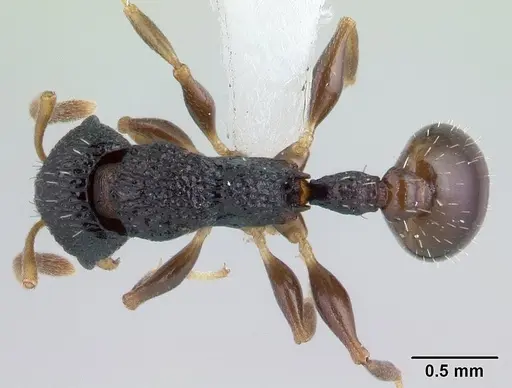
Littérature
Chargement de la carte de répartition...Chargement des produits...