
Neoponera recava
- Nom sci.
- Neoponera recava
- Tribu
- Ponerini
- Sous-famille
- Ponerinae
- Auteur
- MacKay & MacKay, 2010
- Distribution
- Trouvé dans 0 pays
Introduction
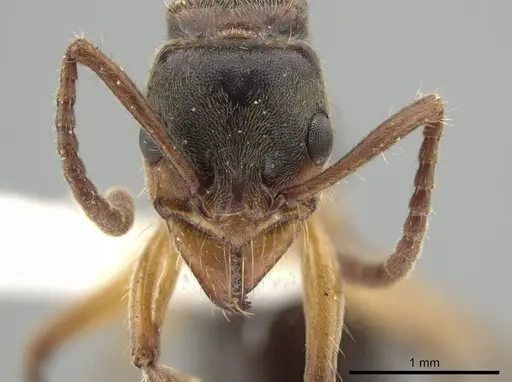
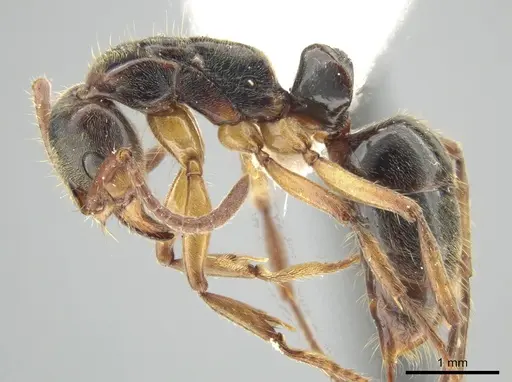
Neoponera recava is a medium-sized ponerine ant species known only from the Calima region in Valle del Cauca, Colombia . Workers are robust with the typical Ponerinae body plan - a powerful sting and well-developed mandibles for capturing prey. The genus Neoponera contains around 30 species of predatory ants found throughout Central and South American tropical regions. This species remains poorly studied in the scientific literature, with distribution data being the primary documented information available.
Quick Summary
- Difficulty: Expert
- Origin & Habitat: Calima, Valle del Cauca, Colombia, tropical lowland forest region [1][2]
- Colony Type: Unconfirmed. Based on typical Neoponera patterns, likely single-queen (monogyne) colonies.
- Size & Growth:
- Queen: ~12-15mm, inferred from Neoponera genus
- Worker: ~8-12mm, inferred from Neoponera genus
- Colony: Likely up to several hundred workers based on related species
- Growth: Moderate, typical for Ponerinae
- Development: Estimated 6-10 weeks at tropical temperatures based on related Ponerinae species (Development time is estimated from related Neoponera species, specific data for N. recava is unavailable)
- Antkeeping:
- Temperature: Keep at 24-28°C. Being a tropical species from Colombia, they need consistently warm conditions.
- Humidity: Maintain high humidity around 70-80%. These ants come from a tropical region and need moist conditions.
- Diapause: Likely no true diapause. As a tropical species, they probably experience year-round activity with minor seasonal slowdowns.
- Nesting: Provide a humid nest with chambers large enough for their medium-large size. Naturalistic setups with soil or plaster nests work well for Neoponera species.
- Behavior: Neoponera species are predatory ants with a powerful sting. Workers are active foragers that hunt small invertebrates. They are not aggressive toward keepers but will defend the nest if threatened. Their sting is painful but not medically significant for healthy humans. Escape prevention is important but not critical for this medium-sized species, they are not escape artists like tiny ants.
- Common Issues: lack of specific care data makes this an expert-only species, much is inferred from genus rather than confirmed, predatory diet requirements may be challenging to meet consistently, high humidity needs can lead to mold issues if ventilation is poor, tropical temperature requirements mean stable heating is necessary year-round, limited availability in the antkeeping hobby
Natural History and Distribution
Neoponera recava is endemic to the Calima region in Valle del Cauca, Colombia [1][2]. This means it is found only in this specific area and nowhere else in the world. The Calima region is in the tropical lowlands of western Colombia, characterized by warm temperatures and high humidity typical of equatorial rainforests. This restricted distribution makes N. recava a particularly rare species in the antkeeping hobby, as specimens are not commonly available. The species was described by researchers studying Colombian ant diversity, and much about its biology in the wild remains undocumented.
Housing and Nesting
Provide a nest that maintains high humidity while allowing for proper ventilation. Neoponera species do well in naturalistic setups with a soil chamber or plaster nest that can hold moisture. The nest chambers should be appropriately sized for medium-large ants, passages roughly 10-15mm wide work well. A water reservoir connected to the nest helps maintain humidity. Keep the outworld simple with a shallow water dish and minimal decorations that could harbor mold. Because this species is not well-documented in captivity, observe your colony closely for signs of stress and adjust humidity up or down based on their behavior.
Feeding and Diet
Neoponera recava is a predatory ant, like others in the genus. Feed them small live invertebrates such as fruit flies, small crickets, mealworms, and other appropriately-sized prey. They typically accept protein-rich foods and may take sugar water or honey as a supplementary energy source. Feed prey items roughly twice weekly, adjusting based on colony size and consumption rate. Remove any uneaten prey after 24-48 hours to prevent mold. A varied diet helps ensure healthy colony development. Unlike some ants that rely heavily on sugar, this predatory species prioritizes protein.
Temperature and Environmental Control
As a tropical species from Colombia, Neoponera recava requires warm conditions year-round. Maintain temperatures between 24-28°C. A heating cable or mat on one side of the nest creates a temperature gradient that allows the ants to regulate their own exposure to heat. Avoid temperatures below 22°C as prolonged cool periods can weaken the colony. Room temperature in heated homes may suffice in warmer climates, but most keepers will need supplemental heating. Stable temperatures are more important than exact precision, avoid dramatic fluctuations.
Behavior and Handling
Neoponera workers are active foragers that search for prey in the outworld. They have a well-developed sting for subduing prey and defending the nest. While not aggressive toward humans, they will sting if threatened or handled roughly. The sting is painful but comparable to a bee sting for most people, not dangerous unless the keeper has an allergy. These ants are not climbers or escape artists, so standard barrier methods suffice. Workers are typically solitary foragers but will recruit nestmates to large food items. Observe their hunting behavior, it is one of the more entertaining aspects of keeping predatory Ponerinae.
Frequently Asked Questions
How long does it take for Neoponera recava to produce first workers?
This is estimated at 6-10 weeks based on related Neoponera species, but specific development data for N. recava does not exist. The exact timeline depends on temperature and feeding success.
What do Neoponera recava ants eat?
They are predatory ants that need live or freshly killed invertebrate prey. Feed small insects like fruit flies, pinhead crickets, and mealworms. They may accept sugar water or honey as a supplement.
Are Neoponera recava good for beginners?
No. This species is recommended for experienced antkeepers only. There is very little species-specific care data available, so much must be inferred from genus-level knowledge. Their specific requirements may differ from related species.
What temperature do Neoponera recava ants need?
Keep them at 24-28°C. They are tropical ants from Colombia and need consistently warm conditions year-round.
How big do Neoponera recava colonies get?
Based on related species, colonies likely reach several hundred workers. The exact maximum is unknown as this species has not been documented in captivity.
Do Neoponera recava need hibernation?
Probably not. As a tropical species from Colombia, they likely do not require a true diapause period. Minor seasonal slowdowns may occur but hibernation is not necessary.
Can I keep multiple Neoponera recava queens together?
This has not been documented. Based on typical Neoponera patterns, single-queen colonies are most likely. Combining unrelated queens is not recommended without specific evidence.
What humidity level do Neoponera recava require?
Maintain high humidity around 70-80%. This reflects their origin in the tropical rainforest regions of Colombia. A moist nest substrate is important.
Where is Neoponera recava found in the wild?
Only in the Calima region of Valle del Cauca, Colombia. This is the only known locality for this species [1][2].
Report an Issue
The current care sheet is based fully on literature. See inconsistencies, or something that's incorrect? Please , it will be resolved after review from an admin. Contributing to the blogs tab also helps providing information, to make us be able to further improve the caresheets. Thank you for your support!
References

Cette fiche d'élevage est sous licence CC BY-SA 4.0 .
Blogs de la communauté
UTIC00212810
Voir sur AntWeb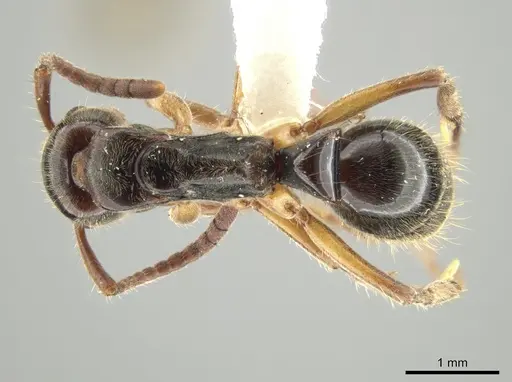
Littérature
Chargement de la carte de répartition...Chargement des produits...