
Neivamyrmex shuckardi
- Nom sci.
- Neivamyrmex shuckardi
- Sous-famille
- Dorylinae
- Auteur
- Emery, 1900
- Distribution
- Trouvé dans 0 pays
Introduction
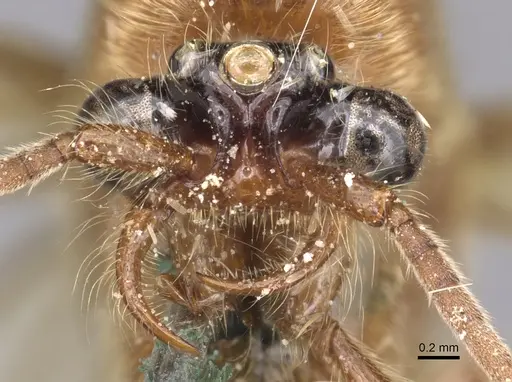
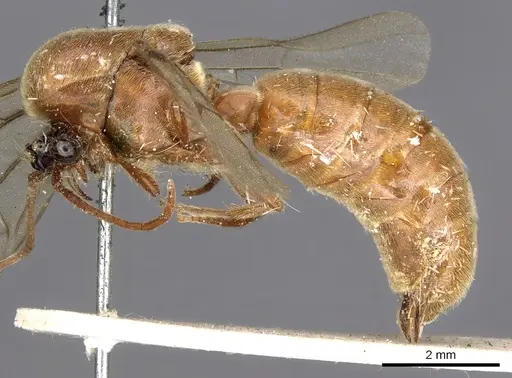
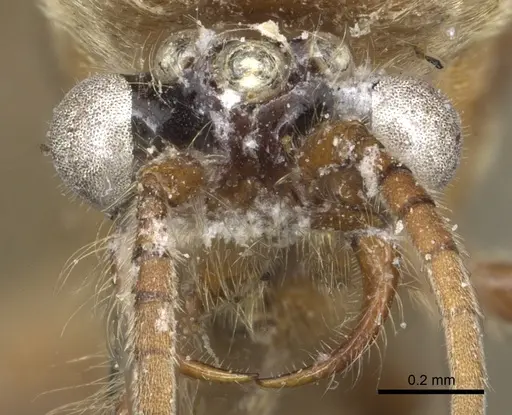
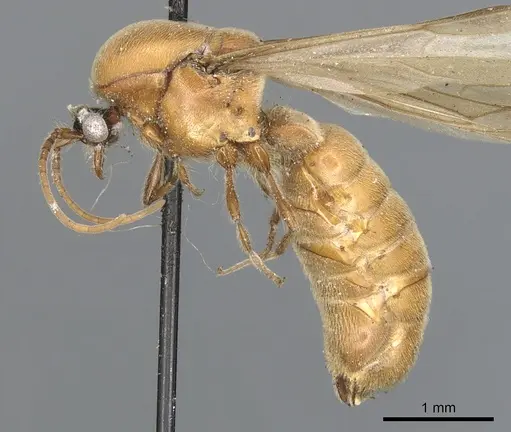
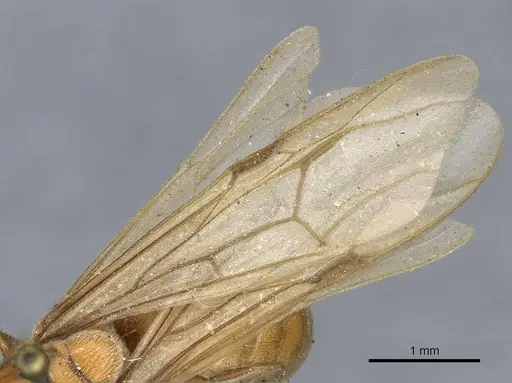
Neivamyrmex shuckardi is a Neotropical army ant species belonging to the subfamily Dorylinae. Workers are small and reddish-brown. This species ranges across northern Argentina, Bolivia, Brazil, and Paraguay, where it inhabits tropical and subtropical forest environments . As an army ant, N. shuckardi exhibits the characteristic behavior of Dorylinae, forming colonies that raid for prey rather than foraging for honeydew like many other ant species. The species is assigned to the functional group Tropical Climate Specialists, indicating adaptation to warm, humid Neotropical conditions .
Quick Summary
- Difficulty: Expert
- Origin & Habitat: Neotropical distribution across northern Argentina (Santa Fe, Misiones provinces), Bolivia, Brazil, and Paraguay. Inhabits tropical and subtropical forest environments [1][2].
- Colony Type: Colony structure is unconfirmed for this species. Most Neivamyrmex species are polygyne with ergatoid replacement reproductives, but specific data for N. shuckardi is lacking.
- Size & Growth:
- Queen: size data unavailable, inferred from Neivamyrmex genus patterns (~6-10mm)
- Worker: size data unavailable, inferred from Neivamyrmex genus patterns (~2-5mm)
- Colony: Colony size is unconfirmed, typical Neivamyrmex colonies reach several hundred to a few thousand workers [1]
- Growth: Moderate, inferred from genus patterns
- Development: development timeline is unconfirmed for this species (Based on typical Dorylinae patterns, development likely takes several weeks to months. Estimates from related species suggest 6-10 weeks but this is not confirmed for N. shuckardi.)
- Antkeeping:
- Temperature: Keep at 24-28°C. As a Tropical Climate Specialist, they require consistently warm conditions [2]. Use a heating cable on one side of the nest to maintain stable temperatures.
- Humidity: Maintain moderate to high humidity (60-80%). Keep the nest substrate consistently moist but not waterlogged. Army ants prefer humid, dark environments.
- Diapause: No true hibernation required. As a tropical species, they do not enter diapause but may reduce activity during cooler periods. Maintain warm conditions year-round.
- Nesting: Use a dark, humid nest setup. Test tubes with cotton-plugged water reservoirs work well for founding colonies. Provide tight, secure chambers as army ants prefer confined spaces. Avoid bright lighting.
- Behavior: Army ants are predatory and conduct coordinated raids for prey. Workers are small but numerous and will attack prey items. They likely follow a nomadic cycle similar to other army ants, alternating between stationary phases while brood develops and migratory phases when larvae pupate. Escape risk is moderate, use fluon barriers and tight-fitting lids. They do not sting but can bite if handled. Based on Neivamyrmex genus patterns, they are not aggressive toward humans.
- Common Issues: difficulty finding appropriate live prey, they require small live insects regularly, stress from excessive lighting, army ants prefer dark conditions and may become agitated under bright lights, colonies may decline if prey is not offered frequently enough, they are obligate predators, temperature drops can cause colony decline or dormancy, maintain warmth consistently, small colony size makes them vulnerable to stress, founding colonies need minimal disturbance, this species is rarely kept in captivity and specific care requirements are not well-documented
Housing and Nest Setup
Neivamyrmex shuckardi requires a dark, humid environment that mimics their natural underground nesting sites. For founding colonies, a simple test tube setup works well, use a test tube with a cotton-plugged water reservoir, keeping it darkened with a cloth or wrapper. As the colony grows, you can transition to a small formicarium with tight chambers. Avoid nests with large open spaces, army ants feel secure in snug, confined areas. Keep lighting minimal and indirect, bright light stresses these ants and can cause them to abandon brood. The outworld should be simple with easy-to-clean surfaces, as army ant colonies produce minimal waste. [1]
Feeding and Diet
As predatory army ants, N. shuckardi requires a diet of live small invertebrates. Offer small live prey such as fruit flies, pinhead crickets, small mealworms, wax moth larvae, or other tiny insects twice weekly. Remove any uneaten prey within 24 hours to prevent mold. Unlike many ants, they do not typically scavenge or collect honeydew, they are obligate predators that require fresh, living prey. The frequency of feeding should increase during periods of rapid brood development. Some colonies may accept small pieces of raw meat or freeze-dried insects, but live prey is preferred for stimulating natural hunting behavior.
Temperature and Seasonal Care
Maintain nest temperatures between 24-28°C year-round. This species is classified as a Tropical Climate Specialist, meaning they require consistently warm conditions [2]. A heating cable placed on one side of the nest can create a gentle temperature gradient. Avoid temperatures below 20°C, as this can cause colony decline or dormancy. Unlike temperate species, they do not require hibernation or winter rest. Monitor colony activity, if workers become sluggish, check that temperatures are within the optimal range. Sudden temperature changes should be avoided.
Behavior and Colony Dynamics
N. shuckardi exhibits typical army ant behavior with a nomadic cycle. During the stationary phase, the colony remains in one location while the queen lays eggs and larvae develop. Once larvae pupate, the colony may enter the migratory phase and relocate, with workers carrying pupae and the queen. Workers coordinate raids through chemical trails, swarming over prey items and subjugating them through numbers. The colony should be kept in a quiet location with minimal vibration and disturbance. Avoid opening the nest frequently during the stationary phase when brood is developing. These ants are not aggressive toward humans and do not possess a painful sting, though workers may bite if handled. [1]
Growth and Development
The complete development cycle from egg to worker is not specifically documented for N. shuckardi. First workers (nanitics) are typically smaller than mature workers. Colony growth is moderate, expect several months before the first workers emerge, then gradual expansion over the first year. The nomadic cycle means colony activity fluctuates, periods of intense raiding alternate with periods of relative quiet during brood development. A healthy colony should show increasing worker numbers over time, with the queen continuously producing eggs during favorable conditions.
Frequently Asked Questions
Can I keep Neivamyrmex shuckardi in a test tube?
Yes, test tubes work well for founding colonies. Use a darkened test tube with a cotton-plugged water reservoir. Keep it covered to block light and maintain humidity. This setup mimics their natural dark, humid nesting preferences.
What do Neivamyrmex shuckardi ants eat?
They are obligate predators that require live small invertebrates. Feed them fruit flies, pinhead crickets, small mealworms, or other tiny insects twice weekly. Remove uneaten prey within 24 hours.
How long until first workers appear?
Development timeline is unconfirmed for this species. Based on typical Dorylinae patterns, expect several weeks to months. First workers will be smaller than mature workers.
What temperature do they need?
Keep them at 24-28°C. As a Tropical Climate Specialist, they require consistently warm conditions. Avoid temperatures below 20°C.
Do they need hibernation?
No. As a tropical species, they do not require hibernation or diapause. Maintain warm conditions year-round.
Are Neivamyrmex shuckardi good for beginners?
No. This species is rated Expert difficulty due to their specific prey requirements, need for warm humid conditions, and sensitivity to disturbance. They are also rarely available in the antkeeping hobby.
How big do colonies get?
Colony size is unconfirmed for this species. Based on typical Neivamyrmex patterns, colonies may reach several hundred to a few thousand workers.
When should I move them to a formicarium?
Move to a larger nest when the test tube becomes crowded or the colony reaches several hundred workers. Ensure the new setup maintains dark, humid conditions with tight chambers.
Why is my colony declining?
Common causes include insufficient prey (they need regular live insects), temperatures below 20°C, excessive light or disturbance, or low humidity. Check all parameters and ensure prey is being offered frequently.
Report an Issue
The current care sheet is based fully on literature. See inconsistencies, or something that's incorrect? Please , it will be resolved after review from an admin. Contributing to the blogs tab also helps providing information, to make us be able to further improve the caresheets. Thank you for your support!
References

Cette fiche d'élevage est sous licence CC BY-SA 4.0 .
Blogs de la communauté
CASENT0902306
Voir sur AntWeb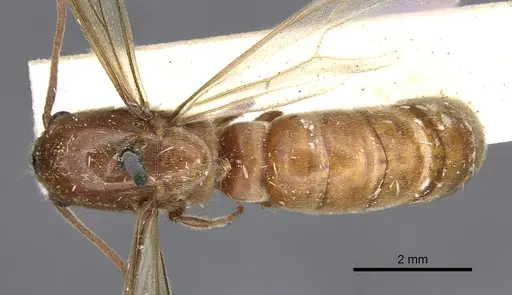
CASENT0903746
Voir sur AntWeb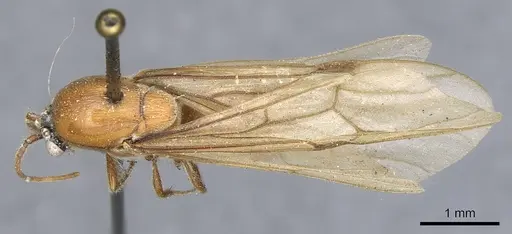
Littérature
Chargement de la carte de répartition...Chargement des produits...