
Myrmicaria distincta
- Nom sci.
- Myrmicaria distincta
- Tribu
- Solenopsidini
- Sous-famille
- Myrmicinae
- Auteur
- Santschi, 1925
- Distribution
- Trouvé dans 0 pays
Introduction
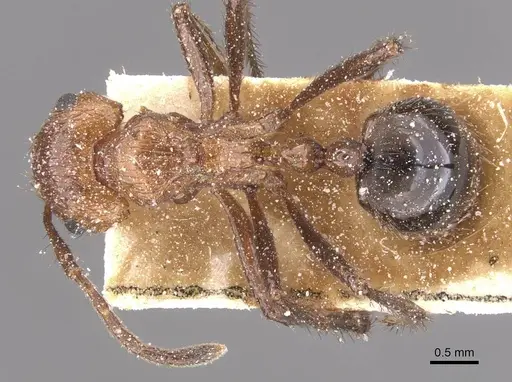
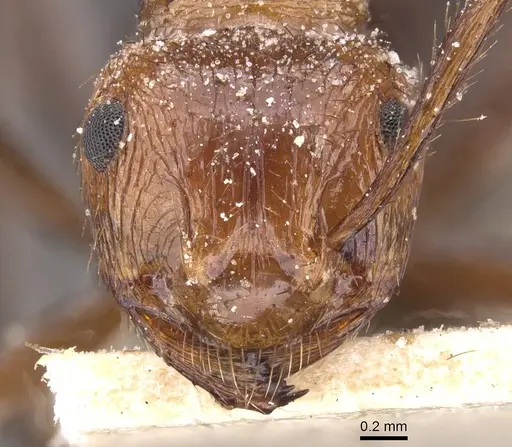
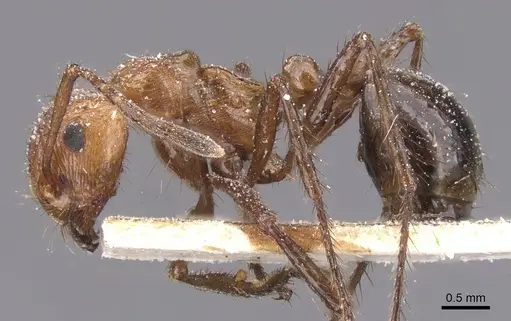
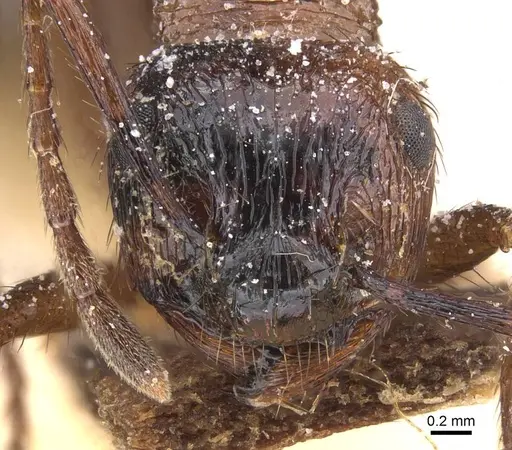
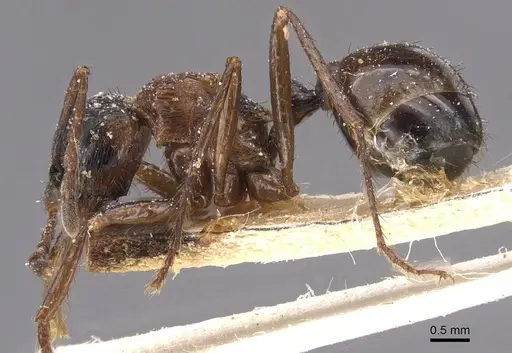
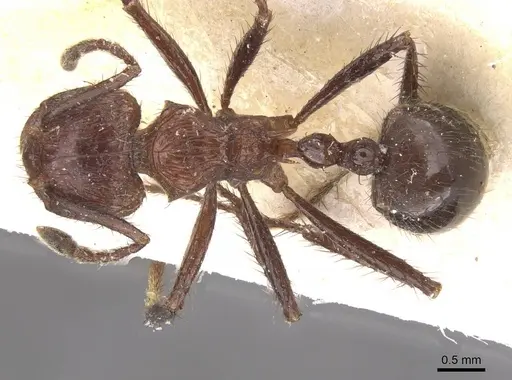
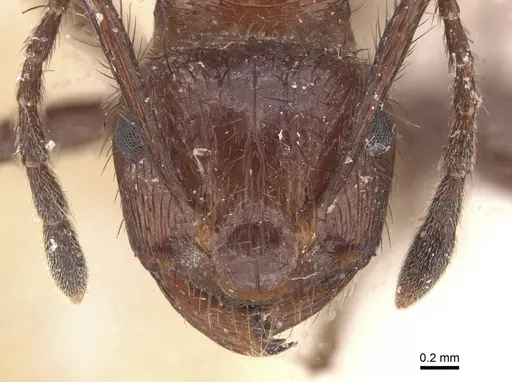
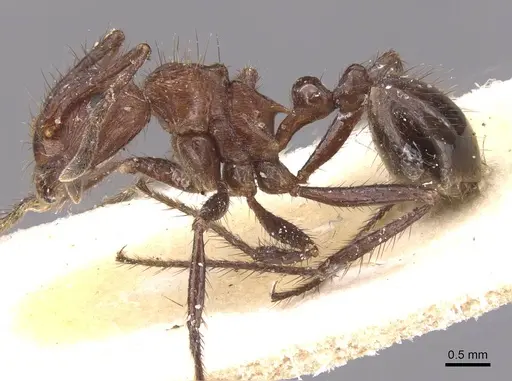
Myrmicaria distincta is a small to medium-sized ant species native to East Africa, specifically Kenya and Ethiopia . Workers have a distinctive appearance with an ochre-colored head and mesosoma that contrasts sharply with their dark brown gaster. The pronotum features longitudinal carinae without branching, while the propodeum shows additional longitudinal carinae when viewed from above. The nodes of the petiole and postpetiole are smooth . This species belongs to the Myrmicinae subfamily and the Solenopsidini tribe. As a host species for phoretic mites (Petalomium crossi and P. reductus), M. distincta has an interesting ecological relationship with these tiny arthropods that ride on the ants for dispersal .
Quick Summary
- Difficulty: Medium
- Origin & Habitat: East Africa, Kenya and Ethiopia. This species inhabits tropical to subtropical regions, typically nesting in soil or under stones in natural areas [1].
- Colony Type: Colony structure is unconfirmed. Specific data on queen number and colony organization is not available for this species.
- Size & Growth:
- Queen: Size data unavailable, no specific measurements exist for this species. Based on genus Myrmicaria patterns, queens likely fall in the 7-10mm range.
- Worker: Size data unavailable, no specific measurements exist for this species. Based on genus Myrmicaria patterns, workers likely fall in the 4-7mm range.
- Colony: Unknown maximum colony size for this species.
- Growth: Unknown, likely moderate based on genus patterns
- Development: Unknown, no specific development data exists for this species. (Development time is estimated from genus-level data, direct measurements for this species are unavailable)
- Antkeeping:
- Temperature: Keep at 24-28°C. As a tropical African species, they prefer warm conditions. A heating cable on one side of the nest creates a suitable gradient.
- Humidity: Moderate to high humidity. Keep the nest substrate consistently moist but not waterlogged. Provide a water source for drinking.
- Diapause: Likely minimal or no true diapause given their tropical origin. However, slight temperature reduction during winter months may be beneficial to simulate natural seasonal cycles.
- Nesting: In captivity, they do well in test tube setups for founding colonies, then transition to Y-tong or plaster nests with chambers scaled to their worker size. They prefer nests with some moisture retention.
- Behavior: Myrmicaria ants are typically active foragers with moderate aggression. Workers are diligent and will search for food actively. They likely forage in trails and can accept both protein sources and sugar water. Their small to medium size means they can squeeze through small gaps, use fine mesh and proper escape prevention. They have a stinger but are not known for particularly painful stings, though they will defend the colony if threatened.
- Common Issues: tropical species may struggle if temperatures drop below 22°C, escape prevention is important due to their active foraging behavior, slow colony growth can frustrate beginners, patience is key, wild-caught colonies may carry mites or parasites that affect captive health, overheating is a risk, avoid temperatures above 32°C
Nest Preferences
In the wild, Myrmicaria distincta nests in soil, often under stones or in shaded locations that provide moderate humidity [1]. For captive care, start with a standard test tube setup for the founding queen. Once the colony reaches 20-30 workers, you can transition to a Y-tong or plaster nest with multiple chambers. The nest should have chambers sized appropriately for their worker size, with some tight spaces they can feel secure in. Keep one area of the nest slightly moist and another slightly drier so they can self-regulate their humidity preferences.
Feeding and Diet
Myrmicaria ants are omnivorous, typical of the Solenopsidini tribe. Offer a varied diet including protein sources like small insects (fruit flies, pinhead crickets, mealworms) and sugar sources such as honey water or sugar water. Feed protein 2-3 times per week, and keep a sugar water source available at all times. Remove any uneaten prey after 24-48 hours to prevent mold. Given their tropical origin, they may have higher protein requirements for sustained growth. Observe your colony's preferences and adjust feeding frequency accordingly.
Temperature and Care
As a tropical African species, Myrmicaria distincta requires warm temperatures to thrive. Maintain nest temperatures between 24-28°C. Use a heating cable or heating mat on one side of the nest to create a gentle thermal gradient, allowing ants to move between warmer and cooler areas. Place the heating on top of the nest, not underneath, to prevent excessive drying. Room temperature may be sufficient if your home stays in the low-to-mid 20s°C range. Avoid temperatures below 22°C for extended periods, as this can slow colony development and potentially stress the ants. Monitor colony activity, if workers become sluggish, the nest may be too cool.
Behavior and Temperament
Myrmicaria distincta workers are active foragers that will establish trails to food sources. They are moderately defensive and will protect their nest if threatened, but they are not considered particularly aggressive toward keepers. Workers are diligent and persistent in their foraging, making them interesting to watch during feeding times. Their moderate size means they can be active without being overly destructive. Use standard escape prevention measures, while not the smallest ants, they are still capable of squeezing through small gaps, so ensure your setup has tight-fitting lids and consider using fluon on tube openings.
Colony Growth Timeline
Colony development specifics are unknown for this species. A founding queen would seal herself in a chamber and raise the first brood using stored energy reserves. The first workers (nanitics) will be smaller than mature workers but will begin foraging for food to support further growth. Colony growth is likely moderate, once the first nanitics arrive, the colony should begin expanding more steadily. Patience is essential, as Myrmicaria species do not grow as rapidly as some tropical ants.
Frequently Asked Questions
How long does it take for Myrmicaria distincta to produce first workers?
Unknown, no specific development data exists for this species. Based on related Myrmicinae species, expect several months from egg to first worker at optimal temperatures.
What temperature do Myrmicaria distincta ants need?
Keep them at 24-28°C. As a tropical African species, they need warm conditions. A heating cable on one side of the nest creates a suitable gradient.
Can I keep multiple Myrmicaria distincta queens together?
Not recommended. There is no documented evidence that this species accepts multiple queens. Combining unrelated queens of this species has not been studied and likely would result in aggression.
What do Myrmicaria distincta eat?
They are omnivorous. Offer protein sources like small insects (fruit flies, mealworms) 2-3 times per week and keep sugar water or honey available at all times.
Are Myrmicaria distincta good for beginners?
They are rated as medium difficulty. They require warm temperatures and consistent care, but their basic needs are straightforward. Beginners should be prepared for moderate growth rates and patience requirements.
When should I move Myrmicaria distincta to a formicarium?
Start in a test tube setup for the founding queen. Once the colony reaches 20-30 workers and the test tube shows signs of drying or crowding, transition to a Y-tong or plaster nest.
Do Myrmicaria distincta need hibernation?
Likely no true hibernation is required due to their tropical origin. However, a slight temperature reduction (2-4°C) during winter months may be beneficial to simulate natural seasonal cycles.
How big do Myrmicaria distincta colonies get?
Unknown, no data exists on maximum colony size for this species.
Why are my Myrmicaria distincta dying?
Common causes include temperatures below 22°C, excessive dryness, or poor nutrition. Check that your setup maintains proper warmth and humidity, and ensure they have access to both protein and sugar sources.
Report an Issue
The current care sheet is based fully on literature. See inconsistencies, or something that's incorrect? Please , it will be resolved after review from an admin. Contributing to the blogs tab also helps providing information, to make us be able to further improve the caresheets. Thank you for your support!
References

Cette fiche d'élevage est sous licence CC BY-SA 4.0 .
Blogs de la communauté
Littérature
Chargement de la carte de répartition...Chargement des produits...