
Myrmica tamarae
- Nom sci.
- Myrmica tamarae
- Tribu
- Myrmicini
- Sous-famille
- Myrmicinae
- Auteur
- Elmes <i>et al.</i>, 2002
- Distribution
- Trouvé dans 0 pays
Introduction
Myrmica tamarae is a dark reddish-brown ant species belonging to the Myrmica genus, specifically the excelsa-complex. Workers have distinctive coarse rugae (ridge-like structures) on the head - typically no more than 10 sinuous rugae between the frontal carinae, which helps distinguish them from similar species like Myrmica transsibirica. A notable morphological feature is the lateral portion of the clypeus raised into a sharp ridge in front of the antennal insertions - an uncommon trait in the genus Myrmica previously known only from two Far Eastern species. Males have never been collected . This species is extremely rare in the antkeeping hobby, having been found only in high mountain meadows of East Anatolia in Turkey at elevations between 2250 and 2800 meters in the Palandoken mountain range. What makes M. tamarae particularly interesting is its extreme habitat specialization - these ants live in cold, alpine environments that experience harsh winters, making them well-adapted to cool conditions.
Quick Summary
- Difficulty: Medium
- Origin & Habitat: Erzurum Province, Turkey (East Anatolia), high mountain meadows at 2250-2800m elevation in the Palandoken mountain range [1][2]. The cold, temperate alpine environment has distinct seasons.
- Colony Type: Likely single-queen colonies based on typical excelsa-complex patterns, inferred from genus
- Size & Growth:
- Queen: size data unavailable, inferred from Myrmica genus (~5-8mm)
- Worker: size data unavailable, inferred from Myrmica genus (~4-6mm)
- Colony: Likely up to several hundred workers, inferred from Myrmica genus patterns
- Growth: Moderate, slower than lowland species due to cold-adapted biology
- Development: Estimated 8-12 weeks at optimal temperature, inferred from related Myrmica species (Development is likely slower than typical Myrmica due to cold-adapted nature)
- Antkeeping:
- Temperature: Keep cool, aim for 15-22°C range. These high-altitude ants prefer cooler conditions than most Myrmica. Room temperature (18-22°C) is typically suitable, but avoid overheating above 25°C.
- Humidity: Moderate humidity (50-70%). Mountain meadow habitat suggests they prefer well-ventilated conditions with damp but not waterlogged substrate. Allow the nest to partially dry between waterings.
- Diapause: Yes, mandatory winter dormancy period of 3-4 months at 5-10°C. This cold-adapted species requires proper hibernation to trigger reproductive cycles and maintain colony health.
- Nesting: Y-tong (AAC) or test tube setups work well. Provide a moisture reservoir but ensure good ventilation. The species likely nests in soil or under stones in nature, captive colonies do well with compact chambers scaled to their worker size.
- Behavior: Workers are moderately active and typically non-aggressive toward keepers. They show typical Myrmica foraging behavior, actively searching for small prey and sugar sources. Escape risk is moderate, standard barrier methods (Fluon, fine mesh) are sufficient. Workers have a functional stinger but rarely use it unless provoked. They are diurnal foragers, most active during cooler parts of the day in captivity.
- Common Issues: cold stress from overheating, keep them cool, never above 25°C, colonies failing to produce alates without proper hibernation cycles, slow growth can lead to overfeeding and mold problems in founding colonies, limited genetic diversity in captive stocks due to restricted wild distribution, difficulty obtaining this species as it's rarely available in the antkeeping trade
Housing and Nest Setup
Myrmica tamarae does well in standard antkeeping setups. For founding colonies, a test tube setup with a water reservoir works perfectly, the queen seals herself in and raises her first brood in the humid microclimate of the tube. Once the colony reaches 15-20 workers, you can move them to a Y-tong (AAC) nest or a naturalistic setup. Because they come from well-ventilated mountain meadows, ensure your setup has adequate air flow. Avoid fully sealed nests without ventilation. A moisture reservoir connected to the nest helps maintain humidity, but allow some drying time between waterings to prevent mold. Keep the nest area relatively cool, these ants do not tolerate heat well.
Feeding and Diet
Like most Myrmica species, M. tamarae is omnivorous with a preference for protein. Offer small live prey such as fruit flies, pinhead crickets, or mealworms, appropriately sized to the worker size. They also accept sugar sources like honey water or sugar water, though protein should form the majority of their diet. Feed small amounts 2-3 times per week for established colonies, removing any uneaten prey after 24 hours to prevent mold. During founding, the queen will not eat, she relies on stored fat reserves until her first workers emerge. Once workers are present, they will forage for food outside the nest.
Temperature and Seasonal Care
This is the most critical aspect of keeping M. tamarae successfully. Being a high-altitude species from the Turkish mountains, they require cool conditions year-round. Keep the nest area between 15-22°C, with room temperature typically being ideal. Never use heating mats or cables with this species, overheating is a common killer. During summer months, ensure they are not in direct sunlight or in rooms that get warm. In winter, you must provide a proper diapause (hibernation) period of 3-4 months at 5-10°C. Place the colony in an unheated garage, basement, or refrigerator (not freezer) during winter. This hibernation period is essential for triggering reproductive cycles, colonies that are kept warm year-round often fail to produce alates (reproductives).
Colony Development and Growth
Myrmica tamarae colonies grow moderately, with the queen laying eggs throughout the warm season. The first workers (nanitics) are typically smaller than mature workers and appear 8-12 weeks after the eggs are laid, though exact timing depends on temperature. Cooler conditions will slow development significantly. Colonies likely reach several hundred workers over several years. Mature colonies produce alates (reproductives) annually if properly hibernated. The colony structure is likely single-queen (monogyne), with the queen being the sole egg-layer.
Behavior and Handling
Workers of M. tamarae are active foragers with typical Myrmica behavior, they search systematically for food and communicate discoveries to nestmates. They are not particularly aggressive and rarely sting unless directly threatened. When threatened, they may use their stinger, but the sting is mild for humans. They are good escape artists for their size, so ensure your setup has proper barriers. Fluon applied to the edges of the outworld works well. These ants are diurnal, with peak activity during cooler parts of the day. They do not exhibit unusual behaviors like slave-making or temporary parasitism, they are straightforward, native Myrmica that establish and maintain simple single-queen colonies.
Frequently Asked Questions
How long does it take for Myrmica tamarae to produce first workers?
Expect 8-12 weeks from egg to first worker at optimal temperatures (around 18-22°C). Cooler temperatures will extend this timeline significantly. The queen likely seals herself in and raises the first brood without leaving the nest.
Do Myrmica tamarae need hibernation?
Yes, hibernation is mandatory. Provide a 3-4 month dormancy period at 5-10°C during winter. Without this cold period, colonies may fail to produce reproductives and can have shortened lifespans. This species is well-adapted to cold due to its high-altitude habitat.
What temperature is best for Myrmica tamarae?
Keep them cool, aim for 15-22°C. Room temperature is usually ideal. Never exceed 25°C. These high-altitude ants are cold-adapted and do poorly in warm conditions. Avoid any heating equipment.
Can I keep multiple Myrmica tamarae queens together?
No, this species likely forms single-queen (monogyne) colonies. Combining unrelated queens will likely result in fighting. Only one queen per colony should be kept.
How big do Myrmica tamarae colonies get?
Colonies likely reach several hundred workers over several years. Exact maximum size is not documented, but expect moderate-sized colonies typical of Myrmica species.
What do Myrmica tamarae eat?
They are omnivorous with a protein preference. Feed small live prey (fruit flies, small crickets, mealworms) 2-3 times weekly. They also accept sugar sources like honey water. Remove uneaten prey promptly.
Are Myrmica tamarae good for beginners?
They are moderate difficulty, not the easiest but not expert-level. The main challenge is providing proper cool temperatures and annual hibernation. If you can maintain cool room temperatures and provide winter dormancy, they are manageable.
Do Myrmica tamarae ants sting?
Yes, they have a stinger but rarely use it. The sting is mild for humans, comparable to a minor bee sting. They are not considered dangerous and are generally calm toward keepers.
When should I move Myrmica tamarae from a test tube to a formicarium?
Move them once the colony reaches 15-30 workers and the test tube shows signs of degradation (mold, debris buildup). A Y-tong or naturalistic setup with good ventilation works well for this species.
Why are my Myrmica tamarae dying?
Common causes include: overheating (keep below 25°C), improper humidity (too wet causes mold, too dry causes desiccation), lack of hibernation, or poor nutrition. Check temperature first, this species is very sensitive to heat.
Report an Issue
The current care sheet is based fully on literature. See inconsistencies, or something that's incorrect? Please , it will be resolved after review from an admin. Contributing to the blogs tab also helps providing information, to make us be able to further improve the caresheets. Thank you for your support!
References

Cette fiche d'élevage est sous licence CC BY-SA 4.0 .
Blogs de la communauté
CASENT0917527
Voir sur AntWeb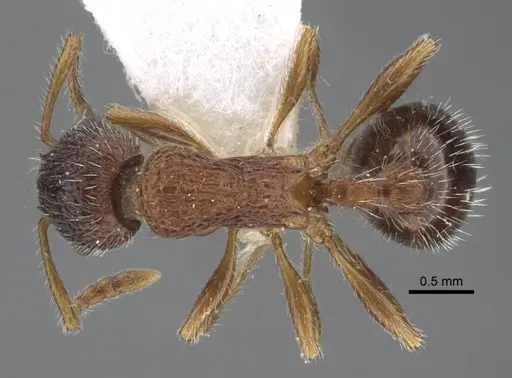
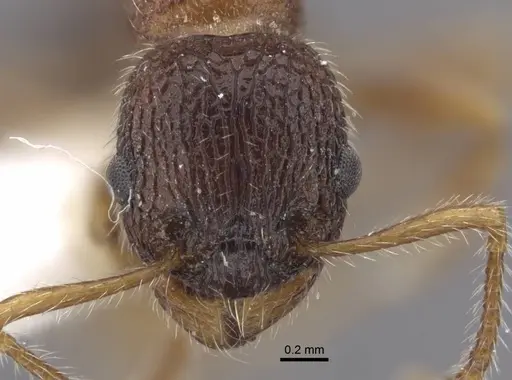
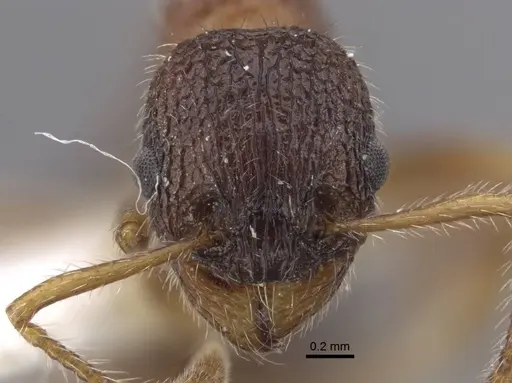
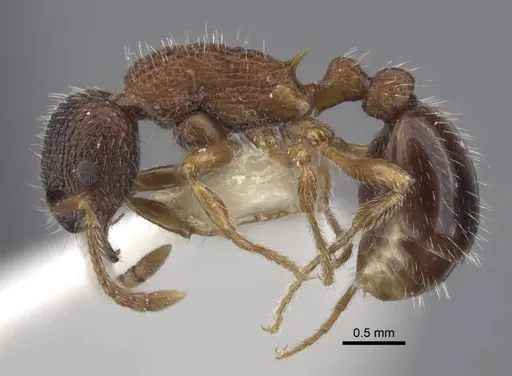
Littérature
Chargement de la carte de répartition...Chargement des produits...