
Monomorium nigricans
- Nom sci.
- Monomorium nigricans
- Tribu
- Solenopsidini
- Sous-famille
- Myrmicinae
- Auteur
- Heterick, 2006
- Distribution
- Trouvé dans 1 pays
Introduction
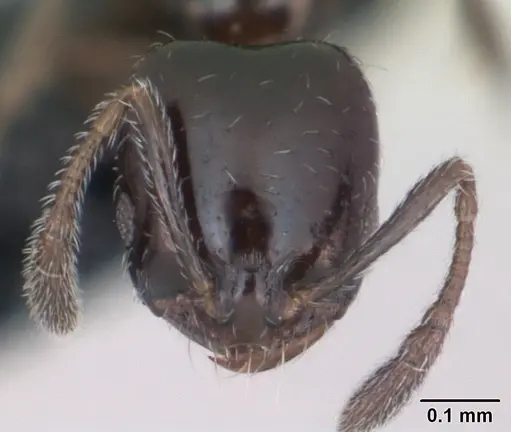
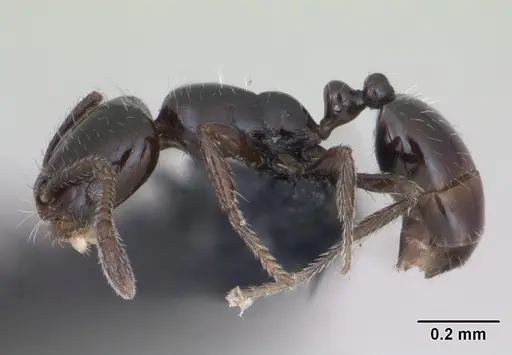
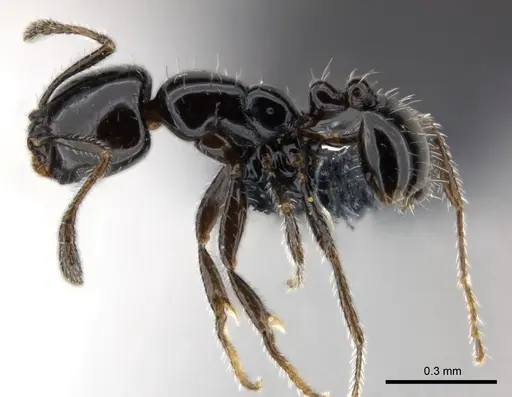
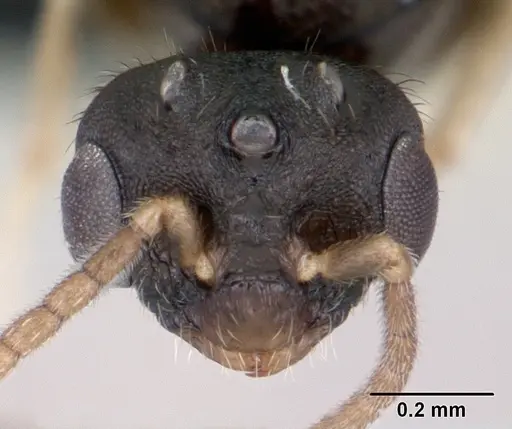
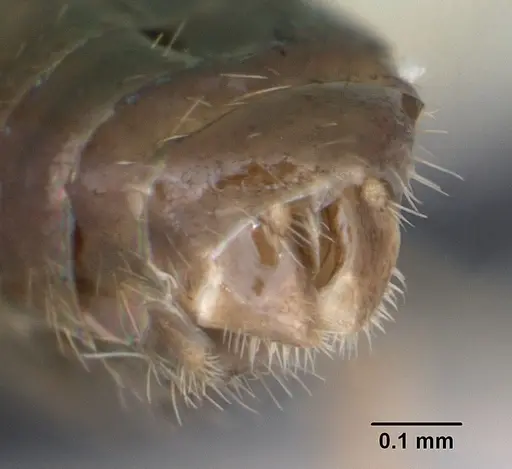
Monomorium nigricans is a tiny ant species endemic to Madagascar, specifically found in the Toliara Province in the southern region. Workers have a dark reddish-brown to almost black coloration, and unlike most Monomorium species, they possess 11 antennal segments instead of the typical 12 - a trait they share only with Monomorium exiguum . This species belongs to the M. exiguum species complex and has been collected from sifted litter, ground foraging, and nests in dead twigs in spiny forest and dry deciduous forest habitats .
Quick Summary
- Difficulty: Medium
- Origin & Habitat: Monomorium nigricans is native to Madagascar, specifically the Toliara Province in the south. It inhabits spiny forest, gallery forest, and tropical dry deciduous forests [1][2]. The spiny forest is characterized by thorny vegetation and relatively dry conditions.
- Colony Type: Colony structure is unconfirmed. Workers have been collected individually from various sampling methods, suggesting small colony sizes typical of litter-dwelling ants.
- Size & Growth:
- Queen: size data unavailable, no queen measurements exist in the literature
- Worker: size data unavailable, the literature provides head measurements (HW 0.34-0.38mm) but not total body length
- Colony: small colonies based on collection patterns
- Growth: Unknown
- Development: unconfirmed, no development data exists for this species (Development timeline has not been studied)
- Antkeeping:
- Temperature: Keep around 24-28°C. Madagascar is tropical and this species comes from warm, relatively dry forest habitats.
- Humidity: Moderate, aim for 50-70% humidity. The spiny forest habitat is drier than typical rainforests.
- Diapause: No, as a tropical species, they do not require hibernation. Keep them at stable warm temperatures year-round.
- Nesting: In nature they nest in dead twigs, leaf litter, and soil. In captivity, a small test tube setup works well for founding colonies. For established colonies, a small Y-tong (AAC) or plaster nest with narrow chambers scaled to their tiny size is appropriate.
- Behavior: These ants are small and active foragers. Workers collect food from the ground and low vegetation. They are not aggressive and likely flee from threats. Their tiny size means they can squeeze through very small gaps, excellent escape prevention is essential.
- Common Issues: escape prevention is critical due to their extremely small size, slow growth means colonies may appear stagnant for months, wild-caught colonies may have parasites or collection stress, test tube setups must have appropriately sized water reservoirs, they are sensitive to temperature drops, keep away from cold drafts
Housing and Nest Setup
Monomorium nigricans is a tiny ant species, so housing must be scaled accordingly. For founding colonies, a standard test tube setup works well, ensure the water reservoir is appropriately sized. The tube should be dark to simulate the dark crevices and dead twigs they naturally nest in. Once the colony reaches 20-30 workers, you can move them to a small formicarium. A Y-tong (AAC) nest with narrow chambers or a small plaster nest is ideal. The chambers should be tight, these ants feel secure in small, enclosed spaces. An outworld of just a few centimeters is sufficient. Because they are so small, even tiny gaps can become escape routes. Apply Fluon or another barrier to all edges. [1]
Feeding and Diet
In the wild, these ants forage on the ground and low vegetation, likely collecting small insects, honeydew, and nectar. In captivity, offer small protein sources like fruit flies, pinhead crickets, or tiny mealworms. Since they are so small, prey items should be appropriately sized. Sugar water or honey can be offered occasionally. A constant water source is essential. Feed small amounts every few days and remove any uneaten prey to prevent mold. [1]
Temperature and Humidity
As a Madagascar species from tropical dry forests, Monomorium nigricans prefers warm conditions. Keep the nest at 24-28°C, with a slight gradient if possible. A small heating cable placed on top of the nest helps maintain warmth. For humidity, aim for 50-70%, they come from relatively drier forest types. The nest substrate should be slightly moist but never waterlogged. A water tube provides drinking water and helps maintain humidity. Avoid placing the nest near air conditioning vents or drafty windows. [1][2]
Handling and Observation
These ants are not suited for hands-on handling, they are far too small and delicate. Observation is best done through the nest walls. They are relatively active foragers, so you will see workers regularly in the outworld searching for food. Their small size and dark coloration make them somewhat challenging to observe. They are not aggressive and do not have a painful sting, so there is no danger if they escape. However, because they are so small, recapturing escaped workers is nearly impossible. Focus on excellent escape prevention. [1]
Colony Development Expectations
Realistic expectations are important with this species. Colonies will likely remain small. Growth will be slow compared to larger ant species. The first workers may take several months to appear after the queen lays eggs, depending on temperature and feeding. Do not disturb the founding chamber frequently, queens need stability to succeed. Once workers arrive, colony growth remains gradual. Patience is essential.
Seasonal Care
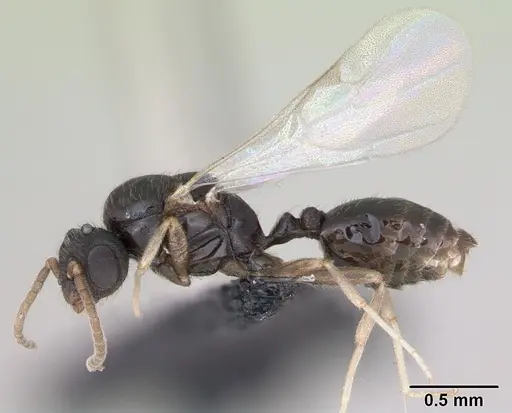
Monomorium nigricans does not require hibernation or diapause. They come from a tropical climate without cold winters. Keep their setup at consistent temperatures year-round. Avoid any cooling periods as these can harm the colony. If your home experiences seasonal temperature changes, use heating to maintain stable conditions. There is no seasonal breeding cycle to account for, reproduction likely occurs year-round in warm conditions. Males have been collected in malaise traps, suggesting nuptial flights occur during warm, humid periods, but exact timing is unknown. [1]
Frequently Asked Questions
How long does it take for Monomorium nigricans to produce first workers?
The exact timeline is unconfirmed, no development data exists for this species.
Can I keep Monomorium nigricans in a test tube?
Yes, test tubes work well for founding colonies. Use an appropriately sized water reservoir and ensure the cotton is packed snugly to prevent flooding. Cover the tube with a dark sleeve to mimic their natural dark nesting sites. Once the colony reaches 20-30 workers, consider moving to a small formicarium.
What do Monomorium nigricans eat?
They likely accept small insects and may take sugar water or honey. Feed small prey items appropriate to their tiny size. Remove uneaten food promptly to prevent mold.
Are Monomorium nigricans good for beginners?
This species is rated Medium difficulty. While their care requirements are straightforward, their tiny size makes escape prevention challenging and colony growth is slow. Beginners may struggle with patience and may accidentally overfeed or disturb founding colonies.
How big do Monomorium nigricans colonies get?
Colony size is not documented in the literature. Based on typical litter-dwelling Monomorium and their small worker size, colonies likely remain small.
Do Monomorium nigricans need hibernation?
No. As a tropical Madagascar species, they do not require hibernation. Keep them warm year-round at 24-28°C. Temperature drops can stress or kill colonies.
Why are my Monomorium nigricans dying?
Common causes include temperature too cold, escape and starvation, overfeeding causing mold, disturbance of founding chamber, or stress from wild collection. Ensure stable warmth, excellent escape prevention, and minimal disturbance during founding.
When should I move Monomorium nigricans to a formicarium?
Move them when the test tube becomes crowded or the water reservoir is depleted, typically when the colony reaches 20-40 workers. They prefer small, tight chambers.
Can I keep multiple Monomorium nigricans queens together?
The colony structure is unconfirmed, no data exists on whether they are single-queen or multi-queen colonies. Do not combine unrelated queens as this has not been studied and may result in fighting.
What temperature is ideal for Monomorium nigricans?
Keep nest temperatures between 24-28°C. A slight gradient allowing workers to choose warmer or cooler areas is ideal. Avoid temperatures below 20°C.
Where is Monomorium nigricans found in the wild?
This species is endemic to Madagascar, specifically the Toliara Province in the south. It lives in spiny forest, gallery forest, and tropical dry deciduous forests.
Report an Issue
The current care sheet is based fully on literature. See inconsistencies, or something that's incorrect? Please , it will be resolved after review from an admin. Contributing to the blogs tab also helps providing information, to make us be able to further improve the caresheets. Thank you for your support!
References

Cette fiche d'élevage est sous licence CC BY-SA 4.0 .
Blogs de la communauté
CASENT0020200
Voir sur AntWeb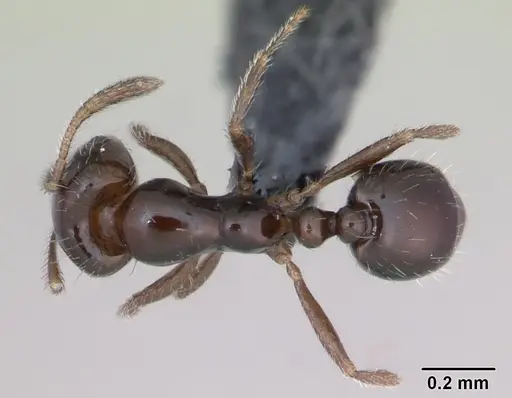
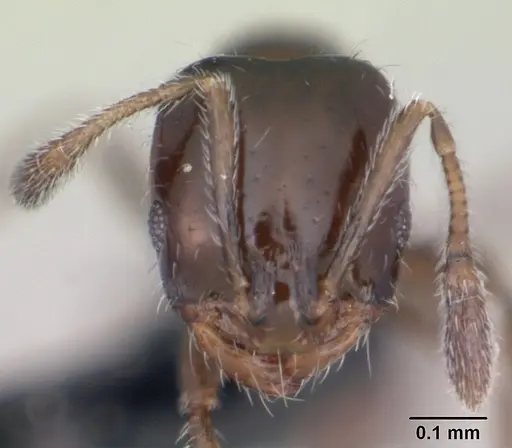
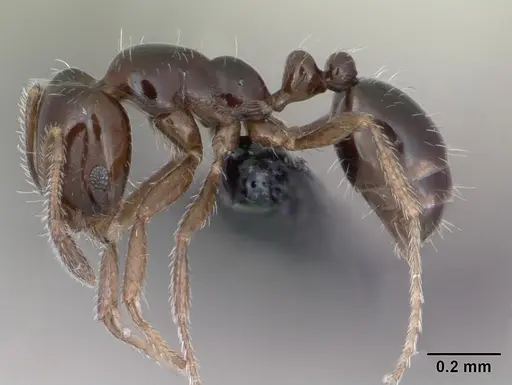
CASENT0079066
Voir sur AntWeb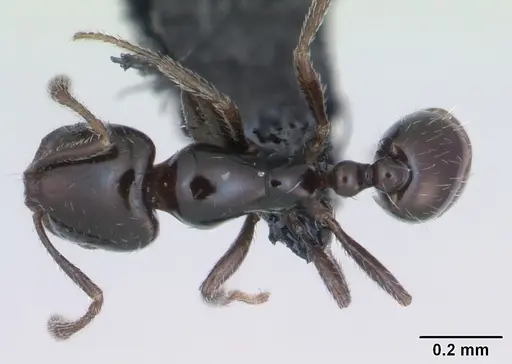
CASENT0147100
Voir sur AntWeb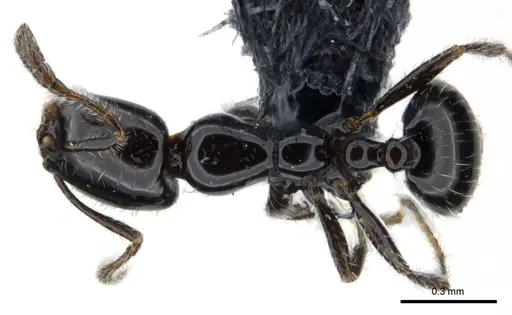
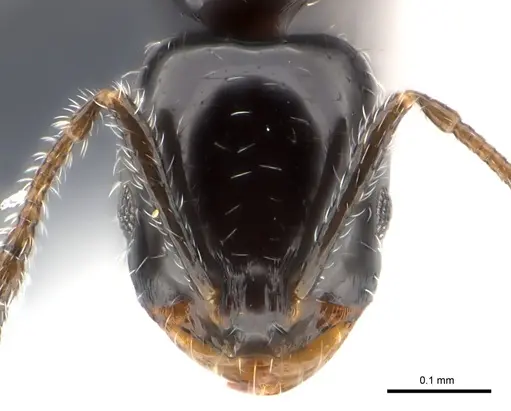
CASENT0440974
Voir sur AntWeb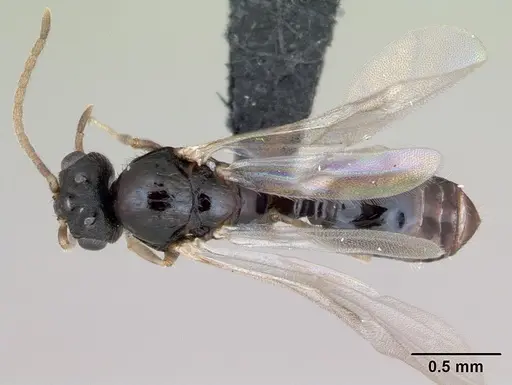
Littérature
Chargement de la carte de répartition...Chargement des produits...