
Messor boyeri
- Nom sci.
- Messor boyeri
- Tribu
- Stenammini
- Sous-famille
- Myrmicinae
- Auteur
- Cagniant, 2006
- Distribution
- Trouvé dans 0 pays
Introduction
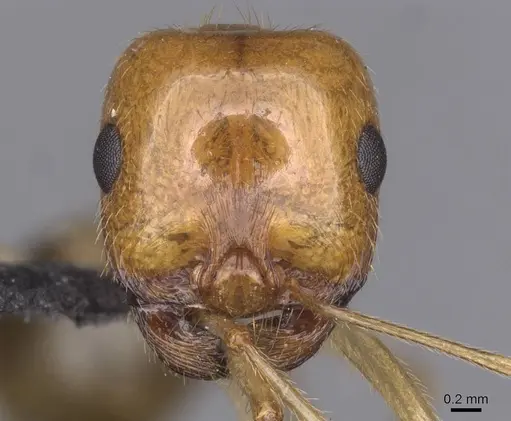
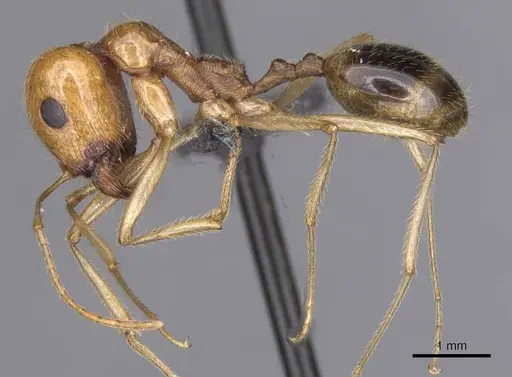
Messor boyeri is a polymorphic seed-harvesting ant from Morocco, first described in 2006. Workers range from 4.5-10.2mm with a distinctive slender, elongated body and long legs and antennae. The head is nearly square, and the overall coloration is brownish with a brown-black gaster that has a slightly lighter base. This species lacks the psammophore found in some related Messor species. Queens are 10.2-10.5mm, while males are smaller at 5.6-6.2mm and entirely black. What makes this species stand out is its extremely limited known distribution - it has only been documented from a single locality in the Western Bani region of southern Morocco. The species appears closely related to Aphaenogaster, suggesting an ancient evolutionary position within the Stenammini tribe .
Quick Summary
- Difficulty: Medium
- Origin & Habitat: Western Bani region of southern Morocco, around 800m elevation. This is a Saharan zone with temperate winters and less than 200mm annual rainfall. The habitat features sandy substrate with stones, desert Saharan vegetation, and nests are embedded in roadbed stones [1].
- Colony Type: Colony structure unconfirmed, the type series included 11 queens, but this may represent multiple colonies or mating swarm preparation rather than permanent polygyny. Polymorphic colony with major and minor workers [1].
- Size & Growth:
- Queen: 10.2-10.5 mm [1]
- Worker: 4.5-10.2 mm (polymorphic major/minor workers) [1]
- Colony: Unknown, no data available on maximum colony size
- Growth: Moderate
- Development: Estimated 6-10 weeks based on related Messor species in warm climates (Development time inferred from genus patterns, actual timing for this species is unconfirmed. Major workers likely take longer to develop than minor workers.)
- Antkeeping:
- Temperature: 25-30°C. Provide a thermal gradient so ants can choose their preferred temperature. Heating cable on one side of nest works well [1].
- Humidity: Low to moderate, keep nest substrate slightly moist but allow to dry between waterings. Avoid damp, stagnant conditions. Provide a water tube but do not over-moisten the nest [1].
- Diapause: Likely, species experiences temperate winters in its native habitat. Provide a cool period (15-18°C) for 2-3 months during winter months, reducing food and activity [1].
- Nesting: Y-tong (AAC) nests work well. The original description notes they nest in roadbed stones, a naturalistic setup with stones over substrate can also work. Provide narrow chambers scaled to their size. They are endogeic (ground-nesting) and likely prefer darker nest conditions [1].
- Behavior: Probably nocturnal and endogeic (ground-nesting) based on large eyes observed in specimens. Workers flee deeply into the nest when disturbed rather than emerging aggressively. Granivore diet confirmed by seeds and plant stems found in nest cavities. Likely less aggressive than some Messor species due to their secretive nature. Escape risk is moderate, use standard test tube or formicarium barriers [1].
- Common Issues: limited distribution means captive colonies are rare, ensure source is ethical and legal, granivore diet requires seed offerings, they may ignore sugar water and prefer seeds, nocturnal nature means you may not see much activity during daylight hours, polymorphic colony with majors may need larger prey items that minors cannot handle, dry habitat requirements mean over-moisture is a common killer of colonies
Housing and Nest Setup
Messor boyeri does well in Y-tong (AAC) nests or naturalistic setups. In the wild, they nest in roadbed stones with sandy substrate, so a naturalistic setup with a layer of sandy soil and flat stones on top can mimic their natural environment. However, Y-tong nests are easier to maintain and observe. Provide chambers scaled to the polymorphic worker sizes, larger chambers for majors, smaller for minors. Since they are endogeic (ground-nesting) and likely nocturnal, they prefer darker nest conditions. Cover the nest with an opaque wrapper or place it in a shaded area. A water tube should always be available, but avoid over-moistening the substrate, these are desert-adapted ants that prefer drier conditions [1].
Feeding and Diet
As a granivore, Messor boyeri primarily eats seeds, this was confirmed in the original description where seeds and plant stems were found directly in nest cavities. Offer a variety of seeds including grass seeds, millet, and bird seed mixes. They will also accept protein sources like small insects (fruit flies, small crickets, mealworms). Sugar water or honey may be accepted but is not their primary food source, some Messor species ignore sugary liquids entirely. Feed seeds constantly available, and offer protein 1-2 times per week. Remove uneaten seeds periodically to prevent mold. The polymorphic colony means larger majors can handle bigger seeds and prey items that minor workers cannot manage alone [1][3].
Temperature and Seasonal Care
Keep the nest at 25-30°C, providing a thermal gradient so ants can regulate their own temperature. Being from a Saharan zone with temperate winters, they need warmth to maintain activity and brood development. A heating cable on one side of the nest works well, place it on top of the nest rather than underneath to avoid excessive drying. During winter (roughly November-February in the Northern Hemisphere), reduce temperature to 15-18°C for a diapause period. During diapause, reduce feeding to once every 2-3 weeks and minimize disturbance. Return to warm conditions in spring to stimulate egg-laying. The original collection was at approximately 800m elevation in an area with less than 200mm annual rainfall, they are adapted to warm, dry conditions [1].
Colony Structure and Growth
Messor boyeri is highly polymorphic with three distinct worker size classes: large majors, medium workers, and small minors. This polymorphism is more pronounced than in many other Messor species. Major workers have larger, more square heads and handle larger seeds, while minors handle smaller tasks and food items. The colony structure is unclear, the type series included 11 queens, but this may represent specimens collected during swarming preparation rather than permanent polygyny. Growth is moderate. Colonies likely reach several hundred workers over time, though exact maximum size is unknown [1].
Behavior and Observation
This species is probably nocturnal and secretive, the original description notes no workers were found outside the nest at 14:00 (2pm), and those collected quickly fled into the depths of the nest. They are not aggressive foragers and prefer to stay hidden. When disturbed, workers retreat rather than engage. This makes them less exciting to observe than some more active species, but their interesting polymorphic caste system and seed-harvesting behavior make them worthwhile. The large eyes suggest adaptation to low-light conditions. Males and sexuals were found under stones near the nest entrance, apparently preparing for nuptial flights, this suggests swarming occurs during specific seasonal conditions [1].
Frequently Asked Questions
How long does it take for Messor boyeri first workers to appear?
Estimated 6-10 weeks from egg to first worker at optimal temperature (25-30°C). This is based on related Messor species in warm climates, actual timing for this species is unconfirmed. Major workers likely take longer than minor workers [1].
What do Messor boyeri ants eat?
They are granivores, offer a variety of seeds (grass seeds, millet, bird seed mixes). They also accept small insects for protein. Sugar water may be accepted but is not required. Seeds should be constantly available [1].
Can I keep multiple Messor boyeri queens together?
The colony structure is unconfirmed. The type series included 11 queens, but this may represent specimens collected during swarming preparation rather than permanent multiple-queen colonies. It is unclear whether established colonies maintain multiple queens long-term [1].
Do Messor boyeri ants need hibernation?
Likely, they need a cool period during winter. Reduce temperature to 15-18°C for 2-3 months (roughly November-February), reduce feeding, and minimize disturbance. This matches their natural habitat in Morocco where winters are temperate [1].
What temperature should I keep Messor boyeri at?
Keep nest at 25-30°C with a thermal gradient. Use a heating cable on one side of the nest (on top, not underneath) to create warm and cooler zones. They are a warm-climate Saharan species [1].
Are Messor boyeri good for beginners?
They are intermediate difficulty. Their specific temperature and humidity requirements (warm and dry) require some attention. Their secretive, nocturnal nature may be less engaging than more active species [1].
How big do Messor boyeri colonies get?
Colony size is not precisely documented. Likely reaches several hundred workers based on typical Messor patterns, but no specific data is available for this species [1].
Why are my Messor boyeri not active during the day?
This species is likely nocturnal. The original description notes workers were not found outside at 14:00 hours, and they have relatively large eyes suggesting low-light adaptation. They will be most active at night or in dim conditions [1].
What humidity do Messor boyeri need?
Low to moderate humidity, they are from a Saharan zone with less than 200mm annual rainfall. Keep nest substrate slightly moist but allow to dry between waterings. Avoid damp, stagnant conditions that can cause mold [1].
Do Messor boyeri sting?
Messor ants have stingers but rarely use them. This species is not known to be aggressive and typically retreats when disturbed. Any sting would likely be mild due to their size [3].
Report an Issue
The current care sheet is based fully on literature. See inconsistencies, or something that's incorrect? Please , it will be resolved after review from an admin. Contributing to the blogs tab also helps providing information, to make us be able to further improve the caresheets. Thank you for your support!
References

Cette fiche d'élevage est sous licence CC BY-SA 4.0 .
Blogs de la communauté
CASENT0913164
Voir sur AntWeb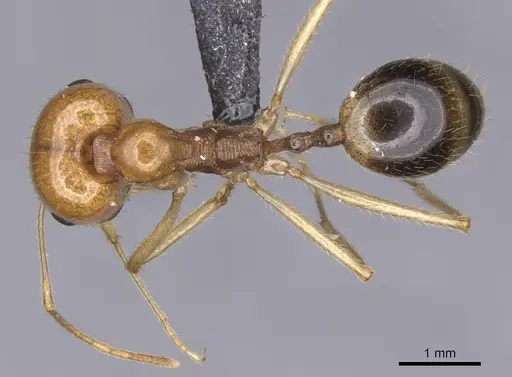
Littérature
Chargement de la carte de répartition...Chargement des produits...