
Messor aralocaspius
- Nom sci.
- Messor aralocaspius
- Tribu
- Stenammini
- Sous-famille
- Myrmicinae
- Auteur
- Ruzsky, 1902
- Distribution
- Trouvé dans 4 pays
Introduction
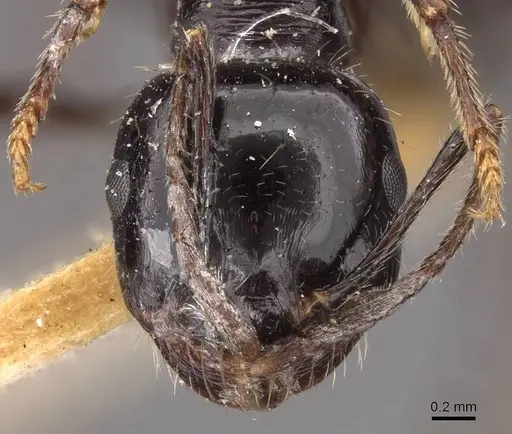
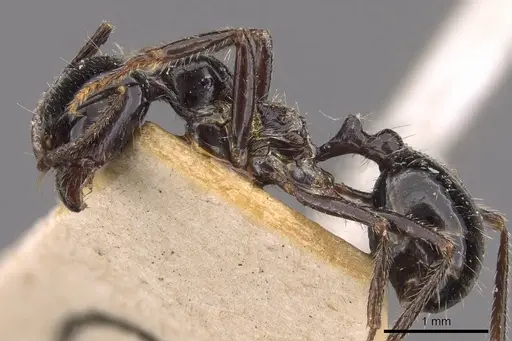
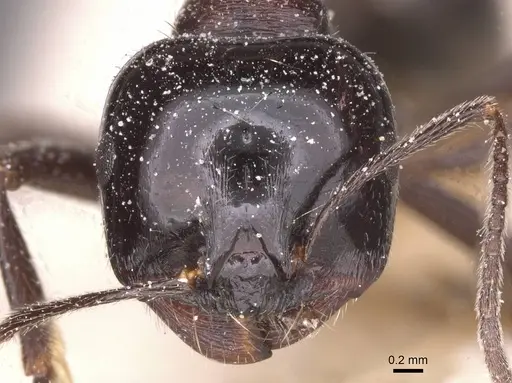
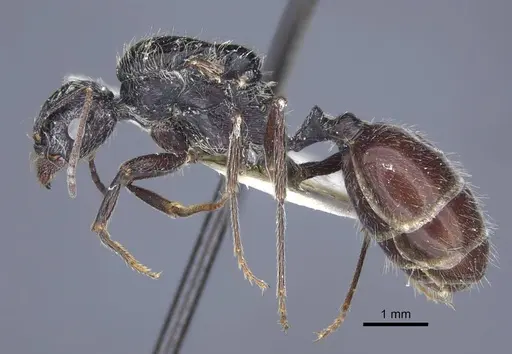
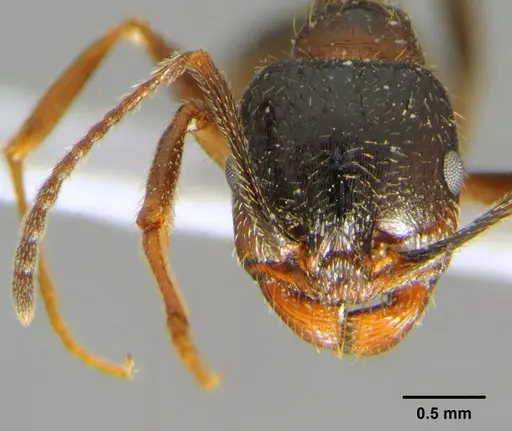
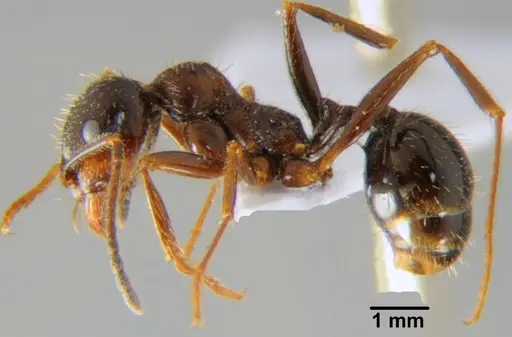
Messor aralocaspius is a harvester ant found in Central Asia and the Arabian highlands, with records from Iran, Saudi Arabia, Iraq, and China . It has a distinctive appearance with a striated head and body, long pale hairs, and a moderately developed psammophore for carrying seeds and sand . Nests are large crater structures that can reach deep underground, sometimes over 10 meters . This species is adapted to desert zones and constructs extensive tunnel systems .
Quick Summary
- Difficulty: Medium
- Origin & Habitat: Found in desert zones across Central Asia, including Iran, Kuwait, Saudi Arabia, Yemen, Kyrgyzstan, Turkmenistan, Mongolia, Afghanistan, and northwestern China, from sea level up to 950m altitude [1][6][2].
- Colony Type: Unconfirmed, no specific research on colony structure for this species
- Size & Growth:
- Queen: Size data unavailable, no total length measurements in research
- Worker: Size data unavailable, no total length measurements in research
- Colony: Colonies can become large with nest volumes up to 14,075 cm³ [5]
- Growth: Moderate
- Development: Estimated 8-12 weeks based on typical Messor genus patterns (Development time inferred from genus patterns, direct measurements unavailable)
- Antkeeping:
- Temperature: Keep warm, around 22-26°C, as they are desert-adapted
- Humidity: Keep nest substrate dry with occasional moisture, as they prefer arid conditions [5][6]
- Diapause: Yes, based on temperate distribution, provide winter rest at 10-15°C for 2-3 months [1][6]
- Nesting: Prefer deep nests with dry conditions, such as Y-tong or plaster formicariums [5][1]
- Behavior: Calm and non-aggressive foragers that harvest seeds. They use a psammophore to carry seeds and sand, and retreat when disturbed. Escape risk is moderate due to their medium size [5][4]
- Common Issues: colonies may fail if kept too humid, these are desert species prone to mold in damp conditions [5], winter dormancy is required, skipping hibernation can weaken colonies over time [1][6], seed storage behavior means they may ignore fresh protein initially, offer a variety of seeds, deep-nesting instinct may cause stress in shallow nests, provide adequate depth [5], wild-caught colonies may have parasites that require treatment
Nest Preferences and Housing
You should provide deep nests for Messor aralocaspius, as they naturally build large crater nests that can reach groundwater at depths over 10 meters [5]. Use Y-tong or plaster formicariums with dry conditions and good ventilation to prevent mold. They prefer tight-fitting chambers scaled to their size, and a small outworld for foraging and seed processing is essential. Standard escape prevention is sufficient due to their medium size [1][4].
Feeding and Diet
You should offer seeds as the primary diet, as they are harvester ants with 99% seed-based diet in the wild [5]. Provide grass seeds, bird seed mix, or dried grains constantly in a feeding dish. They use their psammophore to carry seeds and store them in nests. Supplement with occasional protein like small insects, but seeds should form the bulk of their diet [5].
Temperature and Seasonal Care
You should keep the nest area warm, around 22-26°C, for optimal activity, as they are desert-adapted. During winter, reduce temperatures to 10-15°C for 2-3 months to simulate diapause, which is essential for colony health based on their temperate distribution [1][6]. Do not feed during deep hibernation but ensure some moisture is available.
Behavior and Colony Dynamics
You will find that Messor aralocaspius is a calm species that forages for seeds during daylight hours. Workers move at a moderate pace and construct large crater nests with visible mounds [1]. Colonies can grow substantial with nest volumes up to 14,075 cm³ [5]. They are not aggressive and pose no stinging threat, retreating into their nest when disturbed [4].
Frequently Asked Questions
Can I keep Messor aralocaspius in a test tube?
Test tubes can work for founding colonies, but you should move them to a proper nest once the colony reaches 20-30 workers, as they need space for seed storage and deep-nesting behavior.
When should I move Messor aralocaspius to a formicarium?
Move them once the colony reaches roughly 20-30 workers and the test tube water reservoir is low. Provide a dry formicarium before they become cramped.
How long until first workers with Messor aralocaspius?
Expect first workers approximately 8-12 weeks after egg laying, assuming temperatures around 24-26°C, based on typical Messor genus development.
Do Messor aralocaspius ants sting?
No, these ants are not known for stinging and pose no danger to keepers. They are calm foragers that retreat when disturbed [4].
What do Messor aralocaspius eat?
Seeds should form the bulk of their diet, offer grass seeds, bird seed mix, or dried grains. They also accept occasional protein, but seeds make up 99% of their natural diet [5].
Are Messor aralocaspius good for beginners?
They are moderate difficulty, easier than tropical species but require attention to humidity (keep them dry) and winter dormancy. Not the best first ant but manageable for beginners willing to learn.
Do Messor aralocaspius need hibernation?
Yes, they require a winter dormancy period of 2-3 months at 10-15°C, based on their temperate habitat [1][6].
Why are my Messor aralocaspius dying?
Common causes include excessive humidity (leading to mold), improper temperatures, or skipping hibernation. These are desert-adapted ants that prefer dry conditions [5][6].
How big do Messor aralocaspius colonies get?
Colonies can become quite large with nest volumes up to 14,075 cm³, but specific worker counts are unknown [5].
Can I keep multiple Messor aralocaspius queens together?
Not recommended, Messor species are typically single-queen colonies. Combining unrelated queens has not been documented and likely results in fighting.
Report an Issue
The current care sheet is based fully on literature. See inconsistencies, or something that's incorrect? Please , it will be resolved after review from an admin. Contributing to the blogs tab also helps providing information, to make us be able to further improve the caresheets. Thank you for your support!
References

Cette fiche d'élevage est sous licence CC BY-SA 4.0 .
Blogs de la communauté
CASENT0907727
Voir sur AntWeb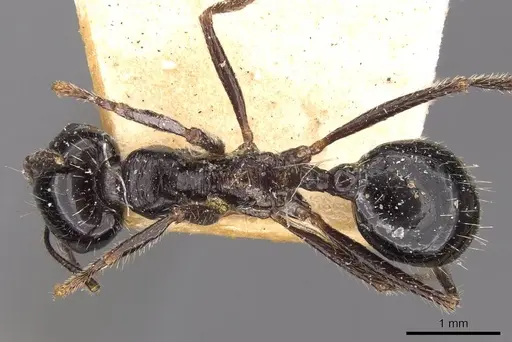
CASENT0913156
Voir sur AntWeb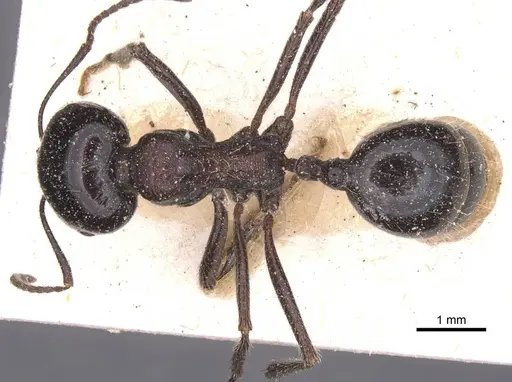
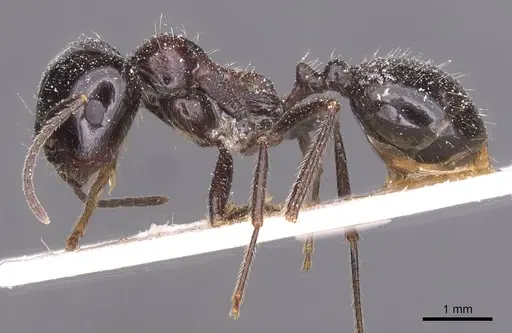
CASENT0916925
Voir sur AntWeb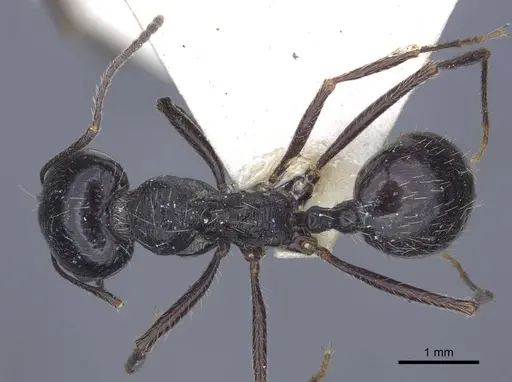
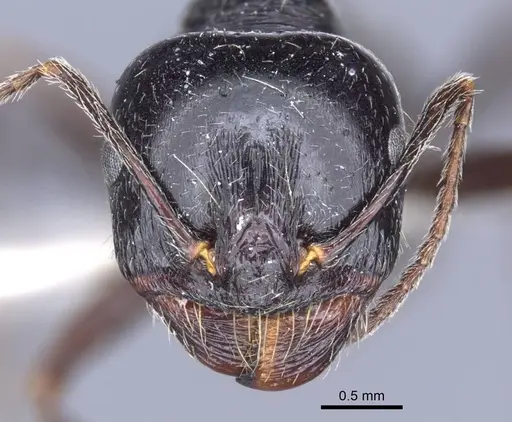
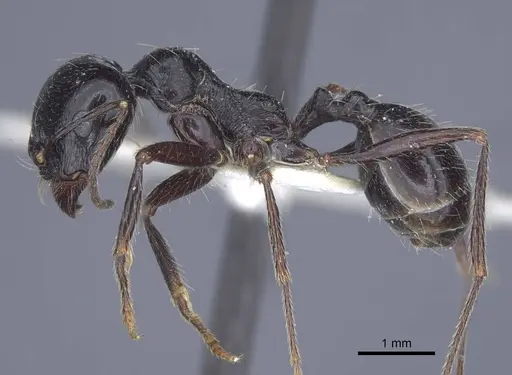
CASENT0916926
Voir sur AntWeb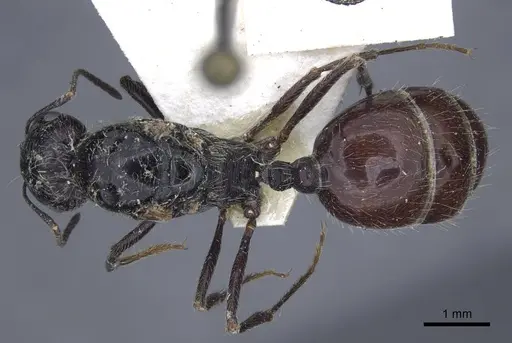
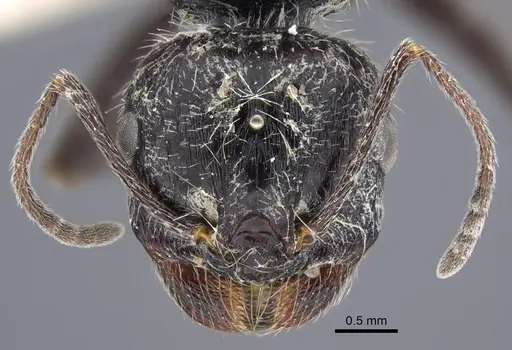
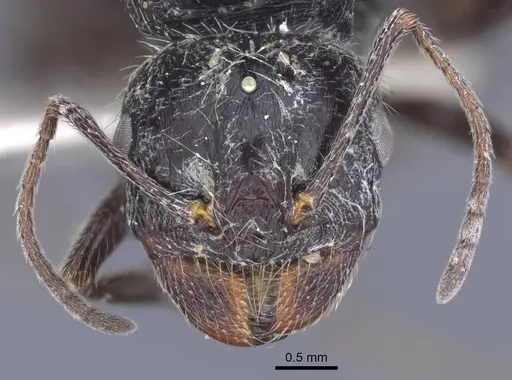
CFH000016
Voir sur AntWeb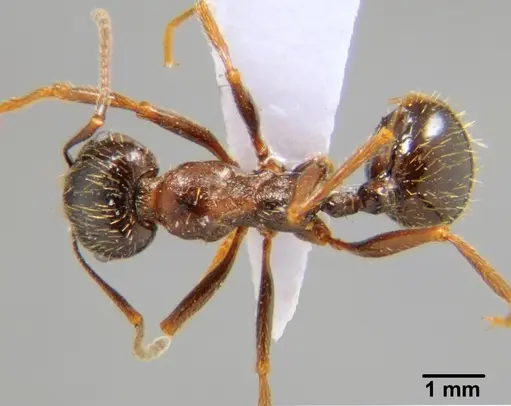
Littérature
Chargement de la carte de répartition...Chargement des produits...