
Mayaponera cernua
- Nom sci.
- Mayaponera cernua
- Tribu
- Ponerini
- Sous-famille
- Ponerinae
- Auteur
- MacKay & MacKay, 2010
- Distribution
- Trouvé dans 0 pays
Introduction
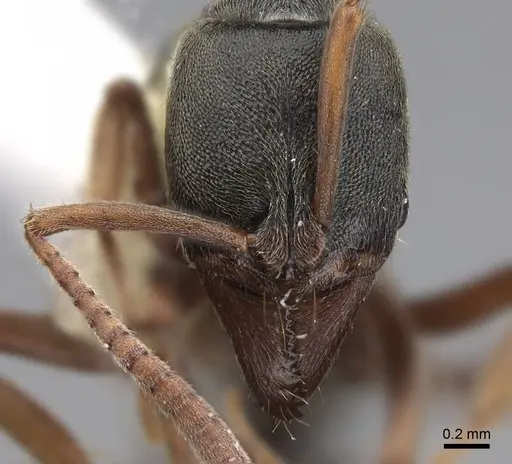
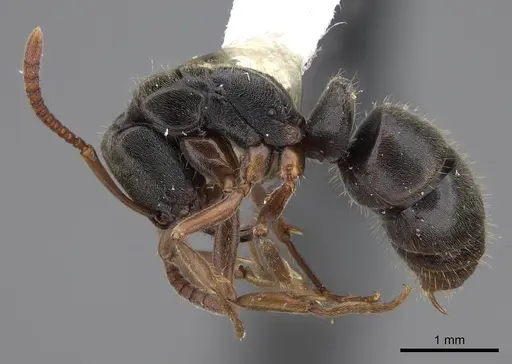
Mayaponera cernua is a small Ponerine ant native to the Amazon rainforest of Ecuador. Workers measure about 6 mm in total length and are dark reddish-brown with lighter appendages. They are known only from Napo Province, Ecuador, at 287 meters elevation in clay soil rainforest . This species is part of the arhuaca complex and was transferred to Mayaponera in 2020 based on phylogenetic analysis . Queens have not been described, making colony founding behavior unknown.
Quick Summary
- Difficulty: Expert
- Origin & Habitat: Ecuador (Napo Province), rainforest at 287m elevation with clay soil [1]
- Colony Type: Unknown, only workers and males collected, no queen described
- Size & Growth:
- Antkeeping:
- Temperature: Keep warm, roughly 24-28°C, based on lowland tropical habitat
- Humidity: Keep nest substrate consistently moist but not waterlogged, based on rainforest environment
- Diapause: No, tropical species near equator, no seasonal dormancy expected
- Nesting: Natural nesting in rotting logs. In captivity, use moist substrate or Y-tong nest with tight chambers
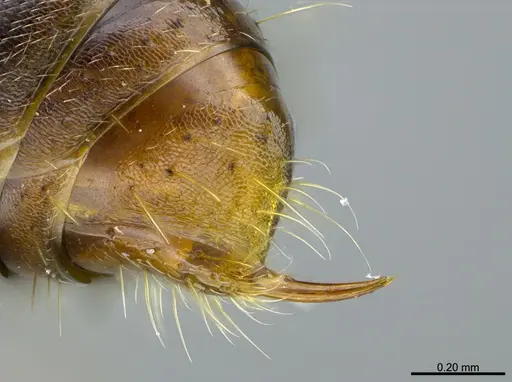
- Behavior: Workers have a functional stinger as Ponerines. They are predatory and likely moderately aggressive. Handle with caution. Escape prevention moderate due to size.
- Common Issues: limited availability, only known from type locality in Ecuador, no established breeding lines in captivity, queen unknown, cannot establish colonies without proper identification, no documented care requirements, all advice estimated, tropical species requires consistent warmth
Species Discovery and Taxonomy
Mayaponera cernua was originally described in 2010 as Mayaponera cernua based on workers and a male from Napo, Ecuador. The species name means 'drooping' in Latin, referring to the subpetiolar process [1]. In 2020,it was transferred to Mayaponera based on phylogenetic analysis [2]. The species is part of the arhuaca complex.
Natural History and Habitat
Mayaponera cernua is known only from rainforest in Napo, Ecuador, nesting in rotting logs with clay soil. A nest contained workers, brood, and a single male in July [1]. As a Ponerine, workers have a functional stinger for subduing prey and defense. This is general taxonomic knowledge for subfamily Ponerinae, tribe Ponerini.
Housing and Nesting
Use a naturalistic setup with moist soil and rotting wood to simulate log-nesting. Y-tong or plaster nests with tight chambers work well. Ensure escape prevention with barriers like fluon, as workers are strong climbers. Keep nest area warm at 24-28°C and maintain high humidity with moist substrate.
Feeding and Diet
Feed protein-rich diet like live fruit flies, crickets, or mealworms. Ponerines are predatory and may accept sweet solutions occasionally. Remove uneaten prey after 24 hours to prevent mold.
Temperature and Seasonal Care
Maintain temperatures between 24-28°C year-round. No diapause needed for this tropical species. Humidity should be high, keep substrate moist but not waterlogged.
Frequently Asked Questions
Is Mayaponera cernua available for purchase?
No, this species is extremely rare and only known from a single location in Ecuador. It has not been established in captive breeding lines [1].
How do I identify Mayaponera cernua?
Workers are about 6 mm, dark reddish-brown with a downward-pointing angle on the subpetiolar process. Queens are not described, so identification relies on worker morphology [1].
What do Mayaponera cernua ants eat?
They are predatory and eat small invertebrates like fruit flies or crickets. Protein should be the primary food source.
Do Mayaponera cernua ants sting?
Yes, as Ponerines, they have a functional stinger that can be painful. Use caution when handling.
What temperature do Mayaponera cernua need?
Keep them at 24-28°C, as they are from lowland tropical Ecuador. No hibernation needed.
How big do Mayaponera cernua colonies get?
Unknown, no colony size data exists. Based on related Ponerines, colonies may reach several hundred workers, but this is speculative [1].
Can I keep multiple Mayaponera cernua queens together?
Unknown, queens have not been described, so colony structure is unconfirmed. Do not combine queens without evidence [1].
How long does it take for Mayaponera cernua to develop from egg to worker?
Unknown, no development data exists. Estimates based on related Ponerines are speculative [1].
Is Mayaponera cernua good for beginners?
No, this species is for experts only due to rarity, lack of captive data, and specific care needs [1].
Where does Mayaponera cernua live in the wild?
Only known from Napo Province, Ecuador, in rainforest at 287m elevation, nesting in rotting logs [1].
Report an Issue
The current care sheet is based fully on literature. See inconsistencies, or something that's incorrect? Please , it will be resolved after review from an admin. Contributing to the blogs tab also helps providing information, to make us be able to further improve the caresheets. Thank you for your support!
References

Cette fiche d'élevage est sous licence CC BY-SA 4.0 .
Blogs de la communauté
CASENT0923098
Voir sur AntWeb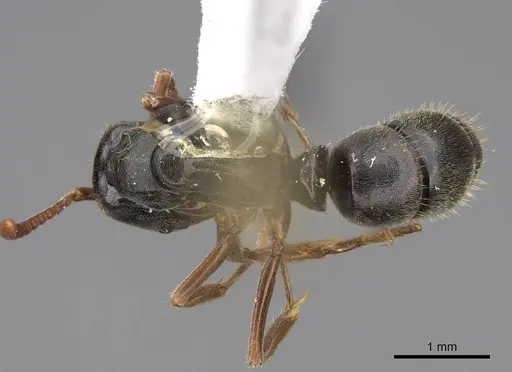
UTEPENTO3515
Voir sur AntWeb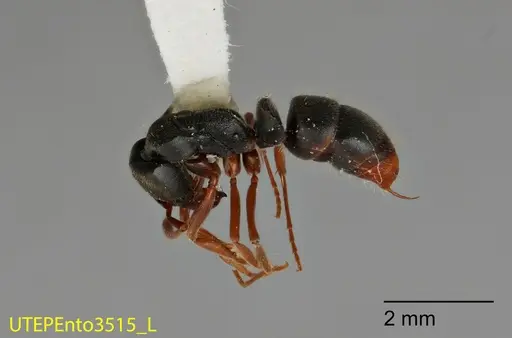
Littérature
Chargement de la carte de répartition...Chargement des produits...