
Leptogenys yandii
- Nom sci.
- Leptogenys yandii
- Tribu
- Ponerini
- Sous-famille
- Ponerinae
- Auteur
- Xu & He, 2015
- Distribution
- Trouvé dans 0 pays
Introduction
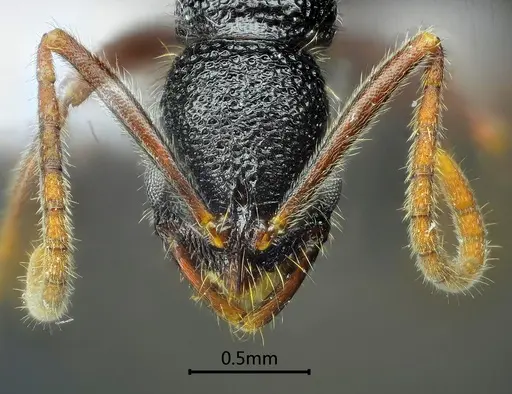
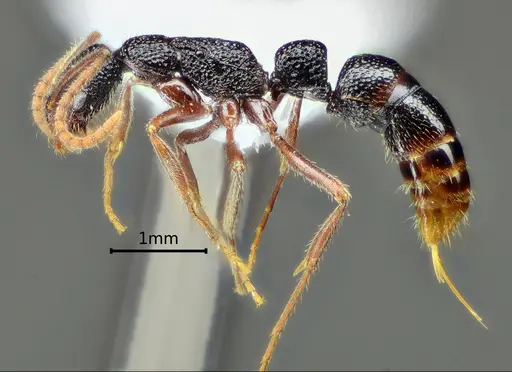
Leptogenys yandii is a medium-sized ponerine ant native to the valley rainforests of Tibet, China. Workers measure 5.2-5.7mm in total length and have a distinctive black body with reddish-brown highlights on the mandibles, antennae, legs, and gastral apex . The species was described in 2015 by Xu and He, named after the Yan Emperor from Chinese mythology. These ants are characterized by their relatively small eyes occupying about one-quarter of the lateral cephalic margin, and a trapezoidal petiolar node that is slightly higher than long . In their natural habitat, they nest inside decayed wood or in soil, foraging on the ground in humid rainforest environments .
Quick Summary
- Difficulty: Medium
- Origin & Habitat: Tibet, China, valley rainforests at 730-1200m elevation. The type specimens were collected from Medog County, nesting in decayed wood and soil in humid valley rainforest habitats [1].
- Colony Type: Unconfirmed colony structure. Based on typical Leptogenys patterns, this species is likely monogyne (single queen), but specific colony structure for L. yandii has not been documented.
- Size & Growth:
- Queen: Unknown, queens were not described in the original species description
- Worker: 5.2-5.7mm [1]
- Colony: Unknown, no colony size data available for this species
- Growth: Unknown, no development data available
- Development: Estimated 6-10 weeks at optimal temperature based on typical Ponerine patterns (Development timeline is unconfirmed for this species. Ponerine ants typically have longer development times than many common ant genera.)
- Antkeeping:
- Temperature: Keep at 22-26°C. This species comes from subtropical valley rainforests in Tibet, so they prefer warm, stable conditions.
- Humidity: High humidity required, these ants live in rainforest environments. Keep nest substrate consistently moist but not waterlogged. Provide a water source in the outworld.
- Diapause: Unknown, no specific data on overwintering requirements. The Tibetan location suggests they may tolerate cooler temperatures, but a winter dormancy period cannot be confirmed without more research.
- Nesting: Use a naturalistic setup with moist substrate (soil or decaying wood material). Y-tong or plaster nests work well, provided humidity is maintained. They naturally nest in decayed wood and soil [1].
- Behavior: Leptogenys yandii is a predatory ponerine ant with a functional sting. Workers forage on the ground, hunting small invertebrates. They are likely more active and aggressive compared to typical Formicinae. Escape prevention should be moderate, they are medium-sized ants but can squeeze through small gaps. Handle with care due to their sting capability.
- Common Issues: lack of development data makes precise care challenging, monitor colony response closely, predatory diet requires live prey which may be harder to source than standard ant foods, high humidity needs can lead to mold issues if ventilation is poor, stinging capability means these ants should be handled with caution, no documented diapause requirements means seasonal care is uncertain
Housing and Nest Setup
Leptogenys yandii requires a setup that maintains high humidity while providing space for hunting behavior. A naturalistic setup with moist soil or a hybrid formicarium works well, these ants naturally nest in decayed wood and soil in their rainforest habitat [1]. Use a Y-tong or plaster nest if you can maintain humidity levels, but ensure the nest chambers stay moist. The outworld should be large enough for hunting and foraging. Provide a water dish and ensure the setup has adequate ventilation to prevent mold while maintaining humidity.
Feeding and Diet
As a Ponerine ant, L. yandii is predatory and requires live invertebrate prey. Feed small live insects such as fruit flies, small crickets, mealworms, and other small arthropods. They are ground-foraging ants that hunt actively, so prey should be available in the outworld. Unlike some ants, they are unlikely to accept sugar water or honey as primary food sources, their diet consists primarily of protein from prey. Feed every 2-3 days, removing uneaten prey to prevent mold. The frequency may increase as the colony grows.
Temperature and Humidity
Maintain temperatures between 22-26°C with a gentle gradient. These ants come from the warm, humid valley rainforests of Tibet, so they prefer stable warm conditions. High humidity is essential, aim for 70-80% relative humidity in the nest area. Keep the nest substrate consistently moist but not waterlogged. A water reservoir in the outworld helps maintain humidity. Monitor for condensation, some condensation is good, but excessive moisture can drown brood. Room temperature within this range is acceptable, otherwise use a heating cable on one side of the nest. [1]
Behavior and Defense
Leptogenys yandii is a predatory ant with a functional sting. Workers are active foragers that hunt on the ground. They are likely more aggressive and territorial compared to typical house ants. When threatened, they can deliver a sting, while not considered dangerous to healthy humans, it can be painful and may cause irritation. Handle the colony with care and avoid disturbing the nest unnecessarily. Escape prevention should be moderate, these are medium-sized ants that cannot squeeze through standard barrier gaps but may explore small openings.
Colony Development
Little is known about the specific colony development of L. yandii. The species was only described in 2015,and no detailed biological studies exist. Based on typical Ponerine patterns, expect slower growth than common ant genera like Lasius or Camponotus. Queens likely need to hunt during founding (semi-claustral behavior common in Ponerinae), meaning they require access to prey during the founding stage. The first workers (nanitics) will be smaller than mature workers. Colony size likely remains moderate, Leptogenys colonies typically do not reach the massive sizes seen in some other genera. [1]
Frequently Asked Questions
How long does it take for Leptogenys yandii to produce first workers?
The exact development timeline is unknown for this species. Based on typical Ponerine ant development, expect 6-10 weeks from egg to first worker at optimal temperature (22-26°C). The slower development is typical for predatory ponerine ants.
What do Leptogenys yandii ants eat?
They are predatory ants that require live invertebrate prey. Feed small live insects like fruit flies, small crickets, mealworms, and other small arthropods. They are unlikely to accept sugar-based foods as primary nutrition.
What temperature do Leptogenys yandii ants need?
Keep them at 22-26°C. They come from warm, humid valley rainforests in Tibet and prefer stable, warm conditions. A temperature gradient allows workers to regulate their body temperature.
Are Leptogenys yandii ants good for beginners?
This species is not ideal for beginners. Limited biological data makes care challenging, and their predatory diet requires more effort than typical ant foods. They also have a functional sting. Experienced antkeepers interested in Ponerines may have success.
How big do Leptogenys yandii colonies get?
Colony size is unknown, no data exists on maximum colony size for this species. Based on typical Leptogenys patterns, colonies likely remain moderate in size.
Do Leptogenys yandii ants need hibernation?
Diapause requirements are unknown. The Tibetan location suggests they may tolerate cooler temperatures, but specific overwintering requirements have not been documented. Observe your colony's behavior to determine if a cool period is beneficial.
Can I keep multiple Leptogenys yandii queens together?
Colony structure is unconfirmed for this species. Leptogenys genus is typically monogyne (single queen), but combining unrelated queens has not been documented. Do not attempt to keep multiple foundress queens together without specific research.
What humidity level do Leptogenys yandii ants need?
High humidity is essential, aim for 70-80% in the nest area. They come from rainforest environments in Tibet. Keep the nest substrate consistently moist but not waterlogged.
What size are Leptogenys yandii workers?
Workers measure 5.2-5.7mm in total length. This makes them medium-sized ants, larger than many common house ants but not among the largest species.
Report an Issue
The current care sheet is based fully on literature. See inconsistencies, or something that's incorrect? Please , it will be resolved after review from an admin. Contributing to the blogs tab also helps providing information, to make us be able to further improve the caresheets. Thank you for your support!
References

Cette fiche d'élevage est sous licence CC BY-SA 4.0 .
Blogs de la communauté
ANTWEB1060508
Voir sur AntWeb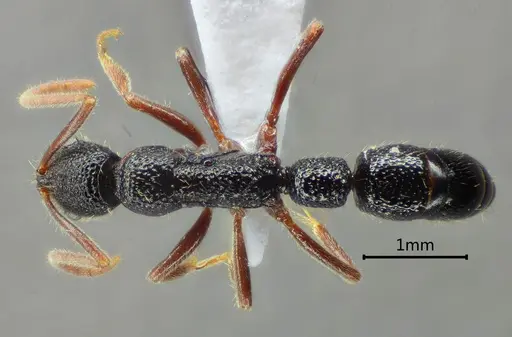
Littérature
Chargement de la carte de répartition...Chargement des produits...