
Leptogenys namana
- Nom sci.
- Leptogenys namana
- Tribu
- Ponerini
- Sous-famille
- Ponerinae
- Auteur
- Rakotonirina & Fisher, 2014
- Distribution
- Trouvé dans 1 pays
Introduction
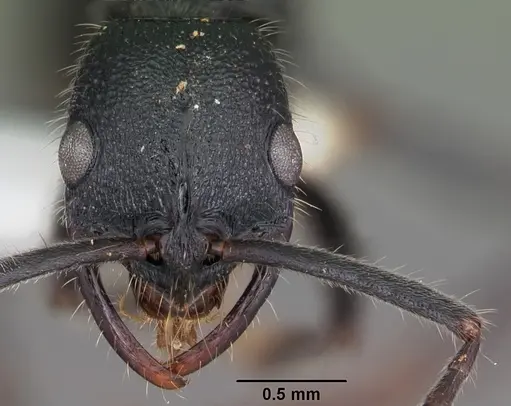
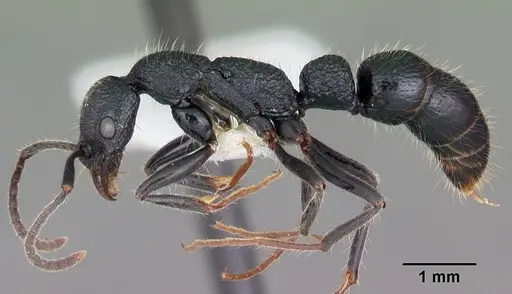
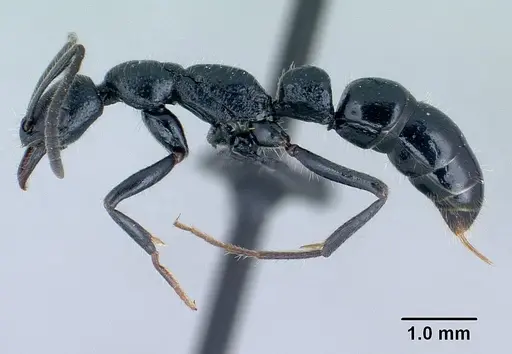
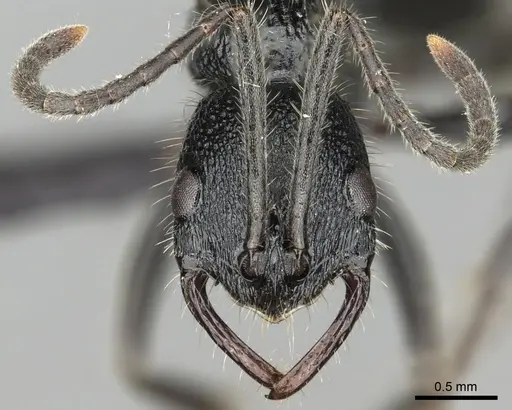
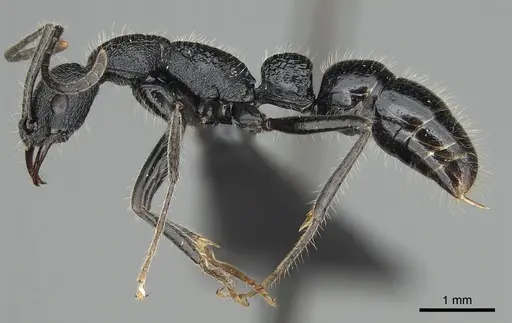
Leptogenys namana is a small predatory ant species native to the humid forests of eastern Madagascar. Workers have a distinctive black body with brownish legs, antenna tips, mandibles, and gaster. They belong to the imerinensis species complex and are characterized by two small peg-like setae on the clypeus, a sharp medial clypeal carina, and a tooth-like lobe on the propodeum. This species is rarely encountered, particularly in the northern parts of Madagascar, despite being widespread in suitable habitat . These ants are predatory hunters that forage on lower vegetation while nesting in rotten logs within humid forest habitats. Their preference for montane rainforest environments at elevations around 1100m makes them a specialized species requiring specific conditions in captivity .
Quick Summary
- Difficulty: Medium
- Origin & Habitat: Eastern Madagascar, humid montane rainforests at elevations around 1100m. Workers forage on lower vegetation while colonies nest in rotten logs [1].
- Colony Type: Colony structure is unconfirmed. The genus Leptogenys typically forms single-queen colonies, but specific data for L. namana is lacking.
- Size & Growth:
- Queen: Undescribed, no queen measurements available in the original species description [1].
- Worker: ~5-7 mm, inferred from Leptogenys genus (partial measurements HW 1.10-1.25,WL 2.25-2.64 indicate small workers) [1].
- Colony: Unknown, this is a rarely collected species with no documented colony size in scientific literature.
- Growth: Unknown, no development data exists for this species.
- Development: Unconfirmed, no direct observations of colony development. Based on typical Leptogenys patterns, expect several months for first workers. (Development timeline has not been studied. Related Leptogenys species typically take 2-4 months from egg to worker at tropical temperatures.)
- Antkeeping:
- Temperature: Keep at 22-26°C. This species comes from humid montane forests in Madagascar where temperatures are moderate. A gentle gradient allowing workers to self-regulate is ideal.
- Humidity: High humidity is essential, these ants inhabit humid forests and nest in rotting wood. Keep nest substrate consistently moist but not waterlogged. Aim for 70-85% humidity around the nest area.
- Diapause: Unknown for this species. Most Malagasy ants do not experience true hibernation given the island's tropical climate, but a slight reduction in temperature during winter months may be appropriate.
- Nesting: Rotten logs in humid forest, in captivity, they do well in naturalistic setups with moist wood or cork, or in Y-tong/plaster nests with high humidity. They prefer tight, enclosed spaces that retain moisture.
- Behavior: Leptogenys namana is an active predator that hunts small invertebrates. Workers forage on lower vegetation, suggesting they are active hunters rather than scavengers. They are likely moderately aggressive when defending the colony. As a Ponerine ant, they possess a functional stinger. Escape prevention should be moderate, while not tiny, they are small enough to escape through standard gaps. Their predatory nature means they will readily accept live prey.
- Common Issues: high humidity management is critical, these forest ants easily develop mold problems in poorly ventilated setups, as a rarely collected species, wild-caught colonies may be stressed and difficult to establish in captivity, predatory diet requirements mean colonies need constant access to live small prey, failure to feed adequate protein leads to colony decline, specific temperature needs are unknown, starting too cold may prevent brood development, their rarity in the wild means established captive colonies are uncommon, making care advice limited
Nest Preferences and Housing
In the wild, Leptogenys namana nests in rotten logs within humid montane forests. This tells us they need constant moisture and dark, enclosed spaces. For captive care, a naturalistic setup with moist cork or wood works well, as does a Y-tong or plaster nest designed for high-humidity species. The key is maintaining consistent moisture without creating standing water. Avoid dry setups entirely, these ants will not survive in arid conditions. A nest chamber size appropriate for a small colony of 20-50 workers is sufficient, with room to expand as the colony grows. [1]
Feeding and Diet
Leptogenys ants are predatory hunters, and L. namana is no exception. Workers forage on lower vegetation, actively hunting small invertebrates. In captivity, offer small live prey such as fruit flies, pinhead crickets, small mealworms, and other micro-arthropods. They need regular protein to sustain the colony, a feeding schedule of 2-3 small prey items every few days is appropriate for an established colony. Sugar sources may be accepted occasionally but should not be relied upon as these are primarily predatory ants. Remove uneaten prey after 24 hours to prevent mold issues. [1]
Temperature and Care
This species comes from montane rainforests in eastern Madagascar at around 1100m elevation, where temperatures are moderate rather than hot. Aim for 22-26°C in the nest area, with a slight gradient so workers can choose their preferred temperature. Avoid temperatures above 30°C or below 18°C. A small heating cable on one side of the nest can create the needed gradient, place it on top of the nest to avoid drying it out. Room temperature within this range is often suitable. Monitor colony behavior, if workers consistently avoid the heated area, reduce temperature, if they cluster there, you can increase slightly. [1]
Behavior and Temperament
As a Ponerine ant, Leptogenys namana has a potent sting. Workers are active foragers that hunt rather than scavenge, suggesting good vision and alertness. They are likely moderately defensive of their nest but not particularly aggressive toward humans. The colony will likely establish a foraging territory and become more active when hunting. Watch for workers carrying prey back to the nest, this indicates a healthy, functioning colony. Their small size means they can squeeze through small gaps, so ensure your setup has no cracks or gaps larger than about 1mm. [1]
Establishing a Colony
Because this species is rarely collected and poorly documented in captivity, acquiring an established colony may be difficult. If you obtain a queen or colony, expect a challenging establishment period. Wild-caught colonies may be stressed from collection and transport. Provide a quiet, dark location for the first few weeks and minimize disturbances. Ensure high humidity and offer small live prey regularly. Do not expect rapid growth, this appears to be a slow-growing species even by Leptogenys standards. Patience is essential, as is having a backup plan if the colony does not thrive. [1]
Frequently Asked Questions
How long does it take for Leptogenys namana to produce first workers?
The egg-to-worker timeline is unconfirmed for this species. Based on typical Leptogenys development patterns, expect 2-4 months from founding to first workers, but this is an estimate. Actual timing depends on temperature and feeding success.
What do Leptogenys namana ants eat?
They are predatory ants that hunt small invertebrates. Feed small live prey like fruit flies, pinhead crickets, small mealworms, and other micro-arthropods. Remove uneaten prey after 24 hours.
Can I keep Leptogenys namana in a test tube setup?
Test tubes can work for founding colonies if kept moist, but these ants prefer the humid conditions found in rotting wood. A naturalistic setup or Y-tong with high humidity is more suitable for long-term keeping.
What temperature do Leptogenys namana ants need?
Keep them at 22-26°C. This matches their native montane rainforest habitat in Madagascar. Avoid temperatures above 30°C or below 18°C.
Are Leptogenys namana ants good for beginners?
No. This is a challenging species due to limited available care information, high humidity requirements, predatory diet needs, and their rarity in the antkeeping hobby. They are best suited for experienced keepers comfortable with specialized species.
How big do Leptogenys namana colonies get?
Colony size is unknown, this is a rarely collected species with no documented maximum colony size. Expect moderate-sized colonies based on typical Leptogenys patterns.
Do Leptogenys namana need hibernation?
Diapause requirements are unknown. Given Madagascar's tropical climate, true hibernation is unlikely, but a slight temperature reduction during winter months may be appropriate.
Why is my Leptogenys namana colony dying?
Common causes include: low humidity (they need 70-85%), inadequate food (they need live prey regularly), temperature extremes (keep 22-26°C), or stress from wild collection. Ensure proper humidity and feeding before troubleshooting other factors.
When should I move Leptogenys namana to a formicarium?
Wait until the colony has at least 20-30 workers and is actively foraging. Moving too early can stress the colony. A naturalistic setup with moist wood or a Y-tong nest works well for this species.
Report an Issue
The current care sheet is based fully on literature. See inconsistencies, or something that's incorrect? Please , it will be resolved after review from an admin. Contributing to the blogs tab also helps providing information, to make us be able to further improve the caresheets. Thank you for your support!
References

Cette fiche d'élevage est sous licence CC BY-SA 4.0 .
Blogs de la communauté
CASENT0067496
Voir sur AntWeb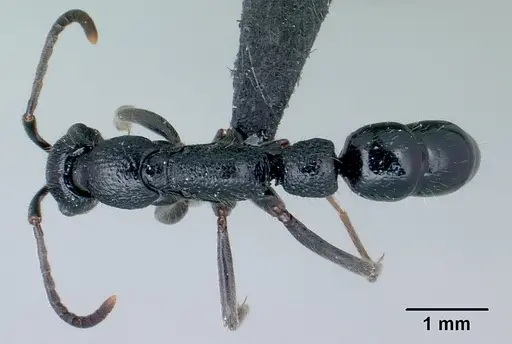
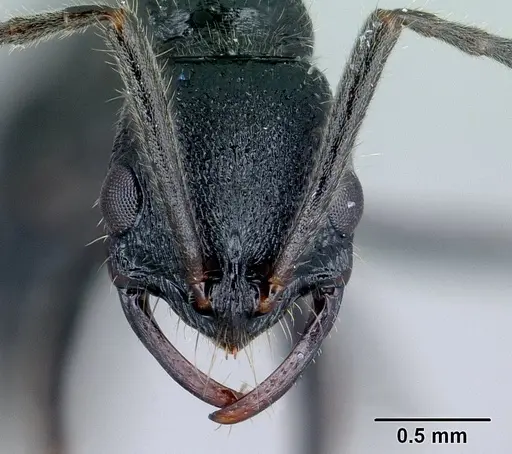
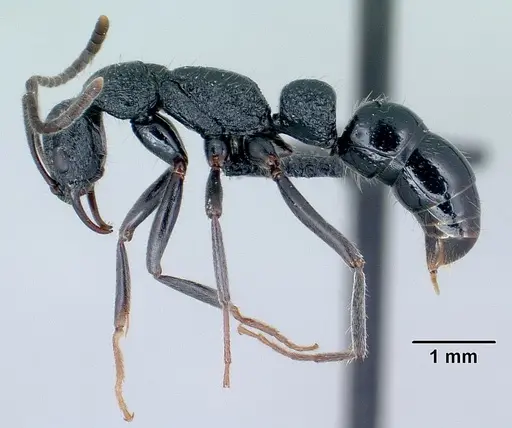
CASENT0102925
Voir sur AntWeb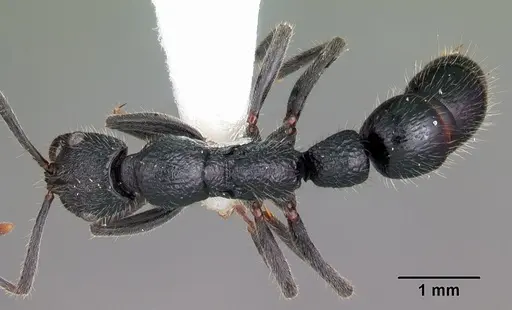
CASENT0134243
Voir sur AntWeb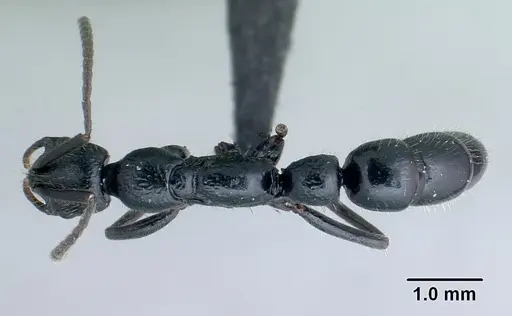
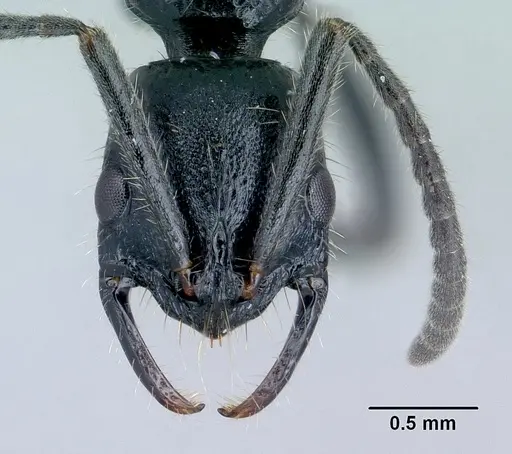
CASENT0488652
Voir sur AntWeb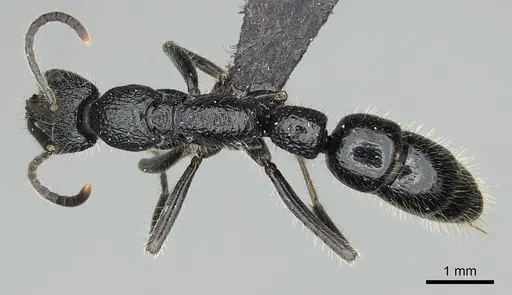
Littérature
Chargement de la carte de répartition...Chargement des produits...