
Lepisiota capitata
- Nom sci.
- Lepisiota capitata
- Tribu
- Plagiolepidini
- Sous-famille
- Formicinae
- Auteur
- Forel, 1913
- Distribution
- Trouvé dans 0 pays
Introduction
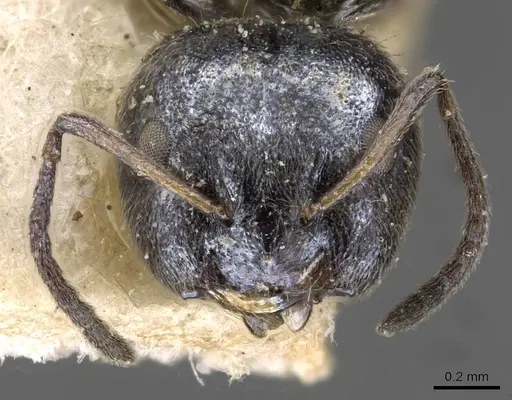
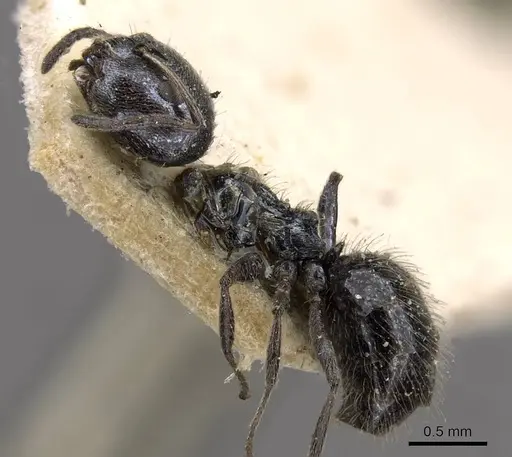
Lepisiota capitata is a small ant species native to Central Africa, documented in the Democratic Republic of Congo (Haut-Lomami region) and Rwanda (Akagera National Park) . This species was first recorded in Rwanda during recent biodiversity surveys, expanding the known range of this genus in eastern Africa . The genus Lepisiota shows exceptional diversity in African protected areas and includes species with symbiotic relationships with Lycaenidae butterflies . Workers are small ants typical of the genus, with dark coloration common to many Lepisiota species.
Quick Summary
- Difficulty: Medium
- Origin & Habitat: Native to Central Africa, documented in the Democratic Republic of Congo (Haut-Lomami region) and Rwanda (Akagera National Park) [1][2]. Based on the savanna and grassland habitats of Akagera, this species likely inhabits open areas with access to ground-level nesting sites.
- Colony Type: Colony structure is not well-documented for this specific species. Based on typical Lepisiota patterns, colonies are likely single-queen with ergatoid replacement reproductives possible.
- Size & Growth:
- Queen: size data unavailable, inferred from Lepisiota genus patterns (~5-7mm)
- Worker: size data unavailable, inferred from Lepisiota genus patterns (~2-4mm)
- Colony: likely several hundred workers based on typical genus colony sizes
- Growth: Moderate
- Development: estimated 6-8 weeks at optimal temperature based on related Formicinae species (Development time is estimated from genus-level data, species-specific timing unconfirmed)
- Antkeeping:
- Temperature: Keep at 22-26°C. Provide a gentle temperature gradient allowing workers to self-regulate. This aligns with typical tropical-to-subtropical preferences for the genus.
- Humidity: Moderate humidity around 50-60%. Allow the nest substrate to dry partially between waterings. Avoid overly damp conditions.
- Diapause: Likely minimal or no true diapause given the tropical distribution. However, a brief slow-down period during cooler months may occur.
- Nesting: Natural nesting occurs in soil and under stones in savanna habitats. In captivity, a Y-tong (AAC) nest or test tube setup works well. Provide moderate humidity and avoid excessive moisture.
- Behavior: Active and fast-moving ants typical of the genus. Workers forage individually and are generalist feeders. They may show moderate aggression when defending the nest. Escape prevention is important due to their small size, use fine mesh barriers and ensure all openings are sealed. They are not known for stinging but may bite if handled roughly.
- Common Issues: small size makes escape prevention critical, use tight-fitting lids and fine mesh, limited species-specific care data means some trial and error may be needed, colonies may be slow to establish during founding phase, wild-caught colonies could carry parasites, quarantine and observe before introducing to other colonies, overheating is a risk, keep away from direct sunlight and heat sources
Housing and Nest Setup
Lepisiota capitata can be housed in standard ant-keeping setups. A Y-tong (AAC) formicarium works well for established colonies, providing dark chambers that these ants prefer. Test tube setups are suitable for founding colonies, use a water reservoir at one end with cotton wicking to maintain humidity. The nest should have chambers sized appropriately for their small worker size. Provide an outworld area for foraging that is easy to clean. Because of their small size, ensure all connections between nest and outworld are sealed with fluon or other barrier methods. A small water dish in the outworld helps with hydration.
Feeding and Diet
Like most Lepisiota species, L. capitata is likely a generalist feeder. Offer protein sources such as small insects (fruit flies, pinhead crickets, mealworms), and provide sugar water, honey, or diluted syrup as an energy source. In the wild, they likely forage for honeydew from aphids and scavenge small arthropods. Feed protein 2-3 times per week and keep sugar water available at all times. Remove uneaten prey after 24-48 hours to prevent mold. Fresh killed insects are generally better accepted than live prey for smaller colonies.
Temperature and Seasonal Care
Maintain temperatures between 22-26°C for optimal colony health and brood development. A heating cable on one side of the nest can create a temperature gradient, allowing ants to self-regulate. Given the tropical distribution in Central Africa, these ants do not require true hibernation. However, slight temperature reductions during winter months (if your room temperature drops naturally) are likely tolerated. Avoid temperatures below 18°C for extended periods. Monitor colony activity, if workers become less active and cluster together, slightly increase temperature.
Colony Founding
If you obtain a founding queen, she will likely seal herself in a claustral chamber and raise her first brood without leaving to forage. The queen uses stored fat reserves to survive and feed the first generation of workers (nanitics). Place the founding setup in a dark, quiet location and avoid disturbing it for 4-6 weeks. After the first workers emerge, you can begin offering tiny food items near the nest entrance, but the queen will continue to care for the brood. Once the colony has 10+ workers, you can transition to normal feeding schedules.
Behavior and Temperament
Lepisiota capitata workers are active and fast-moving, characteristic of the genus. They forage individually rather than in trails. When threatened, they may raise their abdomen in a defensive posture but are not known for painful stings. These ants are generalists and adapt well to various food sources. Their small size means they can slip through surprisingly small gaps, excellent escape prevention is essential. They do not typically exhibit aggressive swarming but will defend their nest vigorously if disturbed.
Frequently Asked Questions
How long does it take for Lepisiota capitata to produce first workers?
Based on typical genus patterns, expect first workers (nanitics) around 6-8 weeks after the queen lays eggs, assuming temperatures around 24-26°C. This is an estimate as species-specific development data is not available.
Can I keep Lepisiota capitata in a test tube setup?
Yes, test tube setups work well for founding colonies. Use a water reservoir with cotton wicking to maintain humidity. Once the colony reaches 20-30 workers, consider moving to a Y-tong or formicarium for more space.
What do Lepisiota capitata ants eat?
They are generalist feeders. Offer small insects (fruit flies, pinhead crickets, mealworms) for protein and sugar water, honey, or diluted syrup for carbohydrates. Remove uneaten food after 24-48 hours.
What temperature do Lepisiota capitata ants need?
Keep them at 22-26°C. A temperature gradient is ideal, allowing workers to choose their preferred warmth. Avoid temperatures below 18°C for extended periods.
Are Lepisiota capitata good for beginners?
They are rated as medium difficulty. They are smaller and faster than some beginner species, requiring better escape prevention. Their care requirements are straightforward once basic parameters are met.
How big do Lepisiota capitata colonies get?
Based on typical genus patterns, colonies likely reach several hundred workers. Maximum colony size is not well-documented for this specific species.
Do Lepisiota capitata need hibernation?
Given their tropical African distribution, they likely do not require true hibernation. A brief slow-down during cooler months may occur naturally, but maintain temperatures above 18°C for best colony health.
Why are my Lepisiota capitata escaping?
Their small size allows them to squeeze through tiny gaps. Use fine mesh barriers, apply fluon to rim edges, and check all connections between nest and outworld for tight seals.
Can I keep multiple Lepisiota capitata queens together?
This is not recommended. While colony structure is not fully documented for this species, combining unrelated queens typically leads to aggression. Stick to single-queen colonies for best success.
Report an Issue
The current care sheet is based fully on literature. See inconsistencies, or something that's incorrect? Please , it will be resolved after review from an admin. Contributing to the blogs tab also helps providing information, to make us be able to further improve the caresheets. Thank you for your support!
References

Cette fiche d'élevage est sous licence CC BY-SA 4.0 .
Blogs de la communauté
CASENT0909879
Voir sur AntWeb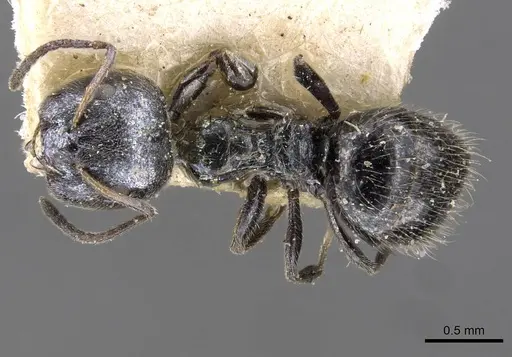
Littérature
Chargement de la carte de répartition...Chargement des produits...