
Hypoponera sakalava
- Nom sci.
- Hypoponera sakalava
- Tribu
- Ponerini
- Sous-famille
- Ponerinae
- Auteur
- Forel, 1891
- Distribution
- Trouvé dans 1 pays
Introduction
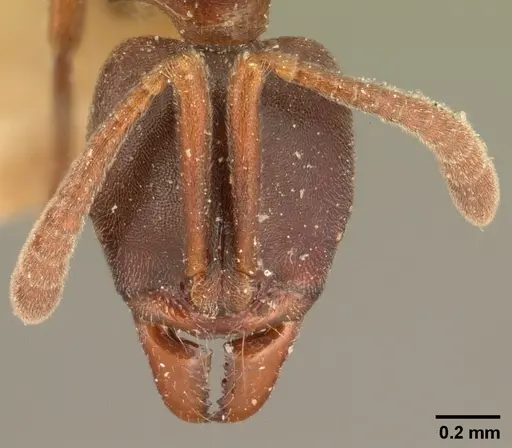
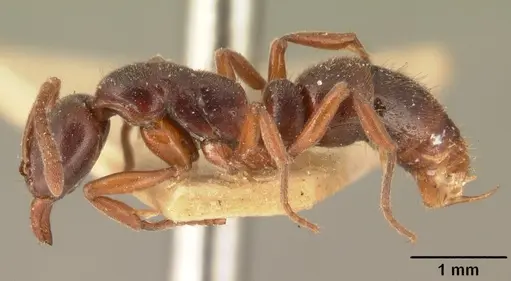
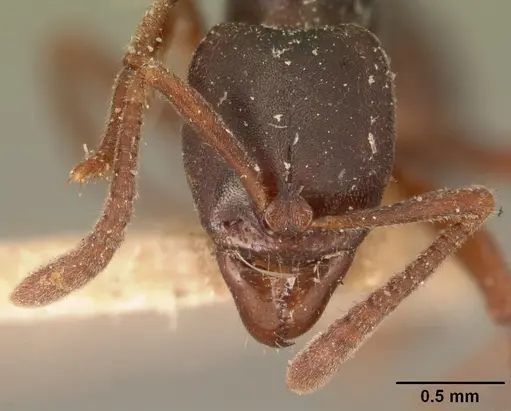
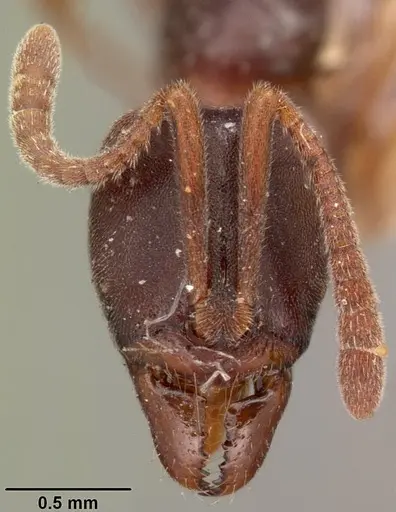
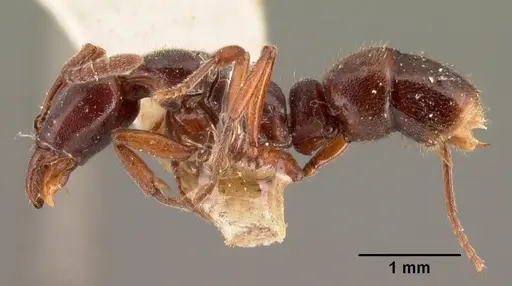
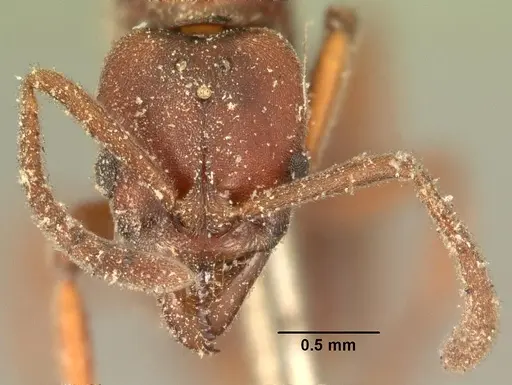
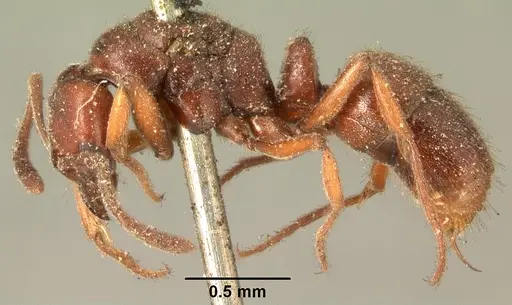
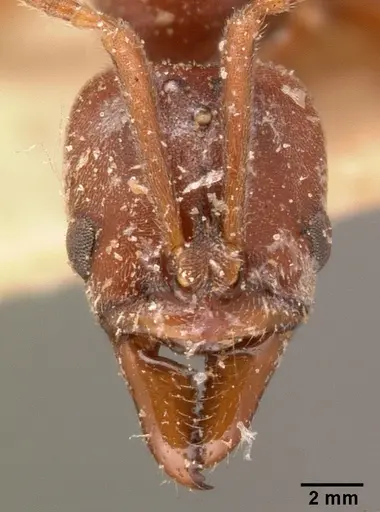
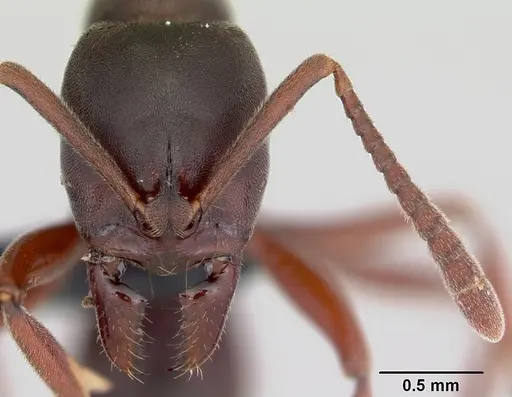
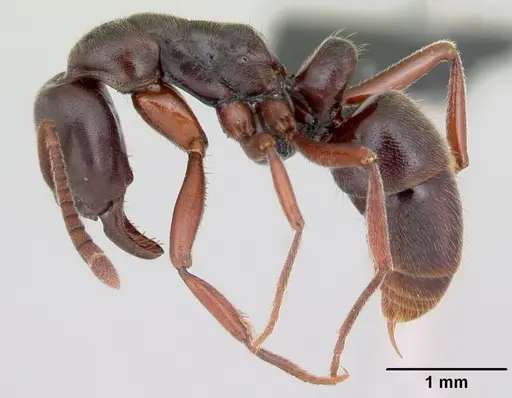
Hypoponera sakalava is a small predatory ant endemic to Madagascar. Workers are slender and dark brown to black, around 2.5-3.5 mm (estimated from the genus). Queens are slightly larger at 4-5 mm (estimated). The species was first described by Forel in 1891 from a queen . It is found across central and northern Madagascar at elevations from 25 m to over 1500 m, living in leaf litter on forest floors . As a Ponerinae ant, Hypoponera sakalava hunts live prey and subdues it with a sting, which is typical of the subfamily. Being from Madagascar, it comes from a tropical environment but its wide elevational range suggests it can handle some temperature variation.
Quick Summary
- Difficulty: Medium
- Origin & Habitat: Endemic to Madagascar. Found across the island from lowland areas (25 m) to highland forests (1565 m) in protected areas like Andringitra, Anjanaharibe-Sud, Masoala Peninsula, and Andohahela [2][3][4]. Lives in leaf litter and forest floor habitats, typically collected by Winkler extraction and ground-level searching.
- Colony Type: Colony structure is unconfirmed. Based on typical Hypoponera patterns, likely single-queen (monogyne) colonies with ergatoid replacement reproductives possible. Maximum colony size is unknown but estimated at up to 500 workers based on similar Ponerinae species.
- Size & Growth:
- Queen: 4-5 mm (inferred from genus patterns)
- Worker: 2.5-3.5 mm (inferred from genus patterns)
- Colony: Unknown, estimated up to 500 workers based on similar Ponerinae
- Growth: Slow
- Development: 8-12 weeks (estimated based on typical Ponerinae development at 24-26°C) (Ponerine brood development is generally slower than many common ant species. Expect 2-3 months from egg to first worker at optimal temperature.)
- Antkeeping:
- Temperature: Start around 24-26°C and observe. Their elevational range (25-1565 m) suggests tolerance but no specific data is available [3]. Avoid prolonged temperatures below 20°C.
- Humidity: Keep substrate consistently moist but not waterlogged. Being a forest floor species from Madagascar, they prefer humid conditions with some dry periods available. No specific data available.
- Diapause: Unknown for this species. Madagascar has mild winters, so they may not require true hibernation but may reduce activity during cooler periods.
- Nesting: Y-tong (AAC) nests or plaster formicariums work well. They prefer tight, humid chambers typical of forest floor dwellers. Test tubes can work for founding but need moisture management. Avoid acrylic nests.
- Behavior: Hypoponera sakalava is a cryptic, ground-dwelling species that prefers to stay hidden. Workers are not aggressive toward keepers but will sting if threatened, the sting is painful for their size but not medically significant. They are small (under 4 mm) and can escape through tiny gaps, so use Fluon or tight lids for escape prevention. They are slow-moving and predatory, hunting small invertebrates.
- Common Issues: slow growth can frustrate beginners who expect rapid colony development., predatory diet means they need live prey, cannot survive on sugar alone., small colony sizes mean losses have bigger impact., humidity management is critical, too dry causes colony decline., workers are small and can escape through tiny gaps, use careful escape prevention., wild-caught colonies may have parasites specific to their native habitat.
Housing and Nest Setup
Hypoponera sakalava does best in a Y-tong (AAC) nest or a plaster formicarium that can maintain humidity. These are small ants that prefer tight, humid chambers rather than large open spaces. A test tube setup can work for founding colonies, use a water reservoir tube with a cotton plug and connect it to a foraging area. For established colonies, provide a nest area with chambers roughly 3-5 mm in height with narrow connecting tunnels. Place the nest in a dark or dimly lit area as they prefer to stay hidden. A small outworld (foraging area) of about 5x5 cm is sufficient for colonies up to 100 workers. Use a layer of substrate (coco fiber or sand) 1-2 cm deep in the outworld to help maintain humidity and provide hunting opportunities.
Feeding and Diet
As a Ponerinae species, Hypoponera sakalava is primarily predatory and needs live food to thrive. Offer small live prey such as fruit flies, pinhead crickets, small mealworms, and other tiny invertebrates. They will hunt and subdue prey using their sting, so the prey should be small enough for workers to handle, typically no larger than the ants themselves. Unlike many ants, they are not highly attracted to sugar sources, though you can occasionally offer a drop of diluted honey or sugar water as a supplement. Feed small amounts 2-3 times per week, removing any uneaten prey after 24 hours to prevent mold. A well-fed colony will have workers that appear plump and active.
Temperature and Seasonal Care
Maintain temperatures between 24-26°C for optimal colony development, based on general tropical ant care. They can tolerate a broader range of 22-28°C but growth will slow outside this ideal range. A small heat cable on one side of the nest can create a gradient, but ensure the heated area doesn't dry out the nest too quickly. Since they come from Madagascar where winters are mild, they likely do not require a true hibernation period. However, you may notice reduced activity during cooler months (November-February in the northern hemisphere), this is normal and you can reduce feeding frequency during this time. Avoid temperatures below 20°C for extended periods.
Behavior and Handling
Hypoponera sakalava is a cryptic species that spends most of its time hidden in the nest or hunting in the substrate. Workers are slow-moving compared to many common ant species and are not particularly aggressive. However, they will use their sting if cornered or threatened, the sting is noticeable but not dangerous to healthy humans. Because they are very small (under 4 mm), they can slip through tiny gaps, so always use Fluon on outworld edges and tight-fitting lids. They are not strong climbers but escape prevention is still required. Colonies are relatively quiet and won't produce dramatic foraging swarms, this is part of their charm as a species to observe quietly.
Colony Development
Expect slow but steady growth. A newly mated queen can take 8-12 weeks to produce her first workers (nanitics) at optimal temperature. The first workers will be smaller than normal workers and the colony will grow gradually from there. Ponerine colonies typically max out at a few hundred workers, so don't expect the massive colonies seen in species like Camponotus or Solenopsis. Patience is key, a healthy colony should grow by 10-20 workers per month once established. The queen is long-lived and colonies can persist for several years with proper care.
Frequently Asked Questions
How long does it take for Hypoponera sakalava to produce first workers?
Expect 8-12 weeks from egg to first worker at optimal temperature (24-26°C). This is slower than many common ant species, so patience is required.
What do Hypoponera sakalava ants eat?
They are predatory and need live small invertebrates like fruit flies, pinhead crickets, and small mealworms. They are not major sugar feeders but may occasionally accept honey water.
Are Hypoponera sakalava good for beginners?
They are rated as medium difficulty. They require more specialized care (live prey, humidity management) than sugar-feeding ants, but their slow pace and small colony size make them manageable for committed beginners.
What temperature do Hypoponera sakalava need?
Start at 24-26°C. They can tolerate 22-28°C but growth slows outside this range. Avoid temperatures below 20°C.
How big do Hypoponera sakalava colonies get?
Colony size is estimated at up to 500 workers based on similar Ponerinae species. They are not large colony formers.
Do Hypoponera sakalava need hibernation?
Hibernation requirements are unconfirmed. Being from Madagascar with mild winters, they likely don't need true hibernation but may reduce activity during cooler periods.
What type of nest is best for Hypoponera sakalava?
Y-tong (AAC) nests or plaster formicariums that hold humidity work best. They prefer tight chambers and a humid environment. Test tubes can work for founding colonies.
Where is Hypoponera sakalava found in the wild?
They are endemic to Madagascar, found across the island from 25 m to over 1500 m elevation in protected forest areas [2][3].
Can I keep multiple queens together?
Colony structure is unconfirmed for this species. Based on typical Hypoponera patterns, single-queen colonies are likely. Combining unrelated queens is not recommended without evidence they can coexist.
Report an Issue
The current care sheet is based fully on literature. See inconsistencies, or something that's incorrect? Please , it will be resolved after review from an admin. Contributing to the blogs tab also helps providing information, to make us be able to further improve the caresheets. Thank you for your support!
References

Cette fiche d'élevage est sous licence CC BY-SA 4.0 .
Blogs de la communauté
CASENT0101022
Voir sur AntWeb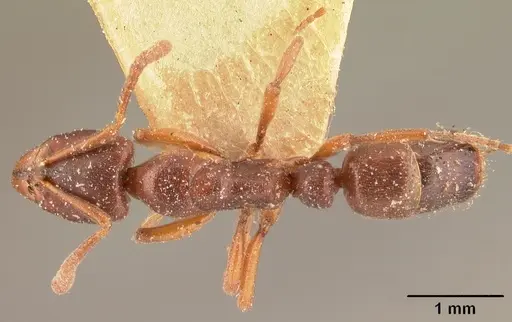
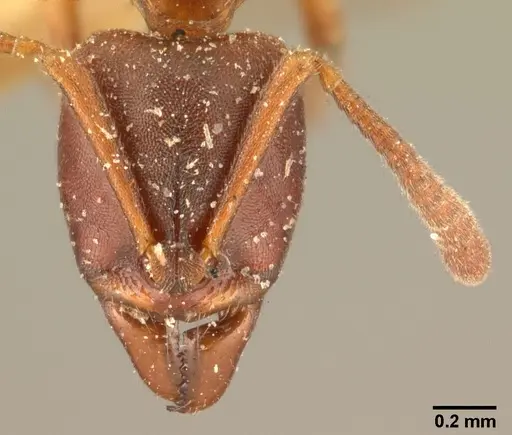
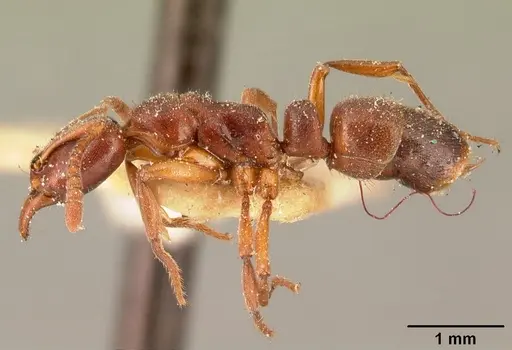
CASENT0101023
Voir sur AntWeb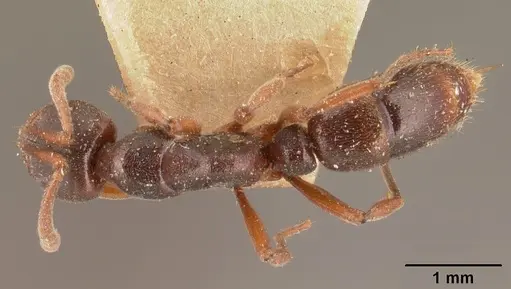
CASENT0101024
Voir sur AntWeb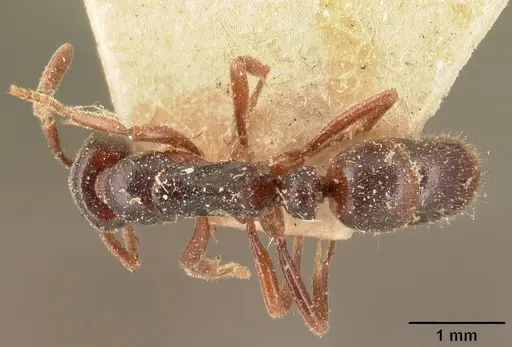
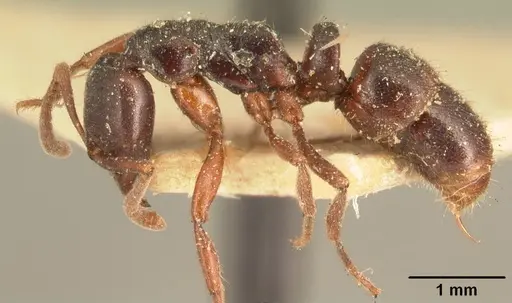
CASENT0101025
Voir sur AntWeb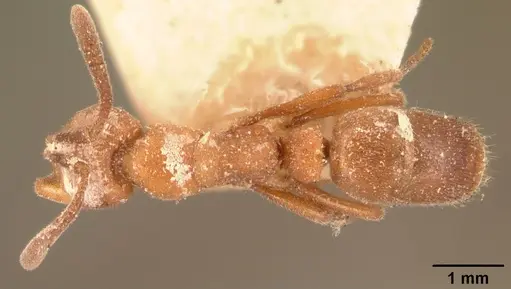
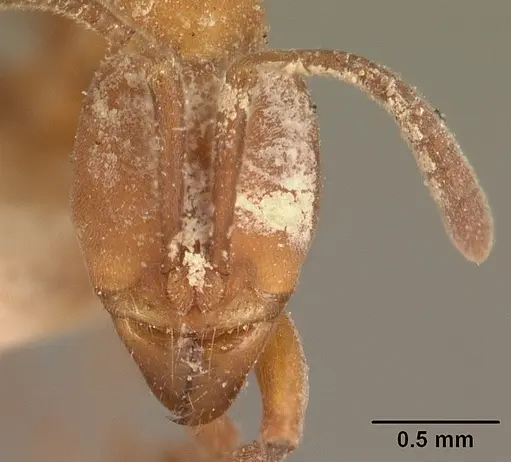
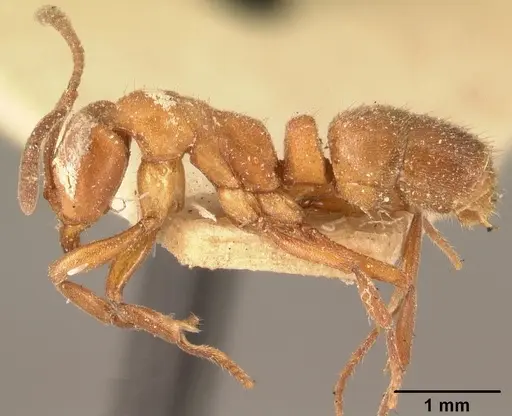
CASENT0101405
Voir sur AntWeb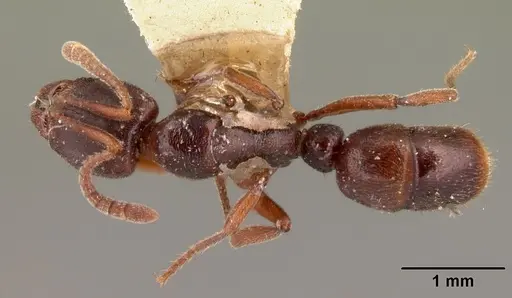
CASENT0101684
Voir sur AntWeb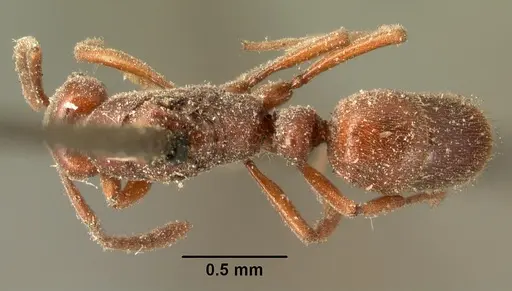
CASENT0101700
Voir sur AntWeb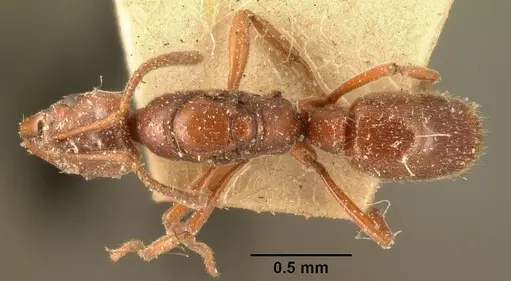
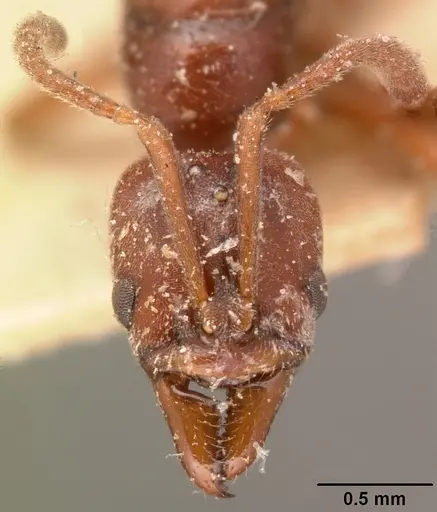
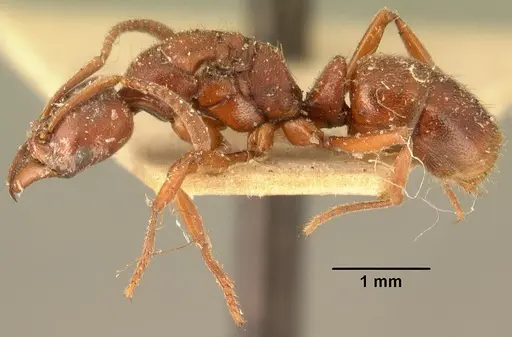
CASENT0102275
Voir sur AntWeb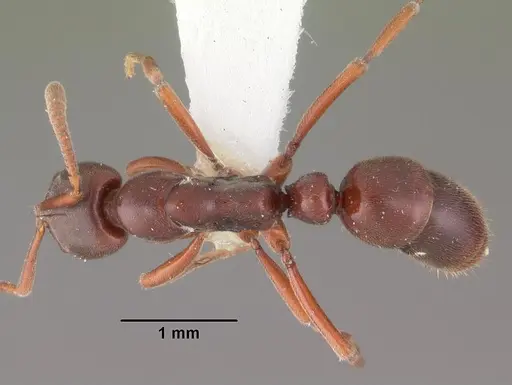
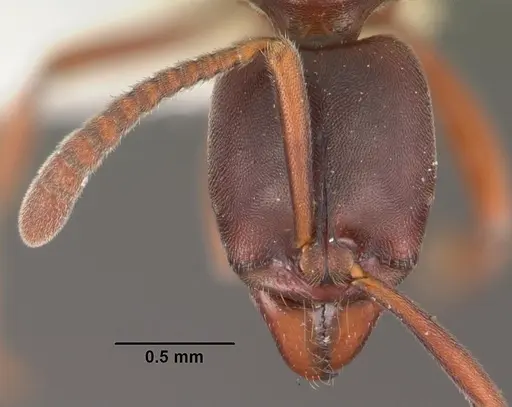
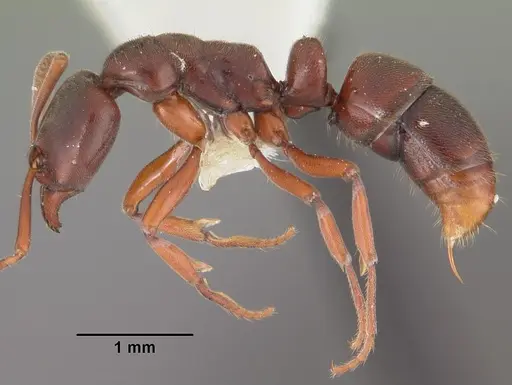
CASENT0102276
Voir sur AntWeb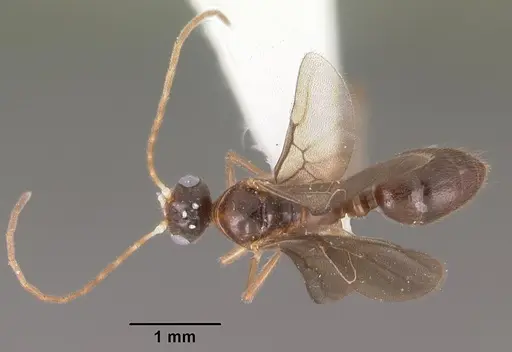
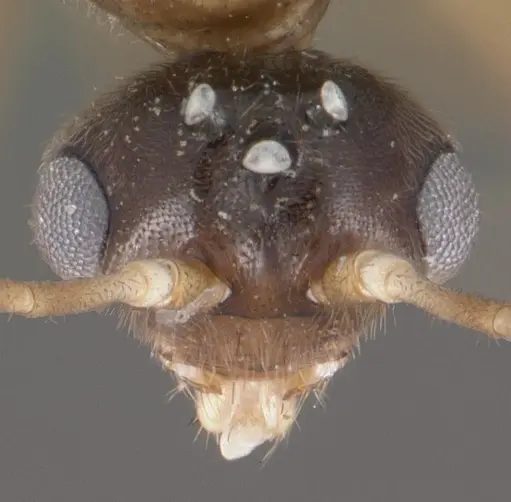
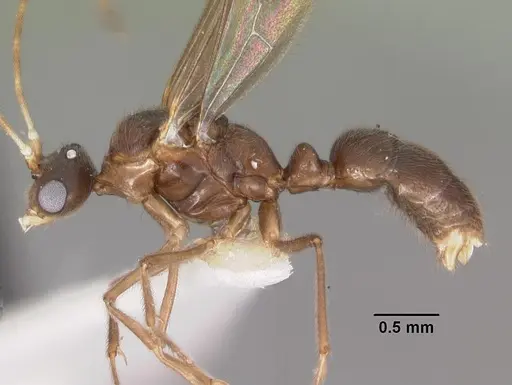
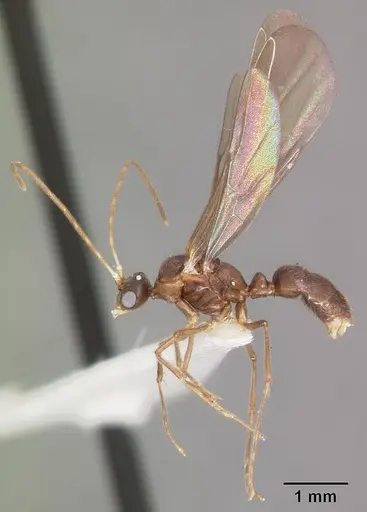
CASENT0149840
Voir sur AntWeb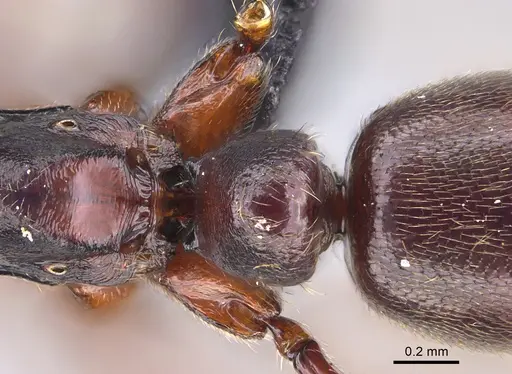
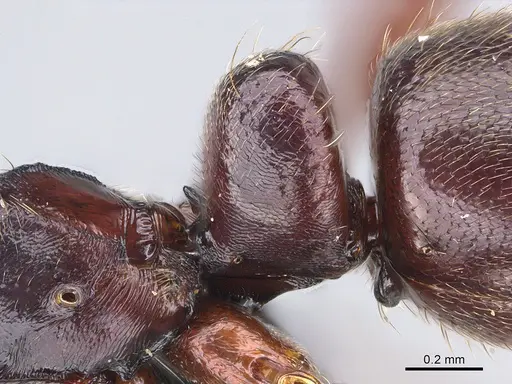
CASENT0494141
Voir sur AntWeb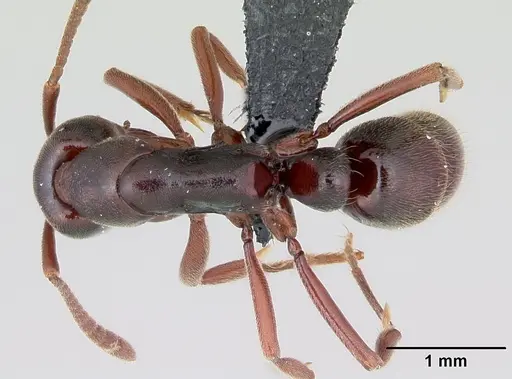
Littérature
Chargement de la carte de répartition...Chargement des produits...