
Formica rufolucida
- Nom sci.
- Formica rufolucida
- Tribu
- Formicini
- Sous-famille
- Formicinae
- Auteur
- Collingwood, 1962
- Distribution
- Trouvé dans 0 pays
Introduction
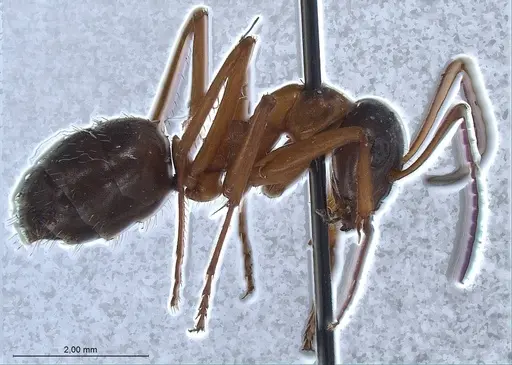
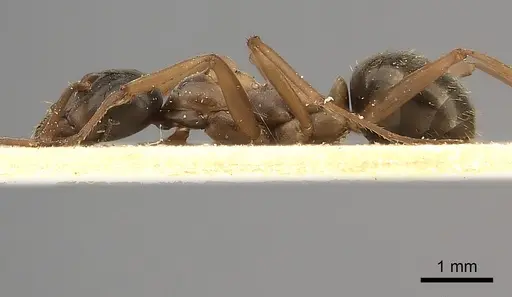
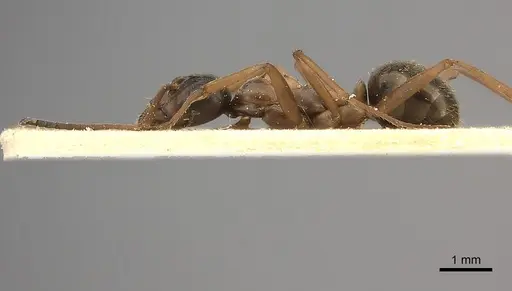
Formica rufolucida is a rare Formica species described from Myanmar in 1962. Workers are small ants with an extremely long scape (antenna segment) that distinguishes them from related species. They belong to the Formicinae subfamily and are part of a separate clade within the genus, not fitting neatly into the typical rufibarbis group. This species is known only from high elevations in Myanmar and adjacent Yunnan, China, ranging from 300 to 2370 meters altitude. The original description was based on worker specimens collected in Myanmar, with queens and males undescribed .
Quick Summary
- Difficulty: Unknown, limited data available
- Origin & Habitat: Myanmar and adjacent Yunnan, China (20.8-27.0°N,92.4-100.0°E). Found at high elevations ranging 300-2370m, with an average of 1721m [1]. The Indomalaya region features tropical and subtropical climates with distinct wet and dry seasons.
- Colony Type: Unknown, colony structure has not been documented. Most Formica species are monogyne (single queen) but some can be polygyne.
- Size & Growth:
- Queen: Size data unavailable, queens have not been described for this species
- Worker: Size data unavailable, only head measurements (CS) exist, not total body length
- Colony: Unknown, no colony size data available
- Growth: Unknown
- Development: Unknown, development time has not been documented for this species (No species-specific development data available)
- Antkeeping:
- Temperature: Keep at room temperature (20-25°C) with a gradient. The high elevation origin suggests tolerance for cooler conditions than lowland tropical ants.
- Humidity: Keep substrate moderately moist but allow drying between waterings. Avoid overly wet conditions.
- Diapause: Likely required, based on origin from temperate/subtropical region with seasonal temperature changes. Most Formica species need winter dormancy.
- Nesting: No specific nesting data available. Based on regional habitat, likely nests in soil or under stones in natural settings. In captivity, standard formicarium setups with soil chambers work well.
- Behavior: Not specifically documented. Based on typical Formica behavior, workers are likely active foragers that collect honeydew and small insects. They probably have moderate aggression and may spray formic acid as defense (standard for Formicinae). Escape risk is moderate due to worker size, standard barrier methods should suffice.
- Common Issues: very limited species-specific information makes care recommendations uncertain, no documented founding behavior, claustral is assumed but not confirmed, hibernation requirements are estimated rather than confirmed, wild-caught colonies may be difficult to obtain due to rarity, altitude preferences may differ from typical Formica care, queens have never been described, founding method unknown, no total body size measurements exist for this species
Species Identification and Distinction
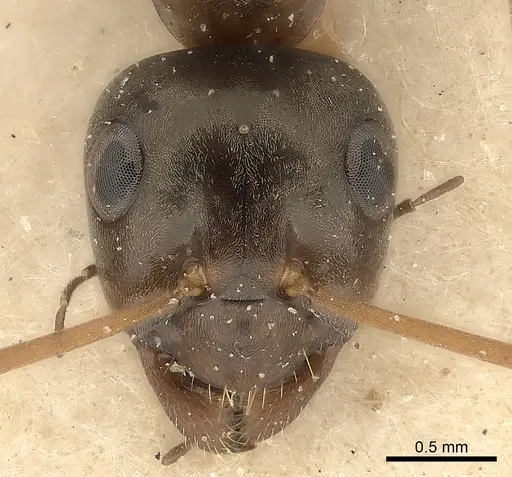
Formica rufolucida can be identified by its extremely long scape, which is notably longer than most related species. The anteromedian margin of the clypeus is slightly excavated, a unique feature among the rufibarbis group species. The head length to width ratio and eye size are also characteristic measurements. These ants were originally described as belonging to the subgenus Neoformica, but recent taxonomic revision places them in a separate clade from the typical rufibarbis group species. The species is known only from worker specimens, with queens and males undescribed [1].
Natural Habitat and Distribution
This species is known only from Myanmar and adjacent Yunnan, China, at latitudes between 20.8-27.0°N and longitudes 92.4-100.0°E. The altitudinal range is remarkable, spanning from 300 to 2370 meters with an average collection elevation of 1721m. This high-elevation distribution suggests the species prefers cooler, more temperate conditions than many tropical ants. The region features tropical and subtropical climates with monsoonal rainfall patterns. In their natural habitat, these ants likely experience distinct seasonal temperature fluctuations that would influence their care requirements in captivity [1].
Estimated Care Requirements
Since Formica rufolucida has not been kept in captivity documented in antkeeping literature, care recommendations must be estimated from related Formica species and the species' known elevation range. Keep temperatures in the range of 20-25°C, with a gradient allowing workers to choose their preferred zone. The high elevation origin suggests they may tolerate cooler conditions than typical lowland ants. Humidity should be moderate, with a substrate that can dry partially between waterings. Like most Formica species, they will likely benefit from a winter dormancy period of 2-3 months at reduced temperatures (5-10°C). Feeding should follow typical Formica diets: sugar water or honey regularly, plus protein sources like insects or commercial ant food.
Research Gaps and Future Study
Formica rufolucida represents a species with significant knowledge gaps. The original description from 1962 only covers worker morphology, with queens, males, and colony structure entirely undocumented. No ecological studies, behavioral observations, or captive breeding records exist for this species. The altitudinal range data suggests interesting adaptations to high-elevation environments that warrant further study. For antkeepers, this represents both a challenge (limited guidance) and an opportunity (potential for new discoveries). Anyone successful in establishing a colony of this species would contribute valuable information to the antkeeping community [1].
Frequently Asked Questions
How long does it take for Formica rufolucida to go from egg to worker?
The exact development time is unknown for this species. No documented observations exist for Formica rufolucida specifically.
Do Formica rufolucida ants need hibernation?
Likely yes, based on their origin from a temperate/subtropical region with seasonal temperature changes. Most Formica species require 2-3 months of winter dormancy at temperatures around 5-10°C. However, this has not been confirmed for this specific species.
What do Formica rufolucida ants eat?
Not documented for this species, but based on typical Formica diet, they likely accept sugar sources (honey water, sugar water) and protein (insects, commercial ant food).
Are Formica rufolucida good for antkeeping beginners?
Not recommended for beginners due to limited species-specific information available. The high-elevation origin and unknown colony structure make care uncertain. More common Formica species like Formica fusca or Formica rufa have better-documented care requirements.
How big do Formica rufolucida colonies get?
Colony size is unknown, no colony data has been documented for this species.
Can I keep multiple Formica rufolucida queens together?
Unknown, colony structure has not been documented for this species. Most Formica species are monogyne (single queen), but some can be polygyne. Do not attempt combining unrelated queens without specific knowledge of this species' behavior.
What temperature should I keep Formica rufolucida at?
Estimated 20-25°C based on their high-elevation origin in Myanmar/Yunnan. Provide a temperature gradient so workers can self-regulate. They may tolerate slightly cooler conditions than typical tropical ants due to their elevation range.
When do Formica rufolucida nuptial flights occur?
Unknown, nuptial flight timing has not been documented for this species.
Is Formica rufolucida a difficult species to keep?
Difficulty level is unknown due to limited data. The main challenge is the lack of species-specific care information. Expect some trial and error when establishing care protocols. This species would be best suited for experienced antkeepers interested in documenting new species behavior.
Report an Issue
The current care sheet is based fully on literature. See inconsistencies, or something that's incorrect? Please , it will be resolved after review from an admin. Contributing to the blogs tab also helps providing information, to make us be able to further improve the caresheets. Thank you for your support!
References

Cette fiche d'élevage est sous licence CC BY-SA 4.0 .
Blogs de la communauté
ANTWEB1008422
Voir sur AntWeb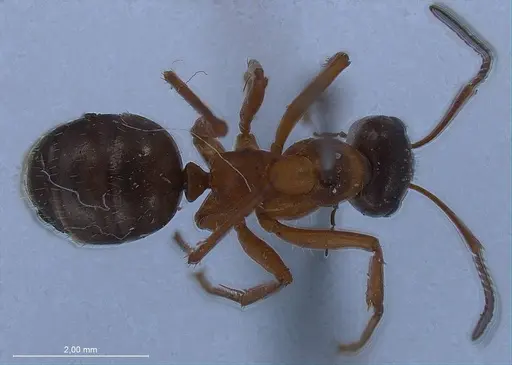
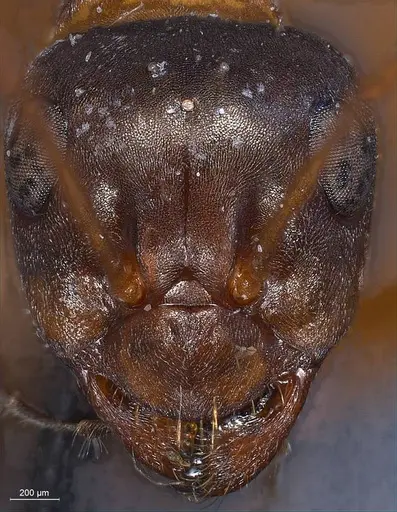
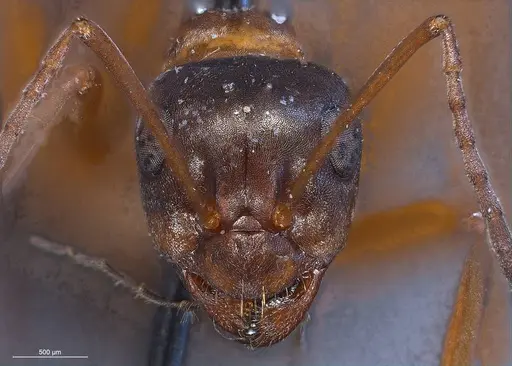
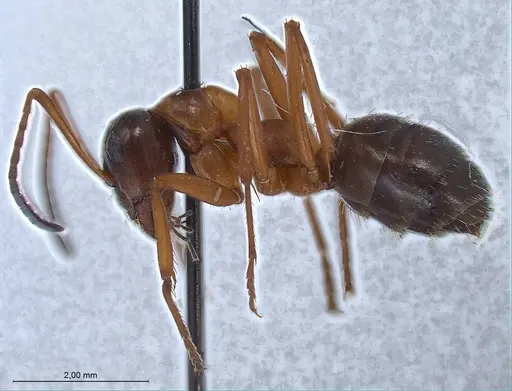
CASENT0235026
Voir sur AntWeb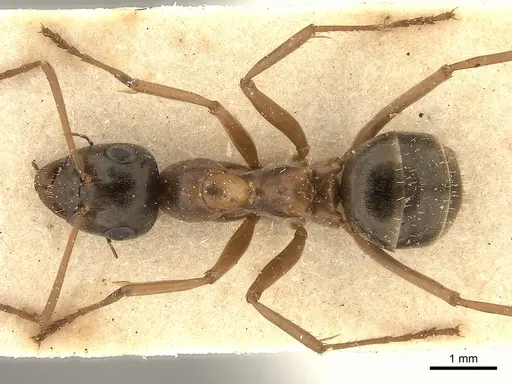
Littérature
Chargement de la carte de répartition...Chargement des produits...