
Forelius grandis
- Nom sci.
- Forelius grandis
- Tribu
- Leptomyrmecini
- Sous-famille
- Dolichoderinae
- Auteur
- Forel, 1912
- Distribution
- Trouvé dans 1 pays
Introduction
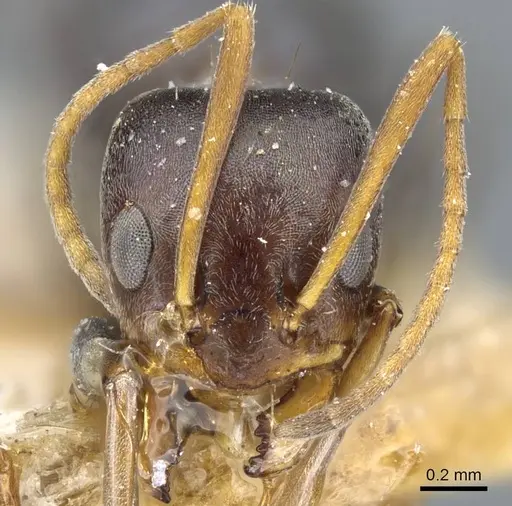
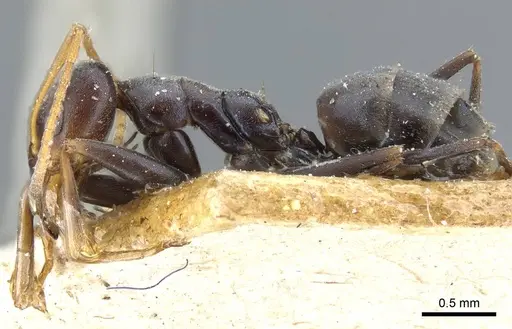
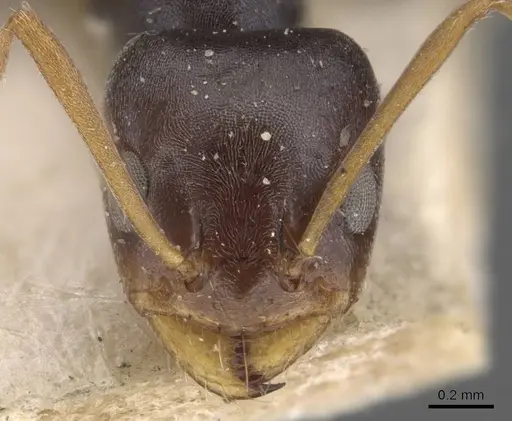
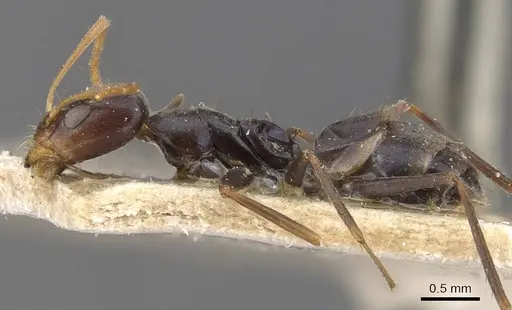
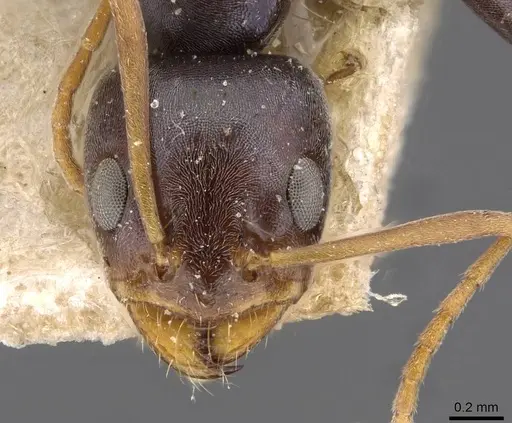
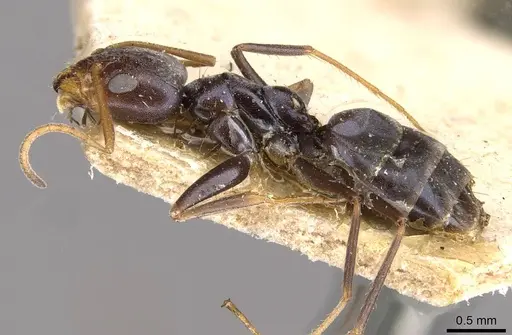
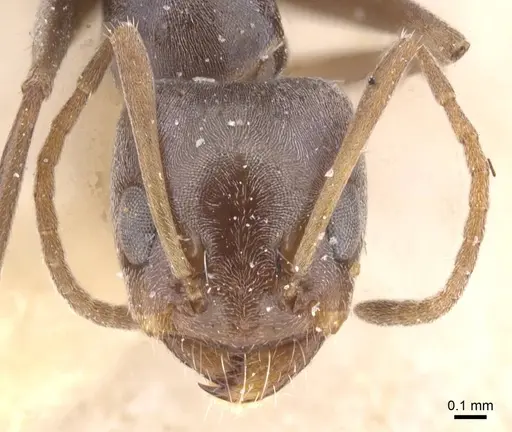
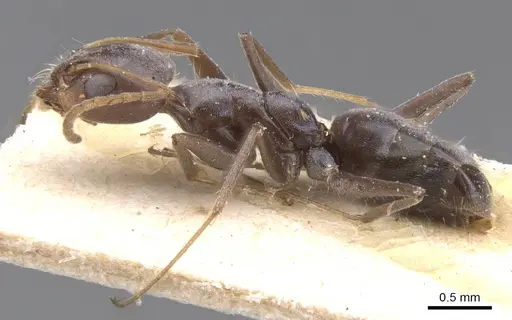
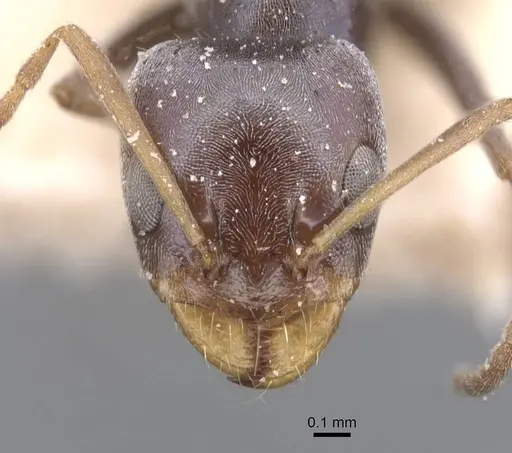
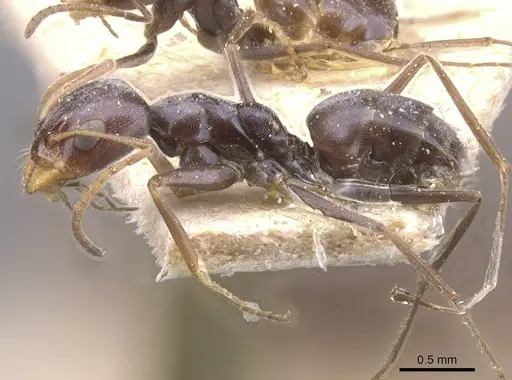
Forelius grandis is a small ant species native to Argentina in the Neotropical region. Workers belong to the Dolichoderinae subfamily, characterized by their smooth body and single waist segment. This species lacks a functional sting and instead uses chemical defense, secreting defensive compounds from a slit-like opening at the tip of the abdomen. The species was originally described as a subspecies of Forelius chalybaeus before being elevated to full species status in 1954 .
Quick Summary
- Difficulty: Unknown, limited species-specific data available
- Origin & Habitat: Argentina in the Neotropical region. Based on genus patterns, they inhabit arid to semi-arid areas with sandy or loose soil substrates [1].
- Colony Type: Unconfirmed, no species-specific data on colony structure
- Size & Growth:
- Queen: Size data unavailable, no specific measurements exist for this species
- Worker: Size data unavailable, no specific measurements exist for this species
- Colony: Unknown, no colony size data exists for this species
- Growth: Unknown, no development data available for this species
- Development: Unconfirmed, no direct measurements exist for this species (Development timeline is unconfirmed.)
- Antkeeping:
- Temperature: Based on their Argentine distribution spanning temperate to subtropical regions, aim for room temperature around 20-24°C. Provide a gentle heat gradient if your room stays below 18°C.
- Humidity: Likely prefers dry to moderate conditions typical of arid Argentine habitats. Keep nest substrate lightly moist but allow it to dry between waterings. Avoid overly damp conditions.
- Diapause: Unknown, Argentine species may experience cooler winters depending on altitude and latitude. If your colony becomes less active in winter, a brief cool period may benefit them.
- Nesting: Likely ground-nesting in natural habitats. In captivity, standard test tubes work well for founding colonies. Once established, they can transition to formicariums with soil or plaster nests.
- Behavior: Forelius ants are generally non-aggressive and docile. They are foragers that likely collect honeydew from aphids and small insects. As Dolichoderinae, they lack a functional stinger and pose no danger to keepers. Their primary defense is chemical secretion rather than stinging. Their small size means they can escape through small gaps, use standard escape prevention with fine mesh barriers.
- Common Issues: limited species-specific data makes precise care recommendations difficult, escape prevention is important due to their small size, wild-caught colonies may harbor parasites or diseases, humidity preferences are not well-documented, monitor for mold or excessive drying
Species Overview and Identification
Forelius grandis is a Neotropical ant species native to Argentina, first described by Forel in 1912. The species was originally classified as a subspecies of Forelius chalybaeus before being elevated to full species status in 1954. Workers belong to the Dolichoderinae subfamily, characterized by their smooth, glossy body and single waist segment. The species was also known by the synonym Forelius grandis before being synonymized. These ants are part of the Leptomyrmecini tribe, which includes several genera of small to medium-sized ants common in arid regions of South America [2][1].
Defense Mechanism
Forelius grandis belongs to the Dolichoderinae subfamily, which lacks a functional sting. Instead, these ants defend themselves by secreting defensive chemical compounds from a slit-like opening at the tip of the abdomen. This is the primary defense mechanism for the Leptomyrmecini tribe.
Housing and Nesting
For captivity, start founding colonies in standard test tube setups with a water reservoir. The tube should be kept upright with a cotton ball separating the water from the ants. Cover the tube with a dark cloth during the founding stage to reduce stress. Once the colony reaches a moderate size, you can consider moving them to a formicarium. Based on typical Forelius nesting behavior, they likely prefer enclosed spaces with soil or plaster substrate. Avoid overly large nests for small colonies, they feel safer in tighter spaces.
Feeding and Diet
Like most Dolichoderinae ants, Forelius grandis likely accepts a varied diet of sugars and proteins. Offer sugar water or honey water as a constant energy source. For protein, provide small insects like fruit flies, small mealworms, or other appropriately-sized prey. They may also collect honeydew from aphids if you keep aphids in their outworld. Feed protein sources several times per week, and remove any uneaten prey within 24 hours to prevent mold. Fresh water should always be available.
Temperature and Seasonal Care
Keep colonies at room temperature, ideally around 20-24°C. Argentine species experience seasonal variation, so they can likely tolerate temperatures from around 15°C to 28°C. If your room is consistently cool, a small heating cable on one side of the nest can create a gradient. Place heating on top of the nest material to avoid drying it out. During winter, observe your colony, if they become less active, a brief cool period may be beneficial, though this is not confirmed as required for this species.
Behavior and Colony Dynamics
Forelius ants are generally peaceful and non-aggressive. Workers are foragers that search for sweet liquids and small prey. As Dolichoderinae, they lack a painful sting and are safe to handle. Their defense mechanism involves chemical secretion rather than stinging. Colonies likely have a single founding queen, though this is unconfirmed for this species. Workers care for brood, forage for food, and maintain the nest. Their small size means they can slip through tiny gaps, always use fine mesh and check for escape routes.
Frequently Asked Questions
How long does it take for Forelius grandis to produce first workers?
The egg-to-worker timeline is unconfirmed for this species. There is no documented development data available.
What do Forelius grandis eat?
They likely accept sugar sources (honey water, sugar water) and protein (small insects like fruit flies, pinhead crickets, mealworms).
Are Forelius grandis good for beginners?
This is difficult to assess due to limited species-specific data. They may be manageable for beginners once established, but the lack of documented care information makes them a species for keepers comfortable with some uncertainty.
How big do Forelius grandis colonies get?
Colony size is unconfirmed for this species. There are no documented colony size records for Forelius grandis.
Do Forelius grandis need hibernation?
Diapause requirements are unknown for this species. Argentine species may experience seasonal temperature drops, so a brief cool period in winter may be beneficial if your colony shows reduced activity.
Can I keep multiple Forelius grandis queens together?
This is not documented for this species. There is no data on whether they are single-queen or multi-queen colonies. It is not recommended to combine unrelated queens.
What temperature is best for Forelius grandis?
Based on their Argentine distribution, aim for 20-24°C. They likely tolerate a range from 15-28°C. Room temperature is usually suitable.
Why are my Forelius grandis dying?
Without species-specific data, common issues could include: improper humidity (too wet or too dry), temperature stress, escape and loss, or parasites from wild-caught colonies. Monitor your colony closely and adjust conditions gradually.
When should I move Forelius grandis to a formicarium?
Wait until the colony has a moderate number of workers and the test tube setup becomes crowded. Make sure the formicarium has appropriately-sized chambers for their small size.
Report an Issue
The current care sheet is based fully on literature. See inconsistencies, or something that's incorrect? Please , it will be resolved after review from an admin. Contributing to the blogs tab also helps providing information, to make us be able to further improve the caresheets. Thank you for your support!
References

Cette fiche d'élevage est sous licence CC BY-SA 4.0 .
Blogs de la communauté
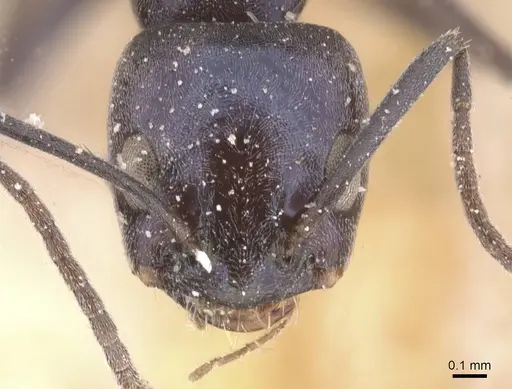
CASENT0905115
Voir sur AntWeb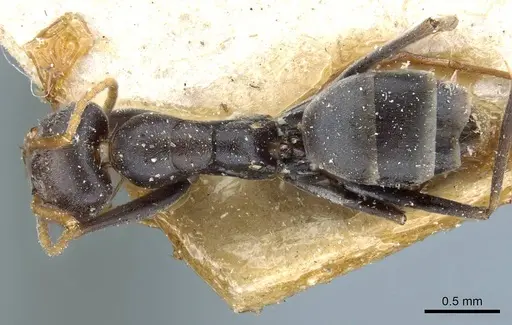
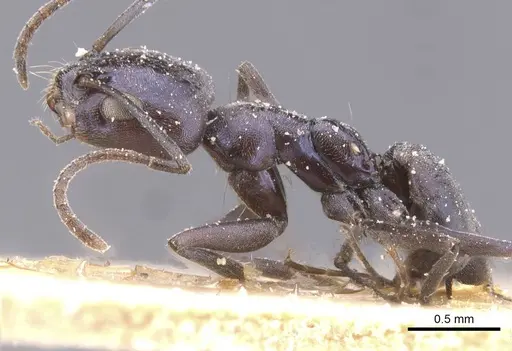
CASENT0907619
Voir sur AntWeb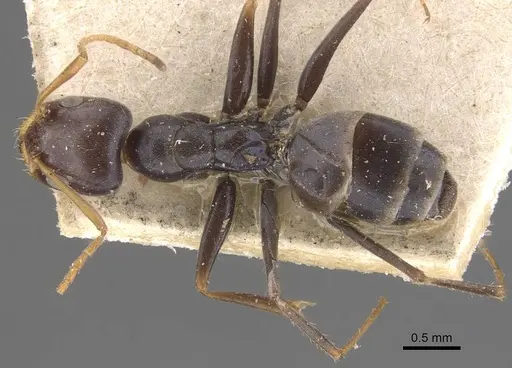
CASENT0909714
Voir sur AntWeb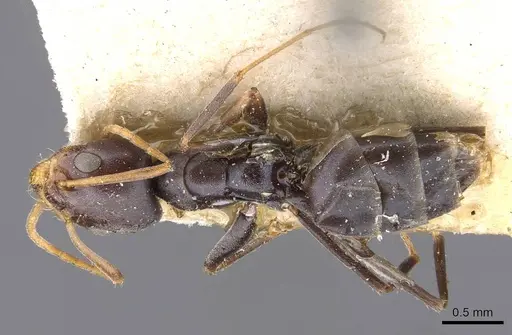
CASENT0911549
Voir sur AntWeb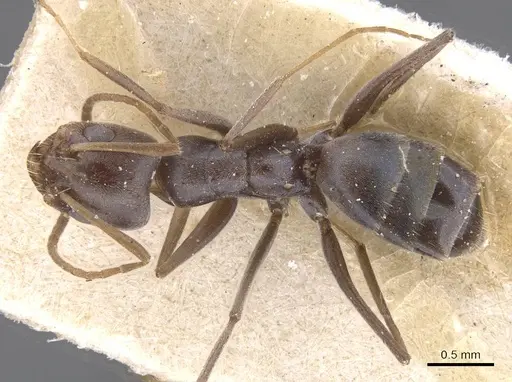
CASENT0911550
Voir sur AntWeb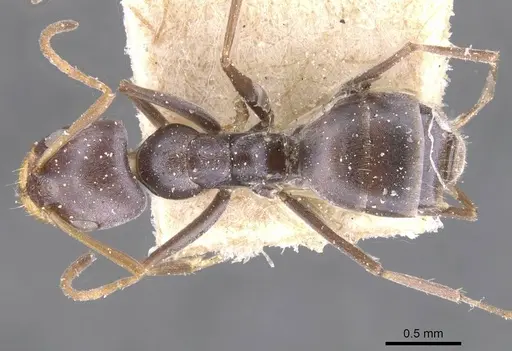
CASENT0911551
Voir sur AntWeb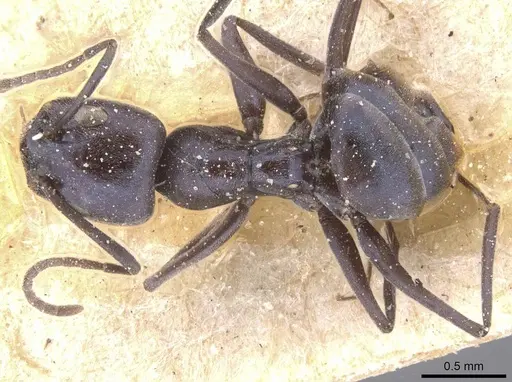
Littérature
Chargement de la carte de répartition...Chargement des produits...