
Ectomomyrmex obtusus
- Nom sci.
- Ectomomyrmex obtusus
- Tribu
- Ponerini
- Sous-famille
- Ponerinae
- Auteur
- Emery, 1900
- Distribution
- Trouvé dans 0 pays
Introduction
Ectomomyrmex obtusus is a medium-sized ant in the subfamily Ponerinae, found across the Indomalaya region including Borneo, Indonesia, Malaysia, and recently southern China . Workers are robust with a powerful stinger and strong mandibles, typical of Ponerini ants. This species was originally described as Pachycondyla obtusa before being reclassified back to Ectomomyrmex. As a Ponerinae species, these ants are predatory and maintain a more primitive social structure compared to advanced ant subfamilies.
Quick Summary
- Difficulty: Medium
- Origin & Habitat: Southeast Asia and southern China. Found in Borneo, Indonesia, Malaysia, and recently recorded in Yunnan Province, China [1]. Inhabits tropical rainforest environments.
- Colony Type: Colony structure is unconfirmed.
- Size & Growth:
- Queen: Size data unavailable, Ponerinae queens are typically larger than workers
- Worker: Size data unavailable, typical for Ponerinae medium workers
- Colony: Colony size data unavailable
- Growth: Moderate
- Development: Development time is unconfirmed, estimates from related Ponerinae species suggest several months at tropical temperatures (Specific data for Ectomomyrmex obtusus is unavailable)
- Antkeeping:
- Temperature: Keep at 24-28°C. Tropical species requiring warm conditions. A heating cable on one side of the nest creates a suitable gradient.
- Humidity: High humidity required, aim for 70-85%. Keep the nest substrate consistently moist but not waterlogged.
- Diapause: No, tropical species does not require hibernation
- Nesting: In nature, they nest in soil or rotting wood in shaded forest areas. In captivity, a naturalistic setup with moist substrate or a Y-tong/plaster nest works well.
- Behavior: Ponerinae ants are predatory with a functional stinger. Workers are aggressive when defending the colony and will readily sting intruders. They are active foragers that hunt small invertebrates. Escape prevention is important, they can climb smooth surfaces and are medium-sized. Their stinger can penetrate human skin and causes pain.
- Common Issues: Predatory nature means they need live prey, cannot survive on sugar alone, High humidity requirements can lead to mold if ventilation is poor, Sting pain may cause keepers to handle them roughly, leading to colony stress, Slow development compared to more common ant species may lead to keeper impatience, Wild-caught colonies may have parasites that can devastate captive populations
Housing and Nest Setup
Ectomomyrmex obtusus requires a setup that maintains high humidity while providing adequate ventilation. A naturalistic terrarium-style setup works well, use a container filled with moist substrate (peat, coco fiber, or a soil-sand mix) that stays damp but does not become waterlogged. Provide a shallow water dish in the outworld for drinking. Since they are predatory, the outworld should have space for hunting. A Y-tong or plaster nest with a water reservoir also works, but monitor humidity carefully to prevent mold. Escape prevention should be moderate, these ants are medium-sized and can climb, so standard barrier methods are sufficient. [1]
Feeding and Diet
As a Ponerinae ant, Ectomomyrmex obtusus is primarily predatory and needs live food to thrive. Offer small live invertebrates such as fruit flies, pinhead crickets, small mealworms, and other appropriately-sized prey. They will likely accept dead prey if moved by workers, but live hunting is important for their natural behavior. Sugar sources may be accepted occasionally, but do not rely on them as a primary food source. Feed every 2-3 days, adjusting based on colony size and consumption. Remove uneaten prey to prevent mold.
Temperature and Seasonal Care
Keep these ants warm at 24-28°C year-round. This is a tropical species from Southeast Asia, and cooler temperatures will slow development and reduce activity. Use a heating cable on one side of the nest to create a temperature gradient, allowing workers to regulate their own temperature by moving between warmer and cooler areas. Monitor the nest with a thermometer to ensure the warm end stays within range. Unlike temperate species, they do not require hibernation or diapause.
Behavior and Defense
Ectomomyrmex obtusus has a functional stinger and will use it when threatened. Workers are aggressive and will attack intruders that come too close to the nest. When keeping this species, observe from a distance rather than frequently disturbing the colony. They are active foragers that search for prey in the outworld. Workers can communicate the location of food sources to nestmates. The stinger can penetrate human skin and causes a painful sting similar to other Ponerinae ants. Handle with care and use appropriate escape prevention rather than frequent transfers.
Frequently Asked Questions
How long does it take for Ectomomyrmex obtusus to produce first workers?
Specific development data for this species is not available. Based on related Ponerinae species, expect several months from egg to first worker at optimal temperature (24-28°C).
Do Ectomomyrmex obtusus ants sting?
Yes, they have a functional stinger and will sting if threatened. The sting is painful and can penetrate human skin. Handle with care and avoid provoking the colony.
What do Ectomomyrmex obtusus eat?
They are predatory ants that primarily eat live small invertebrates. Offer fruit flies, pinhead crickets, small mealworms, and similar prey. Sugar water may be occasionally accepted but should not be a primary food source.
Can I keep multiple Ectomomyrmex obtusus queens together?
Not recommended. Combining unrelated queens of this species has not been studied, and Ponerinae queens typically establish solitary colonies. It is safest to keep one queen per colony.
Are Ectomomyrmex obtusus good for beginners?
This species is rated as medium difficulty. While not the most challenging ant, the need for live prey, high humidity, and warm temperatures make it better suited for keepers with some experience. Beginners may struggle with the predatory feeding requirements.
What humidity level do Ectomomyrmex obtusus need?
High humidity of 70-85% is required. Keep the nest substrate consistently moist but not waterlogged. A water reservoir in the nest setup helps maintain humidity.
When should I move Ectomomyrmex obtusus to a formicarium?
Wait until the colony has a decent number of workers before considering a formicarium. Ponerinae colonies grow more slowly than species like Camponotus or Messor. A naturalistic setup can be used from the start if it maintains proper humidity.
How big do Ectomomyrmex obtusus colonies get?
Specific colony size data for this species is not available. Ponerinae colonies typically reach several hundred workers at maturity.
Do Ectomomyrmex obtusus need hibernation?
No, this is a tropical species from Southeast Asia and does not require hibernation. Keep temperatures warm year-round (24-28°C).
Why are my Ectomomyrmex obtusus dying?
Common causes include: low humidity (below 70%), temperatures outside 24-28°C, lack of live prey, mold from poor ventilation, or stress from frequent disturbance. Check these parameters first. Wild-caught colonies may also carry parasites.
Report an Issue
The current care sheet is based fully on literature. See inconsistencies, or something that's incorrect? Please , it will be resolved after review from an admin. Contributing to the blogs tab also helps providing information, to make us be able to further improve the caresheets. Thank you for your support!
References

Cette fiche d'élevage est sous licence CC BY-SA 4.0 .
Blogs de la communauté
CASENT0903897
Voir sur AntWeb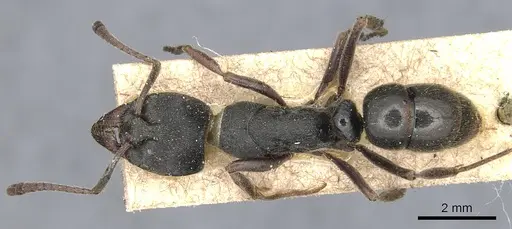
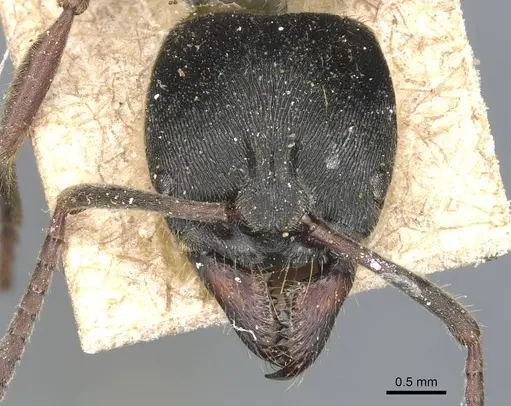
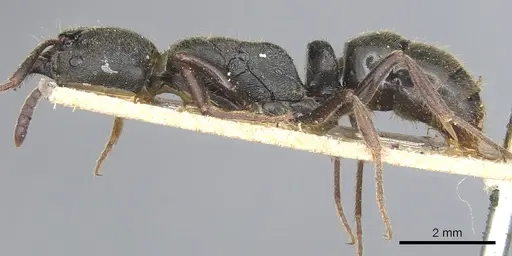
Littérature
Chargement de la carte de répartition...Chargement des produits...