
Echinopla octodentata
- Nom sci.
- Echinopla octodentata
- Tribu
- Camponotini
- Sous-famille
- Formicinae
- Auteur
- Stitz, 1911
- Distribution
- Trouvé dans 0 pays
Introduction
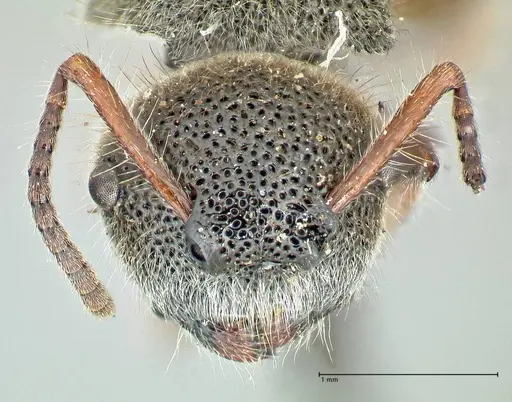
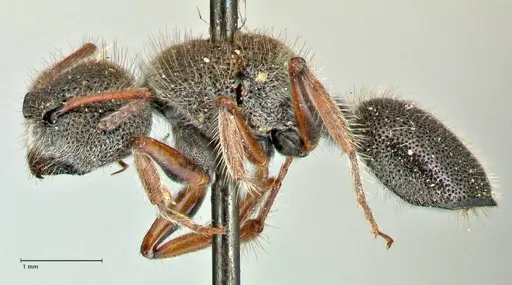
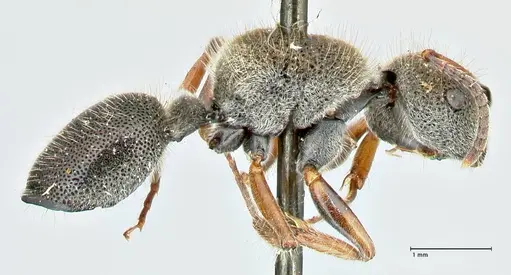
Echinopla octodentata is a medium-sized ant species belonging to the serrata species group, native to New Guinea in the Australasian region . Workers have a black body with reddish antennae and reddish legs . The mesosoma displays distinctive features including regular circular cribrate holes, a metanotal groove that is present but not deeply impressed, and a strong constriction between the mesonotum and propodeum when viewed from above . This species was originally described as a variety of Echinopla australis in 1911 and raised to full species status in 1938 [AntWiki]. As a member of the Formicinae subfamily, they lack a functional sting and instead use formic acid spray as their primary defense mechanism.
Quick Summary
- Difficulty: Unknown, limited captive keeping data available
- Origin & Habitat: New Guinea in the Australasian region [1][2]. This tropical island has warm temperatures and high humidity year-round.
- Colony Type: Colony structure is unconfirmed. Based on typical Formicinae patterns, this species likely forms single-queen colonies, but this has not been directly documented.
- Size & Growth:
- Queen: Size data unavailable, no specific measurements documented for this species
- Worker: Size data unavailable, no specific measurements documented for this species
- Colony: Unknown, no colony size data available for this species
- Growth: Unknown
- Development: Unknown, no development data available for this species (Development timeline is unconfirmed. Tropical Formicinae typically develop faster than temperate species due to year-round warm conditions.)
- Antkeeping:
- Temperature: Based on New Guinea tropical distribution, keep warm around 24-28°C. A gentle gradient allowing workers to choose their preferred temperature is ideal.
- Humidity: Tropical species likely require high humidity, aim for 70-85% relative humidity. Keep the nest substrate consistently moist but not waterlogged.
- Diapause: No, tropical species from New Guinea do not require hibernation. Maintain consistent warm conditions year-round.
- Nesting: Natural nesting habits are unconfirmed for this species. Related Echinopla species often nest in rotting wood, under bark, or in soil cavities. A naturalistic setup with moist substrate or a Y-tong/plaster nest with good humidity retention would likely work well.
- Behavior: Behavior is not well documented. As Formicinae ants, they lack a functional sting and instead use chemical defense by spraying formic acid from their acidopore while biting. Their small to medium size suggests moderate escape prevention measures are needed, ensure enclosures have tight-fitting lids and check for small gaps.
- Common Issues: limited species-specific care information makes proper husbandry challenging, humidity control is critical, tropical ants easily die in dry conditions, escape prevention needed due to unknown escape behavior, no documented diet preferences, experimentation may be required, no available data on colony founding or development timelines
Species Identification and Taxonomy
Echinopla octodentata belongs to the serrata species group within the ant genus Echinopla [1]. This species was originally described as a variety of Echinopla australis by Stitz in 1911, based on worker specimens collected from New Guinea [2]. In 1938, Stitz raised octodentata to full species status [2]. The key identification features include regular circular cribrate holes on the mesosoma (not oblong), a mesosoma strongly constricted between the mesonotum and propodeum in dorsal view, and a metanotal groove that is present but not deeply impressed [1]. The body is black with reddish antennae and legs, which helps distinguish it from similar species [1].
Distribution and Natural Habitat
Echinopla octodentata is found exclusively in New Guinea, which is a large island in the southwestern Pacific Ocean shared between Indonesia and Papua New Guinea [1][2]. New Guinea has a tropical climate with high year-round temperatures and significant rainfall. The island features diverse habitats including lowland rainforests, montane forests, and savanna areas. While the specific microhabitat preferences of E. octodentata are not documented, the genus Echinopla generally includes species that inhabit forest environments, typically nesting in rotting wood, under loose bark, or in soil cavities. The tropical distribution suggests this species requires warm, humid conditions similar to other Australasian Formicinae.
Housing and Nesting
Since specific nesting data is unavailable for Echinopla octodentata, housing recommendations must be based on related species and general Formicinae husbandry. A naturalistic setup with moist substrate works well for tropical forest ants, use a mixture of soil and organic material that holds humidity well. Alternatively, a Y-tong nest or plaster nest with a water reservoir can maintain the high humidity this species likely requires. The nest should have chambers scaled to the worker size, start with a test tube setup for newly caught queens and colonies, then transition to a formicarium as the colony grows. Ensure excellent escape prevention, while not confirmed, most Formicinae can climb smooth surfaces, so barrier gel or fluon on container rims is recommended.
Feeding and Diet
The specific diet of Echinopla octodentata has not been documented. As a Formicinae ant, they likely have omnivorous habits similar to related genera like Camponotus. In captivity, offer a varied diet including sugar sources (honey water, sugar water) for energy, and protein sources such as small insects (fruit flies, small crickets, mealworms). Tropical ants often supplement their diet with honeydew from aphids or scale insects, so offering sugar water regularly is advisable. Feed protein 2-3 times per week and provide constant access to sugar water. Remove uneaten prey after 24-48 hours to prevent mold issues.
Temperature and Humidity Requirements
Based on the New Guinea tropical distribution, Echinopla octodentata requires warm, humid conditions. Maintain temperatures in the range of 24-28°C, this is typical for tropical ant species. A slight temperature gradient allowing workers to self-regulate is beneficial. Humidity should be kept high at 70-85% relative humidity. This can be achieved by keeping the nest substrate moist, using a water reservoir in the formicarium, and limiting ventilation that would dry the air. Use a digital hygrometer to monitor conditions. Unlike temperate species, no hibernation or winter diapause is needed, maintain consistent conditions year-round.
Colony Development and Growth
No specific development data exists for Echinopla octodentata. Based on typical Formicinae development patterns in tropical species, expect the first workers (nanitics) to emerge several weeks after the queen lays eggs, assuming optimal temperature around 26°C. The queen will remain sealed in her founding chamber while raising the first brood on her stored fat reserves. Initial colony growth will be slow, the first nanitic workers are typically smaller than mature workers. As the colony establishes, growth should accelerate. Maximum colony size is unknown for this species.
Frequently Asked Questions
How long does it take for Echinopla octodentata to raise first workers?
The exact timeline is unknown for this species. Development time may vary based on temperature and other factors.
What temperature should I keep Echinopla octodentata at?
Keep them warm at 24-28°C. This matches their natural tropical habitat in New Guinea. A gentle temperature gradient allows the colony to self-regulate.
What do Echinopla octodentata eat?
Specific diet is unconfirmed, but likely omnivorous like other Formicinae. Offer sugar water or honey regularly for energy, and small insects (fruit flies, small crickets, mealworms) for protein. Remove uneaten food promptly.
Do Echinopla octodentata need hibernation?
No, as a tropical species from New Guinea, they do not require hibernation or winter cooling. Maintain warm, consistent temperatures year-round.
How big do Echinopla octodentata colonies get?
Maximum colony size is unknown for this species. No documented data exists on colony size.
Is Echinopla octodentata good for beginners?
This species is not recommended for beginners due to limited species-specific care information. The lack of documented husbandry data makes proper care challenging. Consider starting with better-documented species like Camponotus or Lasius.
Can I keep multiple Echinopla octodentata queens together?
Colony structure is unconfirmed for this species. Combining unrelated queens is not recommended as it has not been documented. Most Formicinae establish single-queen colonies.
What humidity level does Echinopla octodentata need?
Aim for high humidity at 70-85% relative humidity. This tropical species likely desiccates easily in dry conditions. Keep nest substrate consistently moist but not waterlogged.
When should I move Echinopla octodentata to a formicarium?
Keep newly caught queens in a simple test tube setup until the first workers emerge and the colony reaches 20-30 workers. Then you can transition to a formicarium with appropriate humidity control.
Report an Issue
The current care sheet is based fully on literature. See inconsistencies, or something that's incorrect? Please , it will be resolved after review from an admin. Contributing to the blogs tab also helps providing information, to make us be able to further improve the caresheets. Thank you for your support!
References

Cette fiche d'élevage est sous licence CC BY-SA 4.0 .
Blogs de la communauté
FOCOL2560
Voir sur AntWeb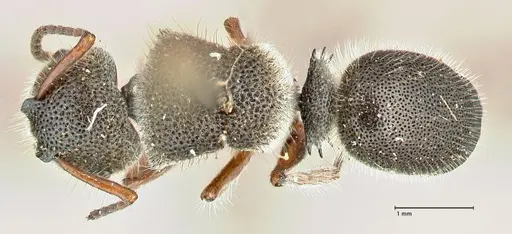
Littérature
Chargement de la carte de répartition...Chargement des produits...