
Echinopla nitida
- Nom sci.
- Echinopla nitida
- Tribu
- Camponotini
- Sous-famille
- Formicinae
- Auteur
- Smith, 1863
- Distribution
- Trouvé dans 0 pays
Introduction
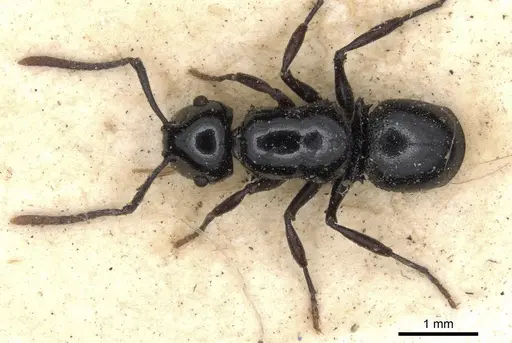
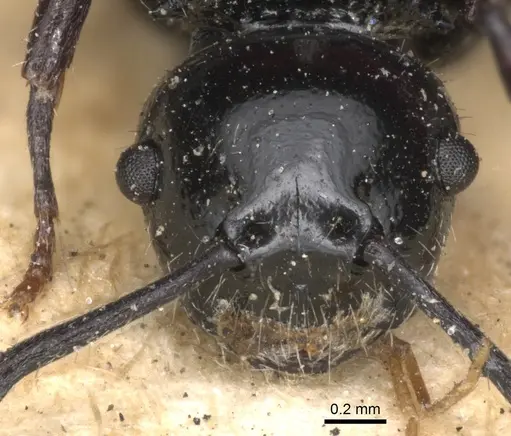
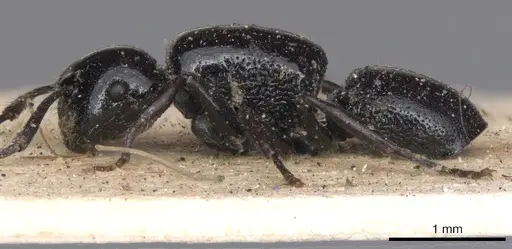
Echinopla nitida is a tropical ant species native to the Indonesian archipelago, specifically found in the Moluccas (including Seram Island) and Borneo . Workers have a distinctive smooth, shiny black body with yellowish-brown antennae, palpi, and tarsi. The petiole (waist segment) has spines and teeth along its sides. Eyes are positioned behind the midlength of the head, and the dorsal surface of the body is smooth and hairless . This species is the sole member of the Echinopla nitida group, making it taxonomically unique within its genus . As a Formicinae ant related to Camponotus, they are active foragers typical of tropical forest environments.
Quick Summary
- Difficulty: Medium
- Origin & Habitat: Tropical Indonesia, specifically the Moluccas (Seram Island) and Borneo in the Indomalaya region [1][2][3]. Inhabits forest environments.
- Colony Type: Colony structure is unconfirmed. No specific literature data on queen number or colony social structure.
- Size & Growth:
- Queen: Size data unavailable, no measurements in available literature
- Worker: Size data unavailable, no measurements in available literature
- Colony: Unknown, no colony size data available
- Growth: Unknown, growth rate not studied
- Development: Unknown, development timeline has not been documented (No direct development data available for this species.)
- Antkeeping:
- Temperature: Keep at 24-28°C, these are tropical ants requiring warm conditions. A gentle gradient allowing them to self-regulate is ideal.
- Humidity: High humidity (70-85%), mimic their tropical forest habitat. Keep substrate consistently moist but not waterlogged.
- Diapause: No, tropical species does not require hibernation. Maintain warm conditions year-round.
- Nesting: In nature they likely nest in rotting wood or tree hollows based on typical Echinopla genus patterns. In captivity, a Y-tong (AAC) nest or plaster nest with good humidity retention works well. Provide damp substrate and avoid drying out.
- Behavior: Active foragers with moderate aggression when defending the colony. As Formicinae, they do not have a functional sting but can spray formic acid as a defense mechanism. They are likely good climbers and may show arboreal tendencies. Escape prevention should be moderate, they are not extremely small but are active and may explore.
- Common Issues: lack of specific care data makes precise care challenging, start with standard tropical ant protocols and adjust based on colony response, tropical humidity requirements can lead to mold if ventilation is poor, balance humidity with adequate airflow, unknown colony size means keepers should be prepared for potentially larger colonies and plan accordingly, warm temperature needs year-round can increase costs for heating in temperate climates
Nest Preferences and Housing
Echinopla nitida is a tropical species from the Indonesian archipelago. In captivity, provide a nest that can maintain high humidity while allowing for good ventilation. Y-tong (AAC) nests or plaster nests work well for this species. The nest chambers should be appropriately sized, avoid overly large spaces that might make the colony feel insecure. Keep the nest substrate consistently moist but not waterlogged, as these tropical ants need damp conditions to thrive. A water reservoir or moisture gradient in the nest helps maintain proper humidity levels. [1][2]
Feeding and Diet
As a Formicinae ant related to Camponotus, Echinopla nitida likely has an omnivorous diet. They probably consume nectar, honeydew from aphids and scale insects, and small insects for protein. In captivity, offer a varied diet including sugar water or honey as an energy source, and protein sources such as small crickets, mealworms, or other appropriately sized insects. Feed protein 2-3 times per week and keep sugar sources available constantly. Remove uneaten prey after 24-48 hours to prevent mold. Observe your colony's preferences, some colonies are more selective than others.
Temperature and Seasonal Care
These tropical ants require warm temperatures year-round. Maintain the nest area at 24-28°C, with a slight gradient allowing workers to self-regulate their temperature preference. A heating cable or mat on one side of the nest can create this gradient. Unlike temperate species, Echinopla nitida does not require diapause or hibernation. Maintaining consistent warmth is critical, temperatures below 20°C for extended periods can stress the colony and slow or stop brood development. [1]
Behavior and Colony Dynamics
Echinopla nitida workers are active foragers, likely searching for both sugar sources and prey throughout the nest and outworld. As Formicinae, they possess formic acid for defense rather than a sting, so they are not dangerous to humans. The colony will likely grow over time, though exact colony size maximums are unknown. Workers are moderately aggressive when the nest is disturbed and will attempt to defend the colony. The species is arboreal in origin, so they may benefit from climbing structures in the outworld. Monitor for escape attempts and ensure connections between nest areas are secure. [3]
Frequently Asked Questions
How long does it take for Echinopla nitida to produce first workers?
The exact egg-to-worker timeline is unknown as this species has not been studied in detail. Based on typical tropical Formicinae development patterns, expect approximately 6-10 weeks from egg to first worker at optimal warm temperatures (24-28°C). Be patient, development can vary based on temperature and colony health.
What temperature should I keep Echinopla nitida at?
Keep them warm at 24-28°C. These are tropical Indonesian ants that need consistent warmth. A heating cable or mat on part of the nest can help maintain these temperatures, especially in cooler climates. Avoid temperatures below 20°C.
What do Echinopla nitida ants eat?
They are omnivorous. Offer sugar sources like honey or sugar water continuously for energy, and protein sources like small insects (crickets, mealworms) 2-3 times per week. They likely also consume nectar and honeydew in the wild.
Do Echinopla nitida need hibernation?
No, they are tropical ants from Indonesia and do not require hibernation or diapause. Keep them warm year-round at 24-28°C.
How big do Echinopla nitida colonies get?
The maximum colony size is not documented in available literature. Based on related Formicinae, colonies likely reach several hundred workers over time. Start with a small setup and be prepared to upgrade as the colony grows.
What humidity do Echinopla nitida need?
High humidity of 70-85% is ideal. These tropical forest ants need damp conditions. Keep the nest substrate consistently moist but not waterlogged, and ensure good ventilation to prevent mold.
Are Echinopla nitida good for beginners?
They are rated as Medium difficulty. While not the most challenging species, the lack of specific care data and their tropical requirements (warmth, humidity year-round) make them better suited for keepers who have some experience with tropical ant species.
What type of nest should I use for Echinopla nitida?
A Y-tong (AAC) nest or plaster nest works well. These materials hold humidity well while allowing for observation. Keep the nest moist and provide a humidity gradient so ants can self-regulate.
Can I keep multiple Echinopla nitida queens together?
The colony structure is unconfirmed. Based on typical Formicinae patterns, they likely form single-queen colonies. Combining unrelated queens is not recommended without evidence that this species accepts multiple foundresses.
Report an Issue
The current care sheet is based fully on literature. See inconsistencies, or something that's incorrect? Please , it will be resolved after review from an admin. Contributing to the blogs tab also helps providing information, to make us be able to further improve the caresheets. Thank you for your support!
References

Cette fiche d'élevage est sous licence CC BY-SA 4.0 .
Blogs de la communauté
CASENT0901883
Voir sur AntWeb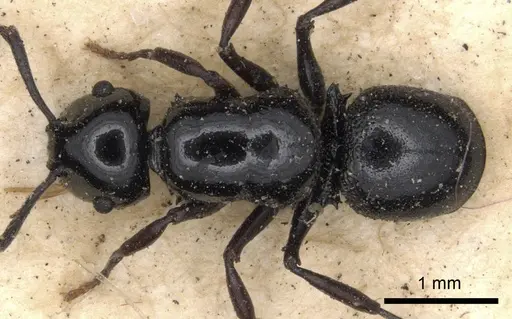
Littérature
Chargement de la carte de répartition...Chargement des produits...