
Echinopla crenulata
- Nom sci.
- Echinopla crenulata
- Tribu
- Camponotini
- Sous-famille
- Formicinae
- Auteur
- Donisthorpe, 1941
- Distribution
- Trouvé dans 0 pays
Introduction
Echinopla crenulata is a medium-sized ant species belonging to the serrata-group within the genus Echinopla. Workers are predominantly black with brownish-yellow mandibles, antennae, and legs. They have distinctive dense cribrate (pitted) sculpturing on their head and gaster, and a strongly convex mesosoma with steep propodeal declivity. This species is known only from New Guinea, where it inhabits tropical forest environments . As a member of the Formicinae subfamily, they are related to more familiar ants like Camponotus and Lasius, though Echinopla species are less commonly kept in captivity due to their limited distribution and availability.
Quick Summary
- Difficulty: Unknown, Limited captive care data available
- Origin & Habitat: New Guinea (Australasian region), tropical forest environments [1]
- Colony Type: Unconfirmed colony structure, likely single-queen based on genus patterns
- Size & Growth:
- Queen: size data unavailable
- Worker: size data unavailable, genus workers typically measure around 5-10mm
- Colony: Unknown, no colony size data available
- Growth: Unknown, no development data available
- Development: Estimated 6-10 weeks based on typical Formicinae development patterns (Development timeline is estimated from genus-level patterns since no species-specific data exists. Tropical location suggests faster development than temperate species.)
- Antkeeping:
- Temperature: Aim for 24-28°C (warm tropical conditions), estimated based on New Guinea habitat
- Humidity: Keep moderately humid (60-80%) with good ventilation, tropical forest species require moisture but also need airflow to prevent mold
- Diapause: Unlikely, tropical species from New Guinea probably does not require hibernation
- Nesting: No specific nesting data available. Based on genus patterns, likely nests in rotting wood, under bark, or in arboreal locations. A naturalistic setup with wood pieces or a Y-tong/plaster nest with some moisture retention would be appropriate starting points.
- Behavior: Behavior is not well-documented in scientific literature. Based on genus placement in Formicinae, they are likely moderate foragers with typical ant communication patterns. Escape prevention should be considered given their moderate size, standard barriers should work but monitor for escapes. No specific defensive behavior or sting reports documented.
- Common Issues: limited availability, this species is rarely available in the antkeeping hobby due to its restricted New Guinea distribution, no established captive care protocols, keepers will need to develop care methods through observation and experimentation, tropical humidity requirements may be challenging in dry climates or air-conditioned spaces, escape risk is moderate, standard formicarium barriers should suffice but monitor for gaps, lack of species-specific diet information makes feeding recommendations uncertain
Species Background and Identification
Echinopla crenulata was first described by Horace Donisthorpe in 1941 based on worker specimens collected from New Guinea [1]. This species belongs to the serrata-group within the genus Echinopla, a group characterized by specific morphological features including cribrate (pitted) sculpturing patterns. Workers are primarily black with distinctive brownish-yellow mandibles, antennae, and legs. The species has dense elliptical cribrate markings on the head and gaster, with a strongly convex mesosoma and steep propodeal declivity. The dorsal surface has sparse standing hairs while the gaster lacks pubescence. This is a relatively rare species in the antkeeping hobby, with limited documentation both in scientific literature and captive husbandry.
Natural Habitat and Distribution
Echinopla crenulata is endemic to New Guinea, an island in the Australasian region that spans both Indonesia and Papua New Guinea [1]. New Guinea features a tropical rainforest climate with high humidity and warm temperatures year-round. The species is found in lowland to mid-mountain forest environments. As a member of the Formicinae subfamily, Echinopla species are typically arboreal or semi-arboreal, often nesting in rotting wood, under bark, or in tree hollows rather than in ground nests. The dense tropical forests of New Guinea provide the humid, warm conditions this species requires.
Housing and Nesting
Since no species-specific captive care data exists for Echinopla crenulata, housing recommendations must be based on genus-level patterns and the known natural habitat. A naturalistic setup with moist substrate and wood pieces or bark sections would mimic their likely natural nesting sites in rotting wood. Alternatively, a Y-tong or plaster nest with moisture retention capabilities would provide the humidity control needed for a tropical species. Ensure the nest has adequate ventilation to prevent mold buildup while maintaining humidity levels around 60-80%. A water tube or moisture reservoir in the outworld helps maintain humidity. Given their likely moderate size, standard formicarium chambers scaled appropriately would be suitable.
Temperature and Climate Requirements
As a tropical species from New Guinea, Echinopla crenulata requires warm conditions. Aim for temperatures in the range of 24-28°C, which represents typical tropical forest temperatures. Avoid temperatures below 20°C for extended periods. A heating cable or mat on one side of the nest can create a temperature gradient, allowing the colony to self-regulate. Room temperature within this range may be sufficient in warm climates. Monitor colony behavior, if workers appear sluggish or cluster tightly, consider increasing temperature slightly. The lack of documented diapause requirement suggests this species does not need a winter cooling period, unlike temperate ant species.
Feeding and Nutrition
No species-specific diet information is available for Echinopla crenulata. Based on genus placement in Formicinae, they likely have a typical omnivorous diet similar to related ants like Camponotus. They probably consume honeydew or nectar from aphids and scale insects, and hunt small insects for protein. In captivity, offer a combination of sugar sources (honey water, sugar water) and protein sources (small insects like fruit flies, pinhead crickets, mealworms). Start with small offerings and observe what the colony accepts. Fresh fruit can also be offered. Feed protein sources 2-3 times per week and keep a sugar source available at all times. Remove uneaten food after 24-48 hours to prevent mold.
Colony Development and Growth
No specific development data exists for Echinopla crenulata. Based on typical Formicinae patterns and the tropical distribution, development from egg to worker likely takes 6-10 weeks at optimal temperatures. Queens are claustral founders (they seal themselves in and raise the first workers alone on stored body reserves), though this has not been directly confirmed for this species. The first workers (nanitics) are typically smaller than mature workers. Colony growth will likely be moderate, faster than temperate species but not as rapid as some tropical specialists. Patience is essential, as this species may take several months to establish a stable colony. Do not disturb the founding queen unnecessarily during the founding phase.
Frequently Asked Questions
How long does it take for Echinopla crenulata to produce first workers?
The exact timeline is unknown for this species, but based on typical Formicinae development patterns and their tropical distribution, expect first workers in approximately 6-10 weeks after the queen lays eggs, assuming optimal temperatures around 24-28°C. This is an estimate since no species-specific development data exists.
What do Echinopla crenulata ants eat?
No species-specific diet data exists, but based on genus patterns, they likely accept typical ant foods: sugar sources (honey water, sugar water) and protein (small insects like fruit flies, mealworms, pinhead crickets). Offer a variety and observe what your colony prefers. Remove uneaten food after 24-48 hours.
Is Echinopla crenulata suitable for beginners?
This species is not recommended for beginners due to limited availability and lack of established captive care protocols. The primary challenge is that no documented husbandry methods exist, keepers must develop care approaches through observation. If you have experience with tropical Formicinae species and can provide warm, humid conditions, you may have success.
What temperature should I keep Echinopla crenulata at?
Aim for 24-28°C based on their tropical New Guinea habitat. This is an estimate since no species-specific temperature data exists. A heating cable on part of the nest can help maintain warmth, especially in cooler climates. Avoid temperatures below 20°C.
Does Echinopla crenulata need hibernation or diapause?
No, as a tropical species from New Guinea, they do not require a hibernation period. Maintain warm, stable temperatures year-round. Do not expose them to cold temperatures intended to simulate winter conditions.
How big do Echinopla crenulata colonies get?
Colony size data is not available for this species. Based on genus patterns, colonies likely reach several hundred workers over time, but exact maximums are unknown. Growth is likely moderate, faster than temperate species but not extremely rapid.
Can I keep multiple Echinopla crenulata queens together?
Colony structure is unconfirmed for this species. Based on typical Formicinae patterns, they likely form single-queen colonies (monogyne). Combining unrelated queens has not been documented and is not recommended without evidence that they can coexist.
What humidity level does Echinopla crenulata need?
Keep humidity in the range of 60-80%, typical for tropical forest species. The nest substrate should remain moist but not waterlogged. Good ventilation is important to prevent mold while maintaining humidity. A water tube in the outworld helps maintain moisture levels.
Where can I get Echinopla crenulata ants?
This species is rarely available in the antkeeping hobby due to its restricted distribution in New Guinea. It is not commonly traded or sold by ant suppliers. Your best option would be specialized tropical ant dealers or connecting with collectors in the Australasian region, though export regulations may apply.
Report an Issue
The current care sheet is based fully on literature. See inconsistencies, or something that's incorrect? Please , it will be resolved after review from an admin. Contributing to the blogs tab also helps providing information, to make us be able to further improve the caresheets. Thank you for your support!
References

Cette fiche d'élevage est sous licence CC BY-SA 4.0 .
Blogs de la communauté
CASENT0903468
Voir sur AntWeb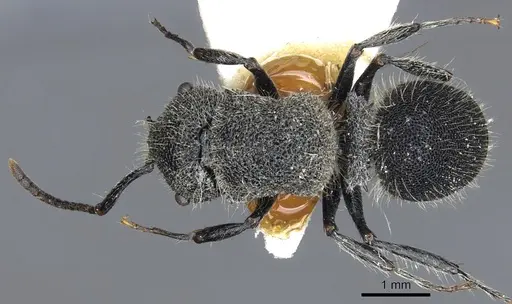
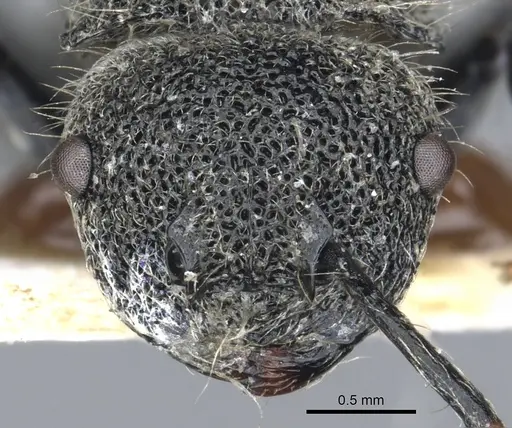
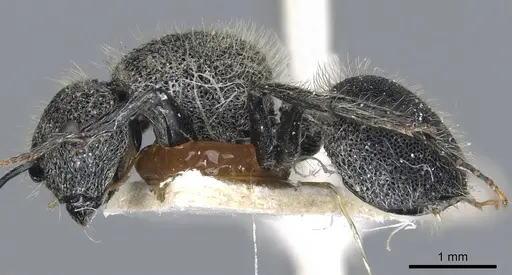
Littérature
Chargement de la carte de répartition...Chargement des produits...