
Dorymyrmex paiute
- Nom sci.
- Dorymyrmex paiute
- Tribu
- Leptomyrmecini
- Sous-famille
- Dolichoderinae
- Auteur
- Snelling, 1995
- Distribution
- Trouvé dans 0 pays
Introduction
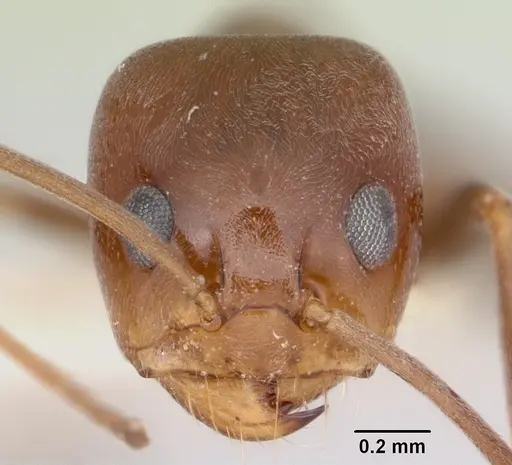
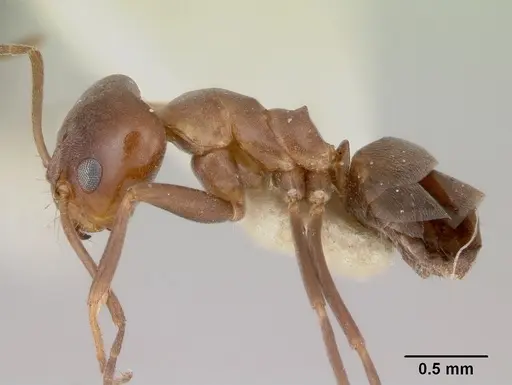
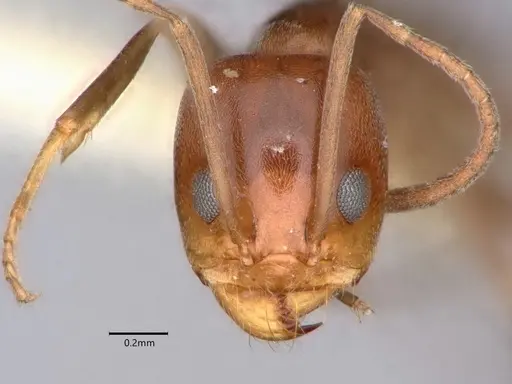
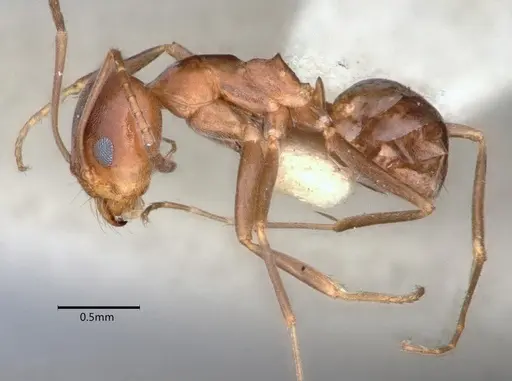
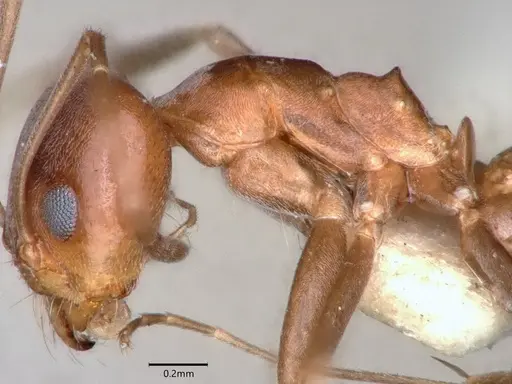
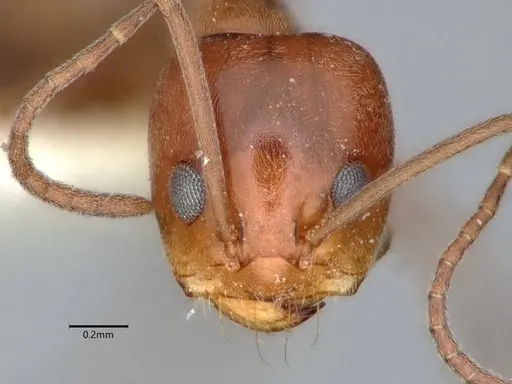
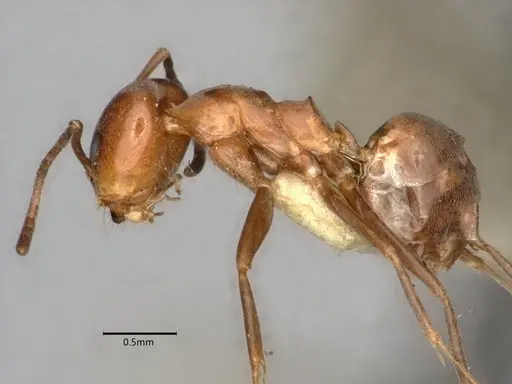
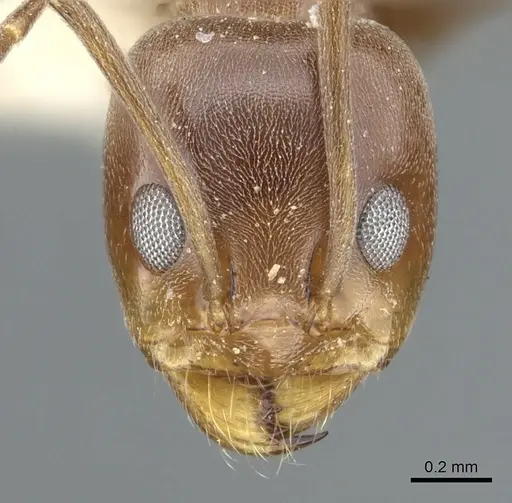
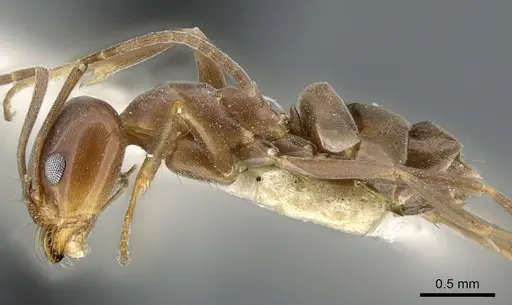
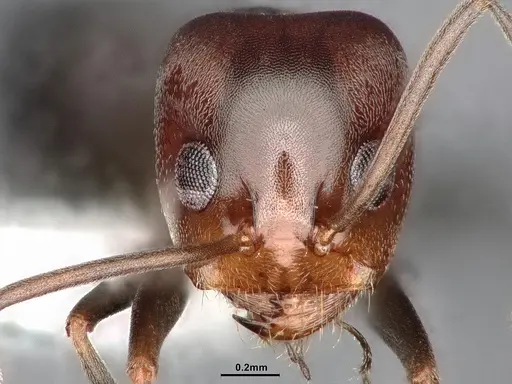
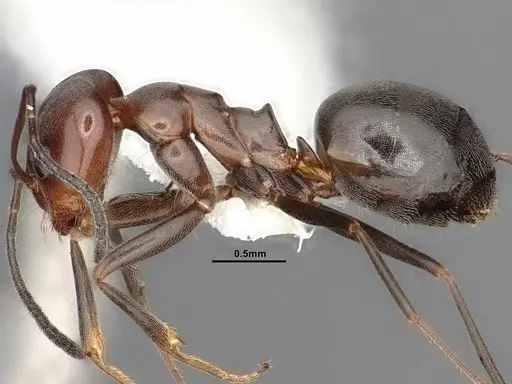
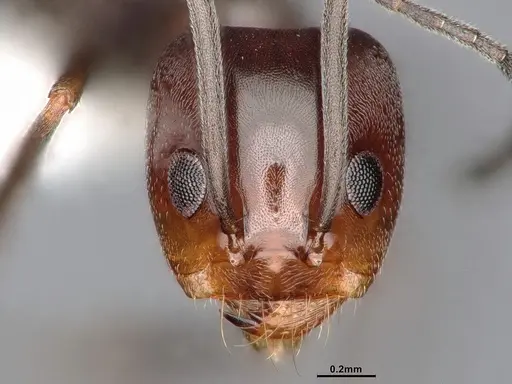
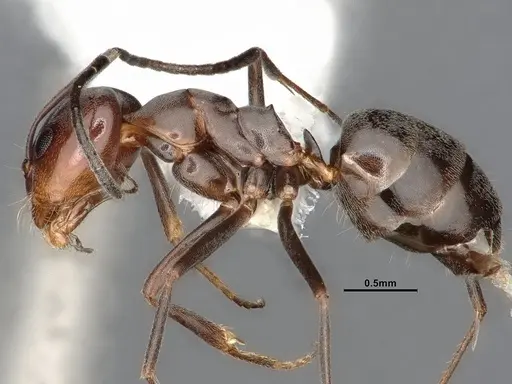
Dorymyrmex paiute is a small ant belonging to the Dolichoderinae subfamily. Workers measure 2.9-3.4mm in total length, with a light reddish-brown coloration - the head is more reddish while the gaster tends toward brown, and the antennae and legs are paler. This species is distinguished by its small eyes and lack of pronotal hairs. The species was described in 1995 based on specimens collected in 1932, and is currently known only from Zion National Park in Utah, making it an endemic species with a very restricted range . This is one of the most poorly studied ant species in North America - virtually nothing is known about its biology, colony structure, or captive care requirements. What we do know suggests it may be one of the common crater-nest ants found in Zion National Park, but even this is uncertain . For antkeepers, this represents a species best suited for those interested in documenting new observations rather than following established care protocols.
Quick Summary
- Difficulty: Expert
- Origin & Habitat: Endemic to Zion National Park, Utah, USA, a semi-arid desert canyon environment at elevations around 1,200-2,000m. The species nests in the park's unique desert canyon habitat [1].
- Colony Type: Unknown, no research has documented colony structure for this species.
- Size & Growth:
- Queen: Unknown, queen has not been described in the scientific literature
- Worker: 2.9-3.4mm total length [2]
- Colony: Unknown, no colony size data exists
- Growth: Unknown
- Development: Unknown, no development data exists for this species (No research has documented development times. Related Dorymyrmex species in the genus typically require 6-10 weeks from egg to worker at warm temperatures, but this is a rough estimate for the genus rather than confirmed data for D. paiute.)
- Antkeeping:
- Temperature: Unknown, no specific research exists. Based on the species' habitat in Zion National Park (desert canyon environment with hot summers and cold winters), they likely tolerate a wide temperature range. Related Dorymyrmex species typically do well at room temperature (20-25°C). Start in this range and observe colony behavior.
- Humidity: Unknown, no specific research. Zion National Park is semi-arid, suggesting low to moderate humidity is appropriate. Allow the nest to dry partially between waterings.
- Diapause: Likely yes, based on the temperate/desert location with cold winters. Related Dorymyrmex species from temperate regions typically require a winter rest period. Provide 3-4 months of reduced temperatures (10-15°C) during winter.
- Nesting: Presumably ground-nesting like other Dorymyrmex species. The species may create crater nests (mentioned as possibly being a crater nest ant in Zion [1]). Use a naturalistic setup with sandy/soil substrate or a Y-tong/plaster nest with dry to moderately humid conditions.
- Behavior: Unknown, no behavioral observations have been documented in scientific literature. Based on genus-level patterns, Dorymyrmex ants are typically ground-foraging, non-aggressive ants that are active during warmer parts of the day. They lack a functional sting and instead secrete defensive chemical compounds from a slit-like opening at the tip of the abdomen (smear defense typical of Dolichoderinae). They generally have a mild temperament. Escape risk is moderate given their 3mm worker size, standard barrier methods should suffice.
- Common Issues: this species has no documented captive history, you will essentially be pioneering husbandry methods., no information exists on what they eat, you will need to experiment with various protein and sugar sources., colony founding is completely unstudied, success with founding colonies is uncertain., winter care requirements are unknown, diapause may be necessary but duration and temperature are unconfirmed., the restricted range (only known from Zion National Park) suggests this species may have specific habitat requirements not yet understood.
Discovery and Taxonomy
Dorymyrmex paiute was formally described by R.R. Snelling in 1995, based on specimens that had been collected in Zion National Park way back in 1932 by W.S. Creighton. The species name is a noun in apposition, honoring the Paiute people who formerly occupied the Great Basin region where Zion National Park is located [2]. The type series consists of 36 specimens (one holotype and 35 paratypes) all collected from the same location. What makes this species particularly interesting is that despite being described over 25 years ago, it remains known only from this single location, it has not been found anywhere else in the world [1]. This makes it one of the most restricted-range ant species in North America.
Identification and Distinguishing Features
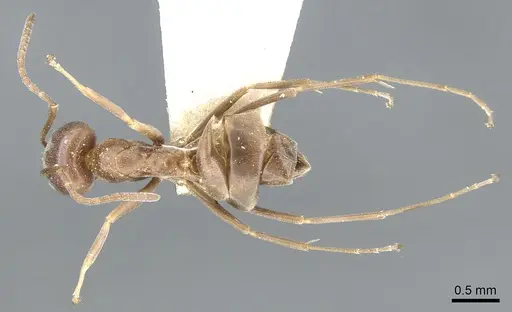
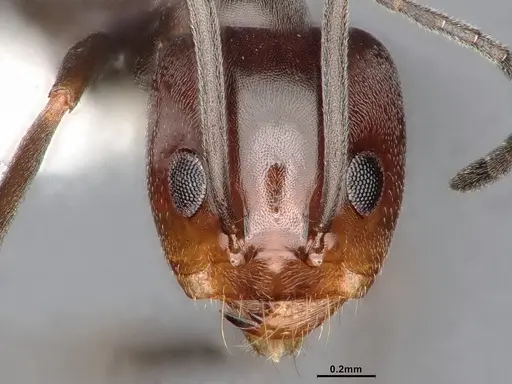
Identifying Dorymyrmex paiute requires attention to specific morphological features. The species is described as unicolorous brownish, with the head being more reddish and the gaster more brownish. The antennae and legs are notably paler than the body. The most distinctive features are the small eyes and the lack of pronotal hairs, most specimens have no erect hairs on the pronotum, and when present, they are extremely short, shorter than the minimum thickness of the antennal scape [2]. Workers measure 2.9-3.4mm in total length, placing them in the small-to-medium size range for Dorymyrmex. The propodeum (the rear portion of the mesosoma) has a distinctive shape with a long, sinuate base and a broad, sharp posterior tubercle.
Habitat and Distribution
Dorymyrmex paiute is currently known only from Zion National Park in Washington County, Utah, making it a true endemic. The park features a unique desert canyon environment characterized by red sandstone cliffs, narrow slot canyons, and desert vegetation. Elevations in the park range from about 800m in the canyon bottoms to over 2,700m on the plateaus. The species was collected at the type locality in 1932, and despite the park being relatively well-studied entomologically, no additional populations have been documented [1]. This could indicate either genuine rarity, very specific habitat requirements, or simply that the species has been overlooked. The 2016 arthropod guide to Zion National Park notes it may be one of the common crater-nest ants in the park, but this remains unconfirmed [1].
Current State of Knowledge
It must be emphasized that Dorymyrmex paiute is one of the least studied ant species in North America. The AntWiki explicitly states that nothing is known about the biology of this species, and our research confirms this assessment. We have no information on colony size, queen number, founding behavior, diet, temperature preferences, humidity needs, nuptial flight timing, or any other aspect of captive care. Even basic ecological information like foraging behavior, seasonal activity patterns, and natural predators is completely undocumented. This is not a species for beginners seeking established care protocols, it is a species for advanced antkeepers who enjoy the challenge of discovering and documenting new information about a species that literally no one has kept before. [2]
Caring for an Unknown Species
If you obtain Dorymyrmex paiute, your approach must be experimental and observational. Start with standard Dorymyrmex husbandry: a naturalistic or Y-tong style nest with sandy/soil substrate, room temperature (20-25°C), and low to moderate humidity. Offer a variety of foods including sugar water/honey, mealworms, fruit flies, and other small insects. Document everything, what foods are accepted, what temperatures the colony prefers (they will move toward or away from heat sources), how they respond to different humidity levels, and any behaviors not previously observed. This species represents a genuine opportunity to contribute new knowledge to antkeeping. Take detailed notes and consider sharing your observations, as any captive data on this species would be scientifically valuable given how little we currently know.
Frequently Asked Questions
How do I care for Dorymyrmex paiute ants?
This is unknown, Dorymyrmex paiute has no documented captive care history. No scientific papers or keeper resources exist for this species. You will need to experiment with standard Dorymyrmex husbandry (room temperature, moderate humidity, protein and sugar foods) and document your observations.
What do Dorymyrmex paiute ants eat?
Unknown, no research exists on their diet. Based on genus-level patterns, they likely forage for small insects and honeydew. Offer sugar water/honey and small protein sources like fruit flies or mealworms, then observe what they accept.
How big do Dorymyrmex paiute colonies get?
Unknown, no colony size data exists for this species. Even the maximum colony size in the wild has not been documented.
Do Dorymyrmex paiute ants need hibernation?
Likely yes, based on the temperate desert location (Zion National Park has cold winters). Related Dorymyrmex species from temperate regions typically require 3-4 months of winter rest at 10-15°C. However, this has not been confirmed for D. paiute specifically.
Are Dorymyrmex paiute ants good for beginners?
No, this species is not suitable for beginners. There is no established care protocol, no information on founding success, and no documented captive history. This is an expert-level species for antkeepers who enjoy pioneering husbandry for poorly studied species.
How long does it take for Dorymyrmex paiute to develop from egg to worker?
Unknown, no development data exists for this species. Related Dorymyrmex species typically require 6-10 weeks from egg to worker at warm temperatures, but this is a rough genus-level estimate, not confirmed data for D. paiute.
Where is Dorymyrmex paiute found in the wild?
Only known from Zion National Park in Utah, USA. This is the type locality and the species has not been documented anywhere else in the world.
Can I keep multiple Dorymyrmex paiute queens together?
Unknown, no research exists on colony structure for this species. We do not know whether they are single-queen (monogyne) or multi-queen (polygyne) in nature. Combining unrelated queens is not recommended without understanding their natural colony structure.
What temperature should I keep Dorymyrmex paiute at?
No specific research exists. Based on the desert canyon habitat in Zion National Park (hot summers, cold winters), they likely tolerate a wide range. Start with room temperature (20-25°C) and observe colony behavior, they will move toward or away from heat sources to find their preferred temperature.
When do Dorymyrmex paiute nuptial flights occur?
Unknown, no research has documented nuptial flight timing for this species. The timing of reproduction in the wild is completely unstudied.
Is Dorymyrmex paiute a difficult species to keep?
Yes, this is an expert-level species due to the complete lack of documented care information. You will essentially be pioneering all aspects of husbandry, this is a species for advanced antkeepers who want to discover and document new information.
Report an Issue
The current care sheet is based fully on literature. See inconsistencies, or something that's incorrect? Please , it will be resolved after review from an admin. Contributing to the blogs tab also helps providing information, to make us be able to further improve the caresheets. Thank you for your support!
References

Cette fiche d'élevage est sous licence CC BY-SA 4.0 .
Blogs de la communauté
CASENT0103441
Voir sur AntWeb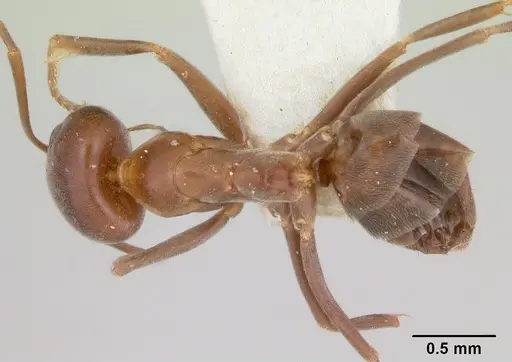
CASENT0841358
Voir sur AntWeb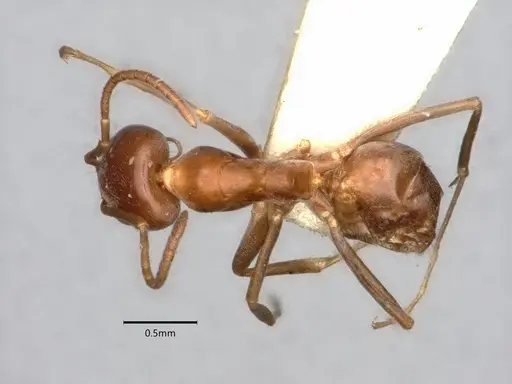
CASENT0841363
Voir sur AntWeb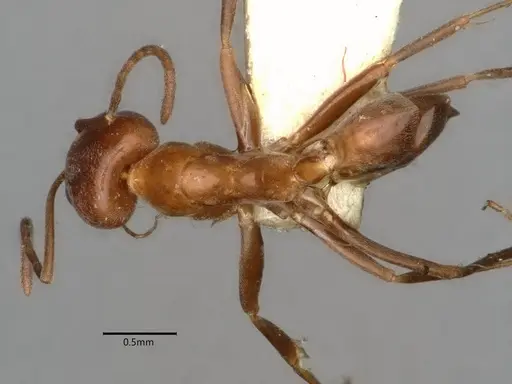
CASENT0902985
Voir sur AntWeb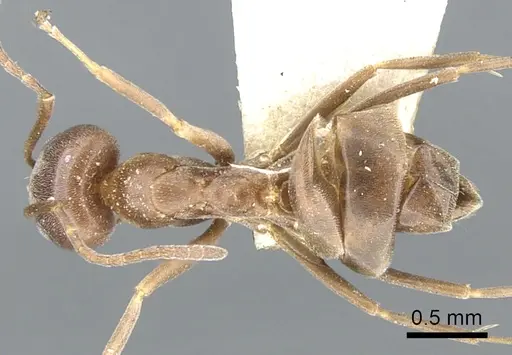
CASENT4031324
Voir sur AntWeb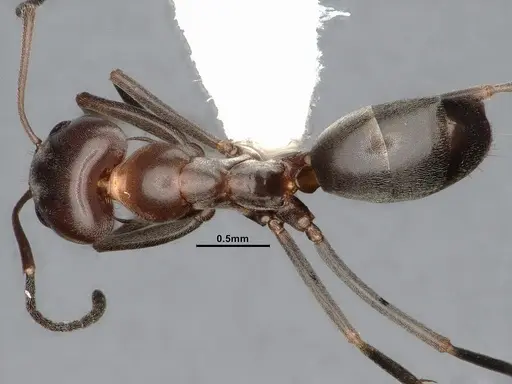
CASENT4031331
Voir sur AntWeb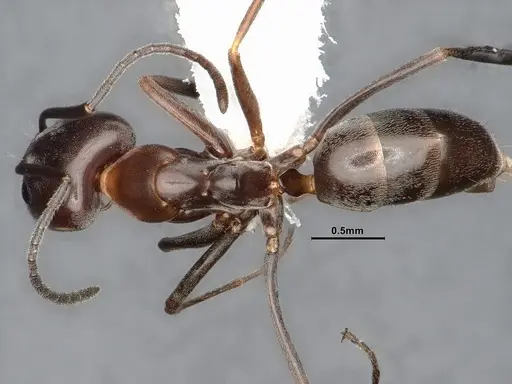
Littérature
Chargement de la carte de répartition...Chargement des produits...