
Dorylus furcatus
- Nom sci.
- Dorylus furcatus
- Sous-famille
- Dorylinae
- Auteur
- Gerstäcker, 1872
- Distribution
- Trouvé dans 0 pays
Introduction
Dorylus furcatus is a species of army ant (subfamily Dorylinae) endemic to South Africa . Queens are smaller than the related Dorylus helvolus species and have a less complicated hypopygium structure . As a true army ant, this species exhibits the characteristic nomadic predatory lifestyle typical of the genus, forming temporary bivouacs rather than permanent nests.
Quick Summary
- Difficulty: Expert
- Origin & Habitat: South Africa (Afrotropical Region). In their natural habitat, these ants live in semi-arid to savanna regions of southern Africa. They create temporary bivouacs rather than permanent underground nests and migrate as the colony exhausts local prey sources.
- Colony Type: Likely polygyne based on typical Dorylus patterns. Army ant colonies typically have multiple queens that travel with the colony during nomad phases.
- Size & Growth:
- Queen: Size data unavailable, only noted as smaller than Dorylus helvolus [1]
- Worker: Size data unavailable, typical Dorylus major workers are larger than minor workers
- Colony: Extremely large colonies typical for Dorylus species, some species reach millions of workers
- Growth: Fast, army ant colonies grow rapidly when well-fed
- Development: Development time unconfirmed for this species (Army ant brood typically develops rapidly to support the colony's nomadic lifestyle)
- Antkeeping:
- Temperature: Keep at 24-28°C with a warm gradient, army ants are tropical and need consistent warmth
- Humidity: Moderate humidity 50-70%. Provide a humidity gradient with a more humid bivouac area
- Diapause: No, these are tropical ants that remain active year-round
- Nesting: Army ants do not nest in traditional ant nests. They require a large outworld space with multiple feeding stations and a humid chamber for the queen. Provide a dark retreat area where the bivouac can form. Test tubes and formicaria are NOT suitable.
- Behavior: Extremely aggressive and predatory. These ants conduct coordinated mass raids on other arthropod colonies. They have powerful mandibles and can deliver painful bites. Escape prevention is critical. They are primarily nocturnal or crepuscular, with peak raiding activity at night. The colony moves its bivouac location frequently.
- Common Issues: Massive space requirements, colonies need dedicated rooms or large terrariums to express natural raiding behavior, Escape prevention is extremely difficult due to their determination and ability to squeeze through small gaps, Colonies can become aggressive toward handlers, major workers deliver painful bites, Finding sufficient prey is challenging, they require enormous quantities of insects, Bivouac maintenance requires specific humidity and darkness conditions that are difficult to replicate
Understanding Army Ant Biology
Dorylus furcatus is a true army ant (driver ant), a species adapted to a nomadic predatory lifestyle. Unlike most ants that establish permanent nests, army ants form temporary bivouacs, living structures created when workers link their bodies together to create a protective mass around the queen and brood. This bivouac moves every few days as the colony exhausts prey in the surrounding area. The colony operates on a nomad cycle: during statary phases, the queen lays eggs and the colony remains relatively stationary, during nomad phases, the colony migrates nightly while conducting massive raids on other insect colonies. This lifestyle requires enormous quantities of prey. The caste system in army ants is pronounced, with major workers serving as defenders and minor workers handling most foraging and brood care. [1]
Housing Requirements
Keeping army ants is fundamentally different from keeping typical ant species. Standard formicariums, test tubes, and Y-tong nests are completely unsuitable. You need to provide a large terrarium or dedicated space where the colony can form its natural bivouac. The setup should include a dark, humid chamber (like a covered plastic container with moist substrate) where the bivouac forms, connected to a large foraging area. The foraging area should have multiple feeding stations spaced throughout. Lighting should be dim, army ants are naturally nocturnal and will be most active in low-light conditions. Temperature should be maintained at 24-28°C using a heating mat if needed. Humidity in the bivouac area should be higher while the foraging area can be drier.
Feeding and Diet
Dorylus furcatus is strictly predatory and requires a constant supply of live insects. They will not accept sugar water, honey, or seed-based foods, their entire nutrition comes from hunting other arthropods. In captivity, you must provide large quantities of live prey daily: crickets, mealworms, roaches, and other feeder insects. The colony should be fed every day, with portions sized to the colony's current population. During active raiding periods, they may consume enormous amounts. Prey should be dusted with calcium powder periodically to ensure adequate mineral intake. Remove uneaten prey after 24 hours to prevent mold issues.
Colony Structure and Queen Care
Army ant colonies are uniquely structured with multiple reproductive queens. Unlike typical ant colonies with a single queen, Dorylus colonies typically have several queens that travel with the bivouac. Queens are physogastric (their abdomens distend massively with eggs) and can lay thousands of eggs per day during peak reproduction. The colony produces new queens and males during certain seasonal periods, these winged reproductives leave on nuptial flights. In captivity, providing optimal conditions (warmth, constant prey, high humidity) will encourage queen productivity. The queen(s) should always remain protected within the bivouac structure, never attempt to separate or disturb them.
Safety and Handling
Dorylus furcatus workers possess powerful mandibles and will not hesitate to bite when threatened. Major workers can deliver painful bites that may break skin. When working with the colony, use extreme caution, never reach into the bivouac area without protection, and avoid disturbing the colony during active phases. If attacked, the ants will release alarm pheromones that can trigger mass defensive response from nearby workers. Keep the colony in a secure enclosure that prevents any possibility of escape into your living space, once established in a home, army ants are extremely difficult to eradicate and can become a serious pest problem.
Frequently Asked Questions
Can I keep Dorylus furcatus in a test tube?
No. Test tubes and standard formicariums are completely unsuitable for army ants. They need large spaces to form natural bivouac structures. A test tube would cause the colony extreme stress and likely result in colony death.
How long does it take for Dorylus furcatus to produce first workers?
Development time is unconfirmed for this specific species. Based on typical Dorylus patterns, expect several weeks from egg to first worker at optimal temperature. However, without species-specific data, this is an estimate.
Can I keep multiple Dorylus furcatus queens together?
Yes, this is natural for army ant colonies. Dorylus species are typically polygynous (multiple queens) by default. Multiple queens traveling with the colony is normal and expected behavior.
What do Dorylus furcatus eat?
They are strictly predatory and require live insects. Feed them a variety of feeder insects daily: crickets, mealworms, roaches, and other small arthropods. They will not accept sugar, honey, or seeds.
Are Dorylus furcatus good for beginners?
No. This species is rated Expert difficulty. They require enormous quantities of live prey, massive housing space, specific bivouac conditions, and present significant escape and safety concerns. They are not suitable for typical antkeeping setups.
Do Dorylus furcatus need hibernation?
No. As tropical ants from South Africa, they do not require hibernation. Maintain consistent temperatures year-round (24-28°C). Activity may naturally decrease during cooler months but no formal diapause is needed.
Why are my Dorylus furcatus dying?
Common causes include: insufficient prey (they need constant live insects), improper humidity causing bivouac collapse, temperature too low or unstable, stress from disturbance, or escape to unsuitable areas of your home. Army ants are extremely sensitive to habitat conditions.
When should I move Dorylus furcatus to a formicarium?
Never use a traditional formicarium. Instead, provide a large naturalistic terrarium setup with a humid dark chamber for the bivouac and a spacious foraging area. The transition from initial housing should be to this type of setup from the beginning.
How big do Dorylus furcatus colonies get?
Dorylus colonies can reach extraordinary sizes, some species have colonies with millions of workers. Your colony will grow continuously with adequate feeding, potentially reaching massive populations over several years.
Are Dorylus furcatus dangerous to other pets?
Yes. These predatory ants will attack and kill any small arthropods and can overwhelm small invertebrates. Keep them well away from other insect collections or pet invertebrates.
Report an Issue
The current care sheet is based fully on literature. See inconsistencies, or something that's incorrect? Please , it will be resolved after review from an admin. Contributing to the blogs tab also helps providing information, to make us be able to further improve the caresheets. Thank you for your support!
References

Cette fiche d'élevage est sous licence CC BY-SA 4.0 .
Blogs de la communauté
FOCOL1094
Voir sur AntWeb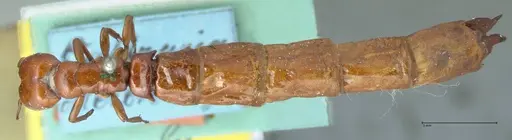
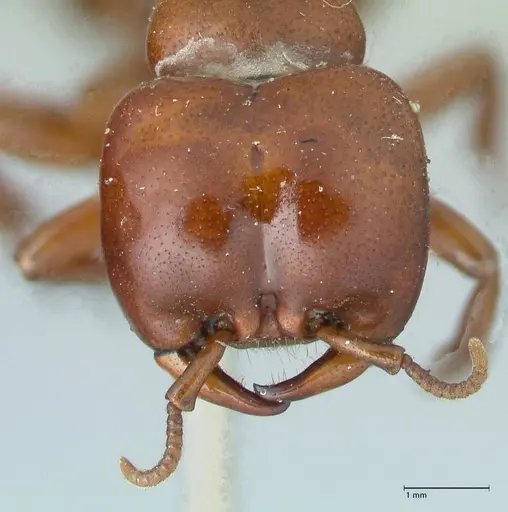
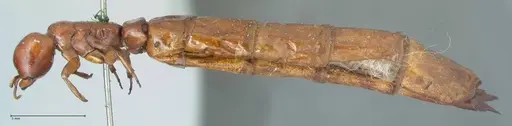
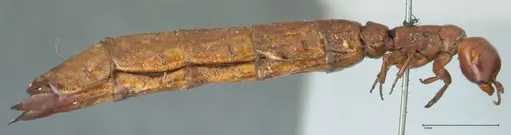
Littérature
Chargement de la carte de répartition...Chargement des produits...