
Dolichoderus carbonarius
- Nom sci.
- Dolichoderus carbonarius
- Tribu
- Dolichoderini
- Sous-famille
- Dolichoderinae
- Auteur
- Emery, 1895
- Distribution
- Trouvé dans 0 pays
Introduction
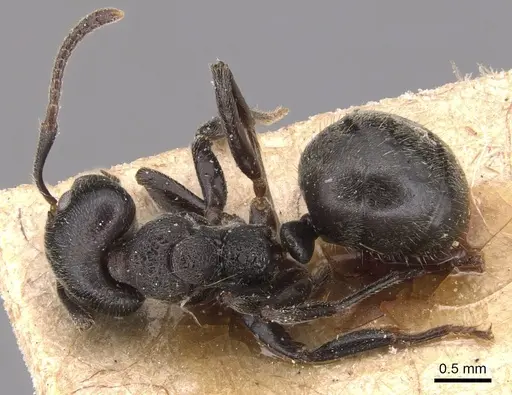
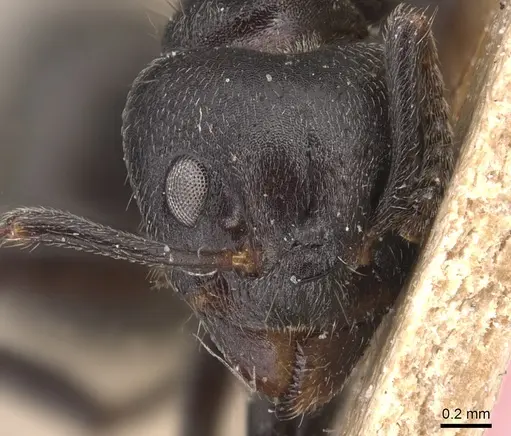
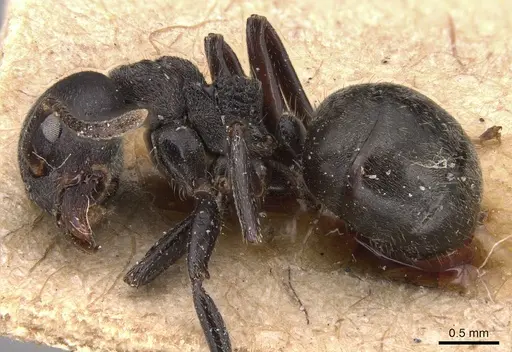
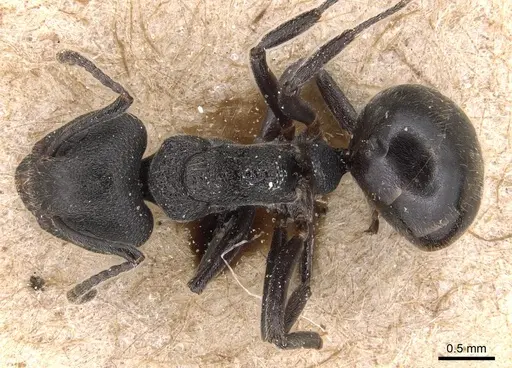
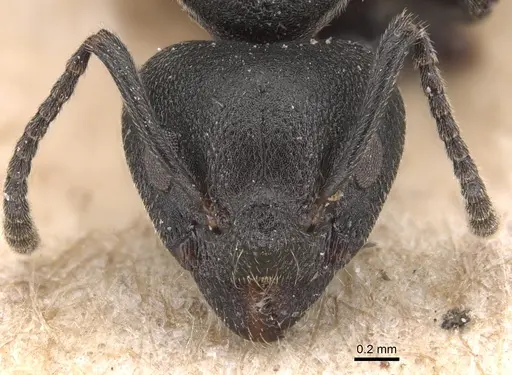
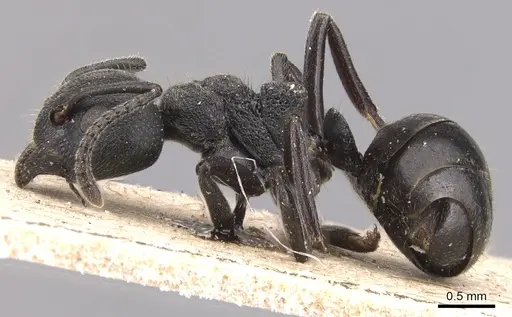
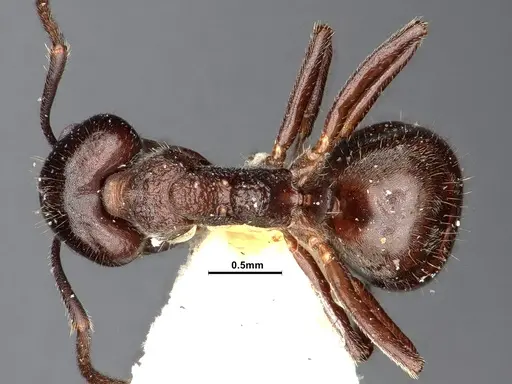
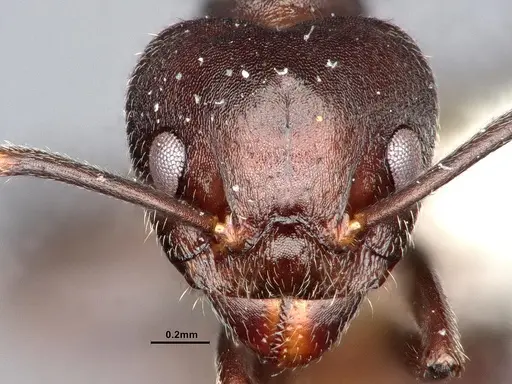
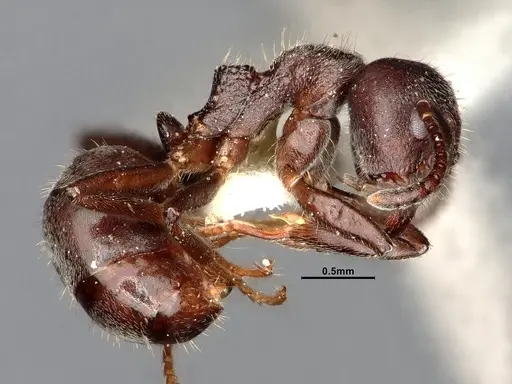
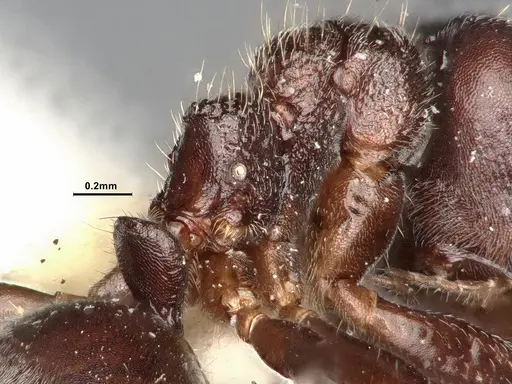
Dolichoderus carbonarius is a small ant species native to the Malay Peninsula in Malaysia, specifically recorded from Perak and surrounding areas . Workers are characterized by a distinctive saddle-shaped propodeum, a weakly shining head, and a more rounded pronotum compared to similar species . The species was described by Emery in 1895 and currently includes one recognized subspecies, Dolichoderus carbonarius latisquamis . Nothing is known about the specific biology of this species in the wild .
Quick Summary
- Difficulty: Unknown, limited data available
- Origin & Habitat: Malay Peninsula in West Malaysia (Perak, Penang) [1][2]. Inhabits lowland forest environments typical of the region based on distribution.
- Colony Type: Colony structure is unconfirmed. No documented data exists for this species.
- Size & Growth:
- Queen: Size data unavailable, no specific measurements exist for this species
- Worker: Size data unavailable, no specific measurements exist for this species
- Colony: Unknown, no colony size data exists for this species
- Growth: Unknown, no development data available
- Development: Unknown, no specific development data exists for this species (No development data exists. Estimates based on related species would be speculative.)
- Antkeeping:
- Temperature: Keep warm, roughly 24-28°C based on tropical Malaysian distribution. Room temperature is typically suitable.
- Humidity: Moderate to high humidity. Keep nest substrate slightly moist but not waterlogged.
- Diapause: Unlikely, being a tropical species from Malaysia, they do not require hibernation.
- Nesting: Based on genus patterns, they likely prefer moist nesting materials like rotting wood or cork. A Y-tong (AAC) nest or plaster nest works well. Avoid completely dry conditions.
- Behavior: Dolichoderus ants are generally calm and not aggressive. They do not have a functional stinger and rely on chemical defenses (formic acid) instead. Workers are moderately active and forage for honeydew and small insects.
- Common Issues: no specific care information exists, keepers must rely on genus-level guidance, size data unavailable makes it difficult to provide accurate housing recommendations, limited availability makes this species difficult to acquire, tropical humidity requirements mean drying out is a risk, no documented development timeline, keepers should expect uncertainty
Nest Preferences
Based on typical Dolichoderus behavior, this species likely prefers nesting in moist materials. In captivity, a Y-tong (AAC) nest or plaster nest works well, these materials maintain stable humidity while allowing you to monitor the colony. Keep the nest substrate consistently moist but avoid standing water. Many Dolichoderus species are semi-arboreal, so including some vertical space or branches in the outworld can mimic their natural preferences. [2]
Feeding and Diet
Like other Dolichoderus species, carbonarius likely feeds on honeydew from aphids and scale insects, plus small insects for protein. In captivity, offer sugar water or honey water as a constant energy source. For protein, provide small live prey like fruit flies, small crickets, or mealworm pieces. Feed protein 2-3 times per week, and keep sugar water available at all times. Remove uneaten prey after 24 hours to prevent mold.
Temperature and Care
Given their origin in the Malay Peninsula, keep these ants warm at 24-28°C. Room temperature (around 24-26°C) is often suitable for tropical species like this. Use a heating cable on one side of the nest only if temperatures drop below this range, overheating is more dangerous than being slightly cool. Place the heating on top of the nest, not underneath, to avoid evaporating moisture too quickly. Monitor both temperature and humidity levels. Since they're from a consistently warm, humid region, avoid cold drafts and dry air. A small water dish in the outworld helps with ambient humidity. [1]
Behavior and Temperament
Dolichoderus ants are known for their calm temperament and lack of aggressive behavior. Workers do not have a functional stinger but can spray formic acid as a defensive chemical, this is generally harmless to humans but can be irritating to other insects. They are moderately active foragers and will scout the outworld for food. They are not dangerous to humans and make observation-friendly pets.
Colony Founding
Direct observations of colony founding in Dolichoderus carbonarius do not exist. Based on typical Dolichoderus patterns, the queen may seal herself in a small chamber and raise the first workers alone using stored fat reserves. First workers (nanitics) are usually smaller than mature workers. Be patient, founding colonies can take several months to establish.
Frequently Asked Questions
How long does it take for Dolichoderus carbonarius to produce first workers?
No specific development data exists for this species. Expect significant variation and plan for a longer timeline than more common species.
What do Dolichoderus carbonarius ants eat?
Like other Dolichoderus species, they likely feed on honeydew and small insects. Offer sugar water or honey water constantly, plus small live prey like fruit flies or cricket pieces 2-3 times per week.
What temperature do Dolichoderus carbonarius ants need?
Keep them at 24-28°C based on their tropical Malaysian distribution. Room temperature (24-26°C) is typically suitable. Avoid temperatures below 22°C or above 30°C.
Are Dolichoderus carbonarius ants good for beginners?
This species is not recommended for beginners due to limited available care information. The lack of documented biology means keepers must rely on genus-level guidance, which may not perfectly match this species' needs.
How big do Dolichoderus carbonarius colonies get?
Colony size is unconfirmed for this species. No documented data exists regarding maximum colony size.
Do Dolichoderus carbonarius ants need hibernation?
No, being a tropical species from Malaysia, they do not require hibernation.
What nest type is best for Dolichoderus carbonarius?
Based on genus preferences, a Y-tong (AAC) nest or plaster nest with moist substrate works well. They likely prefer nesting in materials that hold humidity.
Can I keep multiple Dolichoderus carbonarius queens together?
This has not been documented for this specific species. Colony structure is unconfirmed for carbonarius. Do not combine unrelated foundress queens without evidence they tolerate each other.
Where is Dolichoderus carbonarius found?
This species is native to the Malay Peninsula in West Malaysia, specifically recorded from Perak and surrounding areas.
Report an Issue
The current care sheet is based fully on literature. See inconsistencies, or something that's incorrect? Please , it will be resolved after review from an admin. Contributing to the blogs tab also helps providing information, to make us be able to further improve the caresheets. Thank you for your support!
References

Cette fiche d'élevage est sous licence CC BY-SA 4.0 .
Blogs de la communauté
Littérature
Chargement de la carte de répartition...Chargement des produits...