
Diacamma gusenleitneri
- Nom sci.
- Diacamma gusenleitneri
- Tribu
- Ponerini
- Sous-famille
- Ponerinae
- Auteur
- Zettel <i>et al.</i>, 2016
- Distribution
- Trouvé dans 0 pays
Introduction
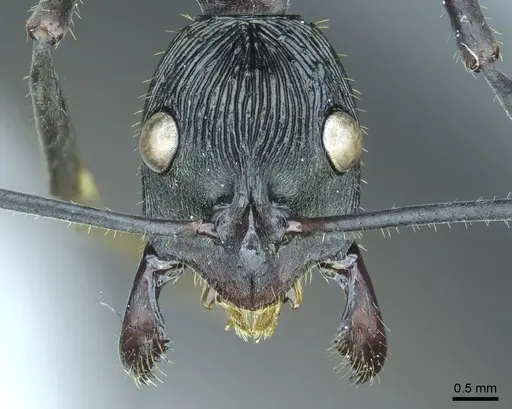
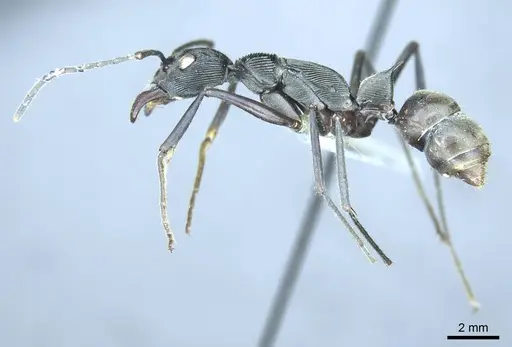
Diacamma gusenleitneri is a large ant species native to Borneo, Indonesia. Workers reach approximately 15mm in total length, making them one of the larger ponerine ants kept in captivity. They have a predominantly black body with dark brown legs and gaster, and their elongated head features distinctive striation patterns. This species was only described in 2016, making it a recent addition to the antkeeping hobby. Like other Diacamma species, they have gamergates - workers that can become reproductive and serve as replacement egg-layers if the primary queen dies [AntWiki].
Quick Summary
- Difficulty: Medium
- Origin & Habitat: Borneo, Indonesia (Kalimantan Timur), tropical rainforest environment [1][2]
- Colony Type: Queenless, no distinct queen caste, reproduction by gamergates (reproductive workers).
- Queen Status: Queenless Colony
- Colony: Monogyne
- Special: Gamergates
- Size & Growth:
- Queen: Queenless species, reproduction by gamergate (reproductive worker) instead of a distinct queen caste.
- Worker: ~15mm total length [1]
- Colony: Several hundred workers, inferred from related Diacamma species
- Growth: Moderate, inferred from genus patterns
- Development: Estimated 6-10 weeks at tropical temperatures (24-28°C) based on related Ponerinae species (Development time is estimated from genus patterns since this species was recently described and lacks direct study)
- Antkeeping:
- Temperature: Keep at 24-28°C, they are a tropical species from Borneo and need warm conditions [1]
- Humidity: High humidity preferred (70-80%), simulate damp tropical rainforest floor. Keep substrate consistently moist but not waterlogged.
- Diapause: No, being a tropical species, they do not require hibernation. Maintain warm temperatures year-round.
- Nesting: In nature they likely nest in soil or under stones in forest floor habitats. A naturalistic setup with moist substrate or a Y-tong/plaster nest works well. They need a spacious outworld given their large size.
- Behavior: Diacamma gusenleitneri is a predatory ant species that hunts small invertebrates. They are moderately aggressive and will readily tackle prey items. Workers are large and active, making them engaging to watch. They have a functional stinger but are not considered dangerous to humans, the sting is mild and rarely felt. Their gamergate system means colonies can survive queen loss, which is fascinating to observe. Escape risk is moderate due to their size, standard barrier methods work well.
- Common Issues: colonies may fail if temperatures drop below 24°C, keep them warm, predatory nature means they need live prey regularly, protein is essential, newly described species means limited husbandry information exists, wild-caught colonies may carry parasites that affect captive survival, large colony size requires spacious housing and more food
Housing and Nest Setup
Diacamma gusenleitneri requires spacious housing due to their large worker size. A naturalistic setup with a deep soil layer works well, this mimics their natural forest floor habitat and allows them to create tunnels. Alternatively, a Y-tong nest with narrow chambers or a plaster nest with good moisture retention serves well. The outworld should be large enough for workers to forage and for you to provide prey items. Use a standard water test tube setup for humidity, connected to the nest. Because they are a tropical species, avoid any drafty locations and maintain consistent warmth. [1][2]
Feeding and Diet
As a Ponerinae species, Diacamma gusenleitneri is predatory and needs a protein-rich diet. Offer live prey such as small crickets, mealworms, fruit flies, and other small insects. They will typically accept most arthropods you provide. Feed protein prey 2-3 times per week, adjusting based on colony size and consumption. Sugar sources are not a primary requirement for this genus, but you can occasionally offer a drop of honey or sugar water, acceptance varies by individual colony. Fresh water should always be available. [2]
Temperature and Humidity
Being from tropical Borneo, this species requires warm temperatures year-round. Maintain the nest area at 24-28°C, a heating cable on one side of the nest can create a gentle gradient if your room temperature is lower. They need high humidity (70-80%) to thrive. Keep the substrate consistently moist but not waterlogged, the nest should show some condensation without flooding. A water tube reservoir connected to the nest helps maintain humidity. Do not let temperatures drop below 24°C for extended periods, as this can weaken the colony. [1][2]
Colony Dynamics and Gamergates
One of the most interesting aspects of keeping Diacamma species is their gamergate system. Unlike most ants where only the queen lays eggs, workers can become reproductive and take over egg-laying duties if the queen dies or becomes inefficient. This is called a gamergate. In established colonies, you may observe competition between potential gamergates or see workers that are clearly reproductive. This social flexibility makes them fascinating to observe and study. The colony can survive queen loss, which is rare in ant species. [2]
Growth and Development
As a recently described species (2016), specific development timelines for D. gusenleitneri are not documented. Based on related Ponerinae species and typical tropical ant development, expect 6-10 weeks from egg to worker at optimal temperatures. The first workers (nanitics) will be smaller than mature workers. Growth rate is moderate, colonies will expand over months rather than weeks. Being a large species, they may develop more slowly than smaller ants. Patience is key during the founding stage. [1]
Frequently Asked Questions
How long does it take for Diacamma gusenleitneri to produce first workers?
Based on related species, expect 6-10 weeks from egg to first worker at optimal tropical temperatures (24-28°C). This is an estimate since this newly described species lacks direct development studies.
Do Diacamma gusenleitneri ants sting?
Yes, they have a functional stinger but it poses minimal danger to humans. The sting is mild and rarely penetrates skin. However, they may bite if threatened.
Can I keep multiple queens together?
Diacamma gusenleitneri is typically monogyne (single queen). While they have gamergates for replacement reproduction, combining unrelated foundress queens is not recommended as they likely will fight.
What do Diacamma gusenleitneri eat?
They are predatory ants that need live protein prey. Feed small insects like crickets, mealworms, fruit flies, and other arthropods 2-3 times per week. They may occasionally accept sugar water or honey but protein is essential.
Do they need hibernation?
No, as a tropical species from Borneo, they do not require hibernation. Keep them warm year-round at 24-28°C. Temperature drops below 24°C can harm the colony.
Are Diacamma gusenleitneri good for beginners?
They are rated as medium difficulty. While visually impressive and fascinating due to their gamergate system, they require warm temperatures, live prey feeding, and spacious housing. Not ideal as a first ant but manageable for those with some experience.
How big do colonies get?
Colony size is not documented for this specific species, but related Diacamma species typically reach several hundred workers. Being a large species, they need significant space as the colony grows.
When should I move them to a formicarium?
Wait until the colony has 20-30 workers before moving to a formicarium. They need an established colony to adapt to captive nesting conditions. A naturalistic setup with soil works best for this species.
Why are my ants dying?
Common causes include temperatures below 24°C, low humidity, lack of protein prey, or parasites from wild-caught colonies. Ensure warm, humid conditions and provide regular live prey. Wild colonies may carry mites or pathogens.
Report an Issue
The current care sheet is based fully on literature. See inconsistencies, or something that's incorrect? Please , it will be resolved after review from an admin. Contributing to the blogs tab also helps providing information, to make us be able to further improve the caresheets. Thank you for your support!
References

Cette fiche d'élevage est sous licence CC BY-SA 4.0 .
Blogs de la communauté
CASENT0916087
Voir sur AntWeb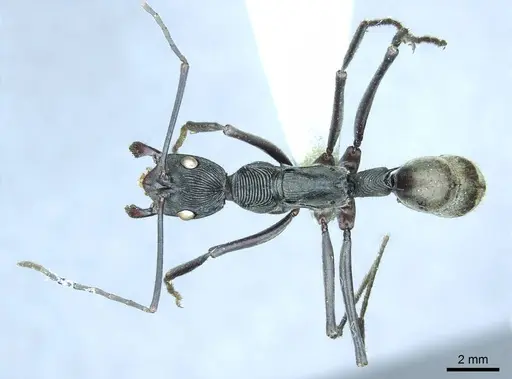
Littérature
Chargement de la carte de répartition...Chargement des produits...