
Chronoxenus walshi
- Nom sci.
- Chronoxenus walshi
- Tribu
- Bothriomyrmecini
- Sous-famille
- Dolichoderinae
- Auteur
- Forel, 1895
- Distribution
- Trouvé dans 0 pays
Introduction
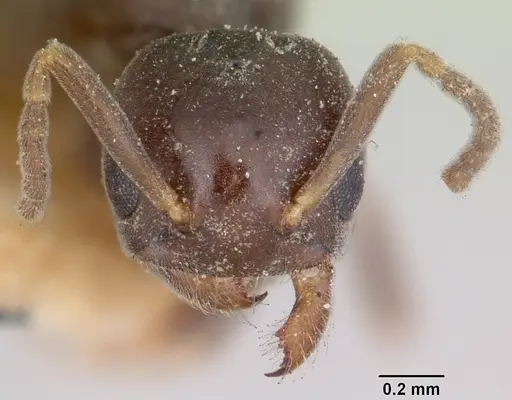
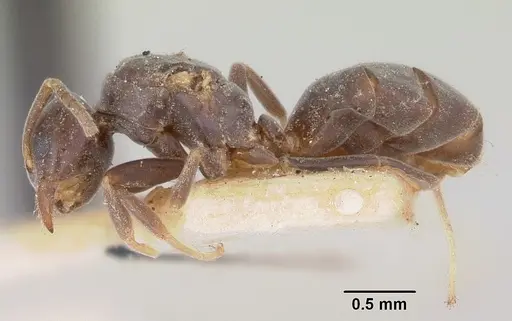
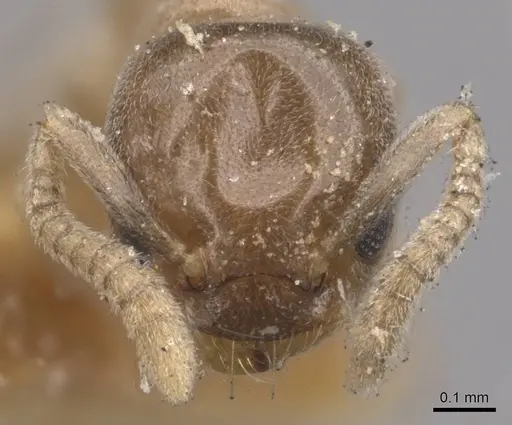
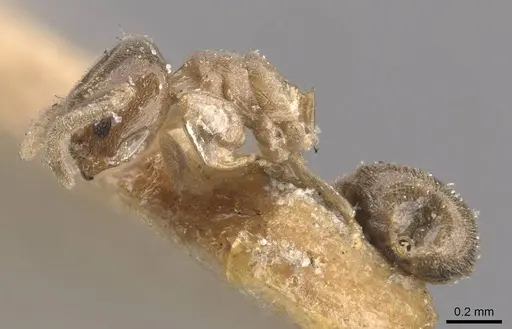
Chronoxenus walshi is a tiny ant species native to South and Southeast Asia, belonging to the Dolichoderinae subfamily. Workers measure 1.5-2mm in total length, making them one of the smaller ant species available. They have a dark brown to black body that is smooth and shiny, with yellowish mandibles, antennae, tibiae, and tarsi. The abdomen has a conspicuous pubescent coating. These ants are fast-moving and active foragers. In the wild, they nest in soil and under stones across parts of India and southern China . This species is not commonly kept in captivity and remains poorly studied.
Quick Summary
- Difficulty: Medium
- Origin & Habitat: Native to the Indomalaya region, found across India (Kerala, Odisha, Sikkim, West Bengal) and southern China. They inhabit tropical and subtropical areas, typically nesting in soil or under stones [1][2].
- Colony Type: Unconfirmed, colony structure has not been documented in available literature.
- Size & Growth:
- Antkeeping:
- Temperature: Keep at room temperature in the low-to-mid 20s°C range. Being from tropical and subtropical Asia, they prefer warm conditions. A heating cable on one side of the nest creates a gentle gradient allowing them to choose their preferred temperature.
- Humidity: Provide moderate humidity. Keep the nest substrate slightly moist but not waterlogged. These ants likely encounter variable humidity in their natural range.
- Diapause: Unconfirmed, being a tropical/subtropical species, they may not require true diapause. No specific data available.
- Nesting: Y-tong (AAC) nests or test tube setups work well. Given their tiny 1.5-2mm size, narrow chambers and passages are essential. They naturally nest in soil and under stones, so a naturalistic setup with a moist substrate layer also works. Avoid tall, open spaces, they prefer tight, enclosed chambers [3].
- Behavior: These ants are fast-moving and active foragers. They are not aggressive and will typically flee rather than engage when disturbed. As very small ants, they pose minimal sting risk to humans. Escape prevention is critical due to their tiny size, they can squeeze through remarkably small gaps. Use fine mesh barriers and ensure all openings are sealed.
- Common Issues: escape prevention is critical due to their tiny 1.5-2mm size, limited species-specific information makes troubleshooting difficult, slow colony growth can frustrate beginners, test tube setups require careful water management, risk of mite or parasite introduction from wild-caught colonies
Housing and Nest Setup
For Chronoxenus walshi, use small-scale setups given their tiny 1.5-2mm worker size. A test tube setup works well for founding colonies, use a small diameter tube with a cotton plug for water storage. The chamber should be snug for the queen and her initial workers. For established colonies, a Y-tong (AAC) nest with narrow chambers prevents escape. If using a naturalistic setup, provide a shallow layer of moist soil or sand as the substrate. These ants naturally nest under stones and in soil, so they appreciate having some substrate they can burrow into. Always use a fluon barrier on the outworld rim, these tiny ants are expert escape artists. The outworld should be simple and small. [3]
Feeding and Diet
Like most Dolichoderinae ants, Chronoxenus walshi likely has a varied diet. They probably feed on honeydew from aphids and scale insects in the wild, along with small insects and other protein sources. In captivity, offer sugar water or honey as a constant energy source. For protein, offer tiny prey items like fruit flies, small mealworms, or other micro-insects appropriate to their size. They are small ants, so prey should be appropriately sized. Feed protein every few days and keep sugar sources available constantly. Remove uneaten prey after 24 hours to prevent mold.
Temperature and Seasonal Care
Being native to tropical and subtropical Asia (India, southern China), Chronoxenus walshi prefers warm conditions. Keep the nest area at room temperature in the low-to-mid 20s°C for optimal colony health and development. A small heating cable placed on one side of the nest creates a temperature gradient, allowing ants to move to their preferred warmth. They can tolerate temperatures down to around 20°C but will become less active. Unlike temperate species, they likely do not require a true hibernation period. Avoid temperatures above 32°C as this can stress the colony. [1]
Behavior and Handling
Chronoxenus walshi is a fast-moving, non-aggressive species. Workers will typically run away when the nest is disturbed rather than defend. They pose no real sting threat to humans, their stingers are far too small to penetrate skin. The main handling challenge is their tiny size combined with their speed. Always work over a white surface to spot any escapes. When moving or observing the colony, do so gently to avoid stressing the ants. They are diurnal foragers, likely most active during daylight hours. [3]
Colony Development and Growth
Starting a colony of Chronoxenus walshi requires patience. The queen will lay eggs after mating and seal herself in a chamber. The first brood develops over several weeks at warm temperatures, producing small 'nanitic' workers. These first workers are typically smaller than mature workers and help the colony expand. Growth rate is not well documented. The key to successful colony founding is providing stable conditions: appropriate temperature, humidity, and minimal disturbance during the founding phase.
Frequently Asked Questions
How long does it take for Chronoxenus walshi to produce first workers?
This is not documented in available literature. Expect several weeks to a couple of months at warm temperatures, but specific timelines are unavailable for this species.
Can I keep Chronoxenus walshi in a test tube?
Yes, test tubes work well for founding colonies. Use a small-diameter tube appropriate for their tiny 1.5-2mm size. Ensure the water reservoir is not too large to avoid flooding small colonies. Cotton should be packed firmly but allow some moisture through.
What do Chronoxenus walshi eat?
They likely accept sugar sources (honey, sugar water) and small protein prey (fruit flies, tiny mealworms). Feed protein every few days and keep sugar water available constantly. Remove uneaten prey after 24 hours.
Are Chronoxenus walshi good for beginners?
This species is rated as medium difficulty. While not aggressive, their tiny size makes escape prevention challenging, and limited species-specific information makes troubleshooting difficult. Beginners may want to start with more common species that have established care guides.
Do Chronoxenus walshi need hibernation?
Probably not. Being from tropical and subtropical Asia, they likely remain active year-round. No specific hibernation requirements have been documented for this species.
How big do Chronoxenus walshi colonies get?
Maximum colony size is not documented in available literature. Based on their small worker size, colonies are likely small to moderate.
Why are my Chronoxenus walshi escaping?
Their tiny 1.5-2mm size makes them expert escape artists. Use fine mesh barriers, apply fluon to rim edges, and check all seams and gaps. Even tiny gaps that seem impossible for escape can be exploited by these small ants.
When should I move my colony to a formicarium?
Move to a larger setup (Y-tong or naturalistic nest) when the colony reaches around 30-50 workers or when the test tube becomes crowded. Ensure the new setup has appropriately sized chambers.
Can I keep multiple Chronoxenus walshi queens together?
This is not recommended. Colony structure is not well studied for this species. Combining unrelated queens has not been documented and would likely result in fighting.
Report an Issue
The current care sheet is based fully on literature. See inconsistencies, or something that's incorrect? Please , it will be resolved after review from an admin. Contributing to the blogs tab also helps providing information, to make us be able to further improve the caresheets. Thank you for your support!
References

Cette fiche d'élevage est sous licence CC BY-SA 4.0 .
Blogs de la communauté
CASENT0103288
Voir sur AntWeb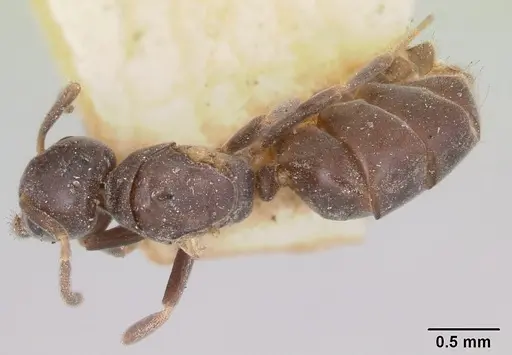
CASENT0909578
Voir sur AntWeb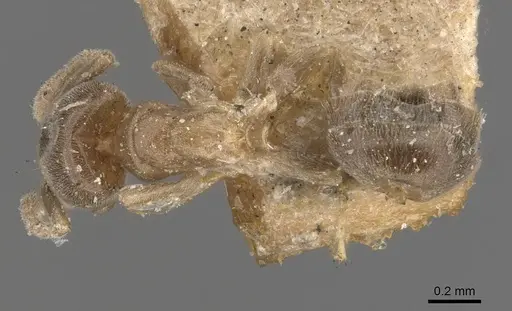
Littérature
Chargement de la carte de répartition...Chargement des produits...