
Cheliomyrmex audax
- Nom sci.
- Cheliomyrmex audax
- Sous-famille
- Dorylinae
- Auteur
- Santschi, 1921
- Distribution
- Trouvé dans 0 pays
Introduction
Cheliomyrmex audax is a Neotropical army ant species belonging to the subfamily Dorylinae, tribe Cheliomyrmecini. It is found in Colombia, Ecuador, and Bolivia, with documented records in the departments of Caldas, Chocó, and Valle del Cauca . This genus is distinctive among army ants because queens remain permanently winged (macropterous), unlike most other Dorylinae genera where queens shed their wings after mating. Workers are small predatory ants that hunt small invertebrates through leaf litter and soil in humid forest habitats. Colonies conduct raids in organized columns rather than the massive swarms characteristic of some Eciton species.
Quick Summary
- Difficulty: Expert
- Origin & Habitat: Neotropical region, Colombia (Caldas, Chocó, Valle del Cauca), Ecuador, and Bolivia. Found in tropical humid forests, typically nesting in rotting wood, under stones, or in leaf litter in damp, shaded areas [1][2].
- Colony Type: Colony structure is not well-documented for this species. Queens are permanently winged, which is unusual among army ants.
- Size & Growth:
- Queen: Size data unavailable, no specific measurements exist for this species
- Worker: Size data unavailable, no specific measurements exist for this species
- Colony: Colony size data unavailable for this species
- Growth: Growth rate data unavailable
- Development: Development timeline unconfirmed for this species (No species-specific development data available.)
- Antkeeping:
- Temperature: Keep at 24-28°C, they are tropical ants requiring warm, stable conditions.
- Humidity: High humidity is essential, aim for 70-85% relative humidity. Keep the nest substrate consistently moist but not waterlogged.
- Diapause: No true diapause, as tropical army ants, they remain active year-round.
- Nesting: Provide a naturalistic setup with moist substrate in a nesting chamber. Y-tong or plaster nests work well for maintaining humidity. They prefer dark, humid nesting chambers.
- Behavior: Cheliomyrmex audax is a predatory army ant that hunts in organized columns through leaf litter and soil. Workers are aggressive predators, attacking small invertebrates. They do not form massive swarms like some Eciton species but instead conduct focused raids. Queens remain permanently winged, which is unusual among army ants. Escape risk is moderate, their small size means standard barrier methods work well. They are not aggressive toward humans and rarely sting.
- Common Issues: Limited availability, this species is rarely available in the antkeeping hobby due to its cryptic nature and limited distribution, humidity management is critical, too dry and colonies desiccate, too wet and mold becomes problematic, specialized diet, they require live prey and may not accept alternative food sources, limited research means care recommendations are largely inferred from genus-level patterns, size data unavailable makes it difficult to determine appropriate prey sizes
Understanding Cheliomyrmex Biology
Cheliomyrmex belongs to the tribe Cheliomyrmecini within the subfamily Dorylinae, making them true army ants. What makes this genus distinctive is that queens remain permanently winged throughout their life, a rare trait among army ants where most genera have queens that shed their wings after the nuptial flight. The male has been described as having a reddish brown or yellowish brown body with antennal scapes as long as the maximum diameter of eyes [2]. Unlike the famous Eciton army ants that create massive visible swarms, Cheliomyrmex species are more cryptic, conducting their raids through leaf litter and soil rather than above ground. This makes them harder to observe in the wild. The genus is known from only a handful of specimens in museum collections, reflecting both their cryptic habits and the difficulty of collecting these fast-moving predators.
Housing and Nest Setup
For Cheliomyrmex audax, you need a setup that maintains high humidity while allowing for their predatory lifestyle. A Y-tong or plaster nest works well because both hold humidity consistently. The nesting area should be dark, these ants prefer dim conditions and will be more active in shaded areas of their enclosure. Since they are raiding ants, you need an outworld connected to the nest where they can forage. The outworld should be escape-proof with a barrier like fluon. Provide multiple chambers in the nest: one for the queen and brood, others as resting areas. Temperature should be maintained at 24-28°C using a heating cable on one side of the nest if your room temperature is below this range. Avoid direct lighting on the nest, army ants prefer darkness.
Feeding Requirements
Cheliomyrmex audax is an obligate predator and requires live prey to survive. In captivity, their primary food should be small live invertebrates appropriate to their size. Springtails are an ideal staple, they are small, nutritious, and can be cultured continuously. Other suitable prey includes fruit flies, small crickets, mealworm larvae, and other micro-arthropods. Feed prey every 2-3 days, adjusting based on colony size and consumption rate. Remove any uneaten prey after 24 hours to prevent mold. They are unlikely to accept sugar water or honey as a significant food source, their diet is primarily protein-based. The colony should have constant access to water, either through a water tube with a cotton plug or by misting the setup regularly.
Colony Development and Growth
Army ant colonies often follow a cyclical pattern of nomadic and stationary phases. During the nomadic phase, the colony moves frequently as workers raid to feed the developing brood. During the stationary phase, the queen lays eggs and the colony remains in one location until the new workers emerge. Specific development data for Cheliomyrmex audax is not available, but related army ant species typically take several weeks from egg to worker at optimal temperatures. The first workers will be smaller than normal workers but will quickly be replaced by larger workers as the colony grows.
Seasonal Care and Overwintering
As a Neotropical species, Cheliomyrmex audax does not require true hibernation or diapause. They remain active year-round when kept at appropriate temperatures. However, you may notice reduced activity during cooler periods in your home, this is normal and the colony will become more active again when temperatures warm. Maintain consistent temperatures throughout the year, avoiding drafts or sudden temperature drops. If your home experiences significant seasonal temperature changes, you may need to use a thermostat-controlled heater to maintain stable conditions. The critical factors are maintaining warmth (24-28°C) and high humidity (70-85%) regardless of the season. Monitor water levels in any hydration reservoirs more closely during winter when heating can dry out the setup faster.
Frequently Asked Questions
Is Cheliomyrmex audax a good species for beginners?
No, Cheliomyrmex audax is not recommended for beginners. This is an expert-level species due to its specific humidity requirements, need for live prey, and the general difficulty of maintaining army ant colonies. They require more specialized care than typical ant species and are rarely available in the hobby.
How long does it take for the first workers to emerge?
Specific development data for Cheliomyrmex audax is not available. Based on typical army ant development patterns, expect several weeks from egg to first worker at optimal temperatures (24-28°C). The exact timeline may vary depending on temperature and colony health.
Can I keep multiple Cheliomyrmex audax queens together?
Colony structure is not well-documented for this species. Combining unrelated queens would likely result in fighting. If you acquire a colony, it should be treated as a single-queen colony until more information becomes available.
What do Cheliomyrmex audax eat?
They are obligate predators that require live prey. Feed them small live invertebrates like springtails, fruit flies, small crickets, and mealworm larvae. They are unlikely to accept sugar water or other carbohydrates as primary food. Remove uneaten prey after 24 hours.
What temperature and humidity do they need?
Keep them at 24-28°C with humidity at 70-85%. Use a heating cable if your room temperature is below this range. Maintain high humidity with moist substrate, army ants are sensitive to drying out. A plaster or Y-tong nest helps maintain consistent humidity.
When should I move them to a formicarium?
You can keep them in a setup with a Y-tong or plaster nest from the start, or transition from a test tube setup once the colony reaches several hundred workers. The key is ensuring the nest maintains high humidity and has space for the growing colony.
How big do Cheliomyrmex audax colonies get?
Colony size data is unavailable for this specific species. Related army ant species can form colonies with thousands of workers, but the maximum size for Cheliomyrmex audax has not been documented.
Do they need hibernation?
No, they do not require hibernation. As Neotropical army ants, they remain active year-round when kept at appropriate temperatures. Simply maintain warm, humid conditions throughout the year.
Why is my colony dying?
Common causes include: low humidity (most common), inadequate prey (they need live food), temperatures below 24°C, mold from overwatering, or stress from excessive disturbance. Review your humidity levels, prey availability, and temperature before troubleshooting further.
Report an Issue
The current care sheet is based fully on literature. See inconsistencies, or something that's incorrect? Please , it will be resolved after review from an admin. Contributing to the blogs tab also helps providing information, to make us be able to further improve the caresheets. Thank you for your support!
References

Cette fiche d'élevage est sous licence CC BY-SA 4.0 .
Blogs de la communauté
CASENT0911368
Voir sur AntWeb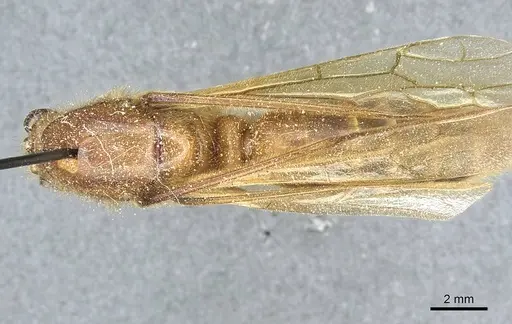
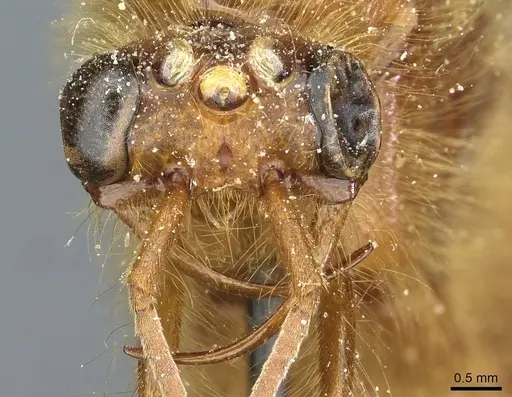
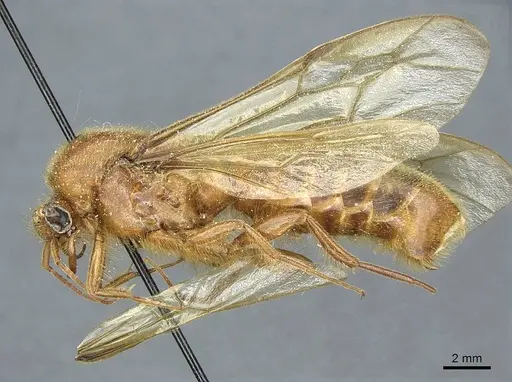
Littérature
Chargement de la carte de répartition...Chargement des produits...