
Cataulacus oberthueri
- Nom sci.
- Cataulacus oberthueri
- Tribu
- Crematogastrini
- Sous-famille
- Myrmicinae
- Auteur
- Forel, 1891
- Distribution
- Trouvé dans 1 pays
Introduction
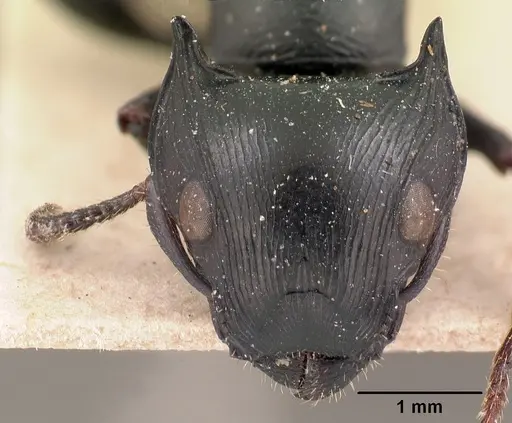
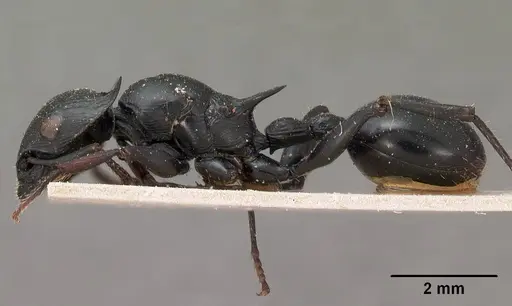
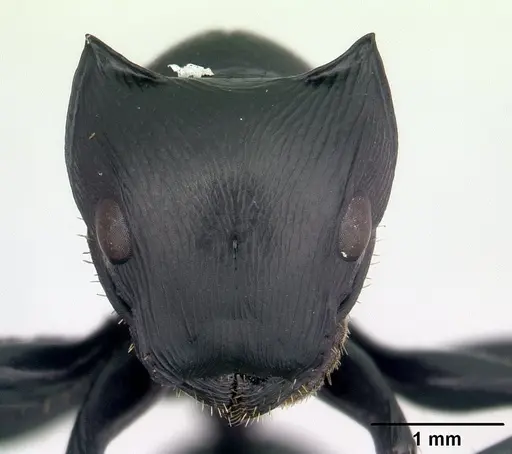
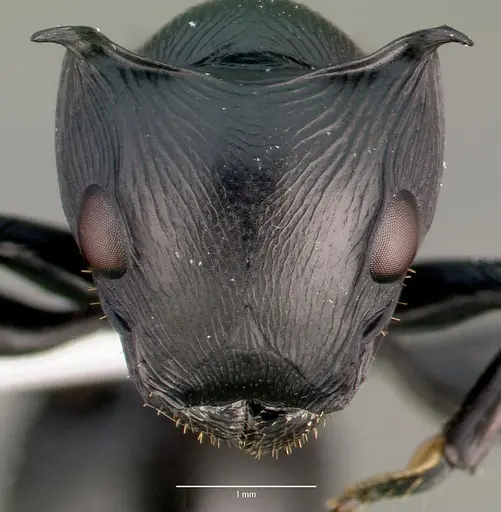
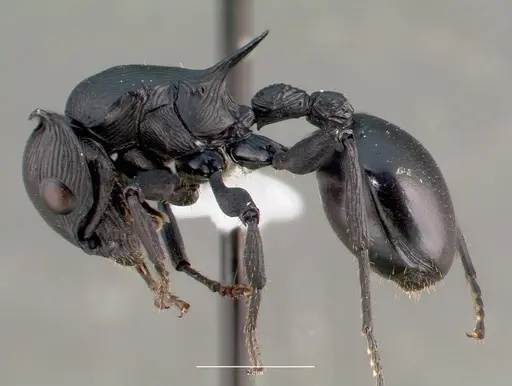
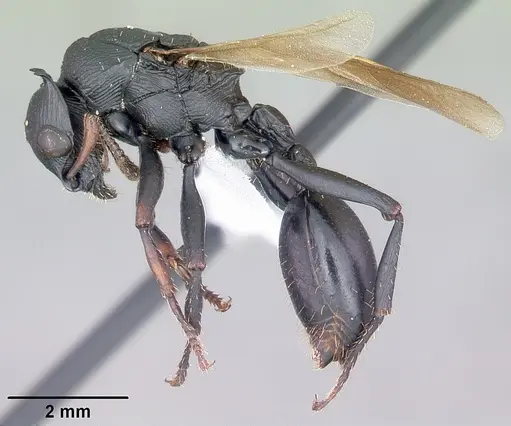
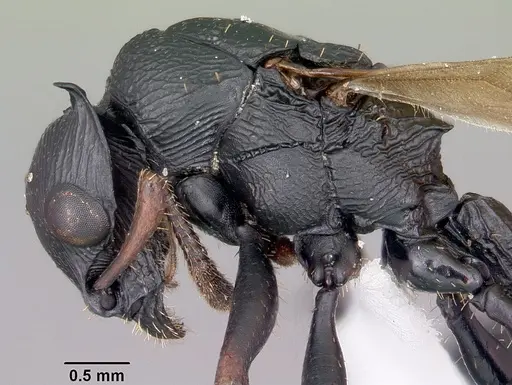
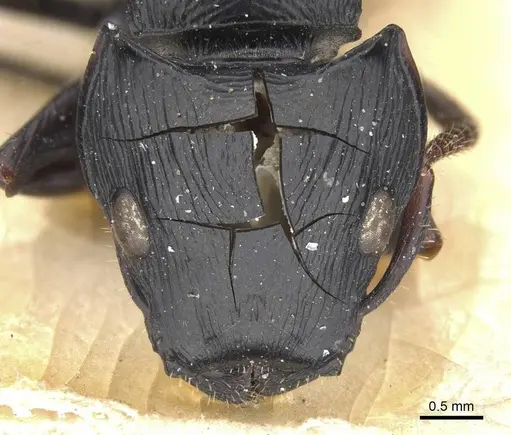
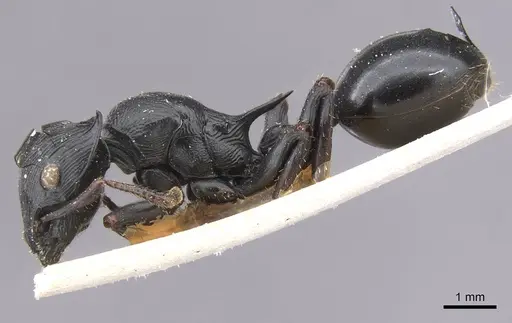
Cataulacus oberthueri is an arboreal ant species endemic to northeastern Madagascar. Workers have the distinctive flattened body shape typical of the genus, which aids in navigating through narrow twig cavities and hollow branches. Coloration is dark reddish-brown to black. This species has been documented at elevations between 600-875 meters in the Réserve Spéciale d'Anjanaharibe-Sud and on the Masoala Peninsula . This species exemplifies the arboreal nesting specialization found throughout the Cataulacus genus. Workers navigate and nest within hollow twigs, branches, and tree cavities in the forest canopy. Their flattened morphology is an adaptation for maneuvering through these confined arboreal spaces.
Quick Summary
- Difficulty: Hard
- Origin & Habitat: Northeastern Madagascar, humid evergreen forest at 600-875m elevation [1]. Found in the Réserve Spéciale d'Anjanaharibe-Sud and western Masoala Peninsula.
- Colony Type: Unconfirmed, colony structure has not been studied for this species.
- Size & Growth:
- Queen: Size data unavailable, no measurements exist for this species
- Worker: Approximately 6-8mm, inferred from Cataulacus genus patterns
- Colony: Unknown, no colony size data exists for this species
- Growth: Unknown, development has not been studied
- Development: Unknown, no species-specific development data exists (Development time is unconfirmed for this species)
- Antkeeping:
- Temperature: Keep warm, roughly 24-28°C. This matches their native tropical rainforest habitat. Avoid temperatures below 22°C or above 32°C.
- Humidity: High humidity required, aim for 70-85%. These forest ants need consistently moist conditions. Mist the outworld regularly and ensure the nest area retains humidity without becoming waterlogged.
- Diapause: No diapause expected. As a tropical species from Madagascar, they do not experience cold winters. Maintain consistent warm, humid conditions year-round.
- Nesting: Arboreal setup required. These ants naturally nest in hollow twigs, branches, and tree cavities. In captivity, they do well in Y-tong (AAC) nests, plaster nests with horizontal chambers, or naturalistic setups with cork bark and twigs. Avoid deep soil-based formicariums, they prefer elevated, enclosed spaces.
- Behavior: Relatively docile and not aggressive toward keepers. They are arboreal and spend most of their time in elevated spaces within the nest. Workers are active foragers and will search for food throughout their territory. They are not strong climbers on smooth surfaces but navigate rough surfaces well. Escape prevention is important, their flattened bodies allow them to squeeze through small gaps. Members of the subfamily Myrmicinae tribe Crematogastrini possess a modified flattened stinger used to smear venom onto enemies rather than pierce flesh.
- Common Issues: high humidity management is critical, too dry and colonies will fail, too wet and mold becomes a problem, arboreal nesting requirements mean standard ground-nest setups are unsuitable, escape prevention is important, their flattened bodies allow them to squeeze through small gaps, limited availability makes this species difficult to acquire, no species-specific care information exists, all care guidance is inferred from genus patterns, temperature and humidity requirements may be overestimated due to lack of direct data
Housing and Nest Setup
Cataulacus oberthueri requires arboreal-style housing that mimics their natural tree-dwelling habitat. Standard vertical formicariums designed for ground-nesting ants are not suitable. Instead, use Y-tong (AAC) nests with horizontal or slightly inclined chambers, plaster nests with multiple connected chambers, or naturalistic setups featuring cork bark, hollow twigs, and small branches. The nest should be positioned higher than the outworld to encourage natural arboreal behavior. Include plenty of climbing structures like twigs, branches, or rough-textured surfaces in the outworld. Test tube setups can work for founding colonies if placed horizontally or at a slight angle, but the colony will need to be moved to a more appropriate arboreal setup once it grows beyond 20-30 workers.
Feeding and Diet
Based on typical Cataulacus genus feeding patterns, these ants are omnivorous with a preference for protein sources. They likely feed on small insects, arthropods, and honeydew from sap-sucking insects in the wild. In captivity, offer a varied diet including small live insects like fruit flies, pinhead crickets, and mealworms. Sugar sources are generally accepted, offer diluted honey, sugar water, or commercial ant nectar periodically. Fresh water should always be available. Feed protein 2-3 times per week and maintain a constant sugar source. Remove uneaten prey after 24-48 hours to prevent mold issues in the humid environment they require.
Temperature and Humidity Management
Maintaining proper temperature and humidity is critical for keeping this species. They require temperatures of 24-28°C, which can be achieved with a small heat mat placed on one side of the nest (never directly on the nest material as it can cause drying). Humidity must be maintained at 70-85%, this is higher than most ground-nesting ant species require. Use a moisture reservoir in the nest (like a water tube in a Y-tong setup) and mist the outworld regularly. However, balance is essential: too much moisture leads to mold, while too little causes desiccation and colony decline. Monitor both conditions closely and adjust based on colony behavior and health.
Behavior and Activity Patterns
Cataulacus oberthueri is an arboreal species with behavioral adaptations for canopy dwelling. Workers are active foragers that search for food in the upper regions of their enclosure. They are not particularly aggressive and will typically flee rather than engage in confrontation. In captivity, they may be more active during dim lighting conditions. Their flattened body morphology allows them to navigate through narrow twig cavities and may assist in remaining stationary on vertical surfaces.
Frequently Asked Questions
Can I keep Cataulacus oberthueri in a test tube?
Test tubes can work for founding colonies but are not ideal long-term housing. These arboreal ants need horizontal or elevated spaces, not vertical tubes. Once the colony reaches 20-30 workers, transfer them to a Y-tong, plaster nest, or naturalistic setup with climbing structures.
What do Cataulacus oberthueri ants eat?
They are omnivorous with a protein preference. Feed small live insects like fruit flies, pinhead crickets, or small mealworms 2-3 times per week. Offer sugar sources like honey water or sugar water constantly. Remove uneaten prey after 24-48 hours.
How long does it take for Cataulacus oberthueri to produce first workers?
Unknown, no species-specific development data exists. Estimates from related species suggest several months at tropical temperatures, but this has not been confirmed for this species.
Do Cataulacus oberthueri ants need hibernation?
No. As a tropical species from Madagascar, they do not require hibernation or winter cooling. Maintain consistent warm and humid conditions year-round.
Are Cataulacus oberthueri ants good for beginners?
No. This species is considered difficult to keep due to specific arboreal housing requirements, high humidity needs, and limited availability. They are best suited for experienced antkeepers who can maintain precise temperature and humidity levels.
Do Cataulacus oberthueri ants sting?
Members of the Myrmicinae subfamily have a modified stinger that can be used to apply venom. The Crematogastrini tribe specifically has a flattened stinger used to smear venom onto enemies rather than pierce flesh. This species is not aggressive toward humans but may attempt to smear venom if handled.
How big do Cataulacus oberthueri colonies get?
Unknown, no colony size data exists for this species. Based on typical Cataulacus genus patterns, colonies may reach several hundred workers, but this is unconfirmed.
Why are my Cataulacus oberthueri dying?
The most common causes are improper humidity, temperatures outside their preferred range, or unsuitable nest setup. Ensure high humidity, warm temperatures, and arboreal-style housing with horizontal chambers. Also check for escape issues, their flattened bodies allow them to squeeze through small gaps.
When should I move Cataulacus oberthueri to a formicarium?
Move them when the test tube or founding setup becomes cramped, typically around 20-30 workers. Use an arboreal-style setup like Y-tong (AAC), plaster nests, or naturalistic setups with cork bark and twigs.
Report an Issue
The current care sheet is based fully on literature. See inconsistencies, or something that's incorrect? Please , it will be resolved after review from an admin. Contributing to the blogs tab also helps providing information, to make us be able to further improve the caresheets. Thank you for your support!
References

Cette fiche d'élevage est sous licence CC BY-SA 4.0 .
Blogs de la communauté
CASENT0101987
Voir sur AntWeb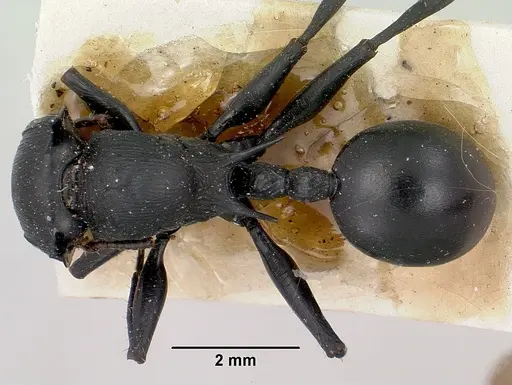
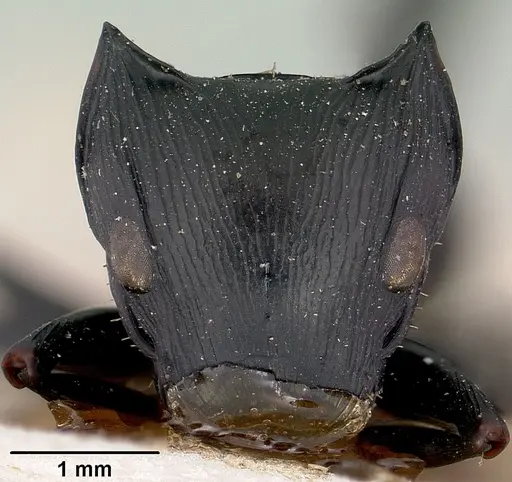
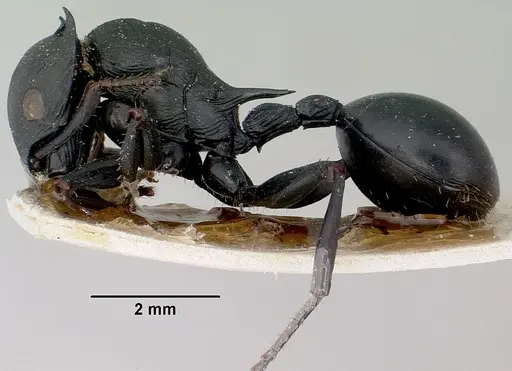
CASENT0102068
Voir sur AntWeb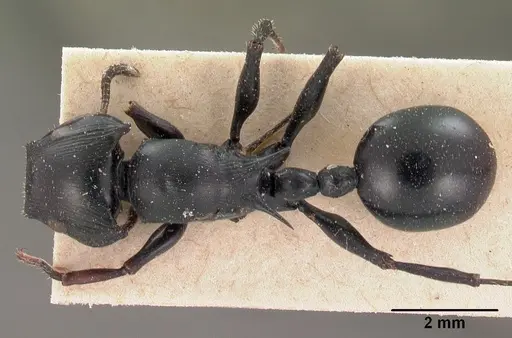
CASENT0136347
Voir sur AntWeb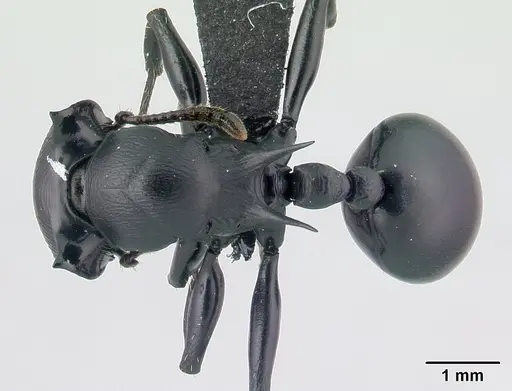
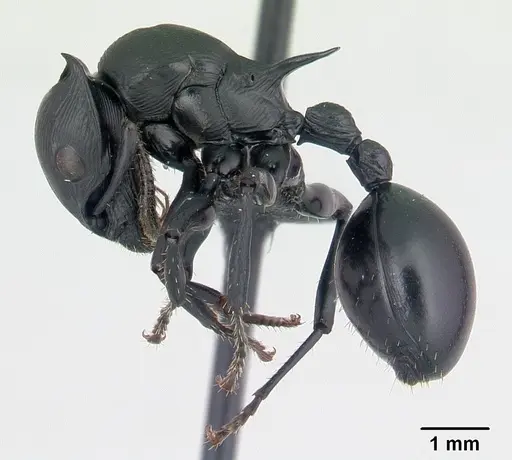
CASENT0435894
Voir sur AntWeb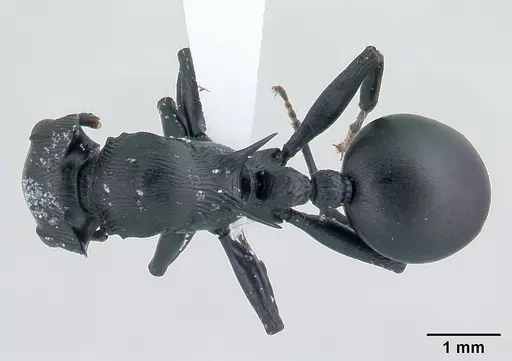
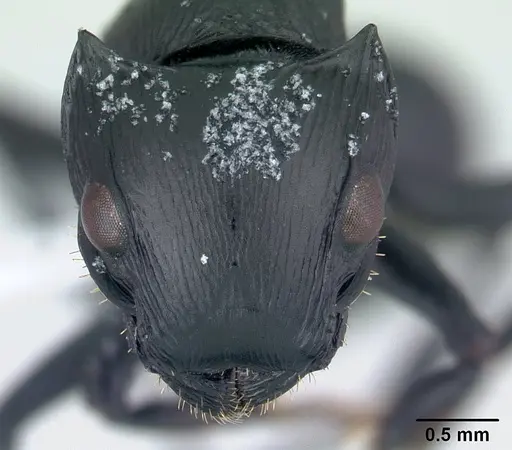
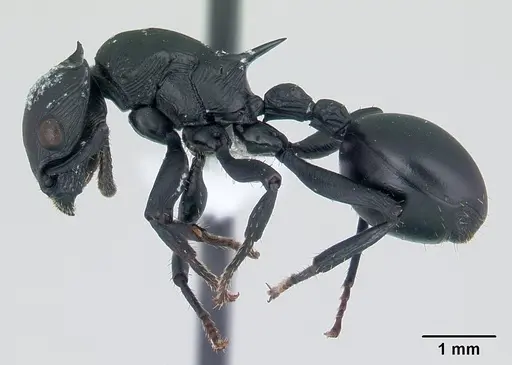
CASENT0435903
Voir sur AntWeb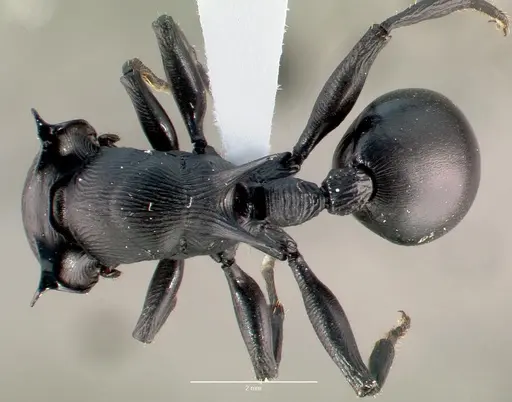
CASENT0435927
Voir sur AntWeb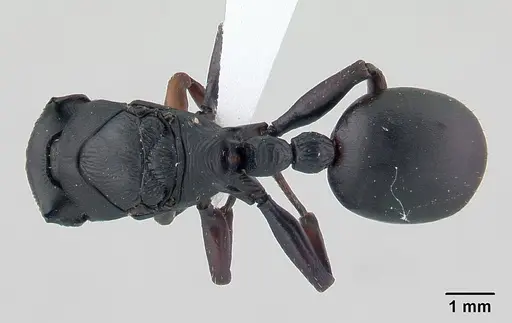
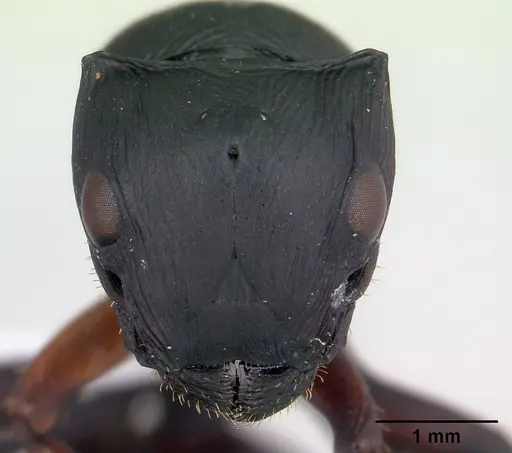
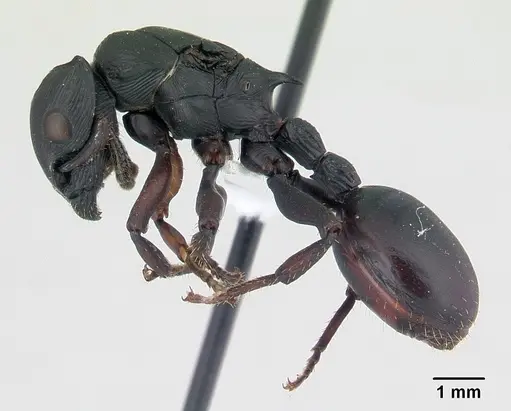
CASENT0435930
Voir sur AntWeb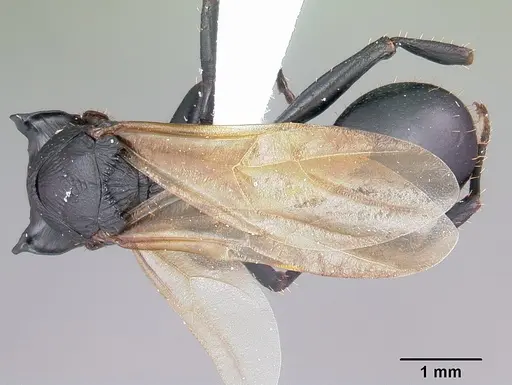
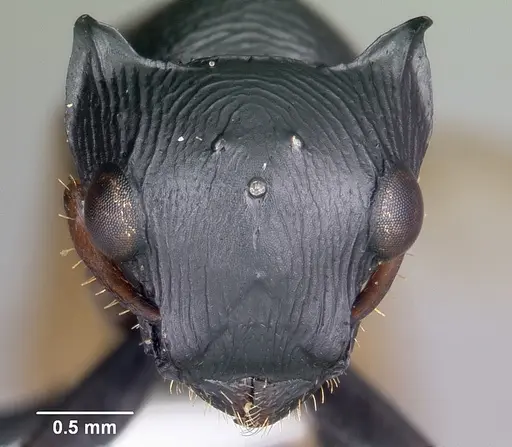
RMCAENT000017796
Voir sur AntWeb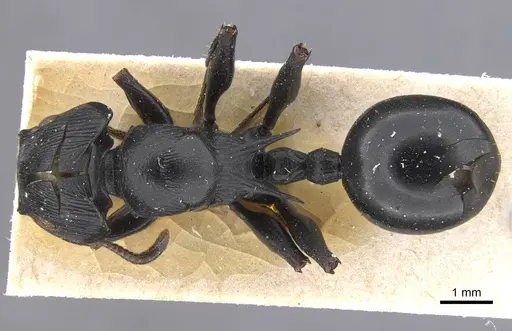
Littérature
Chargement de la carte de répartition...Chargement des produits...