
Cataglyphis espadaleri
- Nom sci.
- Cataglyphis espadaleri
- Tribu
- Formicini
- Sous-famille
- Formicinae
- Auteur
- Cagniant, 2009
- Distribution
- Trouvé dans 0 pays
Introduction
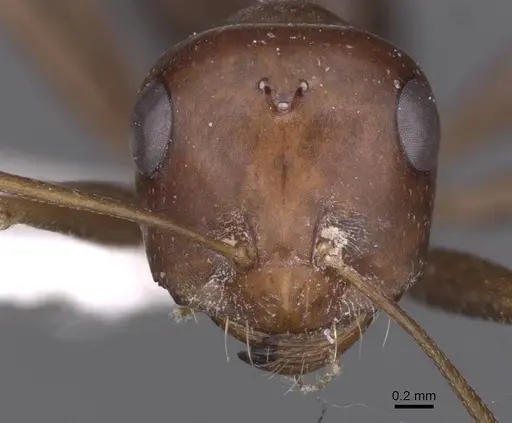
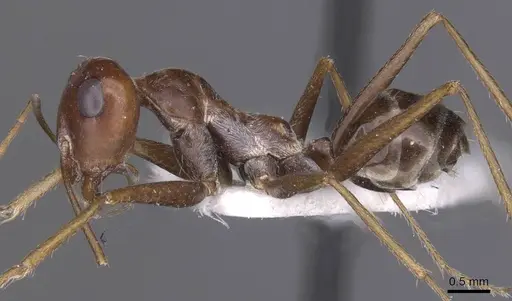
Cataglyphis espadaleri is a North African desert ant species described from the Gorges du Todra in Morocco at 1550m elevation . Workers are typical of the genus - fast-running foragers with a reddish-brown head and mesosoma contrasting against a darker abdomen. The genus Cataglyphis contains some of the fastest ants in the world, adapted to hot, arid environments where they forage during the hottest parts of the day. This species was described in 2009 by Cagniant, with the type series collected from high-altitude gorges in the Moroccan Atlas Mountains .
Quick Summary
- Difficulty: Unknown, limited data available
- Origin & Habitat: Morocco (Gorges du Todra,1550m elevation), rocky mountain gorges in the High Atlas region [1]
- Colony Type: Unconfirmed, colony structure has not been documented for this species
- Size & Growth:
- Queen: size data unavailable, queen measurements not published in species description
- Worker: size data unavailable, worker measurements not published in species description
- Colony: Unconfirmed, colony size has not been documented
- Growth: Unknown
- Development: Unknown, development has not been studied for this species (Development timeline unconfirmed for this species)
- Antkeeping:
- Temperature: Likely warm-adapted like other Cataglyphis species, aim for 24-30°C with a thermal gradient
- Humidity: Low, dry conditions typical of their mountain gorge habitat
- Diapause: Likely required, temperate/mountain origin suggests a winter rest period
- Nesting: Natural nesting sites likely include soil cavities under stones in rocky areas. In captivity, a dry formicarium with a warm spot works well
- Behavior: Active foragers that likely run quickly like other Cataglyphis species. They are daytime foragers adapted to hot conditions. Escape prevention should be good, while small, they are not among the tiniest ants. Formicinae ants lack a functional sting and instead spray formic acid as their primary defense mechanism.
- Common Issues: limited data means care requirements are largely inferred from genus, observe your colony closely, high-altitude origin may mean they need cooler conditions than typical lowland Cataglyphis, desert species may be sensitive to overhydration, keep nesting area dry, hibernation may be longer or more critical due to mountain origin
Species Background and Distribution
Cataglyphis espadaleri is a recently described species from Morocco, named in honor of X. Espadaler who discovered the first nest [2]. The type locality is the Gorges du Todra in the High Atlas Mountains at 1550m elevation, a rocky, relatively cool environment for a Cataglyphis species. This is notable because most Cataglyphis are known from hot, lowland desert regions. The higher elevation and cooler mountain gorge habitat suggests this species may have different temperature requirements than typical desert Cataglyphis like C. albicans or C. niger.
What We Know About Care
This species has not been kept in captivity documented in the hobby literature, so all care recommendations are based on inference from the genus and natural habitat. The Gorges du Todra location provides important clues, at 1550m elevation, temperatures are cooler than the Moroccan lowlands, and the gorge environment likely has more moderate humidity than true deserts. Expect this species to be more tolerant of cooler conditions than typical Sahara-dwelling Cataglyphis. Start with a thermal gradient of 22-28°C and observe colony behavior, if they are active and foraging, the conditions are likely good. [1]
Housing and Nesting
Based on the natural habitat in rocky mountain gorges, provide a nest that stays relatively dry with some humidity variation available. A Y-tong or plaster nest with a moisture chamber on one side allows the ants to self-regulate. The outworld should have a warm, well-lit area for foraging. Like other Cataglyphis, they are active foragers that benefit from a properly lit outworld that simulates daylight conditions.
Feeding
Cataglyphis species are typically generalist foragers that collect both sugary liquids and protein sources. Offer sugar water or honey as a constant energy source, and protein like small insects regularly. In the wild, they often scavenge and hunt small invertebrates in hot conditions. Adjust feeding based on colony acceptance and activity levels.
Frequently Asked Questions
How do I keep Cataglyphis espadaleri ants?
Since this species has limited documentation, start with typical Cataglyphis care: a warm, dry nest with a thermal gradient around 24-28°C, sugar water constantly available, and protein prey regularly. The high-altitude origin suggests they may prefer cooler conditions than typical desert Cataglyphis, monitor activity and adjust accordingly.
What temperature does Cataglyphis espadaleri need?
Aim for 24-28°C with a thermal gradient, but be prepared to adjust based on your colony's behavior. The mountain gorge origin at 1550m suggests they may prefer slightly cooler conditions than true desert species.
Do Cataglyphis espadaleri ants need hibernation?
Likely yes, their origin in the Moroccan Atlas Mountains suggests they evolved in a seasonal climate. Provide a cool period around 10-15°C for 2-3 months during winter, mimicking natural seasonal changes.
How long does it take for Cataglyphis espadaleri to develop from egg to worker?
Unknown for this specific species. Development timeline has not been studied.
Are Cataglyphis espadaleri good for beginners?
Not recommended as a first species due to limited documented care information. This species was only described in 2009 and has not been widely kept in captivity. Consider starting with better-documented Cataglyphis like C. albicans or C. niger, or other established beginner species.
What do Cataglyphis espadaleri ants eat?
Like other Cataglyphis, they likely accept sugar water or honey as an energy source and small insects for protein. Offer both and adjust based on what your colony accepts.
How big do Cataglyphis espadaleri colonies get?
Unknown, colony size has not been documented for this species.
Can I keep multiple Cataglyphis espadaleri queens together?
Not documented. Colony structure (monogyne vs polygyne) has not been studied for this species. Do not combine unrelated foundress queens without documented evidence they can coexist.
Where is Cataglyphis espadaleri found in the wild?
Morocco, specifically the Gorges du Todra in the High Atlas Mountains at 1550m elevation. This is a rocky mountain gorge environment, not a true desert.
Report an Issue
The current care sheet is based fully on literature. See inconsistencies, or something that's incorrect? Please , it will be resolved after review from an admin. Contributing to the blogs tab also helps providing information, to make us be able to further improve the caresheets. Thank you for your support!
References

Cette fiche d'élevage est sous licence CC BY-SA 4.0 .
Blogs de la communauté
CASENT0913668
Voir sur AntWeb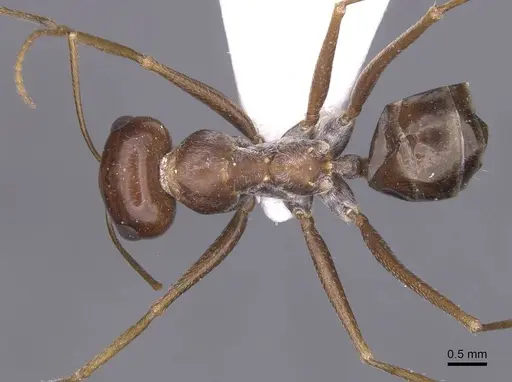
Littérature
Chargement de la carte de répartition...Chargement des produits...