
Cataglyphis cana
- Nom sci.
- Cataglyphis cana
- Tribu
- Formicini
- Sous-famille
- Formicinae
- Auteur
- Santschi, 1925
- Distribution
- Trouvé dans 0 pays
Introduction
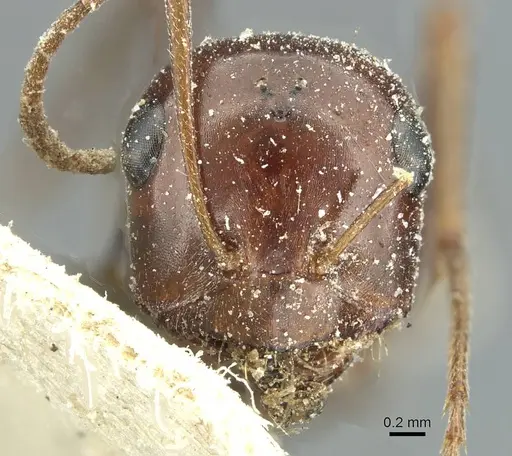
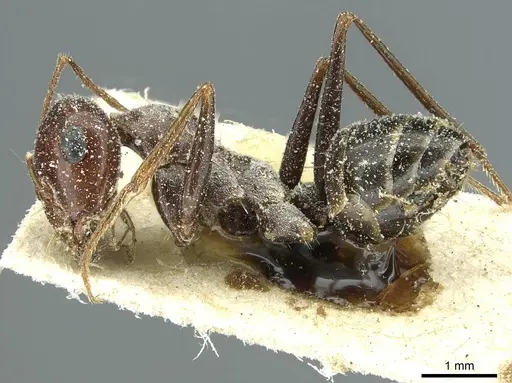
Cataglyphis cana is a medium-sized desert ant species. Workers display a pale to yellowish coloration typical of many Cataglyphis species, which helps reflect sunlight in hot native habitats. The species originates from North Africa and the Mediterranean region, with documented populations in Morocco, Spain, and the United Arab Emirates . These ants thrive in arid, open landscapes and are adapted to extreme heat conditions.
Quick Summary
- Difficulty: Medium
- Origin & Habitat: Native to arid regions of Morocco (Haouz de Marrakech), mainland Spain, and the United Arab Emirates. Found in desert and semi-desert environments with hot, dry conditions [2][1][3].
- Colony Type: Unconfirmed. Specific colony structure data is unavailable for this species.
- Size & Growth:
- Queen: ~8-10mm, inferred from Cataglyphis genus patterns
- Worker: ~5-7mm, inferred from Cataglyphis genus patterns
- Colony: Size data unavailable
- Growth: Unknown
- Development: Unknown, specific development timing unconfirmed for this species (Development time is unstudied)
- Antkeeping:
- Temperature: Keep warm. Specific requirements unconfirmed, these are desert-adapted ants that likely tolerate higher temperatures. Observe colony activity to find the optimal range.
- Humidity: Low. Maintain dry nest conditions, these are desert-adapted ants that prefer arid conditions.
- Diapause: Likely required based on temperate and subtropical distribution. Provide a cool period during winter months.
- Nesting: Prefers dry, sandy substrates typical of desert environments. Y-tong (AAC) nests work well, or a naturalistic setup with a dry digging area.
- Behavior: Active foragers. Workers are fast-moving and will recruit nestmates to food sources. As Formicinae, they lack a functional sting and instead spray formic acid as a chemical defense. Escape prevention should be moderate, they are quick and may explore gaps.
- Common Issues: excess humidity can be fatal, keep nesting area dry, specific founding behavior unconfirmed, claustral founding is typical for genus but not verified for this species, test tube setups must be kept dry, moisture can be harmful to this desert species, wild-caught colonies may carry parasites or diseases
Housing and Nest Setup
Cataglyphis cana thrives in dry, warm enclosures that mimic their desert homeland. Y-tong (AAC) nests work excellently for this species, providing the dry conditions they need. Alternatively, a naturalistic setup with a sandy digging area allows them to create their own tunnels. The foraging area should be spacious enough for their active workers to patrol. Because they originate from hot, arid regions, these ants handle heat well but suffer from excess moisture. Keep the nest area dry with humidity only in the outworld for drinking water.
Feeding and Diet
Like most Cataglyphis species, C. cana is omnivorous with a preference for protein. Feed them small insects such as fruit flies, small crickets, or mealworms. They will also accept sugar sources including honey water or sugar water, though protein should form the majority of their diet. In the wild, these ants are efficient scavengers and predators, foraging during the hottest parts of the day when other ants are inactive. Offer food 2-3 times per week, removing any uneaten prey within 24 hours to prevent mold.
Temperature and Seasonal Care
These desert ants require warm conditions to thrive. Maintain nest temperatures in the warm range. Unlike most ant species that suffer in heat, Cataglyphis species often benefit from higher temperatures. During winter months, consider providing a diapause period by reducing temperatures. This simulates their natural seasonal cycle and supports colony health.
Colony Development
The queen will seal herself in a chamber after mating and survive on stored fat reserves until the first workers emerge. This founding phase can take several weeks or longer depending on temperature. The first workers will be smaller than mature workers but quickly begin foraging to support colony growth. Patience is key during the founding phase as the queen requires complete darkness and minimal disturbance.
Frequently Asked Questions
How long does it take for Cataglyphis cana to produce first workers?
Specific development time is unconfirmed for this species. Expect several weeks to a couple months at optimal warm temperatures. The claustral queen seals herself in and raises the first brood alone, so patience during founding is essential.
What temperature do Cataglyphis cana ants need?
Keep them warm. Specific requirements are unconfirmed, but these are desert-adapted ants that tolerate higher temperatures. Start in the warm range and observe colony activity.
Can I keep multiple Cataglyphis cana queens together?
Not recommended. Colony type is unconfirmed for this species, but combining unrelated queens would likely result in aggression.
Do Cataglyphis cana ants need hibernation?
Likely required. Based on their distribution in temperate and subtropical regions, provide a cool diapause period during winter.
What do Cataglyphis cana ants eat?
They are omnivorous but prefer protein. Feed small insects like fruit flies, pinhead crickets, or mealworms. They will also accept sugar water or honey as an energy source.
Are Cataglyphiscana ants good for beginners?
They are moderate difficulty. While hardy once established, the founding phase requires patience, and they have specific humidity requirements (dry nesting area). Not the easiest choice for complete beginners but manageable with research.
How big do Cataglyphiscana colonies get?
Colony size data is unavailable for this species. Growth rate is unstudied.
Why are my Cataglyphiscana ants dying?
The most common causes are excess humidity (they need dry nesting conditions), disturbance during founding, or temperatures that are too cool. Ensure the nest area stays dry and warm.
When should I move Cataglyphis to a formicarium?
Wait until the colony has a substantial number of workers and the test tube setup becomes cramped. For this species, a Y-tong nest works well once the colony is established.
Report an Issue
The current care sheet is based fully on literature. See inconsistencies, or something that's incorrect? Please , it will be resolved after review from an admin. Contributing to the blogs tab also helps providing information, to make us be able to further improve the caresheets. Thank you for your support!
References

Cette fiche d'élevage est sous licence CC BY-SA 4.0 .
Blogs de la communauté
CASENT0905721
Voir sur AntWeb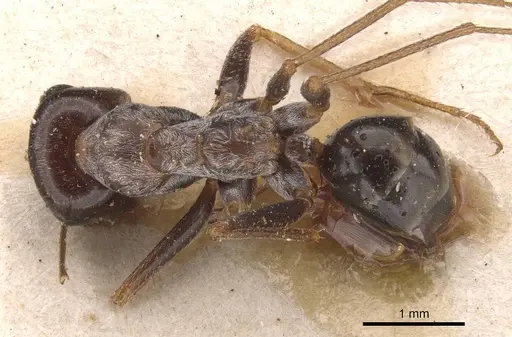
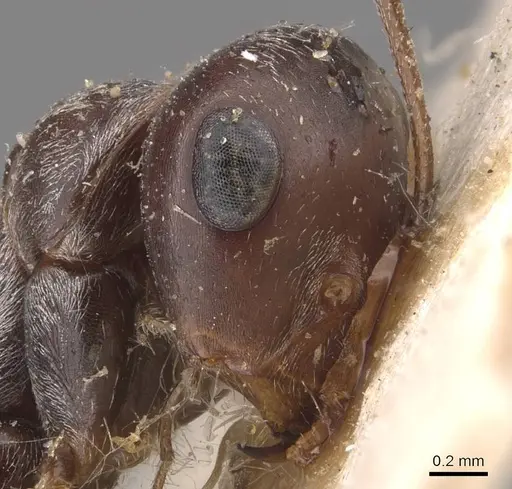
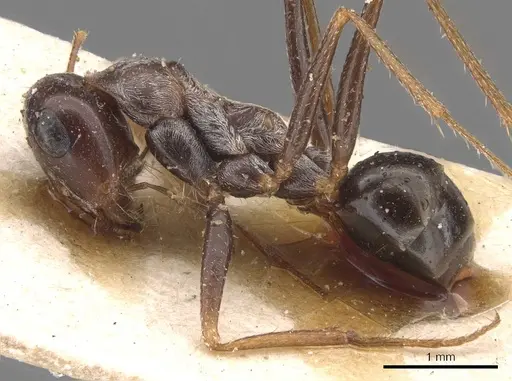
CASENT0912188
Voir sur AntWeb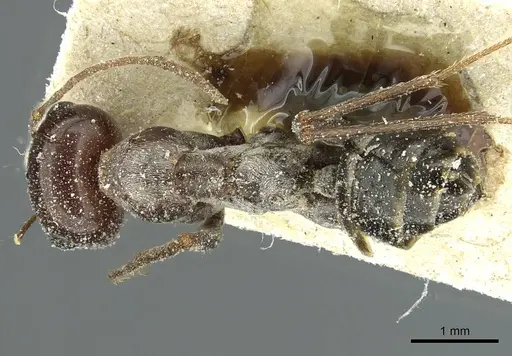
Littérature
Chargement de la carte de répartition...Chargement des produits...