
Carebara petulca
- Nom sci.
- Carebara petulca
- Tribu
- Crematogastrini
- Sous-famille
- Myrmicinae
- Auteur
- Wheeler, 1922
- Distribution
- Trouvé dans 0 pays
Introduction
Carebara petulca is a tiny ant species endemic to Kongo Central province in the Democratic Republic of Congo . Workers of this genus are among the smallest ants, typically measuring just a few millimeters. They have the typical slender, pale to reddish-brown coloration common to many Carebara species. This species is known only from historical records dating back to the 1920s-1930s, and no modern observations or studies exist in the scientific literature. As a tropical African species from the Congo region, they likely inhabit forest floor environments where they nest in soil or under stones.
Quick Summary
- Difficulty: Expert
- Origin & Habitat: Endemic to Kongo Central province in the Democratic Republic of Congo, Central Africa [1]. This region has a tropical climate with high humidity and warm temperatures year-round.
- Colony Type: Colony structure is unconfirmed. Many Carebara species have ergatoid (wingless) replacement queens, but this has not been documented for this species specifically.
- Size & Growth:
- Queen: Size data unavailable, inferred from Carebara genus patterns (~4-6mm)
- Worker: Size data unavailable, inferred from Carebara genus patterns (~1-3mm)
- Colony: Unknown
- Growth: Unknown
- Development: Unknown (No species-specific data available)
- Antkeeping:
- Temperature: Keep at 24-28°C, mimicking warm tropical conditions
- Humidity: Maintain high humidity. Keep the nest substrate consistently moist but not waterlogged
- Diapause: No, as a tropical species from equatorial Africa, they do not require hibernation
- Nesting: Use a test tube setup or small nest with tight chambers scaled to their tiny size. They likely prefer soil-based substrates and may nest under stones in the wild
- Behavior: Behavior is unconfirmed for this species. Based on genus patterns, they are likely predatory or omnivorous, foraging for small arthropods and tending honeydew-producing insects. Their tiny size makes them excellent escape artists, use fine mesh barriers and ensure all connections are sealed.
- Common Issues: tiny size makes escape prevention critical, they can squeeze through the smallest gaps, no species-specific care information exists, humidity control is challenging but important for tropical species, slow colony growth is common with small ant species and requires patience, wild-caught colonies may have parasites or diseases that cause captive failures
Species Background and Distribution
Carebara petulca is one of the rarest and least-studied ant species. It was originally described and recorded in the early 20th century from specimens collected in Kongo Central, the western province of the Democratic Republic of Congo [1]. This region has a tropical climate with abundant rainfall and year-round warm temperatures. The species has not been rediscovered in modern surveys, suggesting it may be extremely rare in the wild or possibly overlooked due to its tiny size. No additional ecological or behavioral studies have been published on this species since the original descriptions in the 1920s-1930s.
Housing and Nest Setup
Because of their extremely small size, Carebara petulca requires specialized housing. Use test tubes with cotton-plugged water reservoirs, or small nests with chambers and tunnels scaled to their tiny size. Avoid tall, open spaces, these tiny ants feel secure in tight, enclosed spaces. The nest material should be able to hold moisture without mold issues, plaster works well for maintaining humidity. Place the nest in a dark location, as these forest-floor species prefer dim conditions. The outworld should be small and escape-proof, with a barrier of fluon on smooth surfaces. Because they are so small, even standard ant farm setups may have gaps that allow escape, inspect all connections carefully.
Temperature and Humidity Requirements
As a tropical species from equatorial Africa, Carebara petulca needs warm and humid conditions. Maintain temperatures between 24-28°C using a heating cable placed on one side of the nest to create a gentle temperature gradient. Avoid temperatures below 22°C or above 30°C. Humidity should be high, around 70-80%, which can be maintained by keeping the nest substrate moist and using a water reservoir in test tube setups. Mist the outworld occasionally, but avoid creating standing water. Good ventilation is important to prevent mold while maintaining humidity. Monitor both temperature and humidity with digital meters placed near the nest.
Feeding and Diet
The diet of Carebara petulca is not directly documented, but based on genus patterns, they are likely omnivorous with a preference for small protein sources. Offer small live prey such as springtails, fruit flies, or tiny crickets. They may also accept sugar water or honey as an energy source. Feed small amounts of prey every 2-3 days, removing any uneaten food promptly to prevent mold. Since they are so small, even a single fruit fly is a substantial meal for the colony. Observe feeding behavior to determine individual preferences.
Colony Development and Growth
No specific development timeline exists for Carebara petulca. Based on typical patterns for small tropical ants, expect several weeks from egg to first worker at optimal temperature. Initial colonies will be very slow-growing, with the queen producing just a few eggs at a time. Nanitics (first workers) will be extremely tiny, often barely visible to the naked eye. Colony growth is typically slow for the first several months, requiring patience. Do not expect rapid expansion. Avoid overfeeding, as excess food mold can be fatal to small colonies.
Frequently Asked Questions
How long does it take for Carebara petulca to produce first workers?
The exact timeline is unknown. Based on typical patterns for small tropical ants, expect several weeks from egg to first worker at optimal temperature (24-28°C). Initial development is slow, so be patient during the founding stage.
What do Carebara petulca ants eat?
Based on genus patterns, they likely eat small live prey such as springtails and fruit flies, and may accept sugar water or honey. Offer a varied diet and observe what they prefer. Remove uneaten food promptly to prevent mold.
Do Carebara petulca ants need hibernation?
No. As a tropical species from equatorial Africa, they do not require diapause or hibernation. Keep them warm year-round at 24-28°C.
Can I keep multiple Carebara petulca queens together?
This has not been documented for this species. Combining unrelated queens is not recommended as it often leads to fighting.
Are Carebara petulca ants good for beginners?
No. This is an expert-level species due to the complete lack of species-specific care information, their extremely small size requiring specialized housing, and the need for precise temperature and humidity control. Only experienced antkeepers should attempt this species.
How big do Carebara petulca colonies get?
Maximum colony size is unknown. Growth is slow, and colonies likely remain small.
Do Carebara petulca ants sting?
Due to their extremely small size, they likely cannot penetrate human skin even if they possess a stinger. They are not considered dangerous to humans.
Why are my Carebara petulca ants dying?
Common causes include: temperature too cold (below 22°C), humidity too low or too high, mold from overfeeding or poor ventilation, escape through tiny gaps, or stress from excessive disturbance. Review all environmental parameters and reduce handling.
When should I move Carebara petulca to a formicarium?
Wait until the colony has at least 20-30 workers before moving. Test tubes work well for founding colonies and small colonies. Only move to a larger nest when the colony clearly needs more space.
Where can I get Carebara petulca ants?
This species is extremely rare in the antkeeping hobby. It may occasionally be available from specialized dealers who focus on African or rare species. Expect to pay a premium price and potentially join a waiting list.
Report an Issue
The current care sheet is based fully on literature. See inconsistencies, or something that's incorrect? Please , it will be resolved after review from an admin. Contributing to the blogs tab also helps providing information, to make us be able to further improve the caresheets. Thank you for your support!
References

Cette fiche d'élevage est sous licence CC BY-SA 4.0 .
Blogs de la communauté
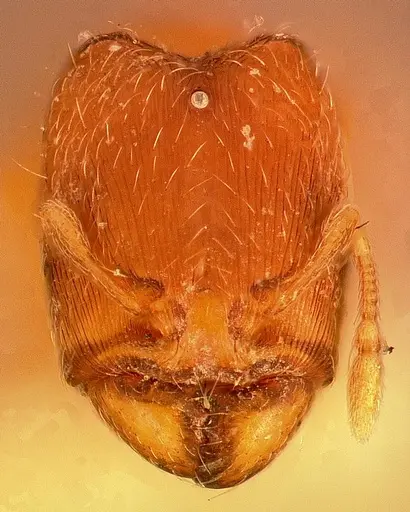
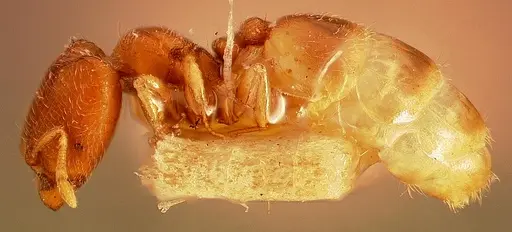
CASENT0003148
Voir sur AntWeb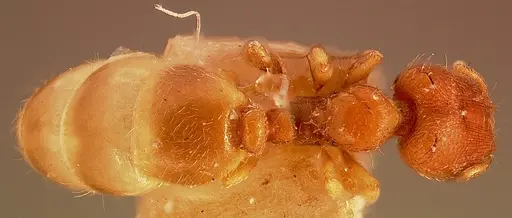
Littérature
Chargement de la carte de répartition...Chargement des produits...