
Carebara jeanneli
- Nom sci.
- Carebara jeanneli
- Tribu
- Crematogastrini
- Sous-famille
- Myrmicinae
- Auteur
- Santschi, 1913
- Distribution
- Trouvé dans 0 pays
Introduction
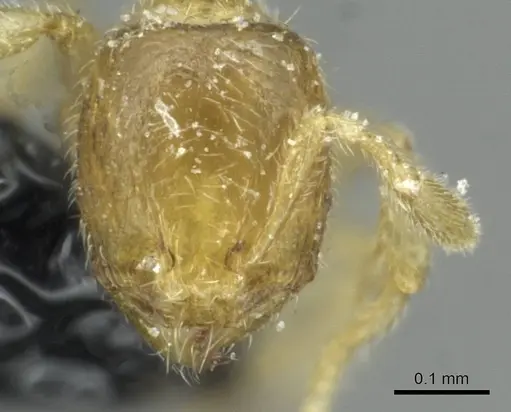
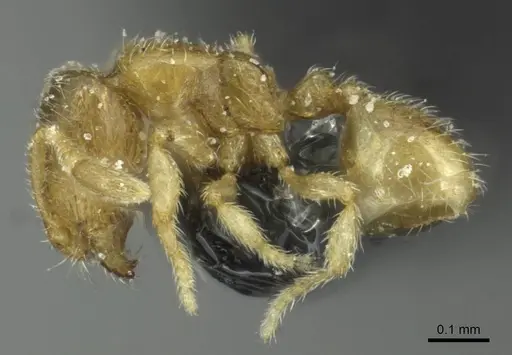
Carebara jeanneli is a tiny myrmicine ant native to East Africa, found in Kenya and Eritrea . Workers measure just 0.9mm for minors and up to 1.7mm for majors . They are yellow with a smooth, shiny body and have very small, atrophied eyes positioned near the front of the head . The species was originally described from cave entrances in Kenya, suggesting they prefer humid, shaded microhabitats . This is a rarely kept species in captivity with limited available care information.
Quick Summary
- Difficulty: Hard
- Origin & Habitat: East Africa (Kenya, Eritrea), found at cave entrances in Shimoni, Kenya [2]. The cave entrance location suggests they prefer humid, shaded, and thermally stable conditions.
- Colony Type: Unconfirmed colony structure. Most Carebara species are single-queen (monogyne), but this has not been documented for Carebara jeanneli specifically.
- Size & Growth:
- Queen: Undocumented, no queen measurements available for this species
- Worker: Minor workers: 0.9mm. Major workers: up to 1.7mm [2][3]
- Colony: Unknown, no colony size data available
- Growth: Unknown, no development data available
- Development: Unconfirmed, no direct development data exists. Based on typical Carebara patterns and their small size, expect several weeks at warm temperatures, but this is an estimate. (Development timeline is unconfirmed for this species.)
- Antkeeping:
- Temperature: Aim for 24-28°C based on their East African origin and cave entrance habitat.
- Humidity: High humidity is likely required given their cave entrance origin. Keep nest substrate consistently moist but not waterlogged.
- Diapause: Unknown, East African species may have reduced activity periods rather than true hibernation.
- Nesting: Based on cave entrance collection, they likely prefer humid, dark spaces. A Y-tong or plaster nest with consistent moisture works well. Their tiny size means narrow chambers are appropriate.
- Behavior: This is a poorly documented species. Based on related Carebara, they are likely docile and non-aggressive. Workers are tiny with atrophied eyes, suggesting limited visual orientation and possibly cryptic or subterranean foraging. Their small size makes them vulnerable and escape prevention is critical, they can squeeze through extremely small gaps.
- Common Issues: tiny size makes escape likely without fine mesh barriers, limited natural history data makes proper care challenging, humidity control is critical, too dry causes colony loss, slow growth and small colony sizes mean patience is required, wild-caught colonies may have unknown parasites or diseases
Appearance and Identification
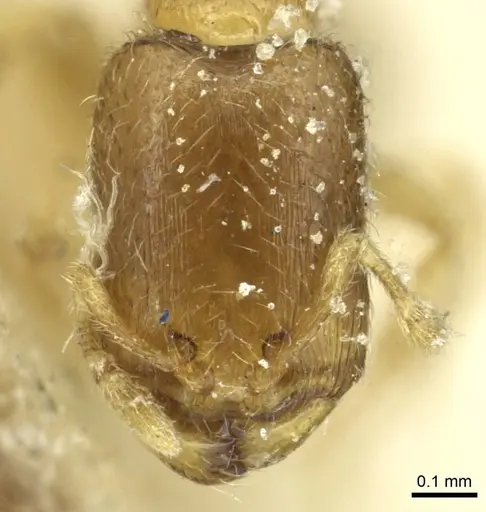
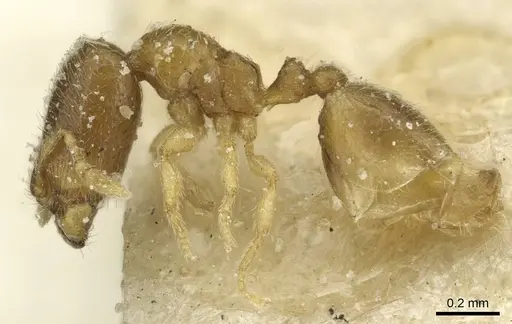
Carebara jeanneli is one of the smallest ants you can keep. Minor workers are just 0.9mm long, while major workers reach up to 1.7mm [2][3]. They are yellow with a smooth, shiny body and a brownish head on larger workers [2]. Their most distinctive feature is their very small, atrophied eyes positioned near the front of the head, this suggests they rely more on chemical and tactile cues than vision [3]. They have 4-toothed mandibles, a shallow metanotal groove, and a postpetiole that is noticeably wider than the petiole [3]. The combination of tiny size, yellow coloration, and reduced eyes makes them relatively distinctive among Carebara species.
Natural Habitat and Distribution
This species is native to East Africa, specifically found in Kenya and Eritrea [1]. The type specimens were collected from cave entrances in Shimoni, Kenya, station 9 at the entrance of cave A, collected in November 1911 [2]. This cave entrance habitat is significant because it suggests they prefer humid, shaded, and thermally stable conditions away from direct sunlight and temperature extremes. The cave environment provides consistent moisture and protection from drying winds. In captivity, replicating these stable, humid conditions will be important for success.
Housing and Nesting
Because of their tiny size and cave-dwelling origins, these ants need careful housing. A Y-tong or plaster nest works well, both hold humidity consistently. The chambers should be small and tight-fitting to their tiny body size. Keep the nest substrate consistently moist but never waterlogged, standing water in test tube reservoirs can drown small colonies. Because they can squeeze through very small gaps, escape prevention must be excellent. Use fine mesh on all openings and check regularly. A small outworld area is sufficient since colonies likely remain small.
Feeding and Diet
Carebara species are typically omnivorous, feeding on small insects, honeydew, and various protein sources. For this tiny species, offer appropriately sized prey, fruit flies, pinhead crickets, or other small insects. Due to their small size, prey items should be no larger than they can handle. Sugar sources like honey water may be accepted, but the primary focus should be on protein. Feed small amounts of protein a few times per week, removing any uneaten prey after 24 hours to prevent mold.
Temperature and Humidity
Based on their East African origin and cave entrance habitat, aim for temperatures in the 24-28°C range. A gentle heat gradient allows workers to choose their preferred temperature. Humidity should be high, the nest substrate should feel consistently moist. The cave entrance origin suggests they are sensitive to drying out. Avoid placing the nest near air conditioning vents or in drafty areas.
Colony Development and Growth
Colony development data for Carebara jeanneli is not available. Based on typical Carebara patterns and their small worker size, expect relatively fast development compared to larger ant species. The first workers will likely be smaller than normal workers. Colonies probably remain relatively small based on related species. Patience is essential as small colonies grow slowly and stress easily. Avoid disturbing the nest frequently, especially during founding and early colony stages.
Frequently Asked Questions
How long does it take for Carebara jeanneli to produce first workers?
The exact development timeline is unconfirmed for this species. Based on typical Carebara patterns and their small size, expect several weeks from egg to worker at optimal temperatures, but this is an estimate.
What do Carebara jeanneli ants eat?
They likely accept small insects like fruit flies, pinhead crickets, and other tiny prey. Sugar sources like honey water may also be accepted. Offer protein a few times weekly and remove uneaten prey after 24 hours.
How big do Carebara jeanneli colonies get?
Colony size is unknown for this species. Based on related Carebara species, colonies likely remain small.
Do Carebara jeanneli ants sting?
Given their tiny size, any sting would be negligible even if present. They are likely docile and non-aggressive based on related Carebara species.
What temperature do Carebara jeanneli ants need?
Aim for 24-28°C based on their East African cave entrance origin.
Are Carebara jeanneli good for beginners?
No, this species is not recommended for beginners. Limited natural history data exists, making proper care challenging. Their tiny size also requires excellent escape prevention and careful humidity control.
Do Carebara jeanneli need hibernation?
Diapause requirements are unknown. East African species may have reduced activity periods rather than true hibernation.
Why are my Carebara jeanneli dying?
Common causes include: too dry conditions, escape through tiny gaps, stress from disturbance, and poor nutrition. Ensure high humidity, excellent escape prevention, and appropriate-sized prey.
Can I keep multiple queens together?
Colony structure is unconfirmed for this species. Most Carebara are single-queen, but combining unrelated queens has not been documented. Do not attempt without specific research.
When should I move Carebara jeanneli to a formicarium?
Keep them in a test tube setup for as long as possible. Move to a small formicarium or Y-tong nest only when the colony reaches at least 20-30 workers and the test tube becomes crowded.
Report an Issue
The current care sheet is based fully on literature. See inconsistencies, or something that's incorrect? Please , it will be resolved after review from an admin. Contributing to the blogs tab also helps providing information, to make us be able to further improve the caresheets. Thank you for your support!
References

Cette fiche d'élevage est sous licence CC BY-SA 4.0 .
Blogs de la communauté
CASENT0913507
Voir sur AntWeb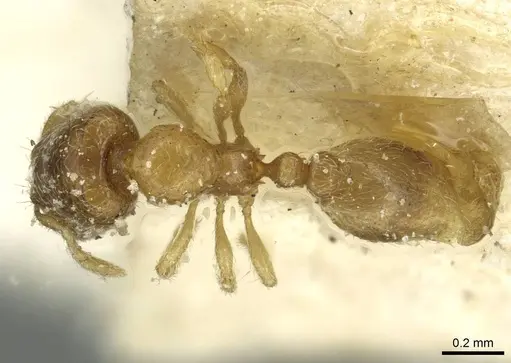
CASENT0913508
Voir sur AntWeb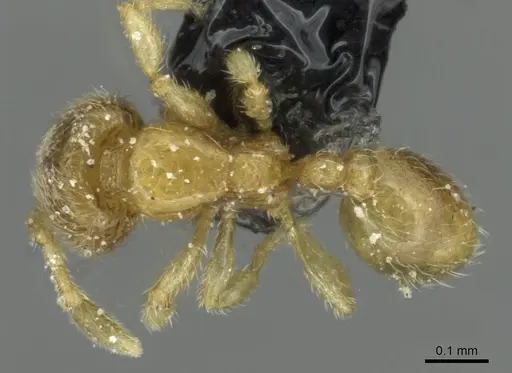
Littérature
Chargement de la carte de répartition...Chargement des produits...