
Carebara alluaudi
- Nom sci.
- Carebara alluaudi
- Tribu
- Crematogastrini
- Sous-famille
- Myrmicinae
- Auteur
- Santschi, 1913
- Distribution
- Trouvé dans 0 pays
Introduction
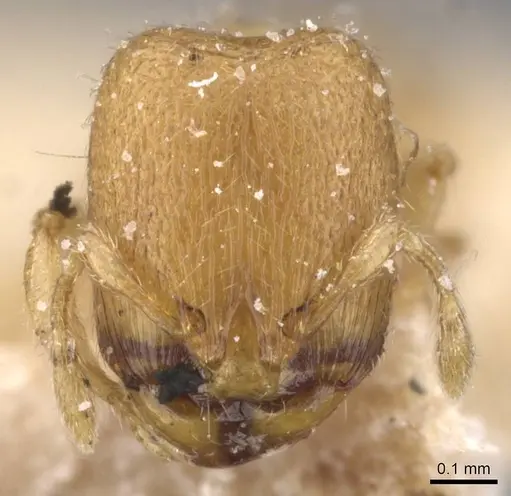
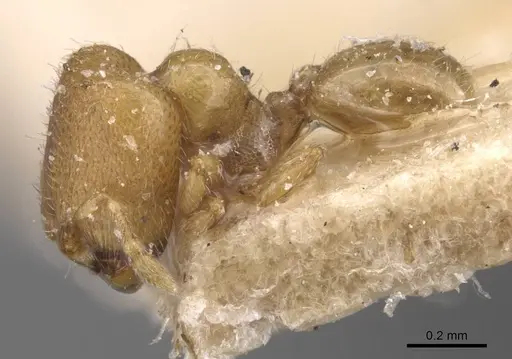
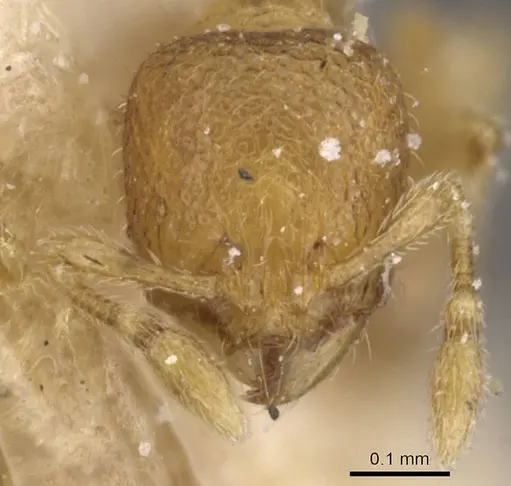
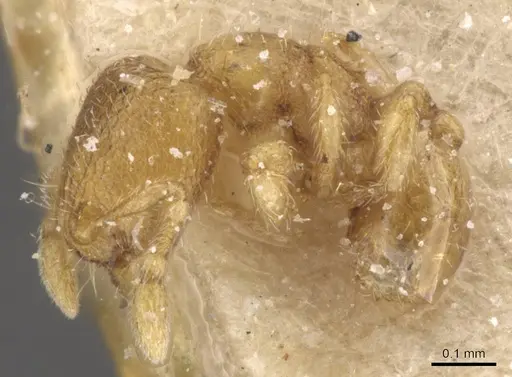
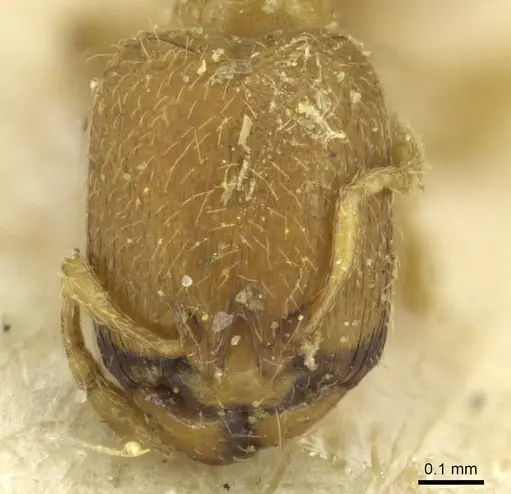
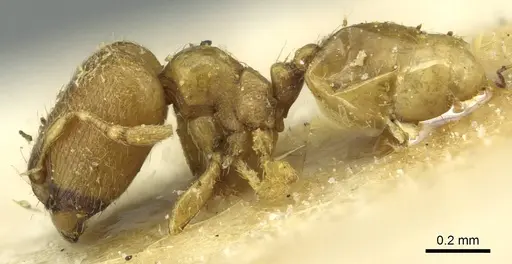
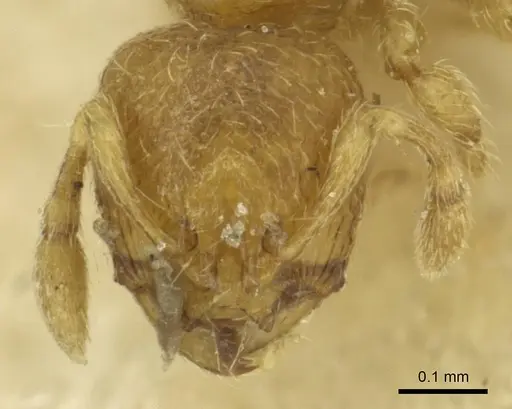
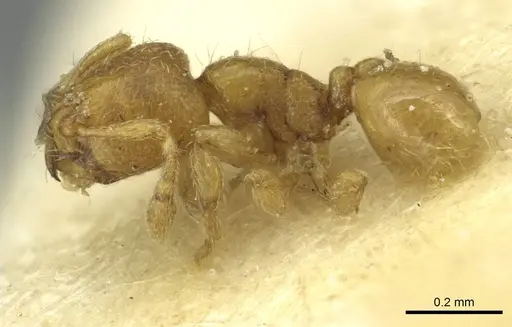
Carebara alluaudi is a tiny ant species native to East Africa, specifically Kenya. Workers measure just 1.5-1.6mm, making them among the smallest ants in the hobby. They have a dull yellow body with a brownish head featuring a distinctive black anterior border. This species was originally described as Oligomyrmex alluaudi before being reclassified to Carebara. In the wild, they have been found at elevations around 2100m in the Kikuyu escarpment region.
Quick Summary
- Difficulty: Medium
- Origin & Habitat: East Africa, specifically Kenya highlands (Shimoni, Kijabé Kikuyu escarpment at 2100m elevation). [1]
- Colony Type: Colony structure is unconfirmed.
- Size & Growth:
- Antkeeping:
- Temperature: Keep at 20-24°C. The highland origin suggests they prefer cooler conditions than typical tropical ants. Avoid overheating.
- Humidity: Moderate humidity around 50-60%. Provide a moist nest substrate but allow some drying between waterings.
- Diapause: Diapause requirements unconfirmed, likely minimal given equatorial origin
- Nesting: Use small-scale nests with tight chambers scaled to their tiny size. Y-tong (AAC) nests or small acrylic nests work well. Provide connections to an outworld with fine mesh barriers, their tiny size means excellent escape prevention is essential.
- Behavior: These ants are very small and generally non-aggressive. Workers are likely omnivorous, feeding on small insects, honeydew, and scavenged organic matter. Due to their minute size, they pose no sting threat to humans. The primary husbandry challenge is their tiny size, they can escape through standard mesh and require fine barriers.
- Common Issues: escape prevention is critical, they squeeze through the tiniest gaps and require fine mesh barriers, slow growth and tiny size means colonies can fail if stressed or overhandled, limited natural history data means care is partly experimental, wild-caught colonies may have parasites that affect survival in captivity, their small size makes them vulnerable to drowning in water reservoirs, use small test tube setups
Housing and Nest Setup
Because of their extremely small worker size (1.5-1.6mm), Carebara alluaudi requires specialized housing with excellent escape prevention. Standard formicarium mesh will not contain them, you must use fine mesh barriers or oil-based escape barriers like Fluon. Y-tong (AAC) nests with narrow chambers work well, or small acrylic nests designed for tiny species. The nest should have small, tight chambers scaled to their miniature size. Connect to an outworld via tubing that doesn't have large gaps. Test tube setups can work but use small-diameter tubes and ensure the cotton plug is packed tightly. A small outworld is sufficient since these ants remain quite small as a colony. [1]
Feeding and Diet
Carebara alluaudi workers are tiny omnivores. Based on typical Carebara feeding behavior, they likely accept small live prey such as springtails, fruit flies, and other micro-arthropods. They will also scavenge and likely accept sugar sources like diluted honey or sugar water, though the small workers may have difficulty accessing larger food items. Offer food in very small portions appropriate to their size. Protein should be offered regularly, with sugar water available at all times. Remove uneaten food promptly to prevent mold in the small enclosure.
Temperature and Humidity
This species originates from highland East Africa at approximately 2100m elevation, suggesting they prefer cooler conditions than typical tropical ants. Maintain temperatures between 20-24°C, avoiding higher temperatures that could stress the colony. Room temperature within this range is often suitable. For humidity, aim for moderate levels around 50-60%. The nest substrate should be kept slightly moist but not waterlogged. Allow the substrate to dry partially between waterings rather than keeping it constantly wet. Good ventilation helps prevent mold while maintaining appropriate moisture levels. [1]
Colony Development and Growth
Direct development data for Carebara alluaudi is not available. Based on typical patterns for small Myrmicinae ants and related Carebara species, expect approximately 6-8 weeks from egg to first worker (nanitic) at optimal temperature. The first workers will be very small nanitics, typical of the genus. Colony growth is likely moderate, with colonies potentially reaching several hundred workers over time. The small colony size means growth may appear slow compared to larger ant species, but this is normal for the genus. Be patient and avoid disturbing the colony during founding and early development.
Handling and Temperament
These tiny ants are not aggressive and pose no stinging threat to keepers. Their small size makes them delicate and easily crushed, so handle them with care if colony transfers are necessary. They are best observed through the nest rather than handled directly. Workers are likely nocturnal or crepuscular, so they may be most active during evening and night hours. The main behavioral concern is their excellent climbing ability and tiny size, they will explore any gap energetically, making escape prevention the critical aspect of husbandry.
Frequently Asked Questions
How long does it take for Carebara alluaudi to produce first workers?
Direct data is unavailable. Based on related Carebara species, expect approximately 6-8 weeks from egg to first worker at optimal temperature (20-24°C). The first workers will be tiny nanitics.
What do Carebara alluaudi ants eat?
They are omnivorous micro-predators. Offer small live prey like springtails and fruit flies, along with sugar water or diluted honey. Food items must be appropriately sized for their tiny workers.
Are Carebara alluaudi good for beginners?
They are challenging due to their tiny size and escape risk. The primary difficulty is maintaining proper escape prevention with barriers that contain such small ants. Experienced antkeepers comfortable with micro-ant husbandry will have better success.
Do Carebara alluaudi ants sting?
No. At 1.5-1.6mm, their size makes them completely harmless to humans. They pose no sting or bite threat.
What temperature do Carebara alluaudi need?
Keep them at 20-24°C. Their highland East African origin suggests they prefer cooler conditions than typical tropical ants. Avoid temperatures above 26°C.
How big do Carebara alluaudi colonies get?
Colony size data is unavailable for this species.
Can I keep multiple queens together?
Colony structure is unconfirmed for this species. Based on typical Carebara patterns, single-queen colonies are most likely. Combining unrelated queens is not recommended without specific documentation.
Why are my Carebara alluaudi escaping?
Their tiny 1.5mm size means they can squeeze through standard mesh and small gaps. You must use fine mesh barriers, oil-based escape prevention like Fluon, and ensure all connections are sealed. This is the most common husbandry challenge with this species.
Do Carebara alluaudi need hibernation?
Likely no true hibernation given their equatorial origin. However, they may show reduced activity during cooler months. Observe your colony and adjust temperature accordingly, they likely prefer consistent warmth year-round.
When should I move Carebara alluaudi to a formicarium?
Keep them in a test tube or small setup through the founding stage. Once the colony reaches 20-30 workers and the test tube becomes crowded, you can carefully transfer to a small formicarium with appropriate chamber sizes.
Report an Issue
The current care sheet is based fully on literature. See inconsistencies, or something that's incorrect? Please , it will be resolved after review from an admin. Contributing to the blogs tab also helps providing information, to make us be able to further improve the caresheets. Thank you for your support!
References

Cette fiche d'élevage est sous licence CC BY-SA 4.0 .
Blogs de la communauté
CASENT0904667
Voir sur AntWeb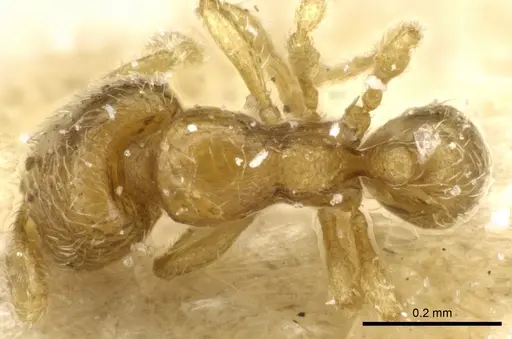
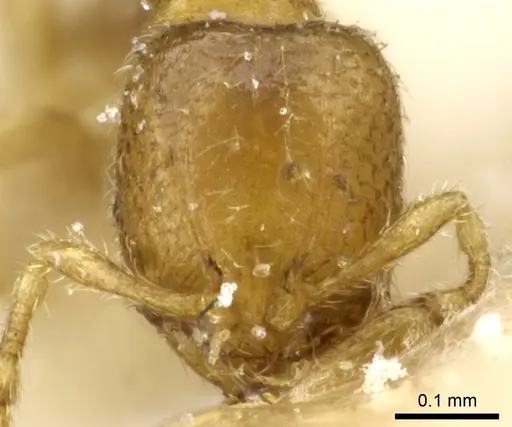
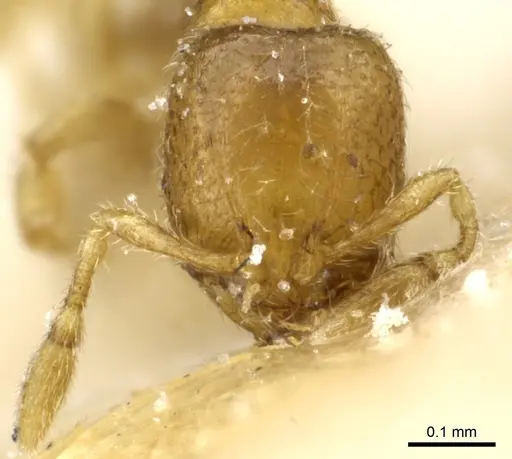
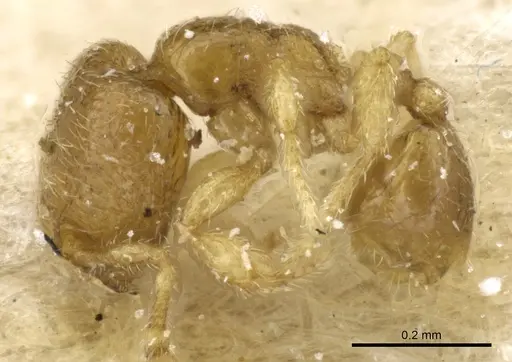
CASENT0913490
Voir sur AntWeb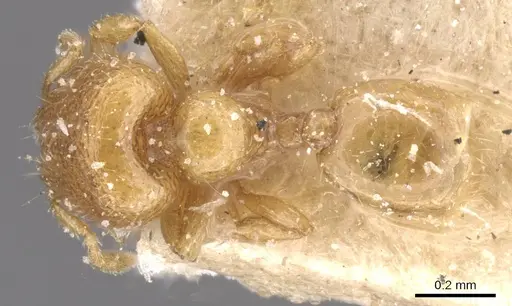
CASENT0913491
Voir sur AntWeb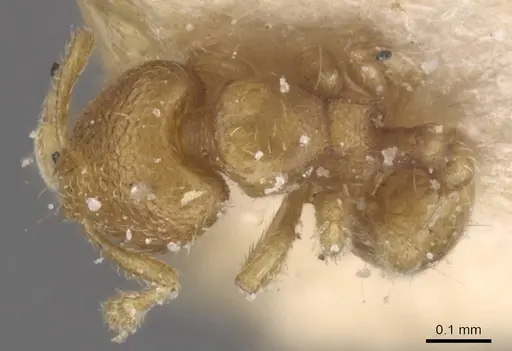
CASENT0913492
Voir sur AntWeb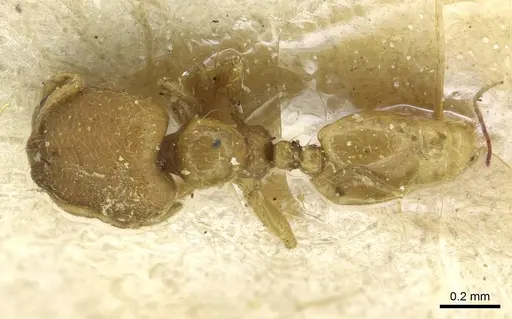
CASENT0913493
Voir sur AntWeb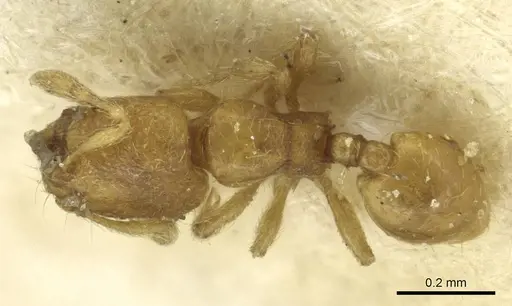
Littérature
Chargement de la carte de répartition...Chargement des produits...