
Cardiocondyla rolandi
- Nom sci.
- Cardiocondyla rolandi
- Tribu
- Crematogastrini
- Sous-famille
- Myrmicinae
- Auteur
- Seifert, 2023
- Distribution
- Trouvé dans 0 pays
Introduction
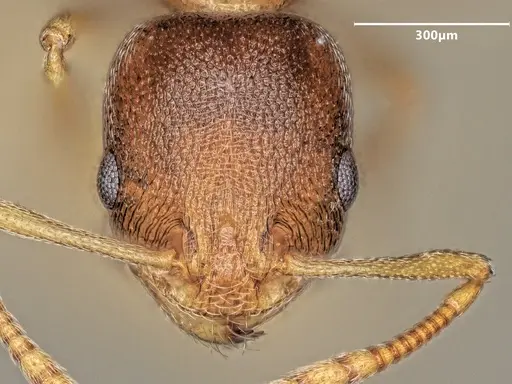
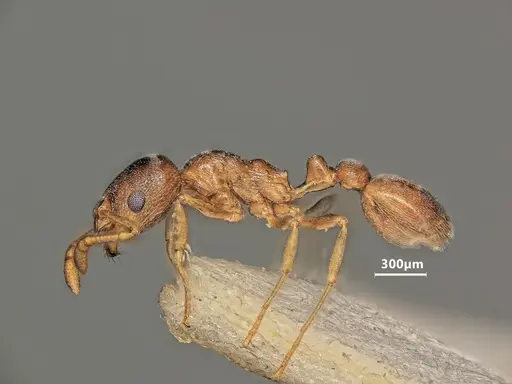
Cardiocondyla rolandi is a tiny ant species belonging to the stambuloffii species group, recently described in 2023. Workers are very small, making them among the smallest ants you can keep. They have a light to medium brown coloration with a yellowish tinge, and their most distinctive features include very short, blunt propodeal spines and a relatively wide postpetiole. These ants inhabit moister pockets within semideserts, dry steppe areas, desert oases, and open riverbanks in Southeast Kazakhstan, southern Mongolia, and northern Xinjiang China. Males are ergatoid, meaning they are wingless and appear worker-like, which is unusual among ants and explains why they don't fight each other - a stark contrast to many other Cardiocondyla species where males engage in deadly combat.
Quick Summary
- Difficulty: Medium
- Origin & Habitat: Southeast Kazakhstan, southern Mongolia, and northern Xinjiang China. They live in moister spots within semideserts and dry steppe, as well as desert oases and open riverbanks at altitudes between 358-1060m [1][2].
- Colony Type: Colony structure is not fully confirmed. Males are ergatoid (wingless), and multiple adult males (1-4) have been found in nests without signs of fighting, suggesting a relatively peaceful colony structure compared to other Cardiocondyla species [1].
- Size & Growth:
- Queen: size data unavailable, queens have been collected but exact measurements not specified in available literature [1]
- Worker: ~1.5-2mm, inferred from Cardiocondyla genus [1][2]
- Colony: At least 180 workers in the largest collected sample, though this is not the upper limit [3]
- Growth: Unknown, no development data available for this recently described species
- Development: Unknown, no direct studies on development timeline exist for this species. (Development time is unconfirmed. Related Cardiocondyla species typically take 2-4 months from egg to worker under warm conditions.)
- Antkeeping:
- Temperature: Keep at room temperature. Based on their native range in temperate Central Asia, they likely prefer moderate warmth during the active season with cooler conditions in winter [1].
- Humidity: Provide moderate humidity with a moisture gradient. Their natural habitat includes moister micro-patches within otherwise dry areas, so offer a damp area in the nest alongside slightly drier zones for choice [1].
- Diapause: Likely yes, based on their origin in temperate Central Asia with cold winters, expect a winter rest period for several months [1].
- Nesting: Use small, tight-fitting nests. Their tiny size means standard test tube setups work well, but ensure chambers are appropriately scaled. They likely prefer nesting in confined spaces with access to moisture. Y-tong (AAC) nests or small test tube setups work best [1].
- Behavior: These ants are peaceful and not aggressive. Unlike many other Cardiocondyla species with winged fighting males, C. rolandi has ergatoid (wingless) males that coexist without violence, multiple males have been found together in nests without injury [1]. Workers are tiny, so escape prevention is critical. They are likely slow-moving and secretive, preferring to stay within their nest chambers. Foraging style is probably similar to other Cardiocondyla species, they likely scavenge and collect honeydew rather than actively hunting large prey.
- Common Issues: escape prevention is critical due to their extremely small size, they can squeeze through standard barrier gaps, colony growth may be slow since they start with very small worker sizes, humidity balance is tricky, they need moisture but come from relatively dry habitats, winter diapause is likely required but exact timing and temperature needs are unconfirmed, no established feeding guidelines exist, start with sugar water and small protein sources
Housing and Nest Setup
Because of their extremely small size, Cardiocondyla rolandi requires careful housing. Standard test tubes work well, but ensure the cotton is packed tightly and consider using fluon barriers since they can squeeze through tiny gaps. The nest chambers should be relatively small and confined, these ants don't need large spaces. A Y-tong (AAC) nest with narrow chambers is an excellent choice. Provide a water tube for humidity and place the nest in an area with moderate, stable temperatures. Since they come from moister microhabitats within dry areas, create a humidity gradient by keeping one side of the outworld damp while leaving the nest itself relatively dry. This gives the ants choice. The outworld should be simple, a small foraging area with minimal decorations is sufficient for such tiny ants. [1][2]
Feeding and Diet
Feeding guidelines for this newly described species are not established, so you'll need to experiment carefully. Start with sugar water or honey diluted with water, offer it on a small piece of cotton or directly in the foraging area. For protein, offer very small items like tiny fruit fly pieces, pinhead crickets, or other appropriately sized prey. Given their tiny size, standard ant foods may be too large. Some antkeepers report success with honeydew substitutes or diluted honey. Feed small amounts initially and remove any uneaten food after 24 hours to prevent mold. Since their natural habitat includes oases and riverbanks, they likely have access to nectar and small insects in the wild. Monitor your colony closely to see what they accept. [1]
Temperature and Seasonal Care
Cardiocondyla rolandi comes from temperate Central Asia with distinct seasons. During the active season (spring through fall), keep them at room temperature. They should be fine at standard room temperature in most homes. In winter, expect them to require a cooler period, based on their native range in Kazakhstan, Mongolia, and Xinjiang, a winter rest for 2-3 months is likely beneficial. This simulates the cold season they would experience in the wild. Reduce feeding during this period and keep them in a cool location like an unheated garage or basement. The alate gynes (unmated queens) were observed in nests from late August to early September, suggesting nuptial flights occur in late summer [1]. If you have reproducing colonies, expect new queens and males to emerge around this time.
Understanding Their Unique Biology
One of the most interesting aspects of Cardiocondyla rolandi is its ergatoid males. In most ant species, males have wings and disperse to mate with queens during nuptial flights. In C. rolandi, males are wingless and worker-like, which is rare among ants. Even more interesting, these males don't fight each other, multiple males have been found together in nests without any injuries [1]. This is dramatically different from other Cardiocondyla species like C. koshewnikovi and C. stambuloffii where males often engage in lethal combat. The absence of fighting suggests a more cooperative or less competitive social structure. This species was only described in 2023, so there's still much to learn about their behavior in captivity. As a keeper, you're working with a species that has barely been studied, this makes them both challenging and exciting to keep.
Frequently Asked Questions
How long does it take for Cardiocondyla rolandi to produce first workers?
The exact development timeline is unknown for this recently described species. Based on related Cardiocondyla species, expect 2-4 months from egg to worker under warm conditions. Patience is key since they start with very small colony sizes.
Can I keep multiple Cardiocondyla rolandi queens together?
Colony structure (monogyne vs polygyne) has not been documented for this species. Multiple ergatoid males have been found peacefully coexisting in nests, but we don't know if multiple queens can found colonies together. For safety, start with a single queen until more information is available.
Do Cardiocondyla rolandi ants sting?
Given their extremely small size, any sting would be negligible even if present. They are not considered dangerous or aggressive. Their main defense is staying hidden within their nest.
What size enclosure do Cardiocondyla rolandi need?
Keep the enclosure appropriately sized for such tiny ants. A small formicarium with tight chambers or a standard test tube setup works well. The foraging area should be small to prevent the ants from wandering too far. Excellent escape prevention is essential, use fluon and ensure all gaps are sealed.
Are Cardiocondyla rolandi good for beginners?
This species is best suited for intermediate to advanced antkeepers. They were only described in 2023, so established care guidelines don't exist. Their tiny size also makes them challenging to house and feed properly. If you're experienced with small ant species and enjoy experimenting, this is an exciting species to try.
Do Cardiocondyla rolandi need hibernation?
Based on their origin in temperate Central Asia with cold winters, a winter rest period is likely beneficial. Provide several months at cool temperatures during winter. This mimics their natural seasonal cycle and may help trigger reproduction in the following season.
Why are the males wingless in Cardiocondyla rolandi?
This species has ergatoid males, males that are born without wings and look more like workers. This is a characteristic of the stambuloffii species group. Unlike winged males in other ant species that fly to find queens, ergatoid males mate within or near the nest. The peaceful coexistence of multiple males in nests suggests they don't compete aggressively like some related species.
How big do Cardiocondyla rolandi colonies get?
The largest collected sample had 180 workers, but researchers noted this was not the upper limit of colony size [1]. Expect colonies to potentially reach several hundred workers over time, though exact maximums are unknown. Growth will likely be slow due to their tiny starting size.
Report an Issue
The current care sheet is based fully on literature. See inconsistencies, or something that's incorrect? Please , it will be resolved after review from an admin. Contributing to the blogs tab also helps providing information, to make us be able to further improve the caresheets. Thank you for your support!
References

Cette fiche d'élevage est sous licence CC BY-SA 4.0 .
Blogs de la communauté
ANTWEB1048533
Voir sur AntWeb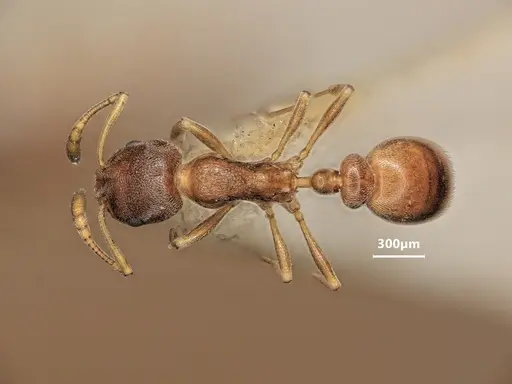
Littérature
Chargement de la carte de répartition...Chargement des produits...