
Cardiocondyla latifrons
- Nom sci.
- Cardiocondyla latifrons
- Tribu
- Crematogastrini
- Sous-famille
- Myrmicinae
- Auteur
- Seifert, 2023
- Distribution
- Trouvé dans 0 pays
Introduction
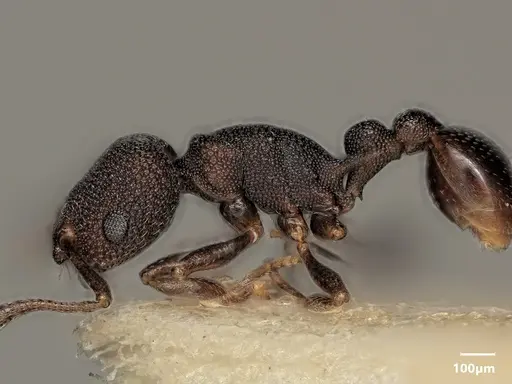
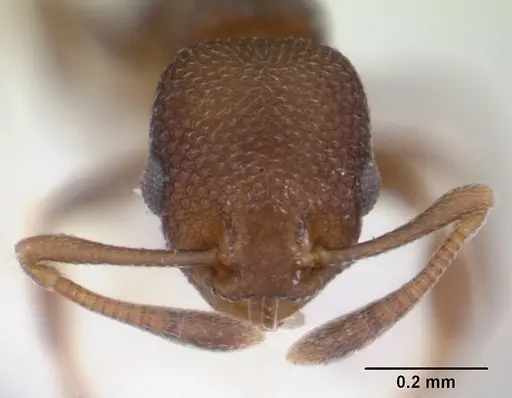
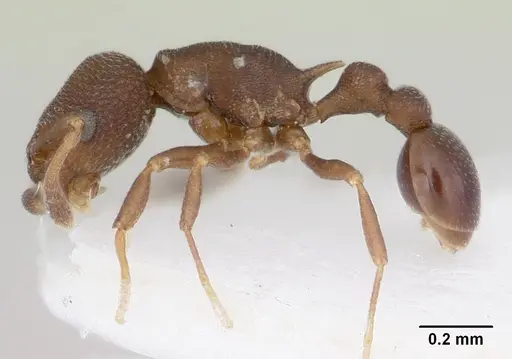
Cardiocondyla latifrons is a tiny ant species from Southeast Asia, measuring approximately 2-3mm in total length - making it one of the smaller ants you can keep. Workers are a uniform dirty to blackish brown color with notably long spines and a high petiole. This species belongs to the Cardiocondyla argentea group and is found across the Indomalaya region including Malaysia, Indonesia, the Philippines, Singapore, and Thailand . What makes C. latifrons unusual is its brutal queen succession system. Unlike most ants where new queens peacefully leave to start their own colonies, virgin queens here fight violently for inheritance of the natal nest - and about 50% get killed in the process by queen aggression and worker attacks . This is one of the few ant species where sibling rivalry can be fatal for the queens themselves.
Quick Summary
- Difficulty: Medium
- Origin & Habitat: Southeast Asia, found in disturbed areas, forest edges (ecotones), and both primary and secondary forests across Malaysia, Indonesia, the Philippines, Singapore, and Thailand from sea level to 1000m elevation [1][2].
- Colony Type: Polygynous, colonies typically have multiple queens (average 3, up to 27 observed) with intranidal mating. Small colonies with usually just 20-40 workers [1][2].
- Size & Growth:
- Queen: ~2.5-3mm, inferred from Cardiocondyla genus patterns
- Worker: ~2-3mm, inferred from Cardiocondyla genus patterns (head width 0.41mm) [1]
- Colony: Up to 40 workers in natural colonies [2]
- Growth: Slow, small colony size and long development expected
- Development: Estimated 6-10 weeks based on genus patterns for small Myrmicinae at optimal temperature (Development time not directly studied, estimate based on related Cardiocondyla species)
- Antkeeping:
- Temperature: Keep at 24-28°C. This is a tropical species from Southeast Asia that prefers warm conditions. A gentle heat gradient allows workers to regulate their temperature [1].
- Humidity: Moderate to high, they naturally nest in rock crevices and under stones in forest environments. Keep substrate moist but not waterlogged, with some drier areas available.
- Diapause: No, being a tropical species from Southeast Asia, they do not require hibernation. Keep warm year-round.
- Nesting: Small chambers work best for this tiny species. They naturally nest in rock crevices, under stones, and under bark, a Y-tong or acrylic nest with appropriately scaled chambers works well. Avoid large, open spaces.
- Behavior: These ants are peaceful and not aggressive. Workers are tiny and rarely sting, they pose no danger to keepers. They are active foragers but due to their minute size, escape prevention must be excellent. The most notable behavior is queen competition, virgin queens fight violently for nest inheritance, with about 50% being killed in these conflicts [2].
- Common Issues: escape prevention is critical, at 2-3mm, workers can squeeze through the tiniest gaps, use fine mesh and tight-fitting lids, small colony size means slow growth, do not overfeed or the colony may become overwhelmed, queen aggression during colony foundation, if keeping multiple foundress queens, expect some to be killed, test tube setups must have properly sized water reservoirs, these tiny ants can drown in large water pools, wild-caught colonies may have parasites that affect survival in captivity
Housing and Nest Setup
Cardiocondyla latifrons is an extremely small ant, with workers measuring approximately 2-3mm in total length. This tiny size requires special consideration when setting up their housing. Use nests with small, tight chambers, standard formicarium chambers may be far too large for these ants to feel secure. Y-tong nests or acrylic nests with appropriately scaled narrow passages work well.
In the wild, these ants nest in rock crevices, under stones, or beneath the bark of fallen trees [1]. Replicate these conditions by providing a naturalistic setup with flat stones or a compact acrylic nest. The nest should have a small water chamber for humidity but not so large that tiny workers could drown.
Escape prevention is critical. These ants can squeeze through gaps that would hold back larger species. Use fine mesh on any ventilation holes, ensure all lids fit tightly, and consider applying a barrier like fluon around the edges of the outworld.
Feeding and Diet
Like other Cardiocondyla species, C. latifrons is likely omnivorous, feeding on small insects, honeydew, and nectar. However, their tiny size means prey items must be appropriately scaled. Offer small live prey such as springtails, fruit flies, or tiny mealworm pieces. Sugar water or honey water can be offered occasionally, but acceptance may vary.
Feed sparingly, small colonies can become overwhelmed by large food items. Remove any uneaten prey after 24-48 hours to prevent mold. A small drop of honey water or sugar water can be offered on a tiny piece of cotton or directly on the nest surface.
Temperature and Seasonal Care
As a tropical species from Southeast Asia, Cardiocondyla latifrons prefers warm conditions. Keep the nest at 24-28°C year-round. Unlike temperate species, they do not require hibernation or a diapause period. Maintaining consistent warmth is important for brood development.
A heating cable or heating mat on one side of the nest can create a gentle temperature gradient, allowing workers to regulate their body temperature by moving between warmer and cooler areas. Avoid temperatures below 20°C or above 32°C. [1]
Colony Structure and Queen Behavior
This is one of the most unusual aspects of C. latifrons. Colonies are polygynous, typically containing multiple queens (average 3, with up to 27 documented) [1]. Unlike most ant species where queens peacefully disperse to found new colonies, virgin queens here fight violently for inheritance of the natal nest.
Research shows that in small colonies without a mature queen, virgin queens engage in fierce competition including antennal boxing, biting, and threatening displays. About 50% of young queens are killed during these conflicts through queen aggression and subsequent worker attacks [2]. This represents a rare case of direct siblicide among ant queens.
For keepers, this means that if you establish a multi-queen colony, some queens may be killed during the establishment phase. This is normal behavior for the species and not a sign of poor care.
Understanding Their Unique Biology
Cardiocondyla latifrons has several biological quirks that make it fascinating to observe. Males are ergatoid, meaning they are wingless and look more like workers than typical ant males. These males have distinctive sickle-shaped mandibles which they use in fights to monopolize mating opportunities [1].
Mating occurs intranidally, inside the nest, rather than during nuptial flights. The first male to emerge from the brood typically kills all younger rivals and monopolizes matings for several months [2]. This creates intense competition even among the males.
Colonies are small, typically containing just 20-40 workers [2]. This is much smaller than many common pet ant species and should set expectations for keeper, do not expect massive colonies. The small colony size combined with the queen competition dynamics means growth is inherently slow.
Frequently Asked Questions
How long does it take for Cardiocondyla latifrons to produce first workers?
Exact development time is not documented, but based on related Cardiocondyla species, expect 6-10 weeks from egg to worker at optimal temperature (24-28°C). Growth is slow due to their naturally small colony size.
Can I keep multiple queens together in one colony?
Yes, this species is naturally polygynous and colonies typically have multiple queens (average 3, up to 27 observed). However, expect some queen mortality as virgin queens fight violently for nest inheritance, with about 50% being killed during these conflicts.
Do Cardiocondyla latifrons ants sting?
No, these ants are tiny and not capable of stinging humans. They are completely harmless to keepers and pose no danger.
Are Cardiocondyla latifrons good for beginners?
Medium difficulty, while not aggressive, their tiny size makes escape prevention challenging. They also have unusual queen competition behaviors that may concern keepers unfamiliar with the species. Small colony sizes and slow growth require patience.
What do Cardiocondyla latifrons eat?
They likely accept small insects (springtails, fruit flies), honeydew, and sugar sources. Feed small live prey items appropriately sized for their tiny workers. Remove uneaten food promptly to prevent mold.
Do they need hibernation?
No, as a tropical Southeast Asian species, they do not require hibernation. Keep them warm year-round at 24-28°C.
How big do colonies get?
Colonies remain small, up to 40 workers in natural colonies. This is one of the smaller Cardiocondyla species in terms of colony size.
Why are some queens dying in my colony?
This is normal behavior for the species. Virgin queens fight violently for nest inheritance, and about 50% are killed during these conflicts through queen aggression and worker attacks. This is not a care issue, it is their natural reproductive strategy.
What is the best nest type for Cardiocondyla latifrons?
Use nests with small, tight chambers scaled to their tiny size. Y-tong nests or acrylic nests with narrow passages work well. Avoid large, open spaces that would make them feel insecure.
How do I prevent escapes?
Escape prevention is critical due to their minute size. Use fine mesh on all ventilation, ensure lids fit tightly, and consider applying a barrier like fluon. These ants can squeeze through gaps that would hold back larger species.
Report an Issue
The current care sheet is based fully on literature. See inconsistencies, or something that's incorrect? Please , it will be resolved after review from an admin. Contributing to the blogs tab also helps providing information, to make us be able to further improve the caresheets. Thank you for your support!
References

Cette fiche d'élevage est sous licence CC BY-SA 4.0 .
Blogs de la communauté
ANTWEB1048519
Voir sur AntWeb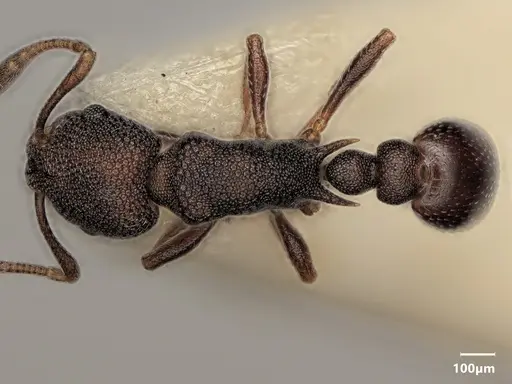

CASENT0103274
Voir sur AntWeb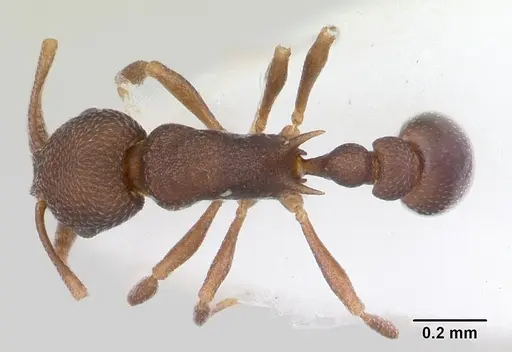
Littérature
Chargement de la carte de répartition...Chargement des produits...