
Camponotus zimmermanni
- Nom sci.
- Camponotus zimmermanni
- Sous-genre
- Myrmosericus
- Tribu
- Camponotini
- Sous-famille
- Formicinae
- Auteur
- Forel, 1894
- Distribution
- Trouvé dans 0 pays
Introduction
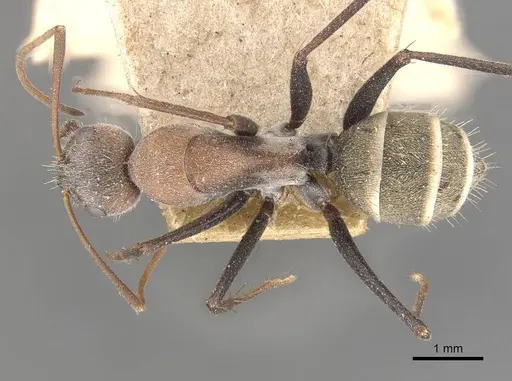
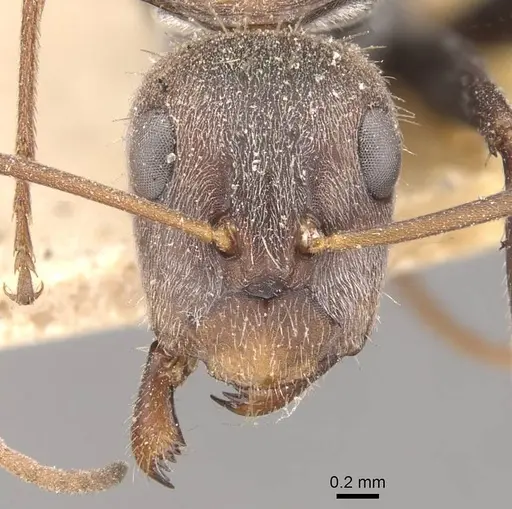
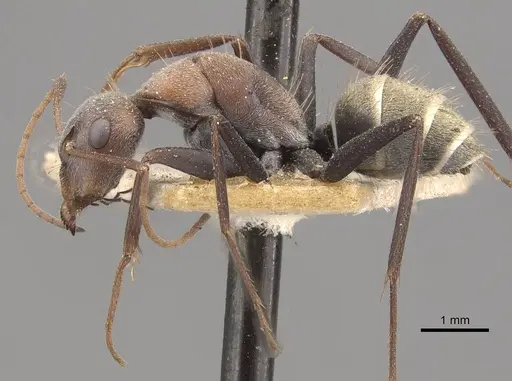
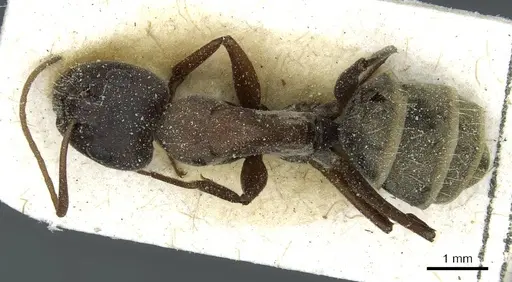
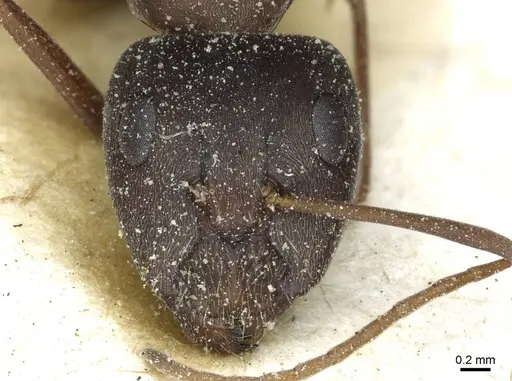
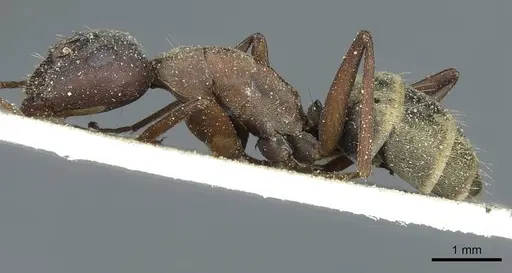
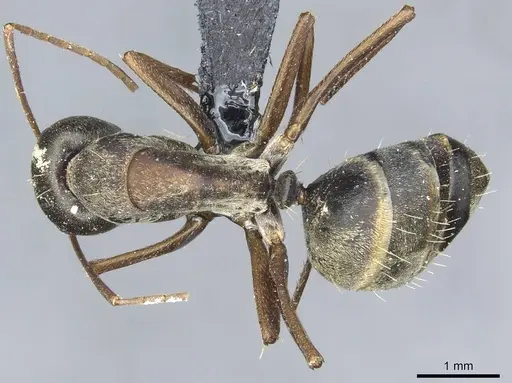
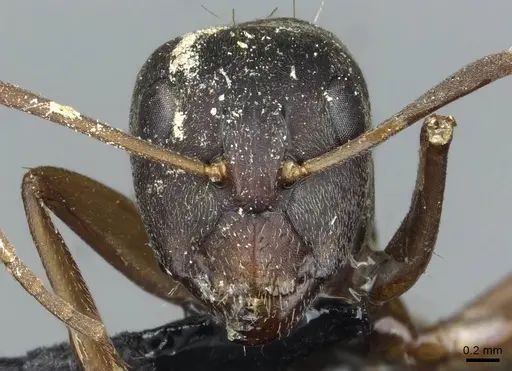
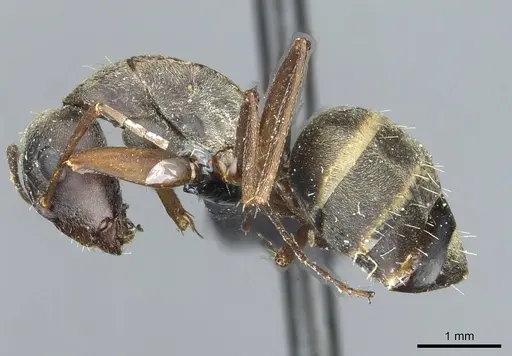
Camponotus zimmermanni is a carpenter ant species native to East Africa, found in Ethiopia, Kenya, Somalia, and Rwanda . Workers are typically dark brown to black with lighter legs, featuring the characteristic bent antenna and rounded abdomen typical of Camponotus. This species belongs to the subfamily Formicinae, tribe Camponotini. Originally described in 1894 from Ethiopia, it was later considered a subspecies of rufoglaucus before being recognized as a distinct species. This ant remains rare in the antkeeping hobby with limited scientific documentation on captive care.
Quick Summary
- Difficulty: Medium to Hard
- Origin & Habitat: East Africa, documented in Ethiopia, Kenya, Somalia, and Rwanda at elevations around 1737m in the Afrotropical zone [2].
- Colony Type: Unconfirmed, colony structure has not been documented for this species.
- Size & Growth:
- Queen: Size data unavailable, no specific measurements exist for this species
- Worker: Size data unavailable, no specific measurements exist for this species
- Colony: Unknown, no documented colony sizes for this species
- Growth: Unknown, no species-specific growth data exists
- Development: Unknown, no species-specific development data exists (Development time is unconfirmed for this species. Warmer temperatures within acceptable range may accelerate development.)
- Antkeeping:
- Temperature: Keep at 22-26°C, aim for low-to-mid 20s°C with a gentle gradient. East African origin suggests they prefer warm conditions.
- Humidity: Moderate humidity around 50-70%. Keep nest substrate slightly moist but allow some drying between waterings. Provide a water source.
- Diapause: Unconfirmed, East African highland species may benefit from a reduced activity period, but specific requirements are unknown.
- Nesting: In nature, Camponotus typically nest in rotting wood or under stones. In captivity, Y-tong (AAC) nests or plaster nests work well. Provide damp substrate they can tunnel into.
- Behavior: Typical Camponotus temperament, generally calm and not overly aggressive. Workers are moderate foragers and will search for sugar and protein sources. Escape risk is moderate, use standard barrier methods like fluon on test tube rims.
- Common Issues: very limited availability in the antkeeping hobby, may be difficult to source, scientific data is sparse, most care recommendations are genus-level inferences rather than species-specific studies, wild-caught colonies may harbor parasites that can cause colony failure in captivity, temperature requirements are not well-documented, requiring careful observation and adjustment, no documented colony sizes or development timelines for this species
Nest Preferences
In the wild, Camponotus zimmermanni likely nests in rotting wood or under stones, typical of carpenter ants in the genus. For captive care, Y-tong (acrylic aerated concrete) nests or plaster nests work well. The nest should have chambers sized appropriately for their colony size, not too large for small colonies, as ants prefer snug spaces. Keep the nest substrate consistently moist but not waterlogged. A water test tube connected to the nest provides a reliable humidity source. Avoid placing the nest in direct sunlight or near drafts.
Feeding and Diet
Like other Camponotus species, these ants are omnivorous. They will accept sugar sources (honey water, sugar water) and protein (insects like mealworms, crickets, fruit flies). Feed protein twice weekly and keep sugar water available at all times. Remove uneaten prey after 24-48 hours to prevent mold. East African ants may have specific dietary preferences that remain unstudied, so observe what your colony accepts best.
Temperature and Seasonal Care
Maintain temperatures in the low-to-mid 20s°C (22-26°C). A heating cable on one side of the nest creates a temperature gradient allowing ants to self-regulate. Place heating on top of the nest, not underneath, to avoid excessive drying. During winter, reduce temperature slightly (by 3-5°C) to simulate natural seasonal changes. This rest period supports colony health long-term. Monitor worker activity levels, if they become sluggish and cluster together, the colony may be too cold.
Behavior and Colony Dynamics
Camponotus zimmermanni displays typical carpenter ant behavior, workers are active foragers that search both near the nest and in the outworld. They are generally non-aggressive and will flee rather than attack when threatened. Workers communicate through chemical trails and can recruit nestmates to food sources. The colony will establish defined foraging patterns over time. Their moderate size makes them easy to observe without being difficult to contain.
Frequently Asked Questions
How long does it take for Camponotus zimmermanni to produce first workers?
Development time is unconfirmed for this species. Based on typical Camponotus patterns, expect several months from egg to first worker at optimal temperature (around 24°C). The first workers (nanitics) will be smaller than mature workers.
What do Camponotus zimmermanni ants eat?
They are omnivorous like most Camponotus. Offer sugar water or honey constantly, and protein (insects like mealworms, crickets, fruit flies) twice weekly. Remove uneaten food promptly to prevent mold.
Can I keep multiple Camponotus zimmermanni queens together?
Not recommended. While colony structure is not fully documented for this species, most Camponotus are single-queen. Combining unrelated queens risks fighting and colony stress. If you acquire multiple foundress queens, house them separately.
What temperature is best for Camponotus zimmermanni?
Keep them at 22-26°C, with a gentle gradient allowing the colony to choose its preferred zone. A heating cable on part of the nest can help maintain warmth. Avoid temperatures below 18°C or above 30°C.
Is Camponotus zimmermanni good for beginners?
This species is not ideal for complete beginners due to limited species-specific information available. However, experienced antkeepers familiar with other Camponotus species should find them manageable. The main challenges are sourcing the species and adjusting care based on observation rather than documented specifics.
Do Camponotus zimmermanni need hibernation?
A winter rest period may be beneficial, though specific requirements are unconfirmed. Reduce temperature by 3-5°C during winter months and reduce feeding. Monitor for signs of stress if keeping them at room temperature year-round.
When should I move Camponotus zimmermanni to a formicarium?
Wait until the colony has at least 20-30 workers before moving from a test tube setup. The colony should be actively foraging and showing signs of needing more space. Moving too early can stress the colony. A Y-tong or plaster formicarium with appropriate chamber sizes works well.
Why are my Camponotus zimmermanni dying?
Common causes include: temperature extremes (too cold or too hot), improper humidity (too dry or waterlogged), mold from uneaten food, stress from moving too early, or parasites from wild-caught colonies. Review each parameter and make gradual adjustments. If workers are dying outside the nest in small numbers, this may be normal, sick ants often leave to protect the colony.
How big do Camponotus zimmermanni colonies get?
Colony size is not documented for this species. Based on typical Camponotus patterns, colonies may reach several hundred workers at maturity. Growth is moderate, colonies expand gradually over several years.
Report an Issue
The current care sheet is based fully on literature. See inconsistencies, or something that's incorrect? Please , it will be resolved after review from an admin. Contributing to the blogs tab also helps providing information, to make us be able to further improve the caresheets. Thank you for your support!
References

Cette fiche d'élevage est sous licence CC BY-SA 4.0 .
Blogs de la communauté
Littérature
Chargement de la carte de répartition...Chargement des produits...