
Camponotus puniceps
- Nom sci.
- Camponotus puniceps
- Sous-genre
- Orthonotomyrmex
- Tribu
- Camponotini
- Sous-famille
- Formicinae
- Auteur
- Donisthorpe, 1942
- Distribution
- Trouvé dans 0 pays
Introduction
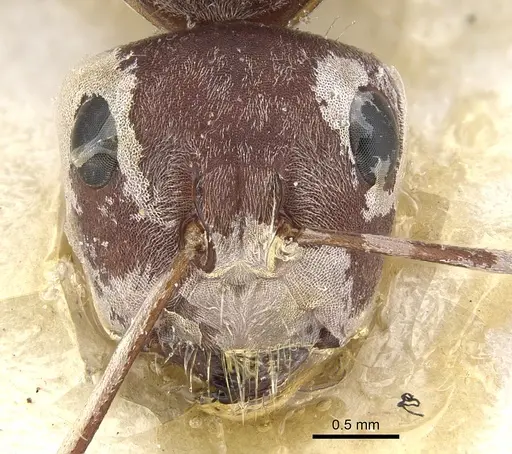
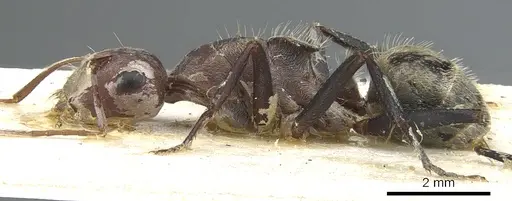
Camponotus puniceps is a medium-sized carpenter ant species endemic to India. Workers measure approximately 5-9mm and display typical Camponotus coloration with a darker head and gaster contrasting against a reddish-brown mesosoma. The species was described by Donisthorpe in 1942 from specimens collected in Tamil Nadu at approximately 350 feet elevation [AntWiki]. As a member of the Formicinae subfamily, these ants lack a stinger but can spray formic acid as a defense mechanism. They are native to the Indomalaya region, specifically the Western Ghats biodiversity hotspot in southern India where they inhabit lowland areas .
Quick Summary
- Difficulty: Easy
- Origin & Habitat: Endemic to India, specifically recorded from Kerala, Tamil Nadu, and West Bengal [3]. They inhabit lowland areas in the Western Ghats region, a tropical biodiversity hotspot known for its moist forest environments.
- Colony Type: Likely monogyne (single queen colonies) based on typical Camponotus patterns. Colonies are moderately sized.
- Size & Growth:
- Queen: Estimated 12-15mm, inferred from Camponotus genus patterns for medium-sized species
- Worker: 5-9mm (polymorphic, major and minor workers), inferred from Camponotus genus patterns
- Colony: Estimated several hundred workers, typical for medium-sized Camponotus species
- Growth: Moderate
- Development: Estimated 6-8 weeks based on typical Camponotus development at warm temperatures (Development time varies with temperature, warmer conditions accelerate development while cooler temperatures slow it significantly)
- Antkeeping:
- Temperature: Keep at 24-28°C. These are tropical ants from lowland India that prefer warm conditions. A heating cable on one side of the nest creates a temperature gradient allowing workers to self-regulate.
- Humidity: Moderate to high humidity. The Western Ghats region is humid, so keep the nest substrate slightly moist. Provide a water tube for drinking access.
- Diapause: Likely minimal or no true diapause given their tropical origin. However, a brief cool period during winter months may be beneficial if you notice reduced activity.
- Nesting: In captivity, Y-tong (AAC) nests or plaster nests work well. In nature, they typically nest in rotting wood or under stones. Provide nest chambers scaled to colony size with some narrow passages.
- Behavior: Generally calm and non-aggressive toward keepers. Workers are active foragers that primarily hunt for honeydew and small insects. They are moderate climbers but escape prevention should still be taken seriously, use Fluon on container edges. They communicate through chemical trails and will recruit nestmates to food sources.
- Common Issues: queen mortality during founding, claustral queens sometimes fail if stressed or if humidity drops too low, escape risk, workers can climb smooth surfaces, apply barrier gel or Fluon to container rims, mold in nest, high humidity can lead to mold growth, maintain ventilation and remove uneaten food promptly, slow founding phase, new keepers often mistake a healthy founding queen for dead, claustral queens remain inactive in sealed chambers for weeks, overheating, while they need warmth, direct heat sources can kill colonies, always provide a temperature gradient
Housing and Nest Setup
Camponotus puniceps adapts well to various captive nest setups. Y-tong (AAC) nests provide excellent visibility and humidity control, while plaster nests help maintain stable moisture levels. For founding colonies, a simple test tube setup with a water reservoir works well, fill the tube one-third with water, push a cotton ball to create a water chamber, then add the queen and seal with dry cotton. The queen will seal herself in the dark chamber and remain inactive while her eggs develop. Once the colony reaches 20-30 workers, consider transitioning to a formicarium with multiple chambers. Ensure the nest has some dry areas as well as moist zones so ants can self-regulate their humidity preferences. [2]
Feeding and Nutrition
Like most Camponotus species, these ants are omnivorous with a preference for sugar sources. Offer a constant supply of sugar water (1:1 ratio) or honey diluted with water. Protein is essential for brood development, provide small insects like fruit flies, small mealworms, or crickets twice weekly. In the wild, they forage for honeydew from aphids and scale insects, so they readily accept sweet liquids. Remove uneaten prey after 24-48 hours to prevent mold. Workers will recruit nestmates to good food sources through chemical signaling, so you may see groups gathering around protein items.
Temperature and Seasonal Care
As a tropical species from lowland India, Camponotus puniceps thrives at warm temperatures between 24-28°C. Room temperature (around 22-24°C) is usually adequate, but you can use a heating cable on one side of the nest to create a gentle gradient. Place the heating element on top of the nest, not underneath, to avoid evaporating moisture too quickly. During winter, if room temperature drops significantly, a brief cool period at 15-18°C for 2-3 weeks may simulate natural seasonal changes, though this is not strictly required for tropical species. Monitor colony activity, if workers become sluggish and cluster together, they may be too cold.
Behavior and Colony Dynamics
Camponotus puniceps displays typical carpenter ant behavior with moderate activity levels. Workers are polymorphic, larger major workers handle brood care while smaller minors forage and tend aphids. The colony establishes a clear division of labor with nurses staying near the brood and foragers venturing out. They communicate primarily through chemical pheromones, leaving scent trails to food sources. While not aggressive, workers may spray formic acid if the nest is disturbed. Major workers can deliver a mild bite if handled roughly, but these ants are considered safe for antkeeping. Colonies grow moderately, expect 6-12 months from founding queen to an established colony of 50+ workers.
Frequently Asked Questions
How long does it take for Camponotus puniceps to have first workers?
Expect first workers (nanitics) to emerge around 6-8 weeks after the queen lays eggs, assuming temperatures around 26-28°C. Cooler temperatures can extend this to 10-12 weeks. The claustral queen remains sealed in her chamber during this time, do not disturb her.
What do Camponotus puniceps eat?
They are omnivorous. Offer sugar water or honey constantly for energy, and provide small insects like fruit flies or mealworms twice weekly for protein. They will also eat small seeds and will tend aphids for honeydew if given the opportunity.
Are Camponotus puniceps good for beginners?
Yes, this is a good species for beginners. They are relatively hardy, tolerate a range of conditions, and are not aggressive. The main challenges are providing proper warmth and escape prevention.
How big do Camponotus puniceps colonies get?
Mature colonies typically reach several hundred workers. With good care, they can potentially grow larger over several years, but they are not among the largest Camponotus species.
Do Camponotus puniceps need hibernation?
Probably not. As a tropical species from India, they do not require a true hibernation period. However, a brief cool period during winter may be beneficial if your room temperature drops significantly.
When should I move Camponotus puniceps to a formicarium?
Move them once the colony reaches 20-30 workers and the test tube setup becomes cramped. Ensure the formicarium has appropriately sized chambers and passages, too large spaces can stress smaller colonies.
Why is my Camponotus puniceps queen not moving?
This is normal for claustral queens. After sealing herself in, she remains completely inactive while her eggs develop. She uses stored fat reserves for energy. Do not disturb the chamber, checking too often can stress her and cause abandonment.
Can I keep multiple Camponotus puniceps queens together?
This is not recommended. While some Camponotus can be polygynous, combining unrelated foundress queens typically results in fighting. It is best to keep one queen per colony.
How do I prevent Camponotus puniceps from escaping?
Apply a barrier like Fluon or barrier gel to the inner rim of their enclosure. These ants can climb smooth surfaces, so simple cotton plugs in test tubes must be packed tightly, and formicarium connections should be secure.
Report an Issue
The current care sheet is based fully on literature. See inconsistencies, or something that's incorrect? Please , it will be resolved after review from an admin. Contributing to the blogs tab also helps providing information, to make us be able to further improve the caresheets. Thank you for your support!
References

Cette fiche d'élevage est sous licence CC BY-SA 4.0 .
Blogs de la communauté
CASENT0903577
Voir sur AntWeb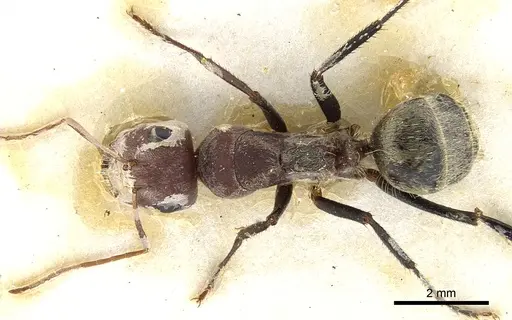
Littérature
Chargement de la carte de répartition...Chargement des produits...