
Camponotus propinquellus
- Nom sci.
- Camponotus propinquellus
- Sous-genre
- Myrmobrachys
- Tribu
- Camponotini
- Sous-famille
- Formicinae
- Auteur
- Emery, 1920
- Distribution
- Trouvé dans 1 pays
Introduction
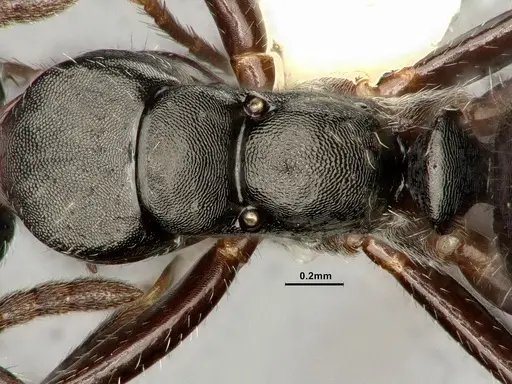
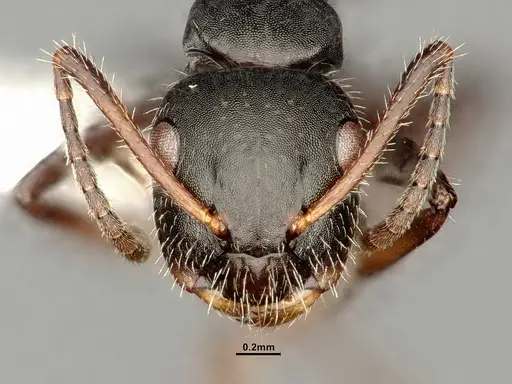
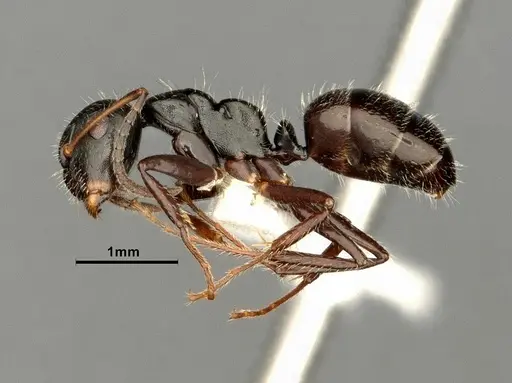
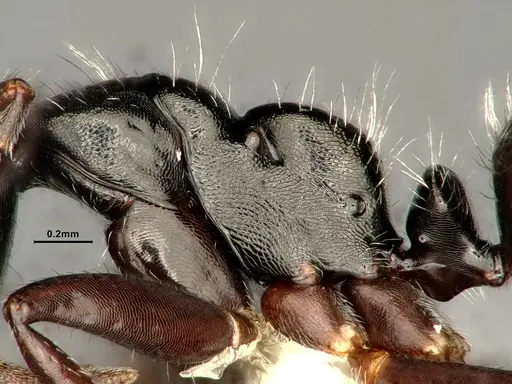
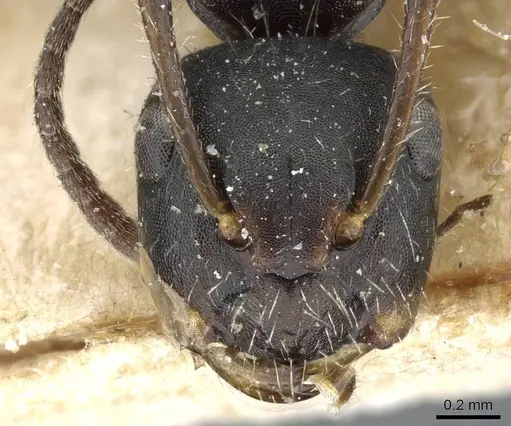
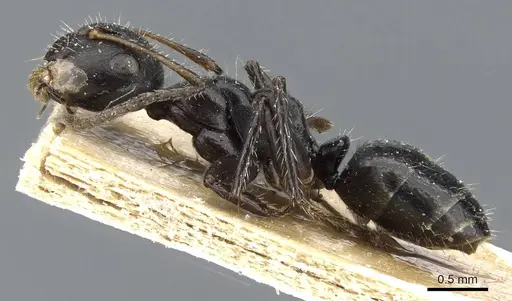
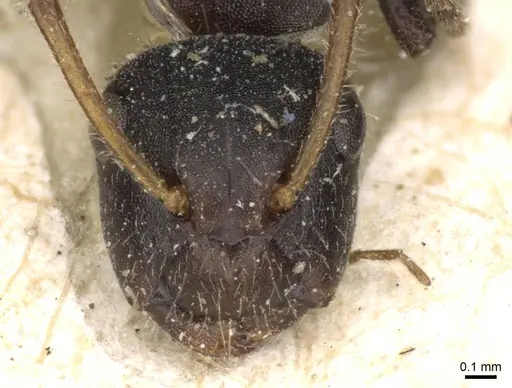
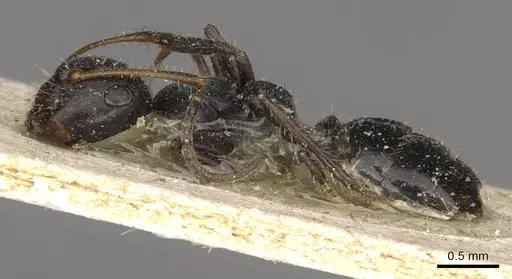
Camponotus propinquellus is a small Neotropical carpenter ant belonging to the subgenus Myrmobrachys and the dimorphus species group. Workers are described as having a propodeal dorsum that descends only about one-third posteriorly in lateral view, with the petiolar node having an distinctive anterior margin that curves near the spiracle . This species is known only from Peru, with recorded localities including Callanga, Huánuco, and the Ucayali region near Pachitea . As a member of the dimorphus group, workers are polymorphic with distinct major and minor castes. Camponotus ants lack a functional sting and instead defend by biting and spraying formic acid from their acidopore.
Quick Summary
- Difficulty: Unknown, species has no documented history in antkeeping
- Origin & Habitat: Endemic to Peru in the Neotropical region. Specific habitat requirements are unconfirmed, but Myrmobrachys species typically nest in rotting wood or arboreal locations in forest environments.
- Colony Type: Unconfirmed, likely single-queen colonies based on typical Camponotus patterns
- Size & Growth:
- Queen: Size data unavailable, no documented measurements for this species
- Worker: Size data unavailable, no documented measurements for this species
- Colony: Unknown for this species
- Growth: Unknown, likely moderate like other Camponotus
- Development: Estimated 6-8 weeks based on typical Camponotus development at warm temperatures (Development time is inferred from genus-level patterns since no species-specific data exists)
- Antkeeping:
- Temperature: Estimated 22-26°C based on Neotropical origin and typical Myrmobrachys preferences
- Humidity: Estimated moderate to high humidity (60-80%) typical of forest-dwelling Neotropical ants
- Diapause: Unknown, Neotropical species may have reduced activity periods rather than true hibernation
- Nesting: Likely prefers rotting wood or arboreal nesting. In captivity, a Y-tong (AAC) nest or plaster nest with moderate humidity would be a reasonable starting point
- Behavior: Behavior is unstudied in captivity. Based on genus patterns, these ants are likely moderate foragers with typical Camponotus temperament, not particularly aggressive but will defend the nest if threatened. Camponotus species lack a functional sting but can bite and spray formic acid as a defense mechanism.
- Common Issues: this species has no documented history in antkeeping, care recommendations are speculative, no confirmed diet preferences exist, start with standard ant foods and observe acceptance, founding behavior is unconfirmed though likely claustral like other Camponotus, colony size and growth rate are unknown making progress tracking difficult, wild-caught colonies may be difficult to locate as the species has limited distribution in Peru
Species Background and Identification
Camponotus propinquellus is a Neotropical carpenter ant described by Emery in 1920. It belongs to the subgenus Myrmobrachys and the dimorphus species group, which is known for having polymorphic workers with distinct major and minor castes. The species is distinguished by its propodeal morphology, the propodeal dorsum descends only about one-third posteriorly when viewed from the side, and the petiolar node has a distinctive anterior margin that curves near the spiracle [1]. This ant is known only from Peru, making it one of the more geographically restricted Camponotus species. The type localities include Callanga and the Pachitea region in central Peru [2].
Natural Habitat and Nesting
The natural habitat of Camponotus propinquellus is not documented in scientific literature. However, species in the subgenus Myrmobrachys are typically associated with forest environments and often nest in rotting wood or arboreal locations. Peru's Neotropical forests where this species occurs are characterized by high humidity and moderate temperatures year-round. For captive care, a nest environment that mimics these conditions would be appropriate, moderate humidity (60-80%) with temperatures in the low-mid 20s Celsius. A Y-tong (AAC) nest or plaster formicarium with moisture retention would be suitable starting points.
Feeding and Diet
Diet preferences for this specific species have not been documented. As a Camponotus species, it likely has an omnivorous diet typical of carpenter ants, which includes nectar, honeydew, and protein sources like insects. Related Myrmobrachys species are generally opportunistic feeders. In captivity, you should start with standard ant foods: sugar water or honey as an energy source, and protein sources like mealworms, crickets, or other small insects. Observe your colony's acceptance of different foods and adjust accordingly. Since this species is from a humid Neotropical environment, ensure fresh water is always available.
Temperature and Seasonal Care
Temperature requirements are not specifically documented for this species. Based on its Neotropical origin in Peru and its placement in the Myrmobrachys subgenus, a temperature range of 22-26°C would be a reasonable starting point. This aligns with typical conditions in Peruvian cloud forests. Unlike temperate species, Neotropical ants often do not require true hibernation but may have reduced activity during cooler or drier periods. Monitor your colony's activity levels, if they become less active, slightly increasing temperature may help. Avoid temperature extremes and sudden changes.
Colony Development and Growth
Colony development specifics for Camponotus propinquellus are unknown. Based on typical Camponotus patterns, founding queens likely seal themselves in a small chamber (claustral founding) and raise the first workers (nanitics) using stored fat reserves. Development from egg to first worker likely takes 6-8 weeks at optimal temperatures, though this is an estimate based on genus patterns rather than species-specific data. Growth rate is likely moderate. The dimorphus species group is characterized by polymorphic workers, so you may see major workers developing as the colony grows.
Frequently Asked Questions
How long does it take for Camponotus propinquellus to produce first workers?
This is estimated at 6-8 weeks from egg to worker based on typical Camponotus development patterns. No species-specific data exists, so monitor your colony and adjust conditions if development seems stalled.
What do Camponotus propinquellus ants eat?
Diet is unconfirmed for this species. Start with standard ant foods: sugar water or honey for energy, and protein sources like small insects (mealworms, fruit flies, crickets). Observe what your colony accepts and adjust accordingly.
What temperature should I keep Camponotus propinquellus at?
Based on Neotropical origin, aim for 22-26°C. Start in the middle of this range and adjust based on colony activity. Avoid temperatures below 20°C or above 30°C.
Does Camponotus propinquellus need hibernation?
Likely no true hibernation required, Neotropical species typically have reduced activity periods rather than deep hibernation. Monitor for natural slowdowns and reduce feeding if activity decreases.
How big do Camponotus propinquellus colonies get?
Colony size is unknown for this species. Based on related Myrmobrachys species, colonies likely reach up to several hundred workers. Growth rate is estimated as moderate.
Is Camponotus propinquellus a good beginner species?
This species is not recommended for beginners due to lack of documented care information. The care recommendations here are speculative based on genus patterns. Consider starting with better-documented Camponotus species like Camponotus floridanus or Camponotus pennsylvanicus.
What nest type is best for Camponotus propinquellus?
Based on typical Myrmobrachys preferences, a Y-tong (AAC) nest or plaster formicarium with moderate humidity would be appropriate. Ensure the nest has chambers sized appropriately for their worker size.
Can I keep multiple queens together?
Colony structure is unconfirmed for this species. Camponotus are typically monogyne (single queen), but some species can found colonies together (pleometrosis). Without specific data, keeping one queen per colony is recommended.
Where is Camponotus propinquellus found naturally?
This species is endemic to Peru in the Neotropical region. Known localities include Callanga, Huánuco, and the Ucayali region near Pachitea.
Report an Issue
The current care sheet is based fully on literature. See inconsistencies, or something that's incorrect? Please , it will be resolved after review from an admin. Contributing to the blogs tab also helps providing information, to make us be able to further improve the caresheets. Thank you for your support!
References

Cette fiche d'élevage est sous licence CC BY-SA 4.0 .
Blogs de la communauté
CASENT0882304
Voir sur AntWeb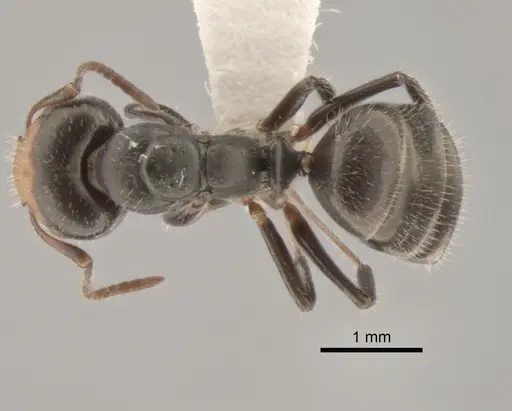
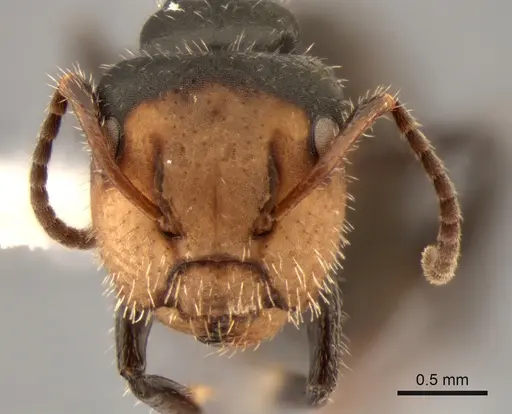
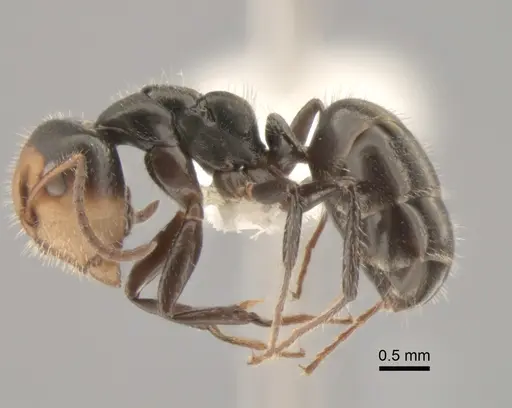
CASENT0884449
Voir sur AntWeb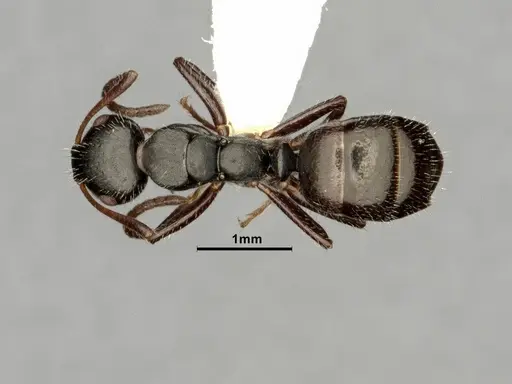
CASENT0905518
Voir sur AntWeb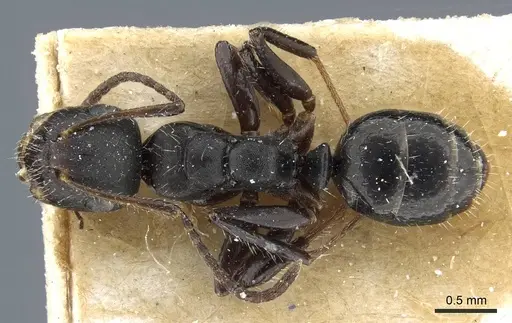
CASENT0910734
Voir sur AntWeb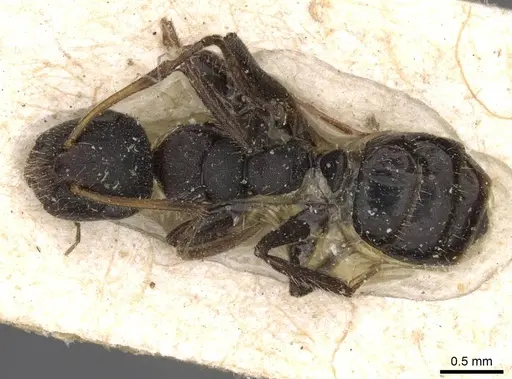
Littérature
Chargement de la carte de répartition...Chargement des produits...