
Camponotus pallens
- Nom sci.
- Camponotus pallens
- Sous-genre
- Tanaemyrmex
- Tribu
- Camponotini
- Sous-famille
- Formicinae
- Auteur
- Le Guillou, 1842
- Distribution
- Trouvé dans 0 pays
Introduction
Camponotus pallens is a medium-sized carpenter ant belonging to the subgenus Tanaemyrmex. The species was originally described from Vava'u Island in Tonga by Le Guillou in 1842, based on a queen collected during the Astrolabe expedition . Queens measure around 6-7mm, with workers ranging from 4-8mm. They have the typical Camponotus body shape with a rounded abdomen and relatively large heads. This ant is strictly nocturnal - it forages and patrols primarily at night, which is unusual among many common carpenter ants . This behavior helps them avoid daytime predators and heat stress in their tropical island habitat. They have been recorded during both rainy and dry seasons, showing adaptability to different conditions .
Quick Summary
- Difficulty: Easy
- Origin & Habitat: Tonga Islands (Oceania), specifically Vava'u Island. They inhabit tropical island environments and likely nest in rotting wood or under bark, typical of Camponotus species in the Tanaemyrmex subgenus [1][2].
- Colony Type: Colony structure is unconfirmed. Based on typical Camponotus patterns, likely single-queen colonies (monogyne).
- Size & Growth:
- Queen: ~6-7mm, inferred from Camponotus genus patterns
- Worker: ~4-8mm, inferred from Camponotus genus patterns
- Colony: Likely several hundred workers at maturity based on typical Camponotus colony growth
- Growth: Moderate, typical for Camponotus
- Development: 6-10 weeks at optimal temperature (estimated from genus-level Camponotus data) (Development time depends on temperature, warmer conditions within safe range speeds development)
- Antkeeping:
- Temperature: Keep at 22-26°C. Being from a tropical island, they prefer warm conditions but can tolerate typical room temperatures. A gentle heat gradient allows them to regulate their temperature preference [2].
- Humidity: Moderate humidity around 50-60%. Being from a tropical island, they appreciate some moisture but avoid waterlogged conditions. A damp cotton ball in the test tube water reservoir works well.
- Diapause: No true diapause given their tropical origin. They may show reduced activity during cooler periods but do not require hibernation like temperate species.
- Nesting: Y-tong (AAC) nests work well for this species. They also accept test tube setups and plaster nests. Provide nesting sites with narrow chambers and some darkness, these ants prefer enclosed, secure spaces.
- Behavior: Strictly nocturnal, expect activity peaks after dark [2]. They are generally calm and not aggressive toward keepers, typical of most Camponotus. Workers are moderately sized and can chew through soft materials. Escape prevention should be moderate, they are not tiny but can squeeze through small gaps if determined. They likely forage for honeydew and small insects, following typical carpenter ant dietary patterns.
- Common Issues: colonies may appear inactive during daylight hours, this is normal for this strictly nocturnal species, slow initial growth during founding phase can worry beginners, patience is key, test tube setups can flood if water reservoirs are overfilled, use proper filling technique, wild-caught colonies may have parasites, quarantine and observe new colonies, they may reject artificial nests if conditions aren't right, provide options and observe preference
Housing and Nest Setup
Camponotus pallens adapts well to various captive setups. Test tube nests work excellently for founding colonies, use a test tube with a water reservoir filled with cotton balls, providing humidity while keeping the chamber dry. For established colonies, Y-tong (AAC) nests are ideal as they provide the dark, enclosed spaces these ants prefer. Plaster nests are also suitable options. The key is providing narrow chambers scaled to their size and keeping the nest area dark and quiet. Place the setup in an area with stable temperatures between 22-26°C and minimal disturbance during the founding stage.
Feeding and Diet
Like other Camponotus species, Camponotus pallens is omnivorous. They readily accept sugar sources including honey water, sugar water, and nectar. For protein, offer small insects like fruit flies, small crickets, and mealworms. Once workers arrive, they will forage for food. Feed protein 2-3 times per week and keep a constant sugar source available. Remove uneaten prey after 24-48 hours to prevent mold. These ants are nocturnal, so offering food in the evening or at night aligns with their natural foraging patterns.
Temperature and Seasonal Care
Being from tropical Tonga, this species prefers warm conditions. Maintain temperatures between 22-26°C for optimal brood development. They can tolerate slightly cooler room temperatures but growth will slow. Unlike temperate species, they do not require a true hibernation period. However, they may show reduced activity during cooler periods, which is normal. Avoid temperature extremes above 30°C or below 18°C. A heating cable on one side of the nest can create a temperature gradient, allowing ants to choose their preferred spot. Since they are strictly nocturnal, keep lighting low during their active hours to avoid stressing them. [2]
Behavior and Activity Patterns
Camponotus pallens is strictly nocturnal, meaning you will see most activity after dark [2]. This is a key characteristic that distinguishes them from many other ant species. Workers emerge at night to forage and tend to their colony. During the day, they remain inside the nest, which is perfectly normal behavior. They have been recorded in both rainy and dry seasons, showing environmental adaptability [2]. The colony temperament is generally calm, they are not particularly aggressive and focus on their daily activities. Major workers have larger heads and may appear when the colony is well-established.
Colony Growth and Development
Like all Camponotus, this species likely starts with claustral founding. The queen seals herself in a small chamber and lays eggs while living on her stored fat reserves. This phase can take 4-8 weeks depending on temperature. The first workers (nanitics) are often smaller than subsequent workers. After workers arrive, the colony enters a growth phase where brood production increases. Colony growth is moderate, expect several months before you see significant numbers. A mature colony may reach several hundred workers. Growth is faster at warmer temperatures within their range (up to around 26°C) but slows at cooler temperatures. Patience is essential during the first year as the colony establishes itself.
Frequently Asked Questions
How long does it take for Camponotus pallens to get their first workers?
Expect first workers (nanitics) in 6-10 weeks after the queen lays eggs, assuming temperatures around 24-26°C. This is typical for Camponotus species. The exact timing depends on temperature, warmer conditions speed development while cooler temperatures slow it.
Are Camponotus pallens good for beginners?
Yes, this species is beginner-friendly. They are relatively hardy, tolerate typical room conditions once established, and are not aggressive. The main consideration is their nocturnal nature, you won't see much activity during the day. They are also slower-growing than some tropical species, so patience is needed.
Do Camponotus pallens need hibernation?
No, they do not require hibernation. Being from tropical Tonga, they prefer consistent warm temperatures year-round. They may show reduced activity during cooler periods but no special winter care is needed.
What do Camponotus pallens eat?
They are omnivorous. Offer sugar water or honey constantly for energy, and protein sources like small insects (fruit flies, small crickets, mealworms) 2-3 times per week. Remove uneaten prey after a day to prevent mold.
When are Camponotus pallens most active?
They are strictly nocturnal, meaning they are most active at night [2]. You will see foraging and colony activity peak after dark. This is normal behavior, not a sign of problems.
How big do Camponotus pallens colonies get?
Based on typical Camponotus patterns, colonies likely reach several hundred workers at maturity. Growth is moderate, expect several months to a year before seeing significant colony size.
Can I keep multiple Camponotus pallens queens together?
This species likely has single-queen colonies. Combining unrelated queens is not recommended as they will likely fight. Only one queen should be kept per colony setup.
What temperature is best for Camponotus pallens?
Keep them at 22-26°C. Being from a tropical island, they prefer warmth. A temperature gradient allowing them to choose their preferred spot is ideal. Avoid temperatures below 18°C or above 30°C.
When should I move my Camponotus pallens to a formicarium?
Wait until the colony has at least 20-30 workers before moving to a larger setup. A test tube is fine for smaller colonies. Once they outgrow the test tube or you see workers avoiding the water reservoir, transfer to a Y-tong or formicarium.
Report an Issue
The current care sheet is based fully on literature. See inconsistencies, or something that's incorrect? Please , it will be resolved after review from an admin. Contributing to the blogs tab also helps providing information, to make us be able to further improve the caresheets. Thank you for your support!
References

Cette fiche d'élevage est sous licence CC BY-SA 4.0 .
Blogs de la communauté
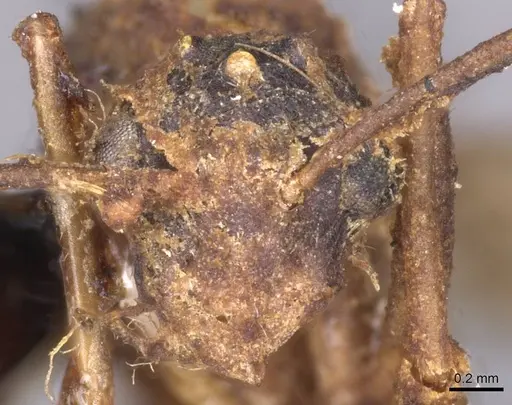
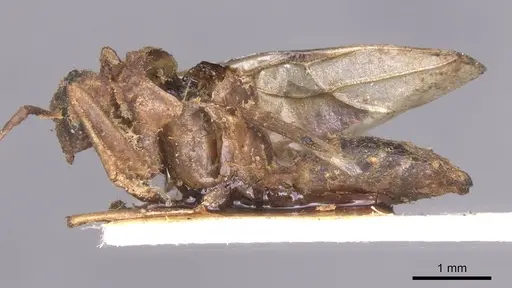
CASENT0913697
Voir sur AntWeb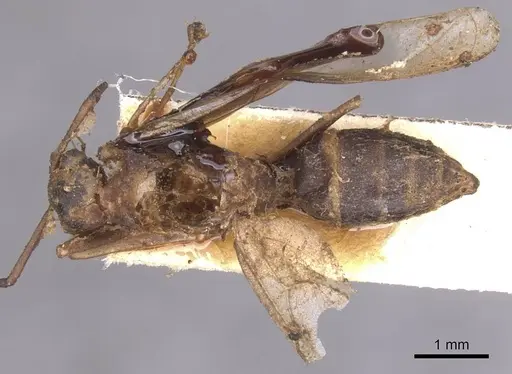
Littérature
Chargement de la carte de répartition...Chargement des produits...