
Camponotus maynei
- Nom sci.
- Camponotus maynei
- Sous-genre
- Myrmisolepis
- Tribu
- Camponotini
- Sous-famille
- Formicinae
- Auteur
- Forel, 1916
- Distribution
- Trouvé dans 0 pays
Introduction
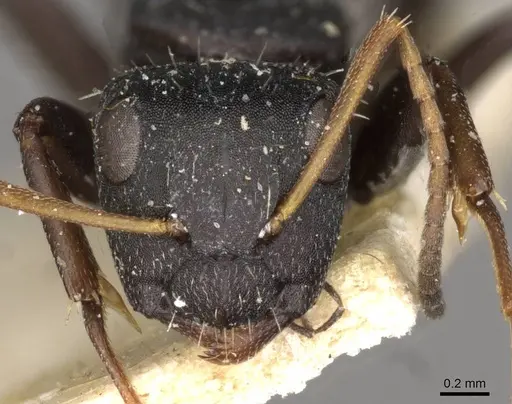
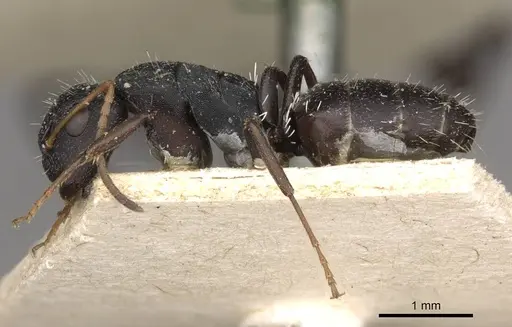
Camponotus maynei is a medium-sized ant species native to tropical Africa. Workers are polymorphic, with larger major workers and smaller minor workers. The species was first described by Forel in 1916 from specimens collected in what is now the Democratic Republic of Congo . This species belongs to the subgenus Myrmisolepis. The genus Camponotus is one of the largest ant genera worldwide, characterized by a single-node petiole and the ability to nest in wood or soil cavities. Specific research on C. maynei is extremely limited - most biological details are inferred from general Camponotus genus patterns and related African species.
Quick Summary
- Difficulty: Medium
- Origin & Habitat: Afrotropical Africa, confirmed in Democratic Republic of Congo (NK Province) and Gambia [1][2]. This is a tropical species from Central/West Africa, typically found in forested regions and savanna habitats.
- Colony Type: Colony structure is unconfirmed for this species. Based on typical Camponotus patterns, likely single-queen colonies, but this has not been documented.
- Size & Growth:
- Queen: Size data unavailable, inferred from typical Camponotus queen size (~12-15mm)
- Worker: Size data unavailable, typical Camponotus workers range 5-12mm (polymorphic)
- Colony: Estimated up to a few thousand workers at maturity based on typical Camponotus development
- Growth: Moderate, Camponotus species grow more slowly than smaller ants
- Development: Development timeline is unconfirmed for this species. Based on typical Camponotus patterns, expect several months to first workers. (Warmer conditions (24-28°C) likely accelerate development. First workers (nanitics) are typically smaller than normal workers.)
- Antkeeping:
- Temperature: Keep nest area at 24-28°C. As a tropical African species, they prefer warm conditions. A heating cable on one side of the nest can create a gentle gradient. Room temperature may suffice if consistently warm (above 22°C).
- Humidity: Moderate humidity around 50-70%. Keep the nest substrate slightly moist but not waterlogged. Provide a water tube for humidity access.
- Diapause: No, as a tropical species from Central Africa near the equator, they do not require hibernation [1].
- Nesting: In nature, Camponotus species typically nest in rotting wood, under bark, or in soil cavities. In captivity, test tubes work for founding colonies, then transition to Y-tong nests or formicaria with narrow chambers. They prefer dark, secure nesting sites.
- Behavior: Based on typical Camponotus genus patterns, this species is generally calm and not aggressive toward keepers. Workers are polymorphic, majors handle defense and heavy lifting, minors care for brood and forage. They are primarily nocturnal or crepuscular foragers. As larger ants, they have moderate escape risk, but standard barriers like Fluon usually work well.
- Common Issues: slow colony development, Camponotus take time to grow, so patience is essential., queen mortality during founding, claustral queens seal themselves in and may fail if disturbed or conditions are wrong., mold issues if humidity is too high or food spoils, clean uneaten food promptly., escape through small gaps, they can squeeze through surprisingly small openings., overheating is more dangerous than underheating, direct heat sources can kill the colony.
Nest Preferences and Setup
Camponotus maynei does well in various captive setups. For founding colonies, a simple test tube setup works, fill a test tube about 1/3 with water, plug with cotton, and place the queen in the dark area. The cotton provides humidity access. Once the colony reaches 20-30 workers, you can move them to a Y-tong nest or formicarium. These ants prefer dark, secure nesting areas and may reject nests that are too bright or exposed. If using an acrylic nest, ensure chambers are appropriately sized, not too large for a small colony. A naturalistic setup with soil and rotting wood also works well. The key is providing a dark, humid nest area with secure access to an outworld for foraging.
Feeding and Diet
Like most Camponotus species, C. maynei is omnivorous with a preference for sugar sources. Offer sugar water (1:3 ratio with water) or diluted honey at all times, this is their primary energy source. For protein, offer small insects like fruit flies, small crickets, mealworms, or other feeder insects. Feed protein once or twice per week, adjusting based on colony size. Larger colonies can handle bigger prey items. Avoid overfeeding, uneaten food quickly molds and can kill a colony. Remove any prey remains within 24-48 hours. Fresh water should always be available.
Temperature and Seasonal Care
As a tropical African species, Camponotus maynei prefers warm conditions between 24-28°C. This temperature range supports optimal brood development and colony activity. You can achieve this with a room that stays consistently warm, or use a heating cable placed on top of (not under) the nest to create a gentle warmth gradient. Never place heating directly under the nest as it can dry out the colony and cause condensation problems. Since this is a tropical species from near the equator, they do not require hibernation or diapause. However, they may show slightly reduced activity during cooler periods in your home, this is normal and not a sign of problems. Simply maintain stable temperatures and they will continue developing. Avoid temperature fluctuations, which can stress the colony.
Behavior and Colony Dynamics
Camponotus maynei exhibits typical Camponotus behavior, relatively calm workers that focus on foraging and brood care. Workers are polymorphic, meaning you'll see both larger major workers and smaller minor workers in the colony. Major workers typically handle seed processing, defense, and heavy lifting, while minor workers care for brood and foragers. The colony will establish a foraging pattern once workers emerge, sending workers out to collect sugar and protein. They are not aggressive and rarely sting, though majors can bite if they feel threatened. The queen remains in the nest laying eggs while workers handle all colony maintenance. A healthy colony will show increasing activity and population over time.
Growth and Development Timeline
Understanding colony development helps set realistic expectations. After the queen seals herself in for claustral founding, she will lay eggs within 1-2 weeks. Eggs develop through larval and pupal stages over the following weeks. First workers (nanitics) typically emerge after 6-10 weeks at optimal temperature (24-28°C), though this can take longer if temperatures are cooler. These first workers are smaller than normal workers but immediately begin caring for the queen and subsequent brood. The colony then enters a growth phase where population increases steadily. It typically takes 1-2 years to reach 100 workers, and several more years to reach a few thousand workers. Camponotus are long-lived, queens can live 10-20 years, and workers live several months to over a year. Patience is essential with these ants.
Frequently Asked Questions
How long does it take for Camponotus maynei to get first workers?
Based on typical Camponotus development, expect 6-10 weeks from egg to first worker at optimal temperature (24-28°C). This can take longer if kept cooler. First workers (nanitics) are smaller than normal workers but immediately begin helping the colony.
What do Camponotus maynei ants eat?
They need a balanced diet of sugar and protein. Offer sugar water or diluted honey constantly. Feed small insects (fruit flies, mealworms, small crickets) once or twice weekly. Remove uneaten food promptly to prevent mold.
Do Camponotus maynei ants need hibernation?
No. As a tropical African species from the Democratic Republic of Congo and Gambia near the equator, they do not require hibernation. Simply maintain warm, stable temperatures year-round.
What temperature is best for Camponotus maynei?
Keep them at 24-28°C for optimal development. A heating cable on top of the nest can provide warmth, or keep them in a consistently warm room above 22°C.
Are Camponotus maynei good for beginners?
They are moderate difficulty, not the easiest but not difficult. The main challenge is patience, as Camponotus grow more slowly than smaller ant species. They are rewarding once established.
Can I keep multiple Camponotus maynei queens together?
Not recommended. Camponotus are typically single-queen species. Combining unrelated queens has not been documented for this species and would likely result in fighting.
How big do Camponotus maynei colonies get?
At maturity, colonies can reach a few thousand workers. This takes several years, Camponotus are slow growers but long-lived. The queen can live 10-20 years.
When should I move Camponotus maynei to a formicarium?
Wait until the colony has 20-30 workers and the test tube is becoming crowded. A Y-tong nest or acrylic formicarium works well. Make sure the chambers are appropriately sized, too large a space can stress a small colony.
Why is my Camponotus maynei colony not growing?
Check temperature (should be 24-28°C), food availability, and humidity. Slow growth is normal, Camponotus are naturally slower than smaller ants. If the queen has died, the colony will not grow. Ensure she is still alive and producing brood.
Report an Issue
The current care sheet is based fully on literature. See inconsistencies, or something that's incorrect? Please , it will be resolved after review from an admin. Contributing to the blogs tab also helps providing information, to make us be able to further improve the caresheets. Thank you for your support!
References

Cette fiche d'élevage est sous licence CC BY-SA 4.0 .
Blogs de la communauté
CASENT0910502
Voir sur AntWeb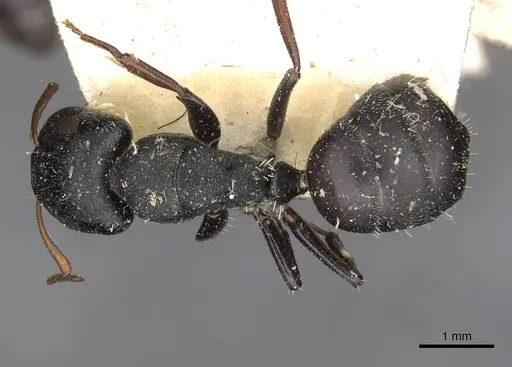
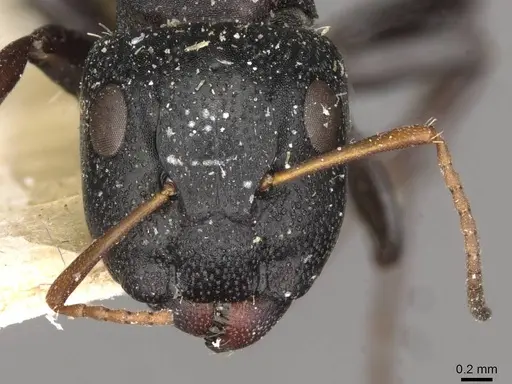
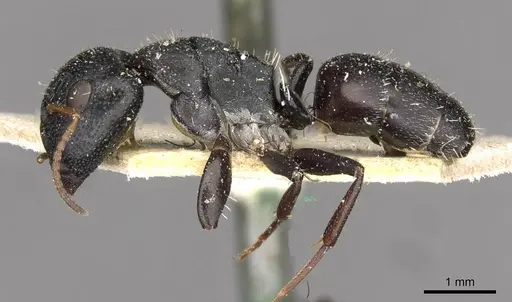
CASENT0910503
Voir sur AntWeb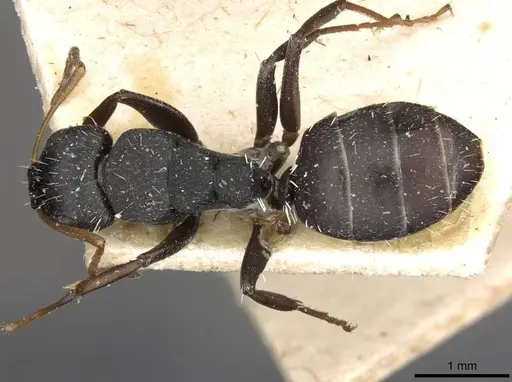
Littérature
Chargement de la carte de répartition...Chargement des produits...