
Camponotus hildebrandti
- Nom sci.
- Camponotus hildebrandti
- Sous-genre
- Tanaemyrmex
- Tribu
- Camponotini
- Sous-famille
- Formicinae
- Auteur
- Forel, 1886
- Distribution
- Trouvé dans 1 pays
Introduction
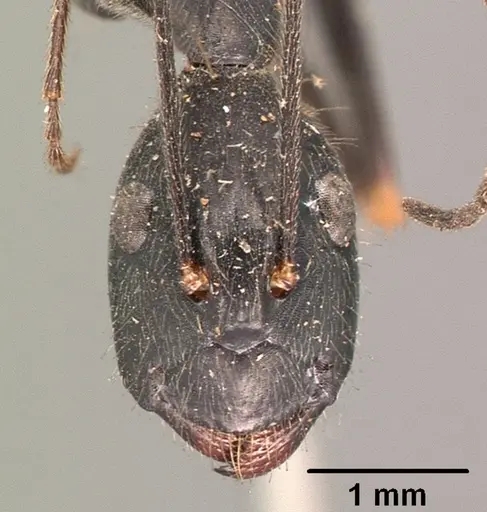
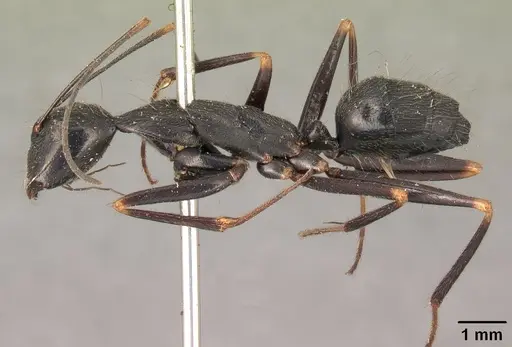
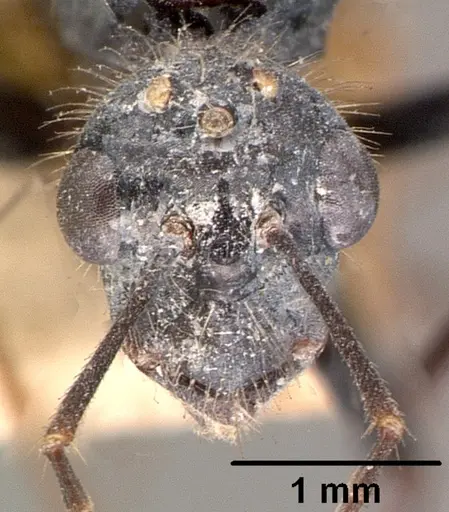
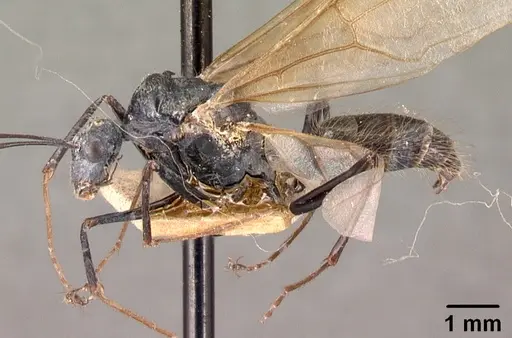
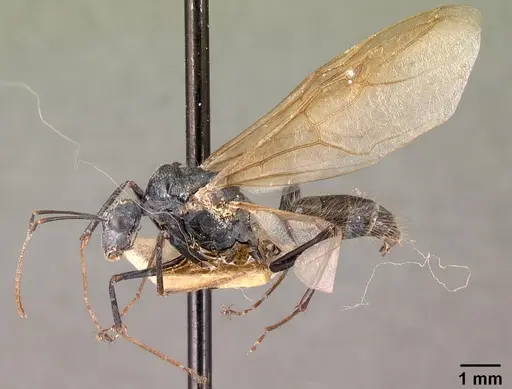
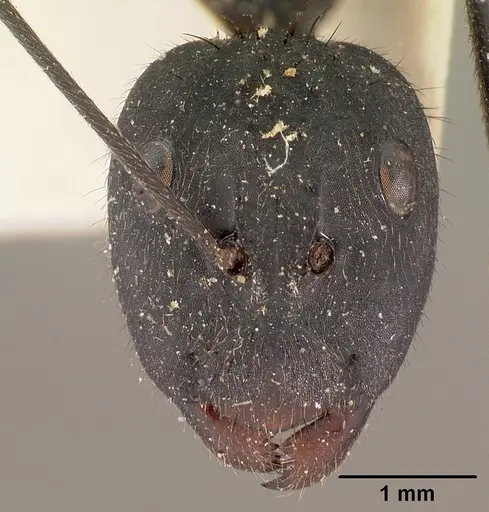
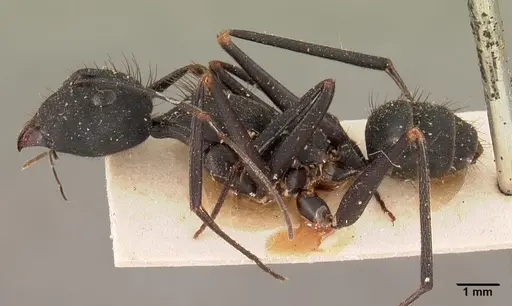
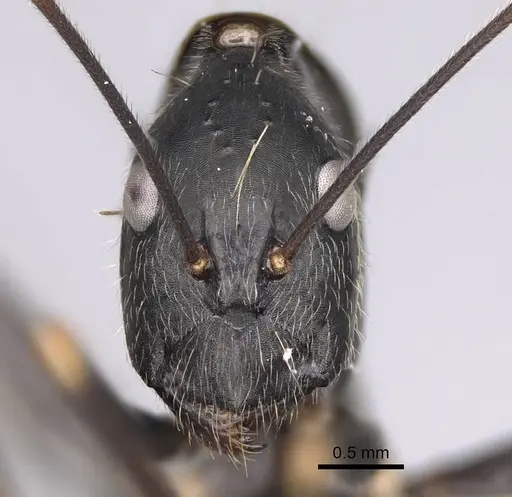
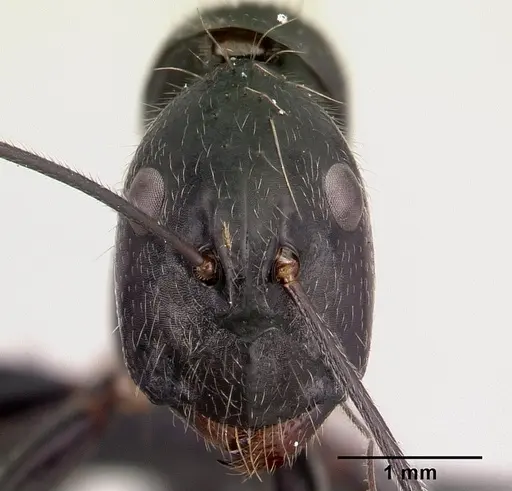
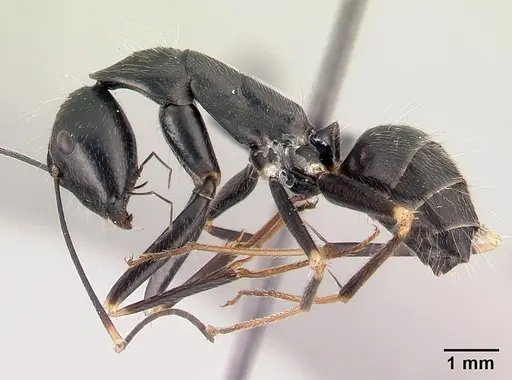
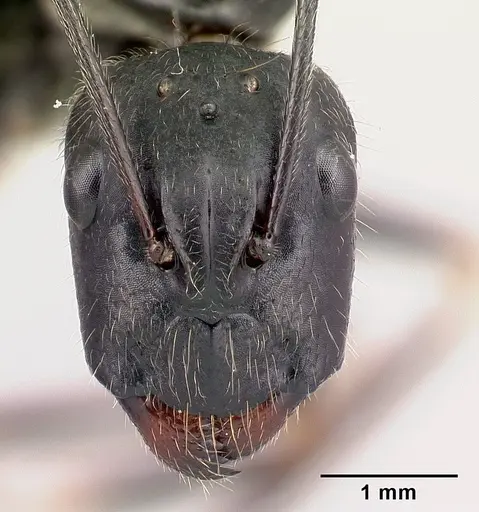
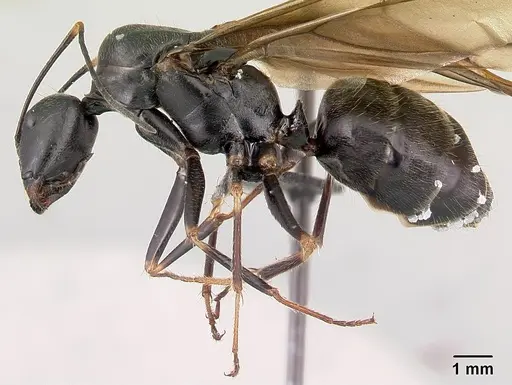
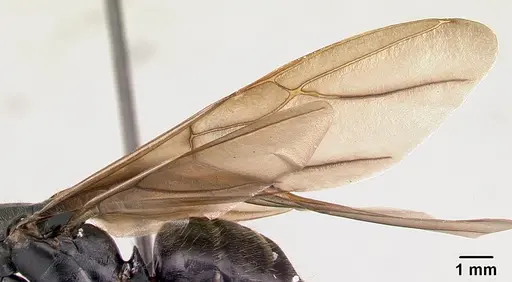
Camponotus hildebrandti is a carpenter ant endemic to Madagascar. Found across the island in humid rainforest habitats from 430m to 1275m elevation, it builds nests in rotting wood both in trees and on the forest floor (arboreal and terricolous) . It prefers dark, humid environments . The species is known to host Microdontinae fly larvae in its nests, a rare ant-dipteran association . Size data for workers and queens is not recorded in literature; typical Camponotus workers range from 4-12mm and queens from 12-16mm (inferred from genus). Specific identification characters are not published for this species.
Quick Summary
- Difficulty: Medium
- Origin & Habitat: Madagascar, endemic to the island, recorded from rainforest habitats at elevations between 430m and 1275m. Nests in rotting wood both arboreally and on the ground. Prefers dark, humid conditions [1][2][3][4].
- Colony Type: Unconfirmed. Based on typical Camponotus patterns, likely monogyne (single queen).
- Size & Growth:
- Queen: not recorded, inferred from Camponotus genus (~12-16mm)
- Worker: not recorded, inferred from Camponotus genus (~4-12mm depending on caste)
- Colony: not recorded, typical Camponotus colonies can reach several thousand workers (inferred)
- Growth: Moderate (typical for Camponotus)
- Development: estimated 6-8 weeks at optimal temperature (based on Camponotus genus patterns) (Development time typical for claustral Camponotus, the queen does not feed during founding.)
- Antkeeping:
- Temperature: Keep at 22-26°C. Their natural elevation range suggests they prefer warm but not hot conditions. A gentle gradient helps [1][2][3].
- Humidity: High humidity required, keep nest substrate consistently moist but not waterlogged. Their natural habitat is humid rainforest [4].
- Diapause: Not required. As a tropical species from Madagascar, they remain active year-round. No artificial cooling needed.
- Nesting: Provide a humid, dark nesting space. Y‑tong (AAC) or plaster nests work well. They can accept test tubes during founding. Include rotting wood or bark for naturalistic setups, since they are both arboreal and terricolous.
- Behavior: Calm and non‑aggressive for a carpenter ant. Workers forage primarily at dusk and night (crepuscular/nocturnal). They bite and spray formic acid when threatened (typical of Formicinae). Escape risk is moderate, standard barrier methods work. Not known for exceptional escape abilities.
- Common Issues: high humidity is critical, nests drying out quickly causes colony decline, slow founding phase, queens may take weeks before first workers appear, wild‑caught colonies may carry parasites or pathogens (e.g., Microdontinae flies live in their nests [5]), tropical species are sensitive to temperatures below 20°C, keep stable warmth
Housing and Nest Setup
Camponotus hildebrandti adapts to several nest types. For founding, a test tube setup works: fill one‑third with water, plug with cotton, and let the queen settle. As the colony grows, move to a Y‑tong (AAC) or plaster nest. Keep the nest dark and humid, these ants are found in dark, humid forest microhabitats [4]. Adding rotting wood or bark pieces gives them natural climbing surfaces. Avoid acrylic nests, they don't hold humidity well.
Feeding and Diet
Based on general Camponotus care, these ants are omnivorous. Offer protein 2-3 times a week (small feeder insects like crickets, mealworms) and constant access to sugar sources (honey water, sugar water, or commercial ant nectar). Remove uneaten prey after 24-48 hours to prevent mold. Dietary specifics for this species are not published.
Temperature and Seasonal Care
Maintain 22-26°C. Their natural elevation range (430-1275m) in Madagascar suggests they prefer warm, stable conditions [1][2][3]. Add a heating cable to one side of the nest for a gradient if your room runs cool. Avoid letting it drop below 20°C or exceed 30°C. Since they are tropical, no hibernation is needed. Keep them warm year‑round.
Colony Development and Growth
No published data on colony development for this species. Based on typical Camponotus patterns, the queen likely founds claustrally (sealing herself in) and raises the first brood on stored reserves. First workers appear after about 6-8 weeks at optimal temperature. Colonies grow slowly at first, then accelerate. Mature colonies may reach thousands of workers (estimated from genus patterns).
Behavior and Temperament
Workers are calm, non‑aggressive, and forage mainly at night. They bite and spray formic acid when disturbed (typical formicine defense). They are not prone to escaping if standard barriers are used. Their natural habitat (dark, humid forest) suggests they prefer dim conditions, provide cover over the nest. A notable behavior is their association with Microdontinae fly larvae, which have been found inside nests [5].
Frequently Asked Questions
How long does it take for Camponotus hildebrandti to have first workers?
No published data for this species. Based on typical Camponotus patterns, expect 6-8 weeks from egg to first worker at 22-26°C.
Do Camponotus hildebrandti ants need hibernation?
No, they are a tropical species from Madagascar and do not require hibernation. Maintain stable temperatures year‑round.
What do Camponotus hildebrandti eat?
No species‑specific dietary studies published. Based on general Camponotus care, offer protein (feeder insects) 2-3 times a week and constant sugar water or honey water.
Are Camponotus hildebrandti good for beginners?
They are rated Medium difficulty. The main challenges are keeping high humidity and being patient through the slow founding phase. If you can manage those, they are manageable for beginners.
How big do Camponotus hildebrandti colonies get?
Colony size is not recorded in literature. Based on typical Camponotus patterns, they may reach several thousand workers at maturity.
What temperature is best for Camponotus hildebrandti?
Keep at 22-26°C. Their natural elevation range (430-1275m in Madagascar) indicates a preference for warm, stable conditions [1][2][3].
Can I keep multiple Camponotus hildebrandti queens together?
This is unknown for this species. Based on typical Camponotus patterns, they are likely monogyne (single queen) and would not tolerate co‑founding. Do not attempt unless you are certain of polygyny.
What humidity level do Camponotus hildebrandti need?
High humidity, keep the nest substrate consistently moist but not waterlogged. Their natural habitat is humid rainforest [4]. Drying out is a common cause of colony failure.
When should I move Camponotus hildebrandti to a formicarium?
Move them when the test tube becomes crowded (typically after 20-30 workers) or when they show signs of space stress. Use a Y‑tong or plaster nest that holds humidity.
Where is Camponotus hildebrandti found in the wild?
Endemic to Madagascar, recorded from humid rainforest at 430-1275m elevation. Nests in rotting wood both in trees and on the ground [1][2][3].
Why is my Camponotus hildebrandti colony declining?
Common causes: inadequate humidity, temperature stress (below 20°C or above 30°C), mold from overwatering, or parasites. Check humidity first, it is the most critical factor. Also note that Microdontinae flies can live in nests [5].
Report an Issue
The current care sheet is based fully on literature. See inconsistencies, or something that's incorrect? Please , it will be resolved after review from an admin. Contributing to the blogs tab also helps providing information, to make us be able to further improve the caresheets. Thank you for your support!
References

Cette fiche d'élevage est sous licence CC BY-SA 4.0 .
Blogs de la communauté
CASENT0101906
Voir sur AntWeb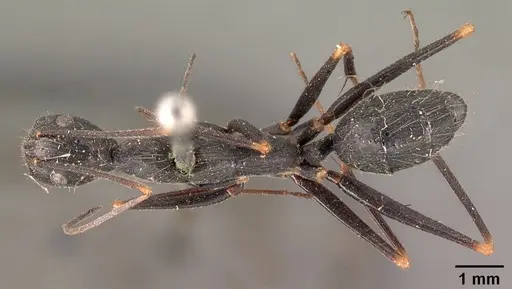
CASENT0101981
Voir sur AntWeb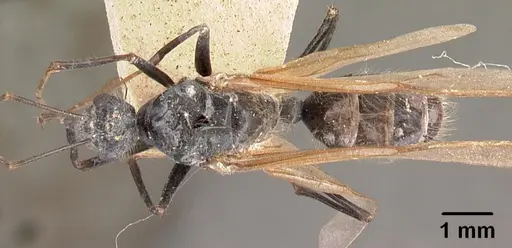
CASENT0102092
Voir sur AntWeb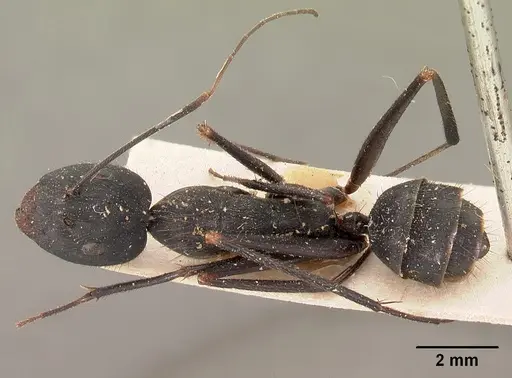
CASENT0477222
Voir sur AntWeb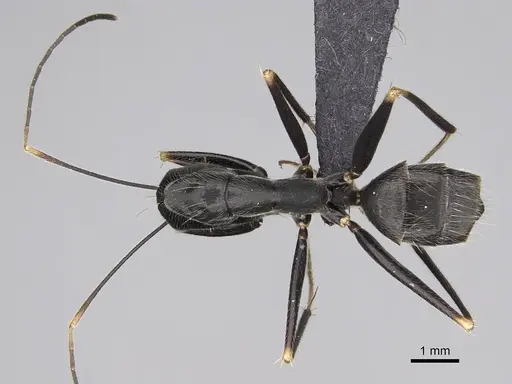
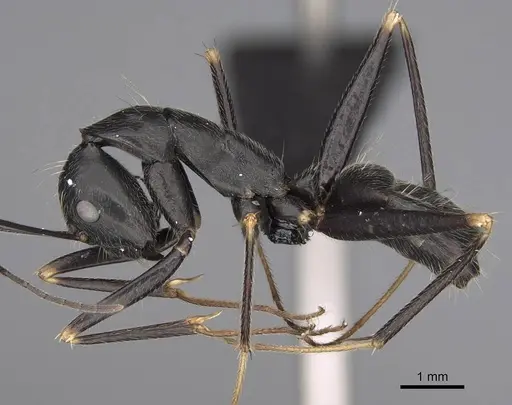
CASENT0497277
Voir sur AntWeb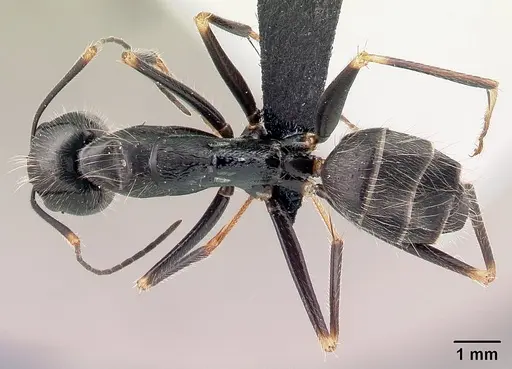
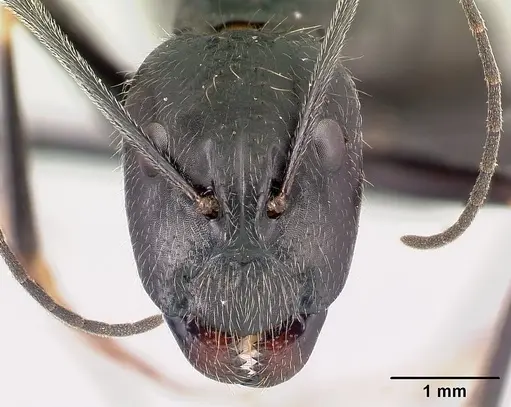
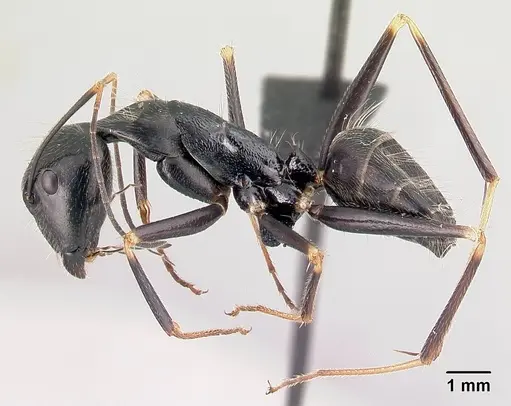
CASENT0497281
Voir sur AntWeb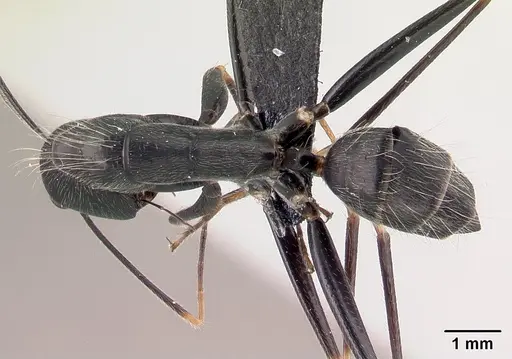
CASENT0497284
Voir sur AntWeb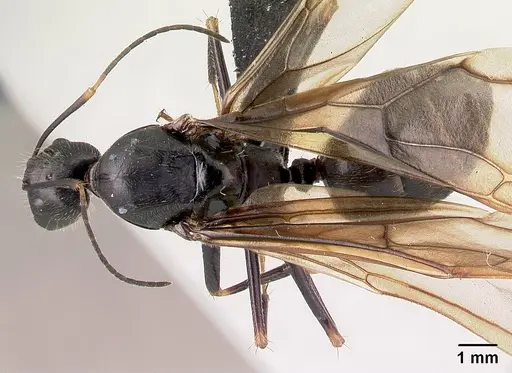
Littérature
Chargement de la carte de répartition...Chargement des produits...