
Camponotus goeldii
- Nom sci.
- Camponotus goeldii
- Sous-genre
- Tanaemyrmex
- Tribu
- Camponotini
- Sous-famille
- Formicinae
- Auteur
- Forel, 1894
- Distribution
- Trouvé dans 0 pays
Introduction
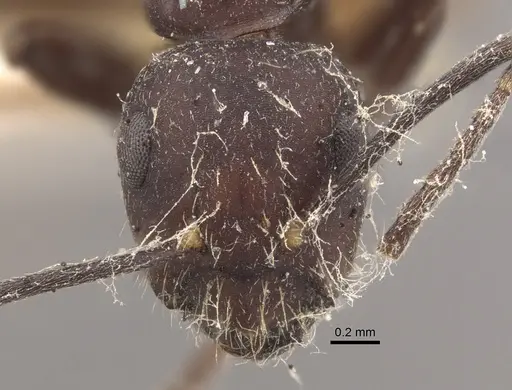
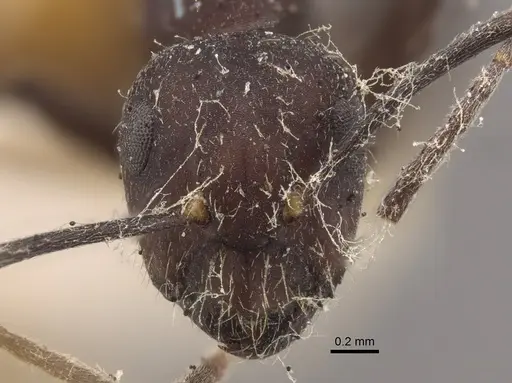
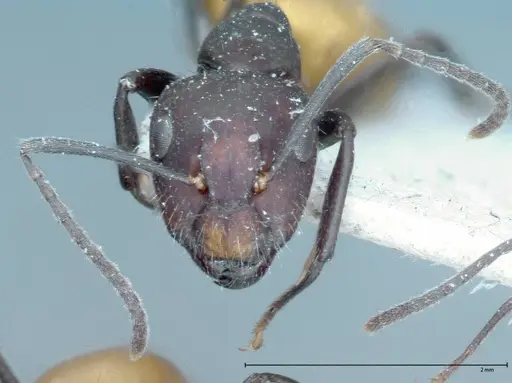
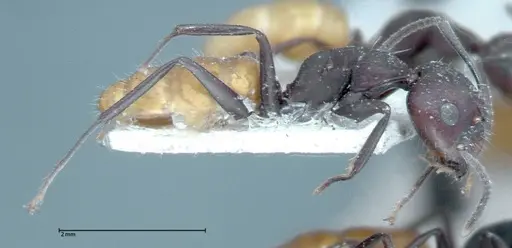
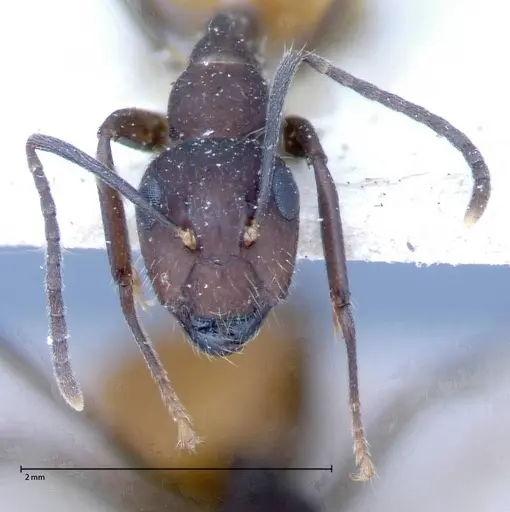
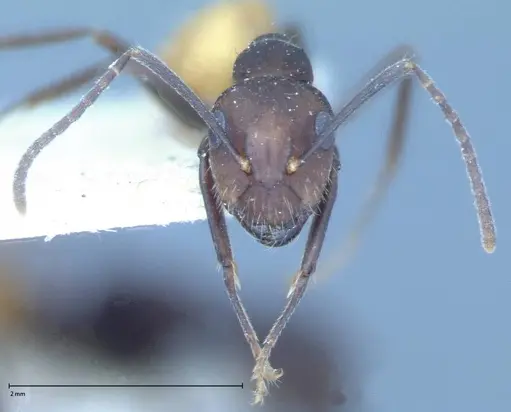
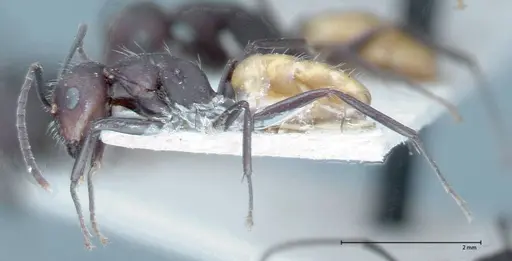
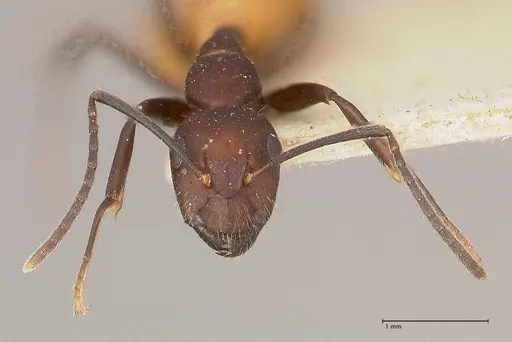
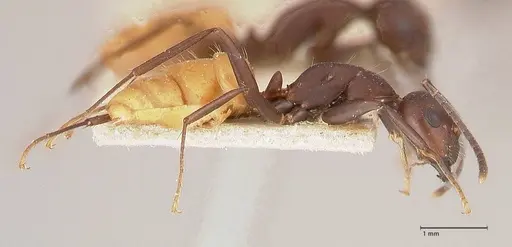
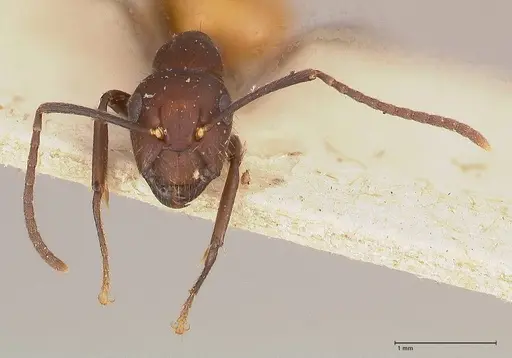
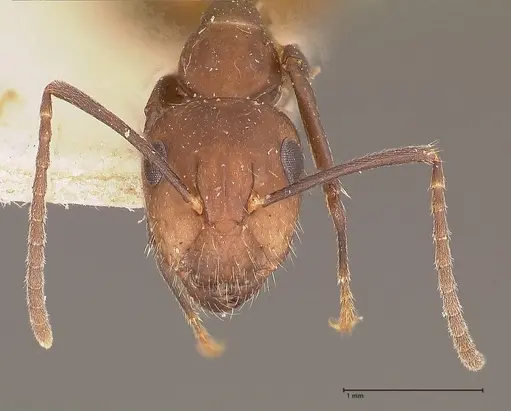
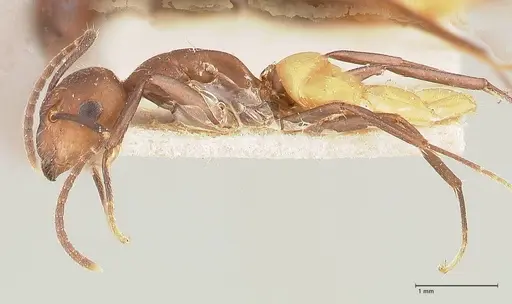
Camponotus goeldii is a Neotropical carpenter ant species native to southeastern Brazil and Bolivia. Workers are polymorphic, with major workers significantly larger than minor workers - a typical trait for Camponotus species. The species belongs to the subgenus Tanaemyrmex, which includes many of the larger Neotropical carpenter ants. They have the robust body shape and characteristic bent antennae typical of the genus. This species was described by Forel in 1894 from specimens collected near Teresópolis in Rio de Janeiro state, Brazil [AntWiki]. As a Neotropical species from the Atlantic Forest region of Brazil, C. goeldii prefers warm, humid conditions similar to other forest-dwelling carpenter ants. They nest in wood in their natural habitat, which is typical for Camponotus. The colony structure follows the common Camponotus pattern of single-queen colonies, though detailed studies on this specific species are limited. These ants are generally docile and manageable in captivity.
Quick Summary
- Difficulty: Easy
- Origin & Habitat: Southeastern Brazil (Rio de Janeiro region) and Bolivia. Found in the Atlantic Forest zone, a tropical humid forest environment [2][1].
- Colony Type: Likely monogyne (single queen) colonies based on typical Camponotus patterns. No specific studies on colony structure for this species.
- Size & Growth:
- Queen: ~12-16 mm, inferred from Tanaemyrmex genus patterns
- Worker: Minor workers: ~5-8 mm, Major workers: ~10-14 mm, inferred from typical Camponotus morphology
- Colony: Up to several thousand workers at maturity, inferred from genus patterns
- Growth: Moderate, typical for larger carpenter ants
- Development: 6-10 weeks at optimal temperature, inferred from typical Camponotus development (Development time varies with temperature, warmer conditions (24-27°C) speed development, cooler slows it down)
- Antkeeping:
- Temperature: Keep nest area at 24-27°C. A gentle temperature gradient allows ants to self-regulate. Room temperature around 22°C is acceptable, but heating one side of the nest slightly improves growth.
- Humidity: Moderate to high humidity (60-80%). These forest ants need moisture but not saturation. Keep substrate damp but not waterlogged. Provide a water tube for drinking access.
- Diapause: Not required. As a Neotropical species from tropical Brazil, they do not need hibernation. Activity may slow slightly during cooler months but no true diapause is necessary.
- Nesting: Carpenter ants naturally nest in wood. In captivity, they do well in Y-tong (AAC) nests, wooden formicaria, or test tube setups with a wood element. They do not require soil, wood or acrylic nests work well. Avoid overly wet conditions that could cause mold.
- Behavior: Generally calm temperament compared to some carpenter ant species. Majors can be impressive but are not particularly aggressive. Workers are active foragers, both day and night. They readily accept sugar water and protein foods. Escape risk is moderate, they are larger ants but can still climb smooth surfaces. Use fluon on container rims and ensure any gaps are sealed. They are not known for being destructive in captivity as they don't require soil to excavate.
- Common Issues: mold from excessive moisture, keep nesting area dry, provide hydration separately, queen loss during founding, claustral queens need complete darkness and disturbance-free conditions, slow initial growth, founding colonies take months, patience is essential, escape through small gaps, despite size, they can squeeze through surprisingly small openings, starvation if not fed varied diet, sugar alone is insufficient, protein is essential for brood development
Housing and Nest Setup
Camponotus goeldii does well in several nest types. Y-tong (AAC) nests work excellently, the smooth walls prevent escapes and you can easily control humidity. Wooden formicaria are also suitable since these are naturally wood-nesting ants. Test tube setups are fine for founding colonies but you will need to move them to a proper nest once the colony reaches 20-30 workers. The nest should have chambers sized appropriately, not too large for small colonies, not too small for mature ones. Provide a water tube connected to the nest for humidity and drinking access. Outworld space should allow for foraging and waste disposal areas. Use fluon or petroleum jelly on container rims to prevent escapes. [1]
Feeding and Diet
Like all Camponotus, this species needs a balanced diet of sugars and protein. Sugar water, honey, or diluted maple syrup should be available constantly, carpenter ants have high energy needs. For protein, offer insects like mealworms, crickets, or fruit flies. Frozen insects work well too. Feed protein 2-3 times per week, removing uneaten prey within 24 hours. Vary the diet, they accept most common feeder insects. Some keepers report they prefer slightly decayed or damaged insects. Fresh water should always be available. Avoid overfeeding, excess food mold is a common problem that can kill colonies. [1]
Temperature and Seasonal Care
As a Neotropical species from southeastern Brazil, C. goeldii prefers warm conditions. Keep the nest area at 24-27°C for optimal brood development. Room temperature (20-24°C) is acceptable but growth will be slower. A small heating cable or mat on one side of the nest creates a gradient they can regulate. Avoid temperatures below 18°C or above 30°C. No hibernation is required, these ants come from a tropical climate with minimal seasonal temperature variation. Activity may naturally decrease in winter if your room cools, but this is not a true diapause. Simply maintain normal care and they will remain active. [1]
Colony Founding
Camponotus goeldii is claustral, the queen seals herself into a chamber and does not leave to forage. She relies entirely on stored fat reserves to survive and raise the first brood. Place the founding queen in a small test tube with a water reservoir (cotton ball at one end) and keep it completely dark and undisturbed. Do not check on her daily, disturbance can cause her to abandon or eat the brood. After 4-8 weeks (depending on temperature), the first nanitic workers will emerge. These first workers are smaller than normal workers but will begin foraging. Wait a week or two after nanitics emerge before offering food, the queen will have resumed egg-laying and the colony is established. [1]
Growth and Development
Colony growth follows typical Camponotus patterns. After founding, expect 3-6 nanitic workers in the first few months. Growth is slow initially, the colony may take a year to reach 50 workers. Once established with 50+ workers, growth accelerates. A mature colony can reach several thousand workers over several years. The key factors are temperature (warmer = faster), food quality (protein is essential for brood), and avoiding stress. Major workers appear as the colony grows, these larger workers develop when the colony reaches several hundred workers. Do not disturb the queen once the colony is established, she is fragile during moves. [1]
Frequently Asked Questions
How long does it take for Camponotus goeldii to produce first workers?
First workers (nanitics) typically emerge 6-10 weeks after the queen lays eggs, assuming temperatures around 24-27°C. Cooler conditions slow development significantly. The queen is claustral and raises the first brood alone without foraging.
What do Camponotus goeldii ants eat?
They need both sugar and protein. Provide sugar water, honey, or maple syrup constantly. For protein, offer insects like mealworms, crickets, or fruit flies 2-3 times weekly. Fresh water should always be available.
Do Camponotus goeldii ants need hibernation?
No. As a Neotropical species from tropical Brazil, they do not require hibernation. They may slow activity slightly in cooler months but no special winter care is needed.
What temperature is best for Camponotus goeldii?
Keep nest temperatures between 24-27°C for optimal growth. Room temperature (20-24°C) is acceptable but will result in slower development. Avoid temperatures below 18°C or above 30°C.
Are Camponotus goeldii good for beginners?
Yes, this is a good beginner species. They are larger and more forgiving of minor care mistakes than small tropical ants. They are not overly aggressive and accept a wide variety of foods. The main challenge is patience, like all Camponotus, they grow slowly in the founding stage.
How big do Camponotus goeldii colonies get?
Mature colonies can reach several thousand workers over several years. Growth is slow initially but accelerates once the colony reaches 50-100 workers.
Can I keep multiple Camponotus goeldii queens together?
This species is likely monogyne (single queen) based on typical Camponotus patterns. Combining unrelated queens is not recommended as they will likely fight. Only one queen per colony is standard practice.
When should I move my Camponotus goeldii to a formicarium?
Move them when the test tube becomes crowded or the colony reaches 20-30 workers. A Y-tong or wooden nest works well. Do not move too early, founding colonies are sensitive to disturbance.
Why is my Camponotus goeldii colony not growing?
Common causes include: temperatures too low (below 20°C), insufficient protein in diet, disturbance during founding, or mold from excess moisture. Check these factors and ensure the queen is still laying eggs.
Report an Issue
The current care sheet is based fully on literature. See inconsistencies, or something that's incorrect? Please , it will be resolved after review from an admin. Contributing to the blogs tab also helps providing information, to make us be able to further improve the caresheets. Thank you for your support!
References

Cette fiche d'élevage est sous licence CC BY-SA 4.0 .
Blogs de la communauté
CASENT0909996
Voir sur AntWeb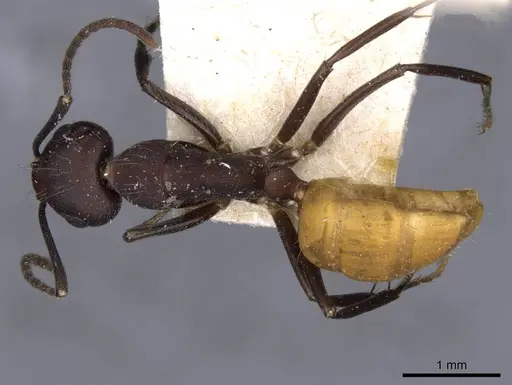
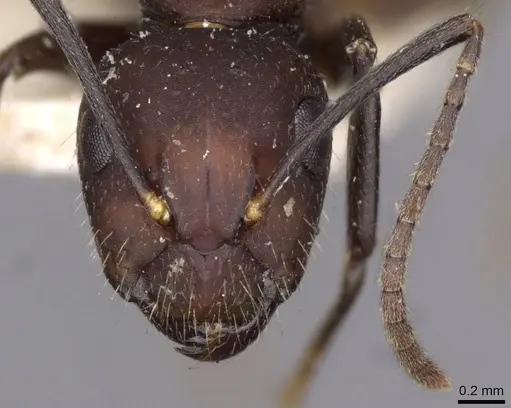
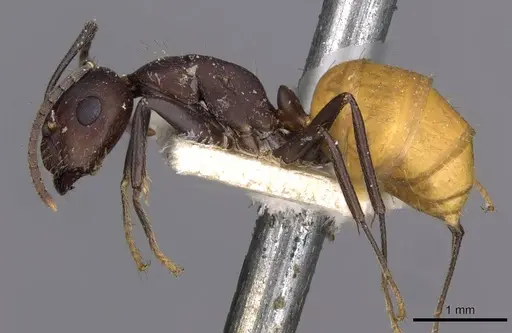
CASENT0917851
Voir sur AntWeb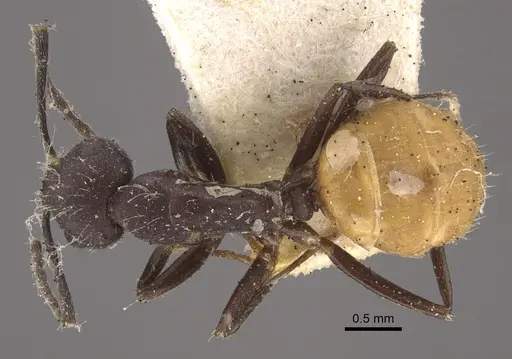
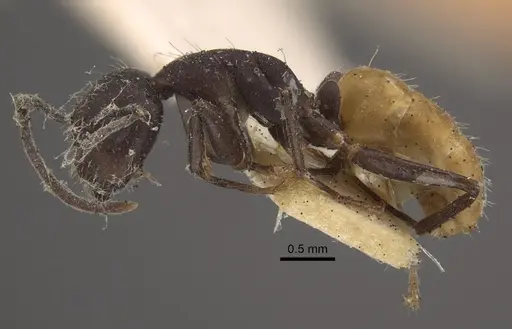
FOCOL0066-1
Voir sur AntWeb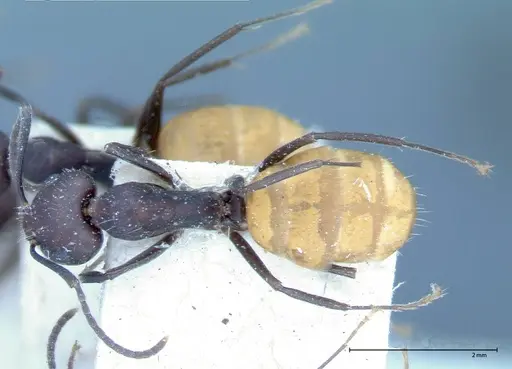
FOCOL0066-2
Voir sur AntWeb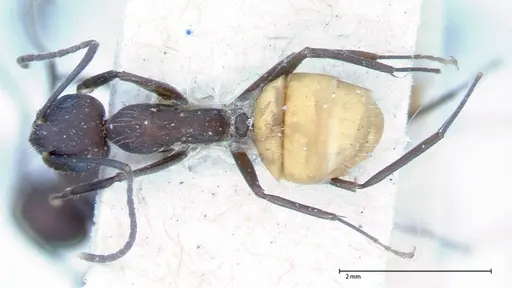
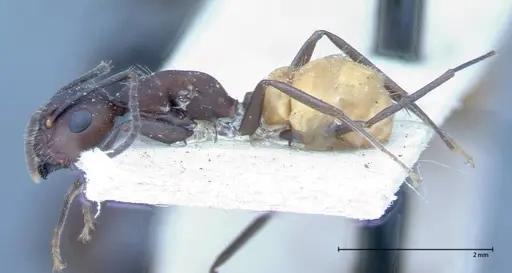
FOCOL0066-3
Voir sur AntWeb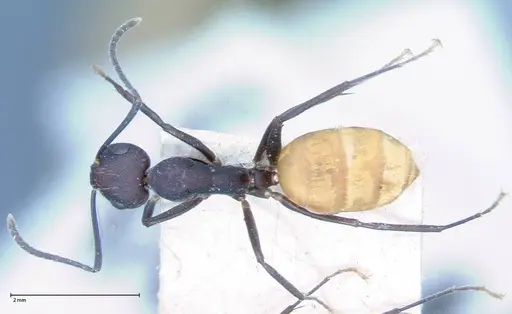
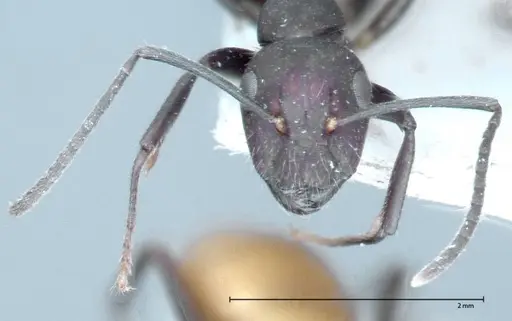
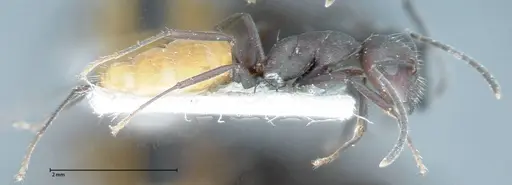
FOCOL0066-4
Voir sur AntWeb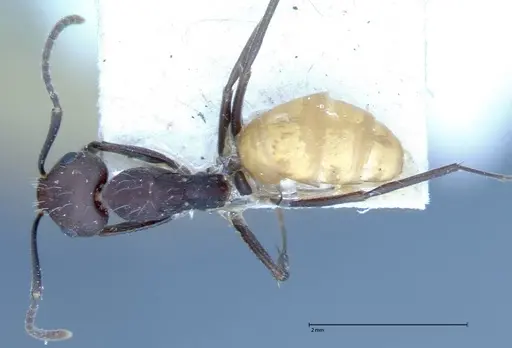
FOCOL0718-1
Voir sur AntWeb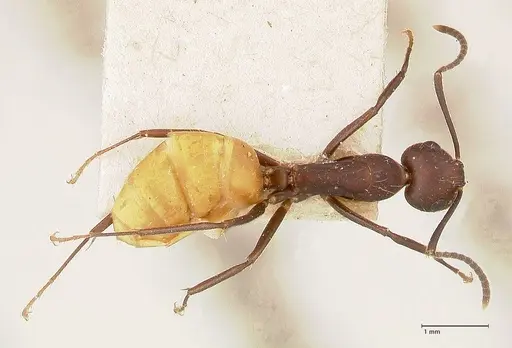
FOCOL0718-2
Voir sur AntWeb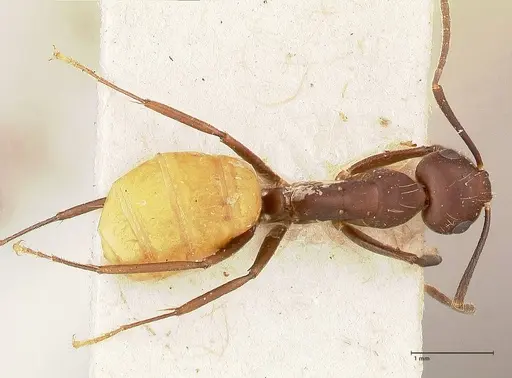
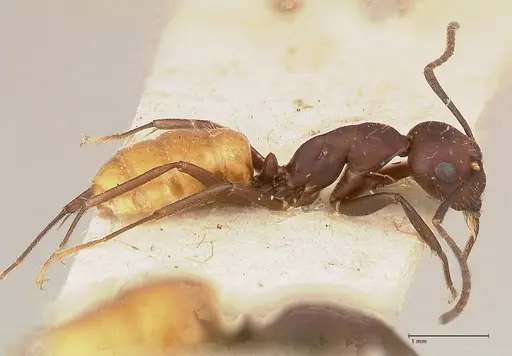
FOCOL0718-3
Voir sur AntWeb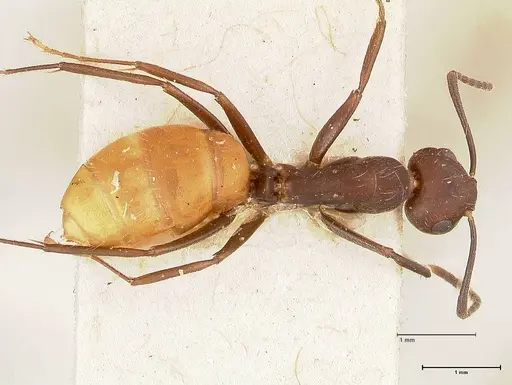
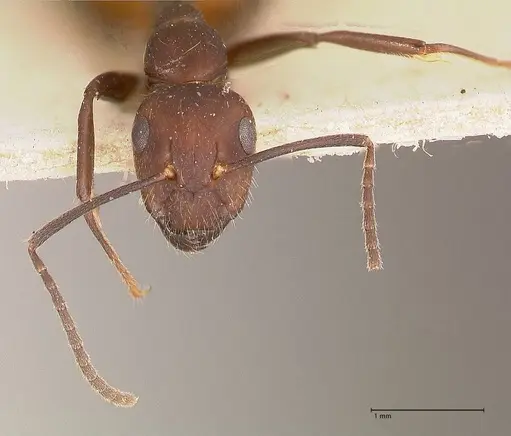
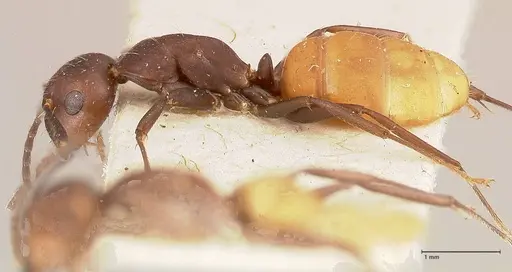
FOCOL0718-4
Voir sur AntWeb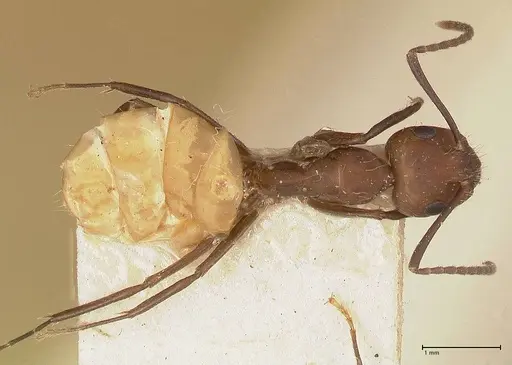
Littérature
Chargement de la carte de répartition...Chargement des produits...