
Camponotus echinoploides
- Nom sci.
- Camponotus echinoploides
- Sous-genre
- Mayria
- Tribu
- Camponotini
- Sous-famille
- Formicinae
- Auteur
- Forel, 1891
- Distribution
- Trouvé dans 1 pays
Introduction
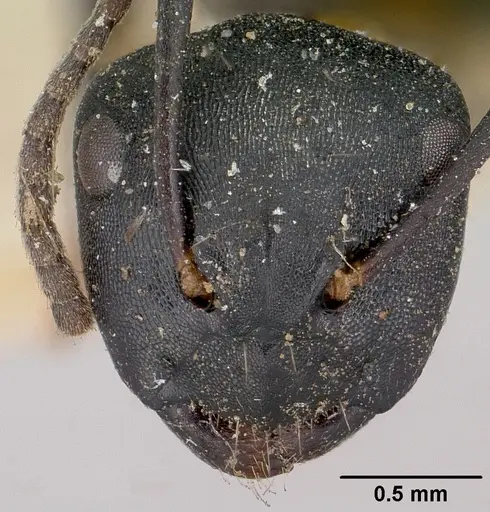
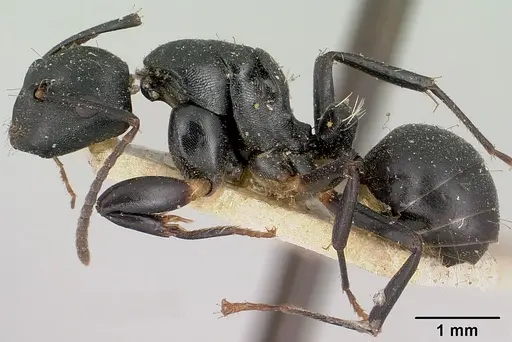
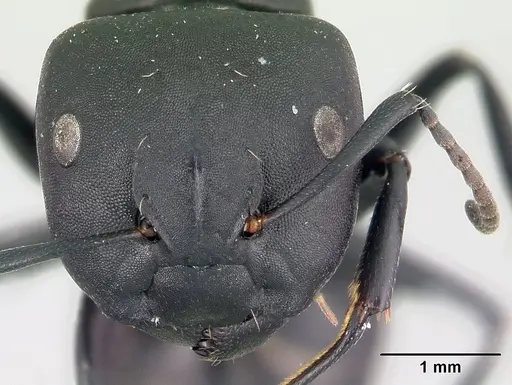
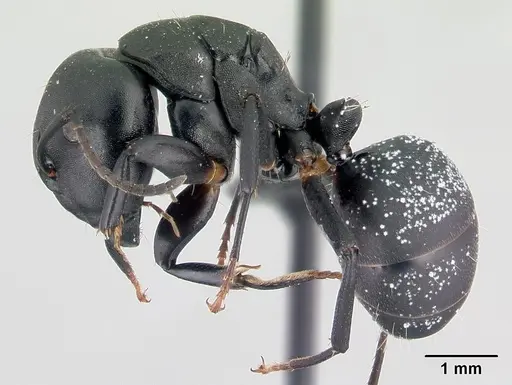
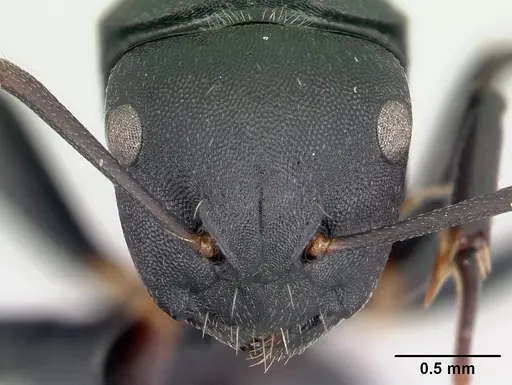
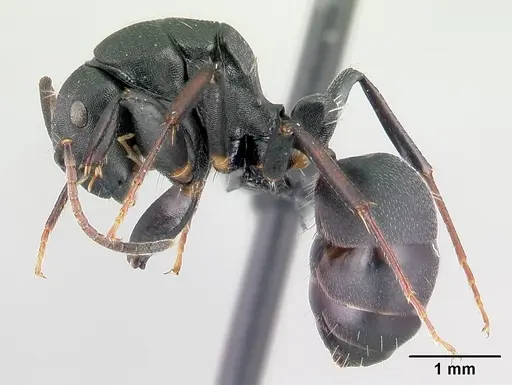
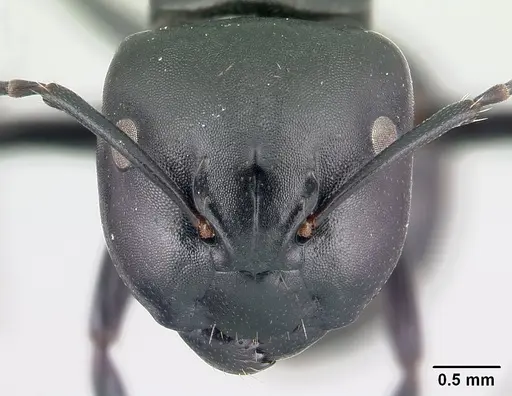
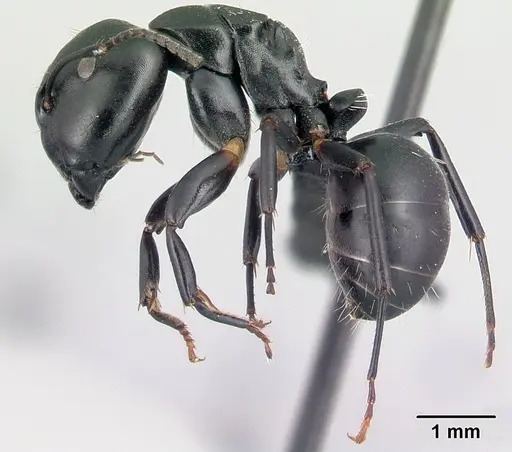
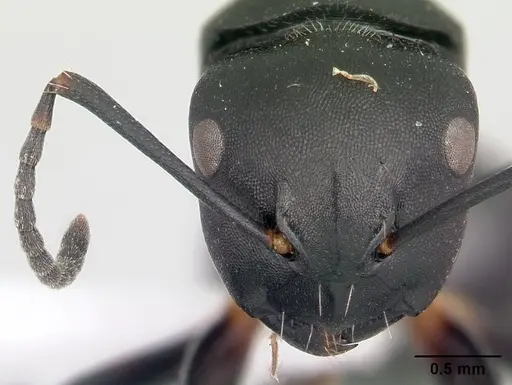
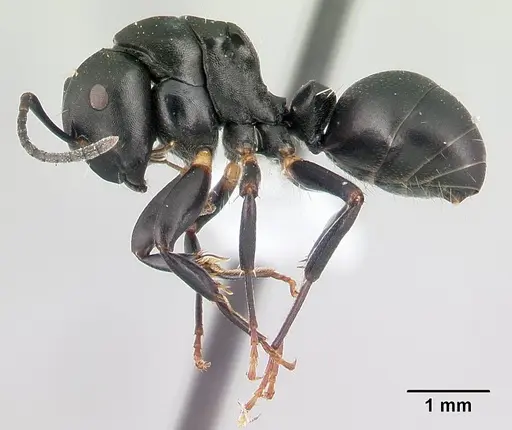
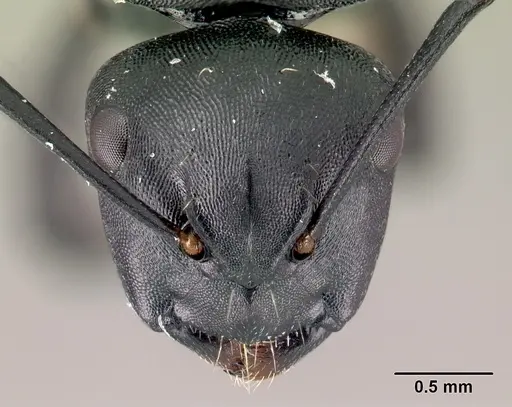
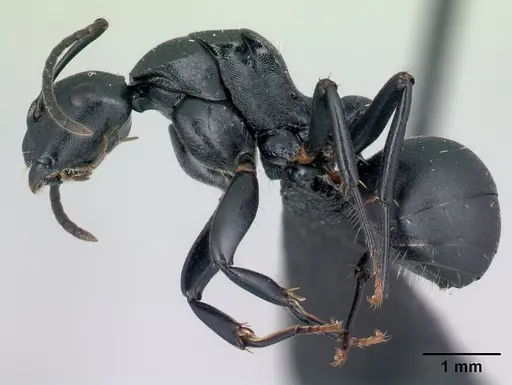
Camponotus echinoploides is an arboreal ant species endemic to Madagascar, belonging to the Camponotus edmondi species group. It has a distinctive morphology with a strongly compressed propodeum and a raised shield-like structure on the mesonotum. Size data is unavailable from research, but based on Camponotus genus patterns, workers are typically small to medium-sized. This species is found in eastern rainforests, transitional northern rainforests, relict montane rainforests in the central plateau, and southwest of Madagascar . This ant is arboreal, nesting in dead branches above ground and foraging on low vegetation, making it unique among Malagasy ants .
Quick Summary
- Difficulty: Medium
- Origin & Habitat: Endemic to Madagascar, found in eastern rainforest, transitional northern rainforest, relict montane rainforest in central plateau, and southwest of the island. Arboreal, nesting in dead branches and foraging on low vegetation [1][2].
- Colony Type: Colony structure is unconfirmed, but based on Camponotus patterns, likely single-queen colonies. However, specific social structure is not documented in the research.
- Size & Growth:
- Queen: Size data unavailable from research. Inferred from Camponotus genus, typically around 10-15 mm, but this is an estimate.
- Worker: Size data unavailable from research. Minor and major workers are distinguished by morphology, but exact measurements not provided [1].
- Colony: Up to several hundred workers in mature colonies, estimated from related species.
- Growth: Moderate
- Development: Estimated 6-8 weeks at optimal temperature, inferred from Camponotus patterns. (Development time is species-specific but not documented, inferred from genus.)
- Antkeeping:
- Temperature: Keep warm at 22-26°C, as inferred from tropical rainforest habitat. No specific data in research [1].
- Humidity: Maintain moderate to high humidity, with dry nesting chambers and humid outworld, as typical for arboreal species [2].
- Diapause: Unknown, but as a tropical species, diapause is likely not required.
- Nesting: Arboreal nesting preference, use Y-tong, plaster nests with cork, or naturalistic setups with branches [1][2].
- Behavior: Generally calm and non-aggressive. Workers forage on vegetation and branches. They spray formic acid as a defense mechanism, typical of Formicinae.
- Common Issues: mold can develop if ventilation is poor, ensure adequate airflow., balance humidity between dry nest and humid outworld to prevent stress., wild-caught colonies may have parasites that affect survival., slow initial growth requires patience during founding phase., temperature drops below 20°C can slow brood development, keep warm year-round.
Housing and Nest Setup
Camponotus echinoploides is an arboreal species that naturally nests in dead branches above ground, so your setup should reflect this preference. Y-tong (AAC) nests work well because they provide dry, chamber-like environments. You can also use plaster nests with cork inserts or naturalistic setups with wooden branches. The key is to provide narrow chambers scaled to their size, with the nest area kept relatively dry while the outworld has access to moisture. Test tubes can work for founding colonies, but plan to move to a permanent setup once the colony reaches 20-30 workers. Ensure good escape prevention, as they may exploit gaps [1][2].
Feeding and Diet
These ants are omnivorous and accept a variety of foods. Offer sugar water, honey, or diluted maple syrup as a constant energy source. For protein, provide insects such as fruit flies, small crickets, or mealworms. Feed protein 2-3 times per week, adjusting based on colony consumption. Remove uneaten prey after 24-48 hours to prevent mold. Fresh fruit can occasionally be offered but is not required.
Temperature and Seasonal Care
As a tropical species from Madagascar's rainforests, keep temperatures around 22-26°C. Use a heating cable or mat on one side of the nest if room temperature falls below this range. They do not require hibernation, but may show reduced activity during cooler periods. Temperatures should never drop below 18°C for extended periods [1].
Humidity and Water
Maintain moderate to high humidity in the outworld while keeping the nest relatively dry. This arboreal species naturally experiences drier conditions inside branch nests. Provide a water tube or cotton ball with fresh water at all times. Mist the outworld occasionally, but avoid wetting the nest chambers. Balance is key to prevent mold and ensure brood development [2].
Colony Development and Growth
Colony growth is moderate. First workers (nanitics) appear within 6-8 weeks under optimal conditions. Major workers with distinctive morphology emerge as the colony establishes. Colonies can reach several hundred workers, but growth depends on temperature and feeding. Be patient during the founding phase to avoid disturbance [1].
Behavior and Temperament
Workers are generally calm and non-aggressive. They forage on vegetation and branches, and communicate through chemical trails. As a defense mechanism, they spray formic acid, typical of Formicinae. Major workers help process larger prey and defend the nest. Provide climbing structures in the outworld for enrichment [1][2].
Defense Mechanism
Camponotus echinoploides lacks a functional sting. Instead, it bites targets and sprays concentrated formic acid from an acidopore, a common defense in Formicinae ants.
Frequently Asked Questions
How long does it take for Camponotus echinoploides to produce first workers?
Expect first workers in about 6-8 weeks under optimal warm conditions (22-26°C), inferred from Camponotus patterns [1].
What size nest do I need for Camponotus echinoploides?
Start with a test tube setup for the founding queen. Once the colony reaches 20-30 workers, move to a Y-tong or plaster nest with small to medium chambers. They prefer dry nesting chambers [1][2].
What temperature do Camponotus echinoploides need?
Keep them warm at 22-26°C, as inferred from their tropical rainforest habitat [1].
Are Camponotus echinoploides good for beginners?
They are rated as medium difficulty due to temperature and humidity requirements. Beginners should ensure they can maintain consistent warmth before keeping this species.
How big do Camponotus echinoploides colonies get?
Mature colonies can reach up to several hundred workers, estimated from related species [1].
Do Camponotus echinoploides need hibernation?
No, as a tropical species, diapause is likely not required, but this is unconfirmed in research.
What do Camponotus echinoploides eat?
They are omnivorous. Offer sugar water or honey constantly, and protein insects 2-3 times per week.
Can I keep multiple Camponotus echinoploides queens together?
This species is likely monogyne, but social structure is unconfirmed. Combining unrelated queens is not recommended as they may fight.
Why is my Camponotus echinoploides colony not growing?
Check temperatures are warm enough (22-26°C), humidity is balanced, and the queen is undisturbed. Slow growth can be normal for Camponotus species.
Report an Issue
The current care sheet is based fully on literature. See inconsistencies, or something that's incorrect? Please , it will be resolved after review from an admin. Contributing to the blogs tab also helps providing information, to make us be able to further improve the caresheets. Thank you for your support!
References

Cette fiche d'élevage est sous licence CC BY-SA 4.0 .
Blogs de la communauté
CASENT0101379
Voir sur AntWeb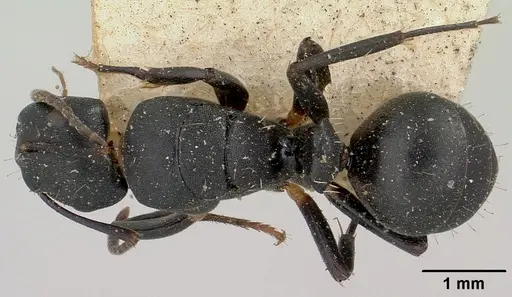
CASENT0107632
Voir sur AntWeb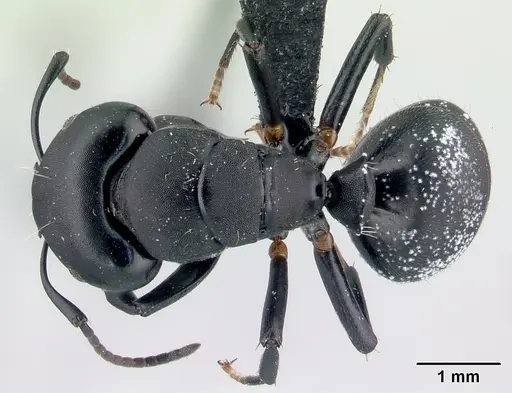
CASENT0179462
Voir sur AntWeb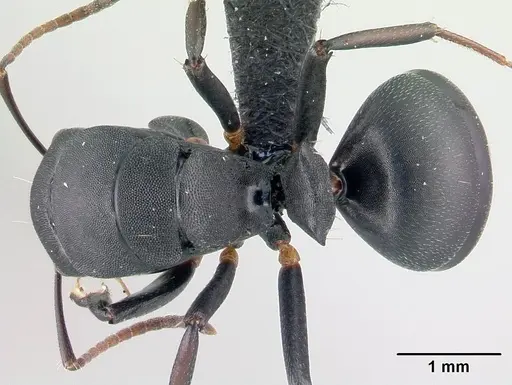
CASENT0409169
Voir sur AntWeb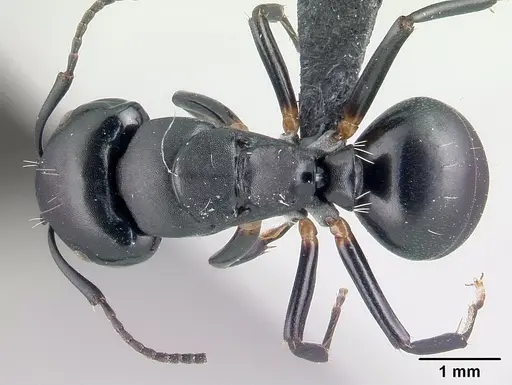
CASENT0409171
Voir sur AntWeb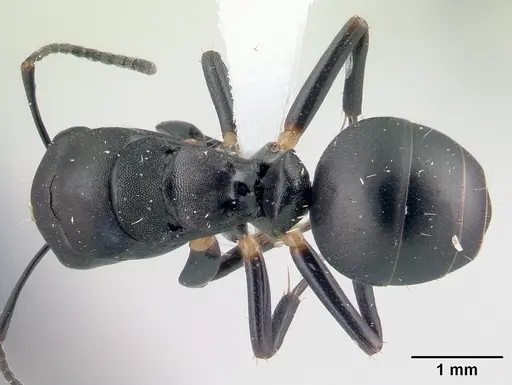
CASENT0488700
Voir sur AntWeb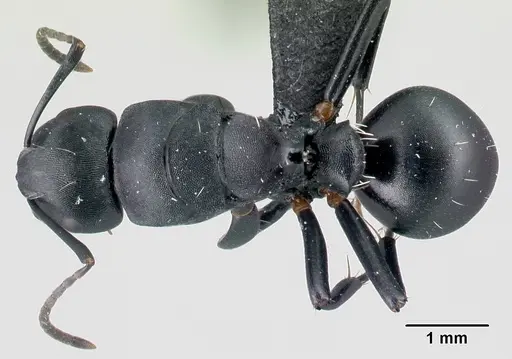
Littérature
Chargement de la carte de répartition...Chargement des produits...