
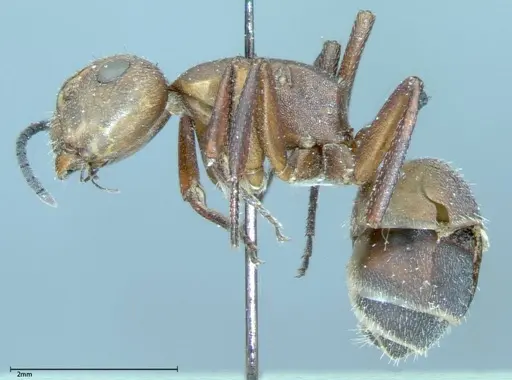
Dufour's Sugar ant
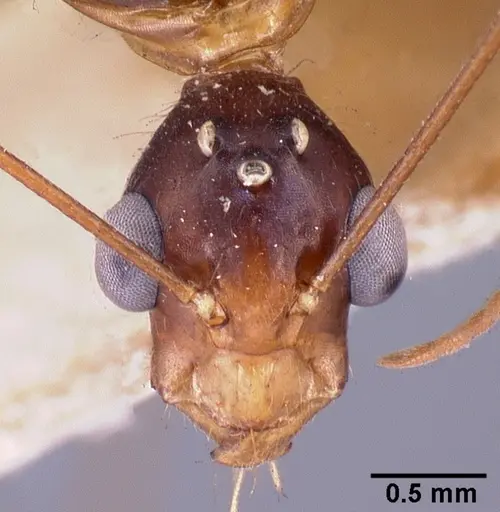
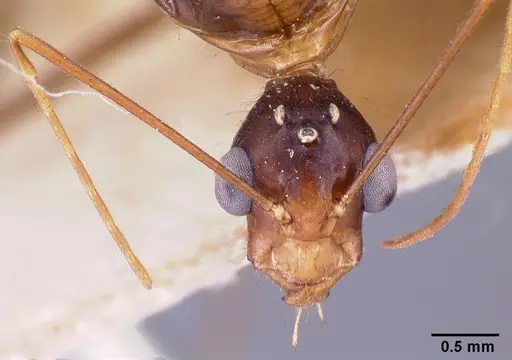
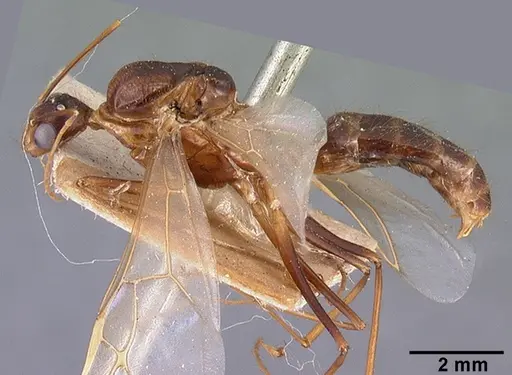
Camponotus dufouri
- Nom sci.
- Camponotus dufouri
- Sous-genre
- Myrmosaga
- Tribu
- Camponotini
- Sous-famille
- Formicinae
- Auteur
- Forel, 1891
- Nom Commun
- Dufour's Sugar ant
- Distribution
- Trouvé dans 1 pays
Introduction
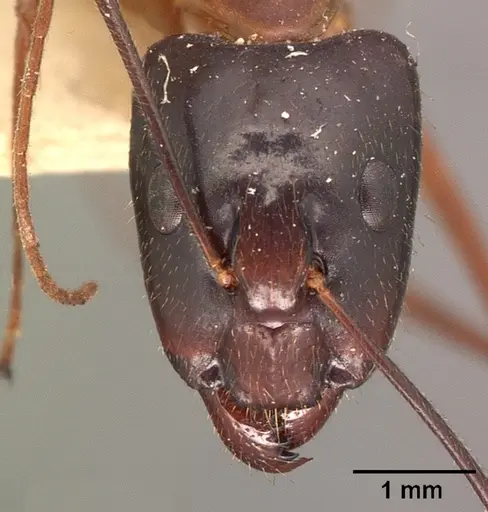
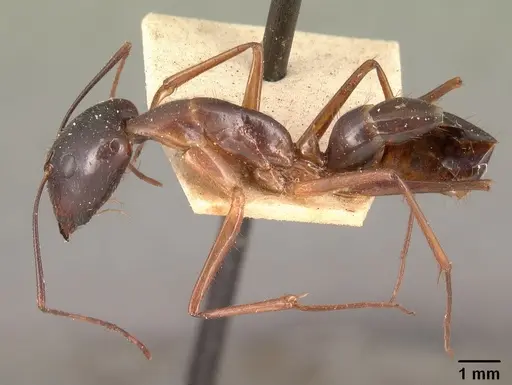
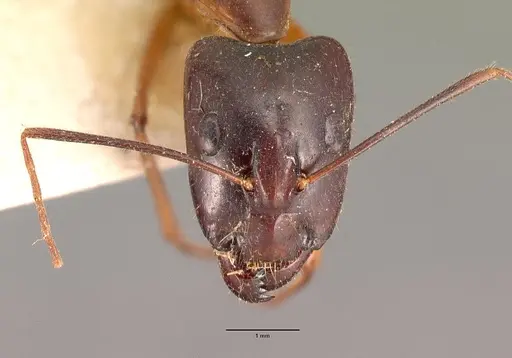
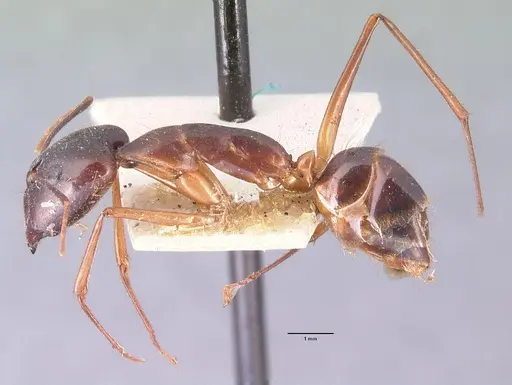
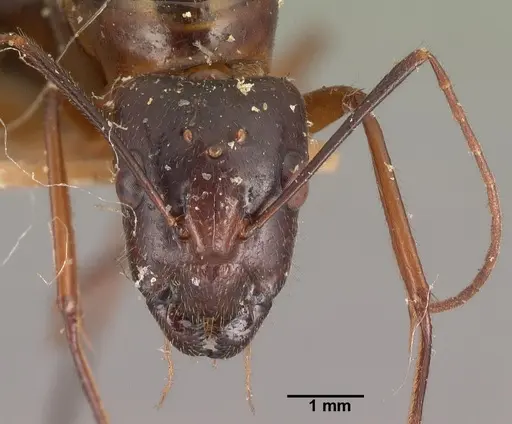
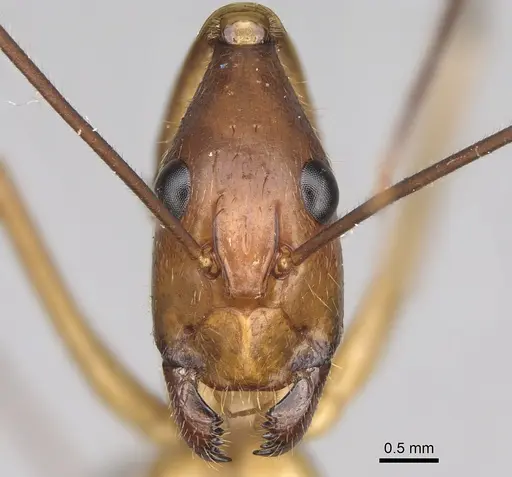
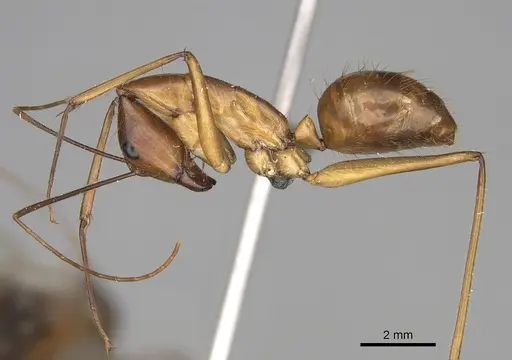
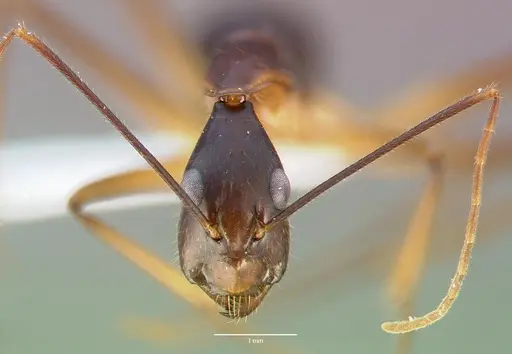
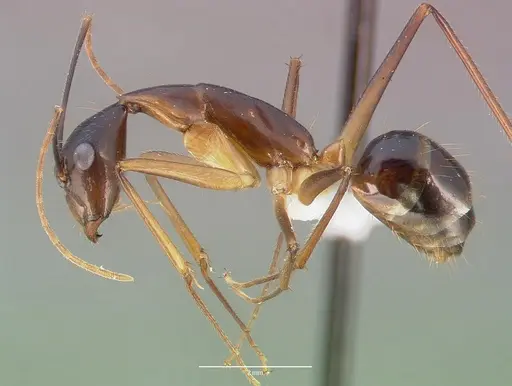
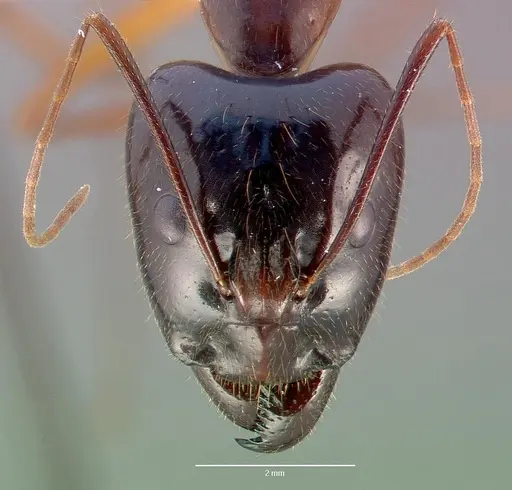
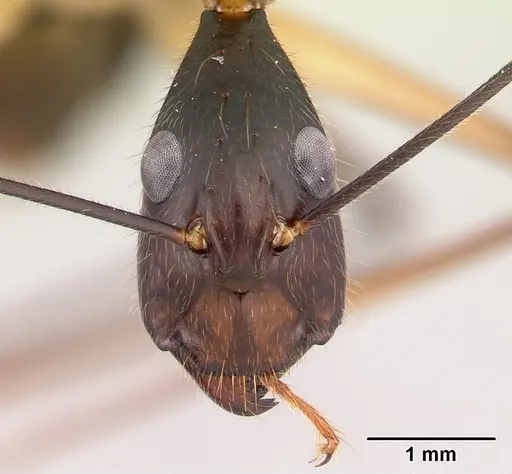
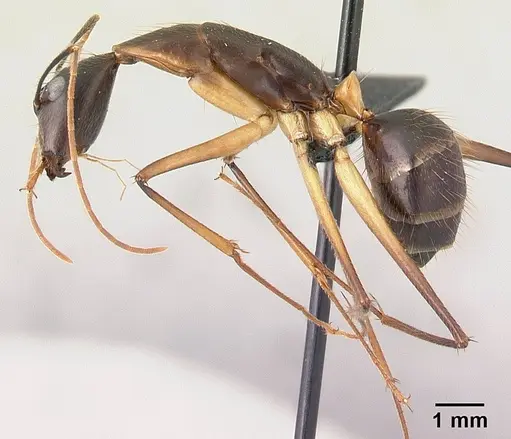
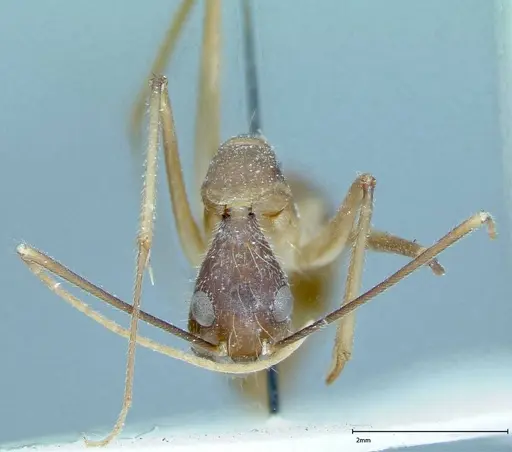
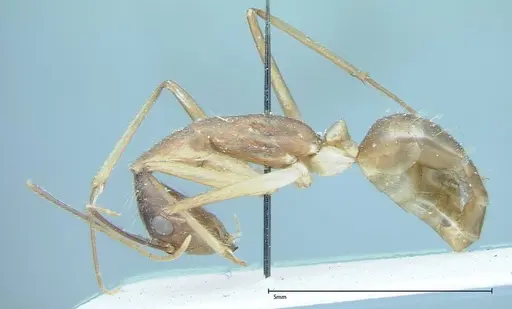
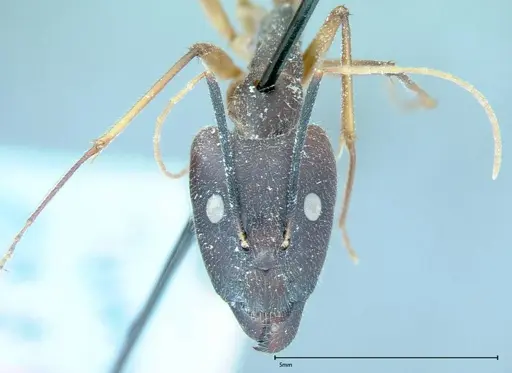
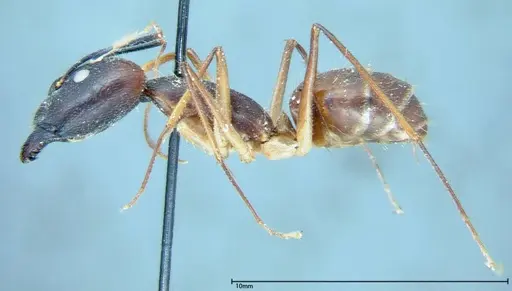
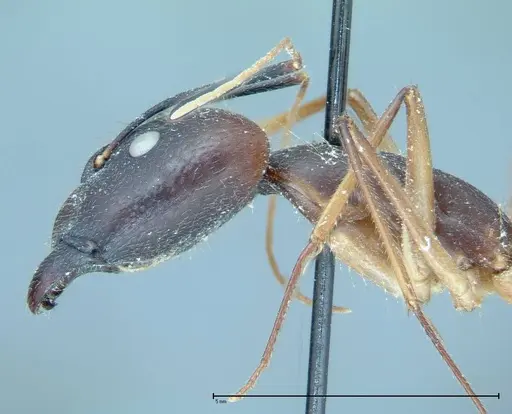
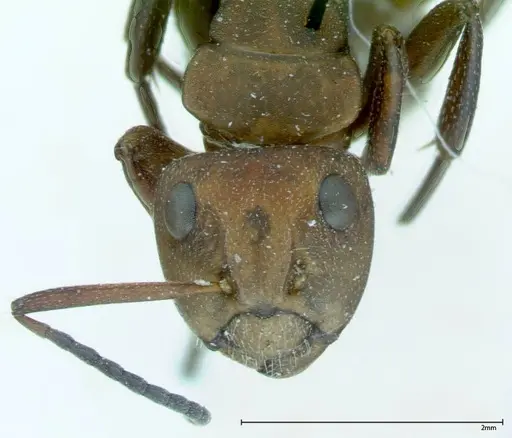
Camponotus dufouri is a dimorphic ant species native only to Madagascar, belonging to the subgenus Myrmosaga. This ant is found exclusively in Madagascar's eastern humid forests, ranging from coastal littoral zones to montane rainforests. Colonies nest in rotting wood - primarily fallen logs, dead sticks, and tree stumps - with workers actively foraging through leaf litter and on the ground surface. The species was originally described in 1891 and was recently revised in 2022,which synonymized the former subspecies C. dufouri imerinensis .
Quick Summary
- Difficulty: Medium
- Origin & Habitat: Eastern humid forests of Madagascar, from coastal littoral zones to montane rainforests. Nests in rotting wood including fallen logs, dead sticks, and tree stumps [1].
- Colony Type: Colony structure is unconfirmed. Typical Camponotus patterns suggest single-queen colonies, but specific documentation for this species is lacking.
- Size & Growth:
- Queen: Size data unavailable, no total length measurements exist for this species
- Worker: Size data unavailable, no total length measurements exist. The species is dimorphic with major and minor workers [1]
- Colony: Likely reaches several thousand workers at maturity based on typical Camponotus colony sizes
- Growth: Moderate, typical for tropical Camponotus
- Development: Development timeline is unconfirmed for this species (Based on typical Camponotus patterns, expect several months from egg to first worker at warm temperatures)
- Antkeeping:
- Temperature: Keep at 24-28°C, these are tropical ants from Madagascar's warm humid forests. A heating cable on one side of the nest creates a gentle gradient
- Humidity: Requires high humidity (60-80%). Keep nest substrate consistently moist but not waterlogged. Their natural habitat in humid forests means they need damp conditions, mist occasionally and provide a water tube [1][4]
- Diapause: No, as a tropical species from Madagascar, they do not require hibernation. Maintain warm temperatures year-round
- Nesting: Best in wood-based nests like Y-tong (AAC) or plaster nests that mimic their natural rotting wood habitat. Provide damp substrate. Test tubes can work for founding but colonies will need more space quickly [1]
- Behavior: Workers are active foragers that search through leaf litter and decaying wood for food. As Formicinae ants, they lack a functional sting but will bite and spray formic acid from their acidopore if threatened. Major workers serve as soldiers/defenders and can crack larger food items. Like most Camponotus, they are moderate escape artists, use standard barrier methods but their larger size makes them easier to contain than tiny ants. They tend to be more active during warmer hours and may reduce activity if temperatures drop
- Common Issues: humidity control is critical, too dry and colonies stagnate or die, especially during founding, rotting wood nests can mold if ventilation is poor, balance humidity with airflow, colonies grow slowly initially, beginners may lose patience and overfeed or disturb too much, wild-caught colonies may have parasites or diseases that cause captive failures, major workers are large but still need proper escape prevention, they can climb smooth surfaces
Housing and Nest Setup
Camponotus dufouri does well in nests that mimic their natural rotting wood habitat. Y-tong (AAC) nests work excellently, the porous material holds humidity well and provides the dark, enclosed spaces these ants prefer. Plaster nests are another good option. For founding colonies, a test tube setup with a water reservoir works, but be prepared to move them to a proper nest once the colony reaches 15-20 workers. The nest should be kept humid, think damp forest floor. Place the nest in a darker area of your ant room, as these forest-dwelling ants prefer subdued lighting. An outworld (foraging area) should be simple: a plastic container with fluon barriers on the edges to prevent escapes. Add a small water tube and feeding dish. Because they nest in rotting wood, you might consider adding a small piece of damp wood or cork to the outworld as enrichment. [1]
Feeding and Diet
Like most Camponotus species, C. dufouri is omnivorous with a preference for protein-rich foods. Feed them small insects like fruit flies, pinhead crickets, or mealworms, size appropriate to the worker caste. Major workers can tackle larger prey. Sugar sources are important too: offer diluted honey, sugar water, or special ant nectar products. A constant sugar water feeder works well. Feed protein 2-3 times per week, removing any uneaten prey after 24 hours. The frequency can increase as your colony grows. These ants are foragers that hunt through leaf litter in the wild, so they appreciate live prey occasionally, flightless fruit flies are perfect enrichment. Remove moldy food promptly to prevent issues.
Temperature and Seasonal Care
As a tropical species from Madagascar, C. dufouri needs warm temperatures year-round. Keep the nest area at 24-28°C (75-82°F). A small heating cable or heat mat under one end of the nest creates a temperature gradient so ants can choose their comfort zone. Avoid temperatures below 20°C for extended periods, this species has no cold tolerance and chilling can kill colonies. Room temperature in most homes (20-24°C) may be marginal, supplemental heating is often necessary. There is no diapause or hibernation requirement, maintain consistent warmth throughout the year. Sudden temperature drops should be avoided. If your room is naturally cooler, consider a dedicated ant incubator or heating setup. [1][4]
Humidity Management
Camponotus dufouri comes from Madagascar's humid forests, so moisture is critical. Keep the nest substrate consistently damp, it should feel moist to touch but not have standing water. A water tube connected to a cotton wick works well for passive humidity. Check the nest daily during the first few weeks to understand how quickly it dries in your setup. Mist the nest area occasionally, but avoid excessive condensation which can drown brood. If you see workers clustering near the water source, increase moisture. If they avoid certain areas and the substrate looks dried, add water. The key is balance, too dry and brood dies, too wet and mold becomes a problem. Good ventilation helps prevent mold while maintaining humidity. [1]
Colony Development and Growth
A newly mated queen will seal herself into a small chamber and lay eggs without foraging, this is typical claustral founding behavior for Camponotus, though not specifically documented for this species. She will lay eggs initially and tend them herself. The first workers (nanitics) will be smaller than normal workers and emerge after several months at warm temperatures. After the nanitics hatch, the queen stops caring for brood directly, workers take over all colony tasks. Growth is moderate: expect the colony to reach 50 workers within 6 months to a year under good conditions. Larger colonies can eventually reach several thousand workers, but this takes several years. Major workers (soldiers) appear once the colony is established, typically when there are 50+ workers. Patience is key, Camponotus are not fast growers but can live for many years once established.
Frequently Asked Questions
How long does it take for Camponotus dufouri to get their first workers?
Development timeline is unconfirmed for this species. Based on typical Camponotus patterns, expect several months from egg to first worker at optimal temperature (24-28°C).
What temperature do Camponotus dufouri ants need?
Keep them at 24-28°C (75-82°F). These tropical ants need warmth year-round. A heating cable on one side of the nest creates a gradient. Avoid temperatures below 20°C.
Do Camponotus dufouri ants need hibernation?
No. As a tropical species from Madagascar, they do not require hibernation or winter cooling. Keep them warm year-round.
What do Camponotus dufouri ants eat?
Feed them protein (small insects like fruit flies, pinhead crickets, mealworms) 2-3 times per week, plus a constant sugar source (honey water or sugar water). They are omnivorous foragers.
How big do Camponotus dufouri colonies get?
Likely several thousand workers at maturity, typical of Camponotus species. This takes several years to reach. They are dimorphic with major and minor workers.
Are Camponotus dufouri good for beginners?
They are medium difficulty. The main challenges are maintaining proper humidity and warmth. If you can provide a humid, warm environment and are patient with their moderate growth rate, they are manageable for intermediate antkeepers.
What type of nest is best for Camponotus dufouri?
Y-tong (AAC) or plaster nests work well, they mimic the rotting wood habitat these ants naturally use. The nest material should hold humidity well. Test tubes work for founding but need upgrading as the colony grows.
Can I keep multiple Camponotus dufouri queens together?
Colony structure is unconfirmed for this species. Based on typical Camponotus patterns, single-queen colonies are most common. Combining unrelated queens is not recommended as they would likely fight.
Where is Camponotus dufouri found?
Only in Madagascar, specifically in the eastern humid forests ranging from coastal areas to montane rainforests. They nest in rotting wood on the forest floor.
Report an Issue
The current care sheet is based fully on literature. See inconsistencies, or something that's incorrect? Please , it will be resolved after review from an admin. Contributing to the blogs tab also helps providing information, to make us be able to further improve the caresheets. Thank you for your support!
References

Cette fiche d'élevage est sous licence CC BY-SA 4.0 .
Blogs de la communauté
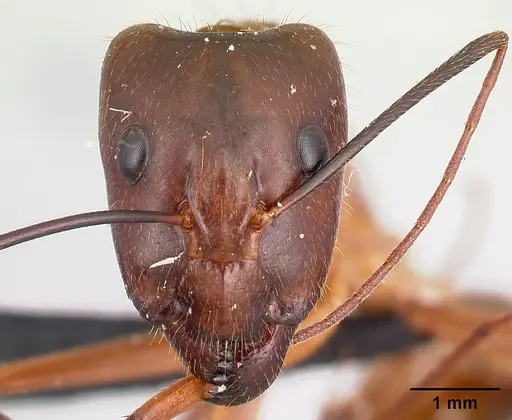
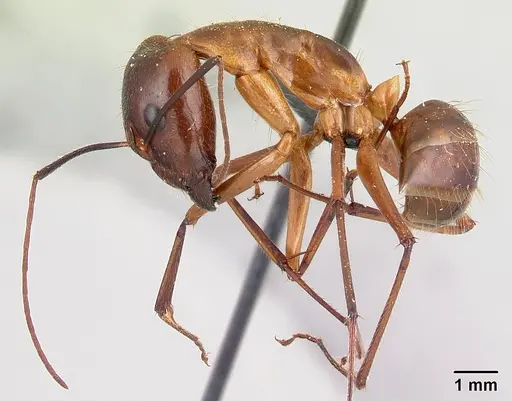
CASENT0060457
Voir sur AntWeb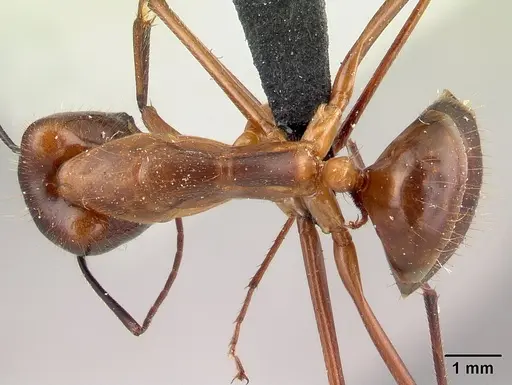
CASENT0060837
Voir sur AntWeb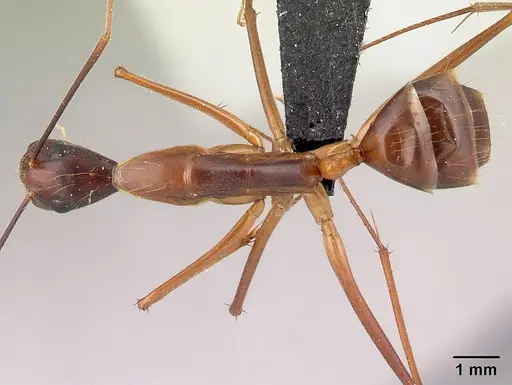
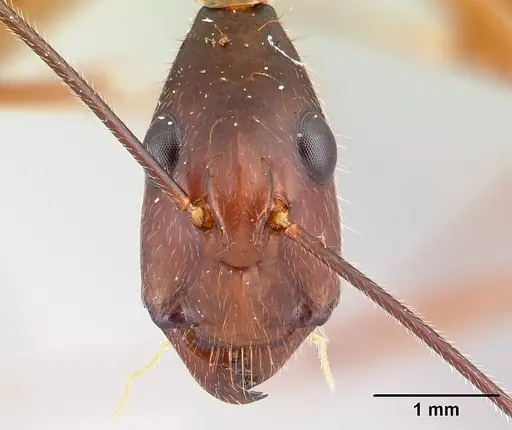
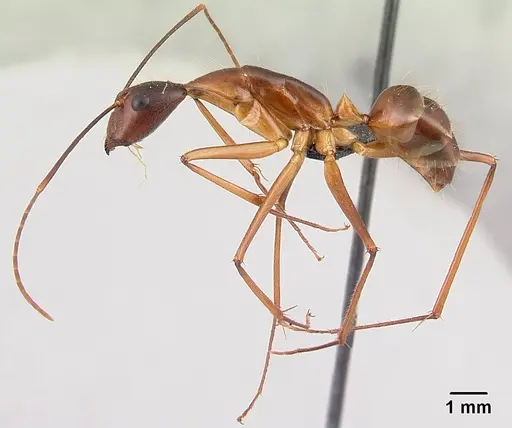
CASENT0101644
Voir sur AntWeb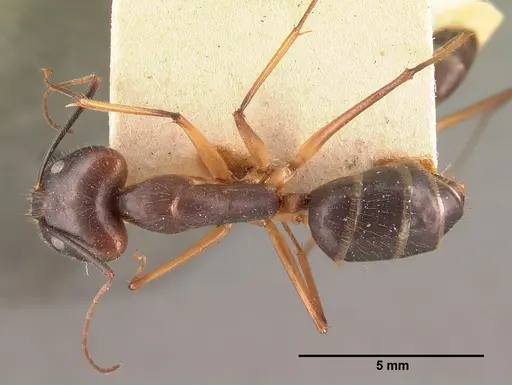
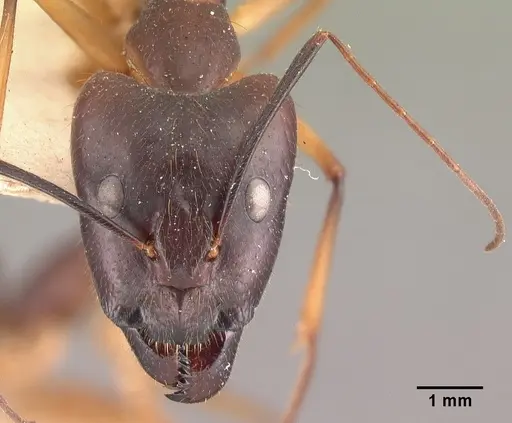
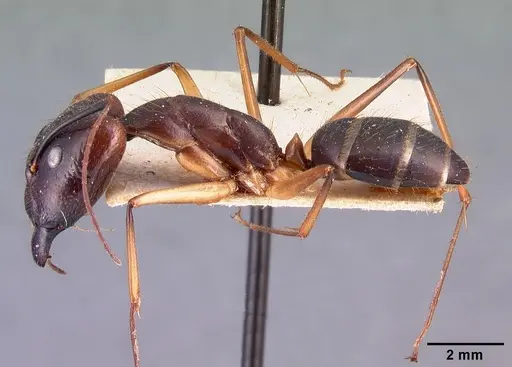
CASENT0101669
Voir sur AntWeb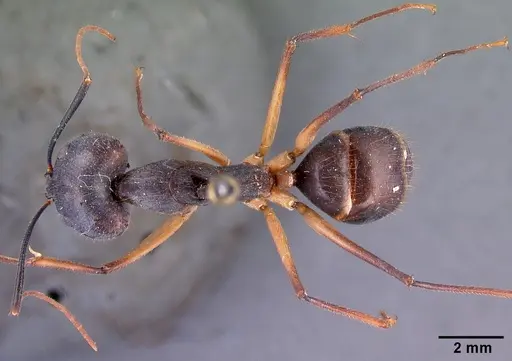
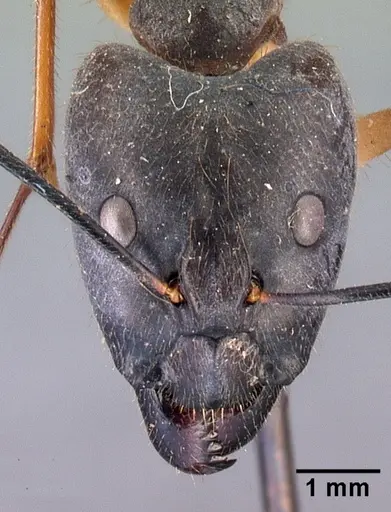
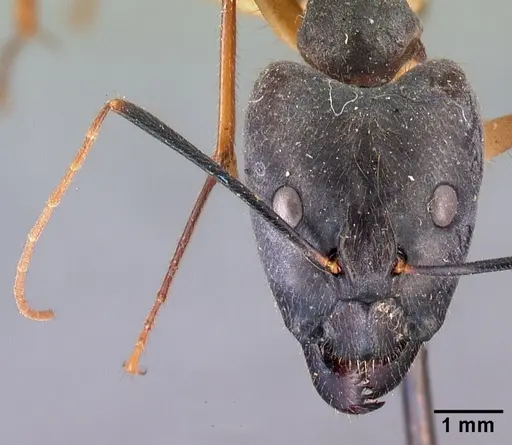
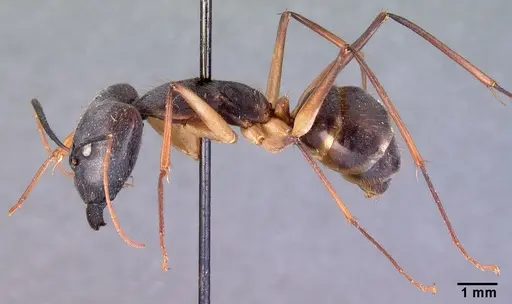
CASENT0101679
Voir sur AntWeb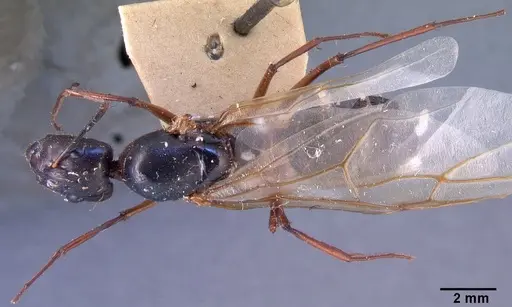
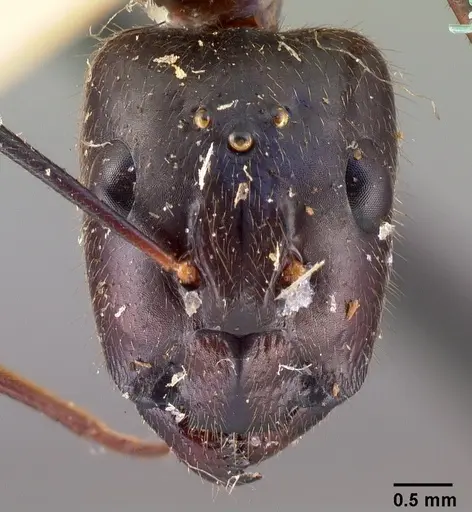
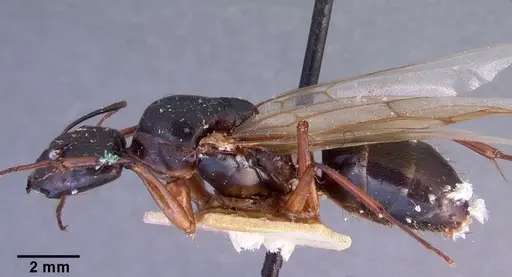
CASENT0101685
Voir sur AntWeb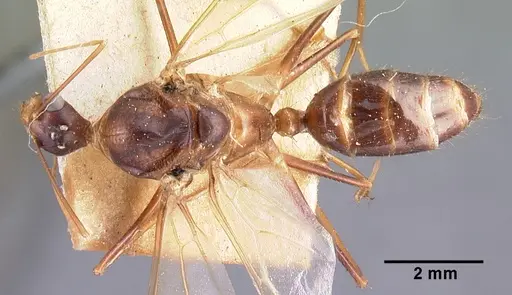
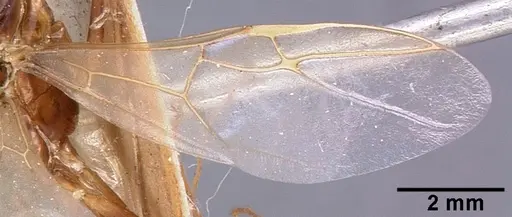
CASENT0101812
Voir sur AntWeb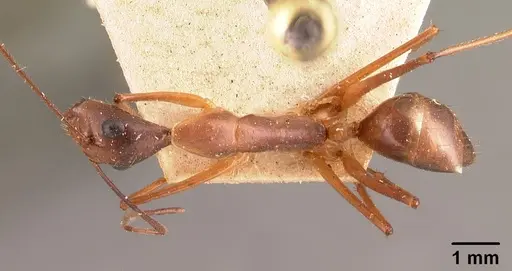
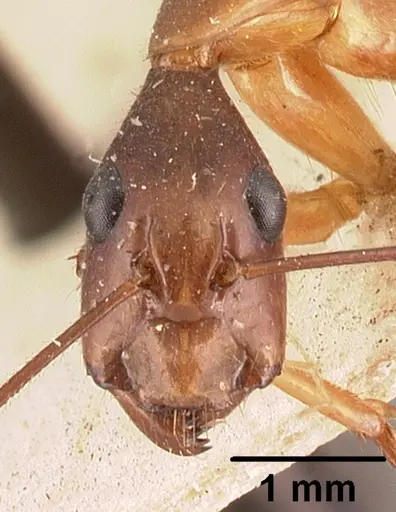
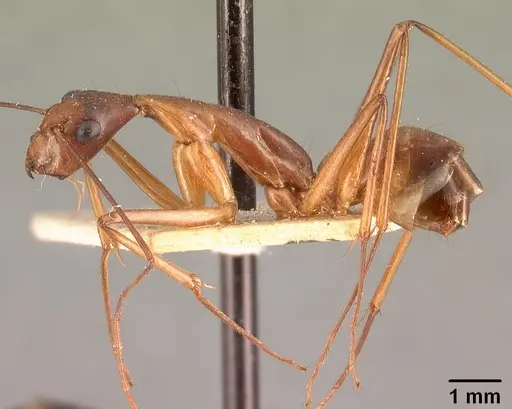
CASENT0101828
Voir sur AntWeb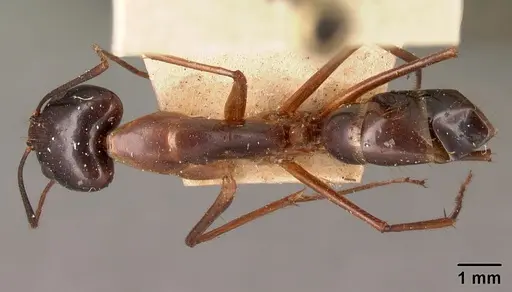
CASENT0101919
Voir sur AntWeb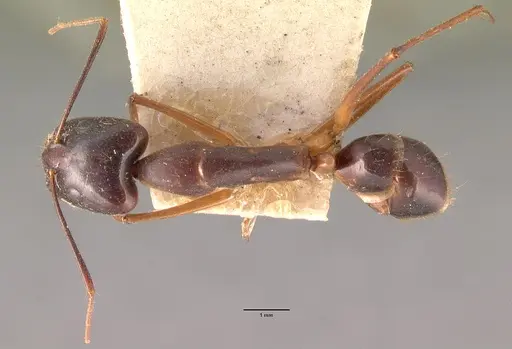
CASENT0101942
Voir sur AntWeb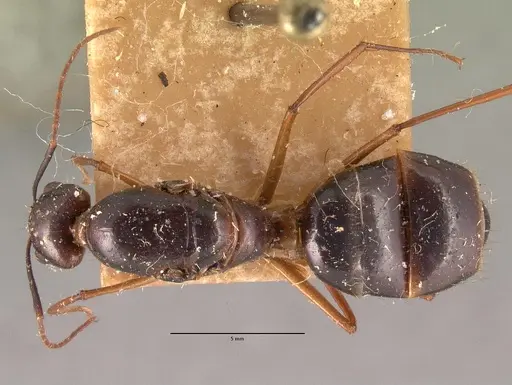
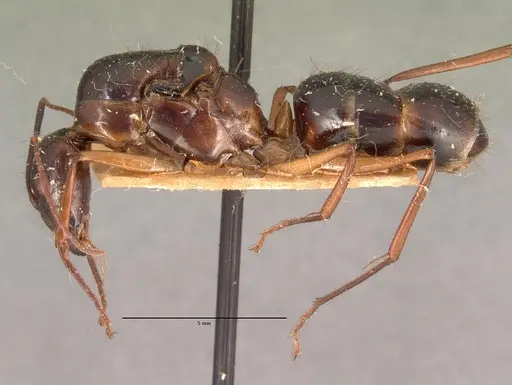
CASENT0121884
Voir sur AntWeb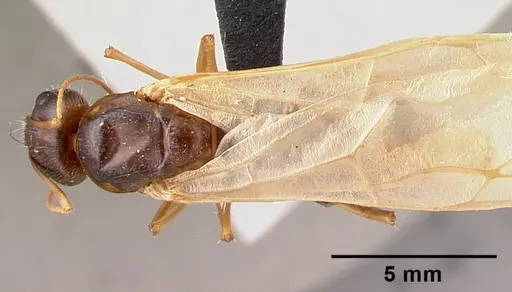
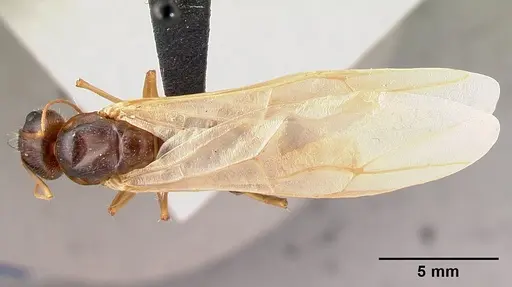
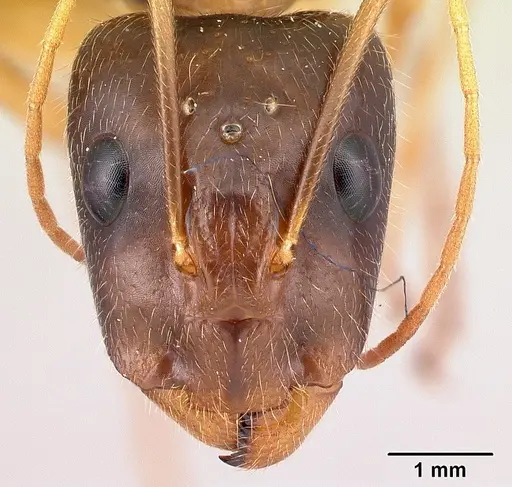
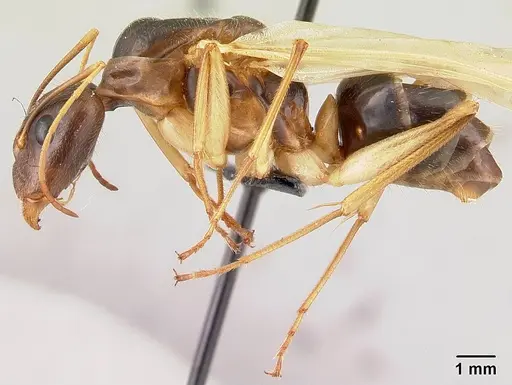
CASENT0121886
Voir sur AntWeb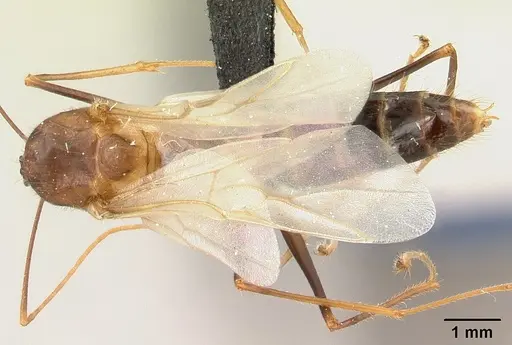
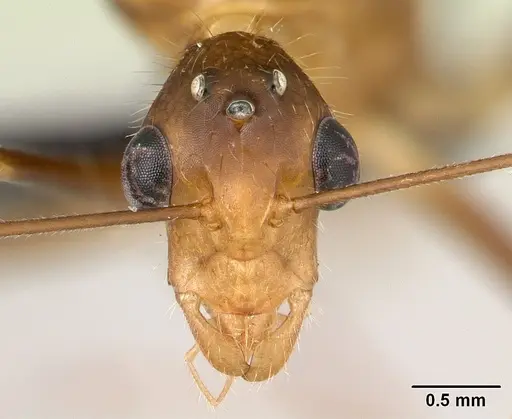
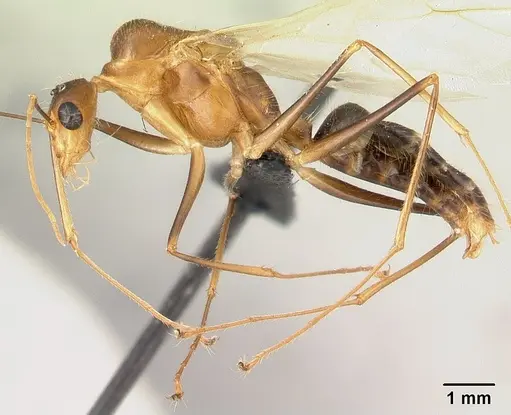
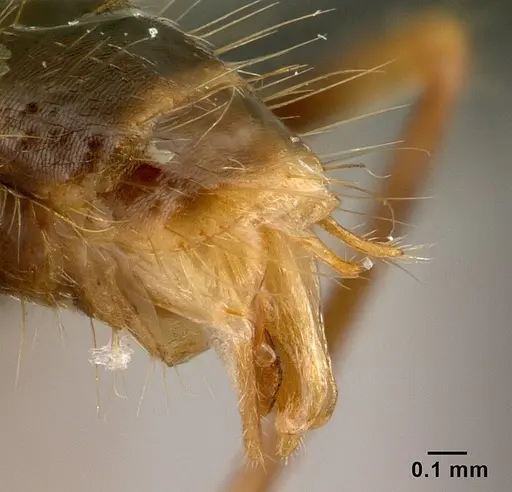
CASENT0145292
Voir sur AntWeb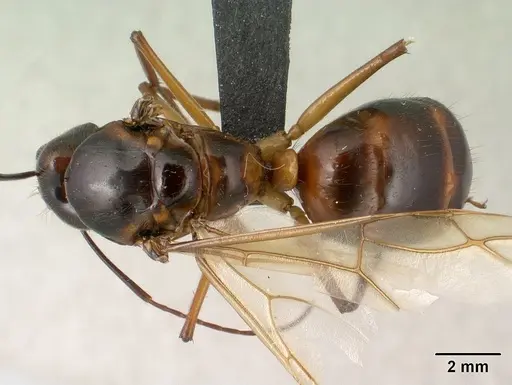
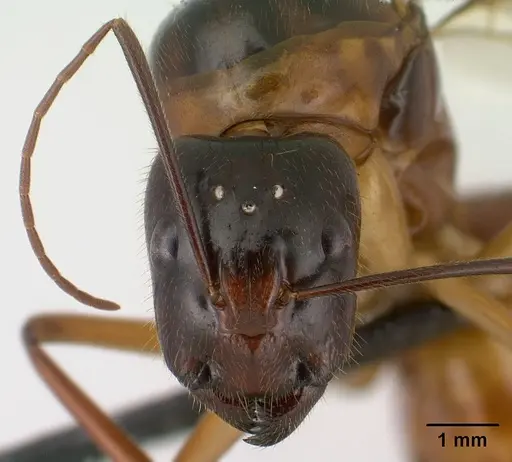
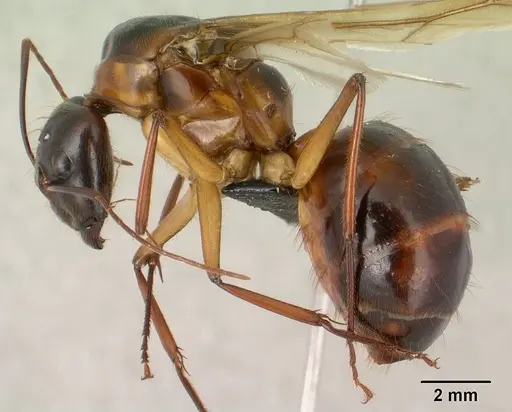
CASENT0191867
Voir sur AntWeb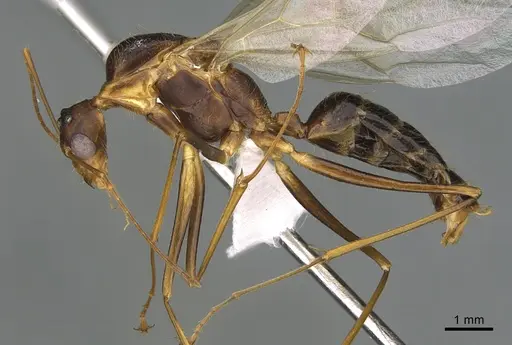
CASENT0191868
Voir sur AntWeb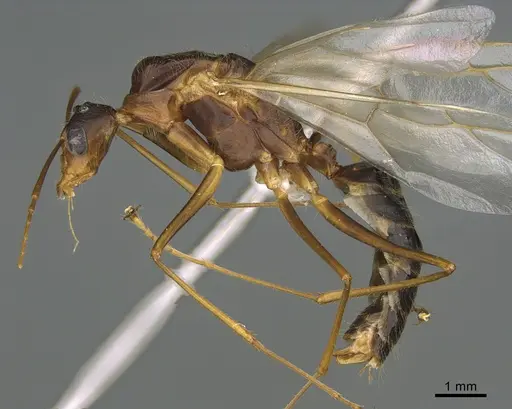
CASENT0191884
Voir sur AntWeb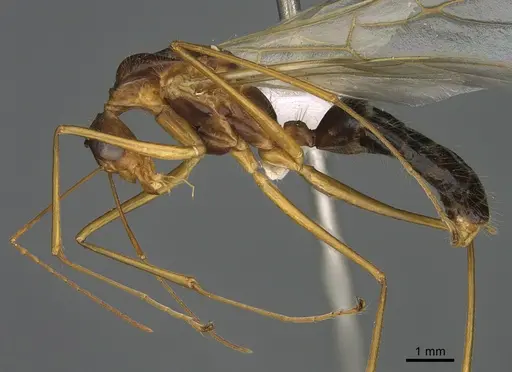
CASENT0192117
Voir sur AntWeb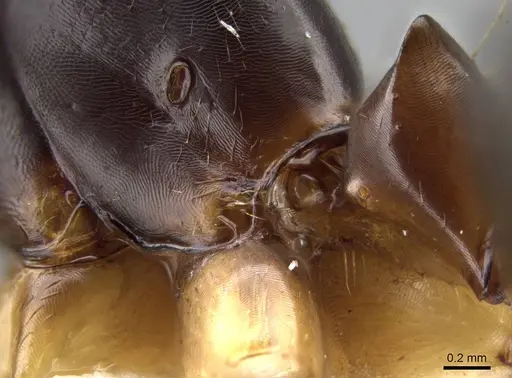
CASENT0274127
Voir sur AntWeb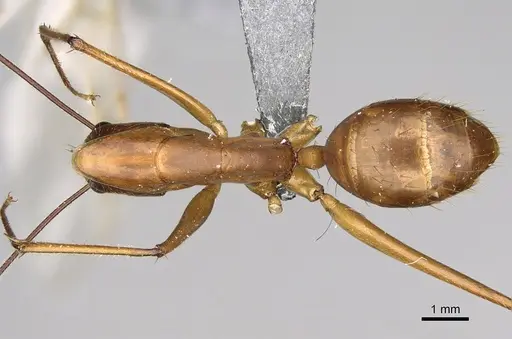
CASENT0409179
Voir sur AntWeb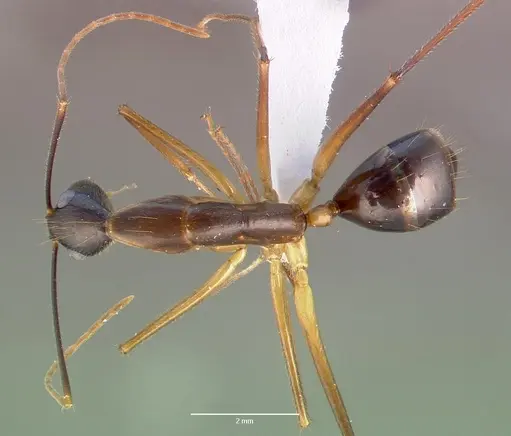
CASENT0409180
Voir sur AntWeb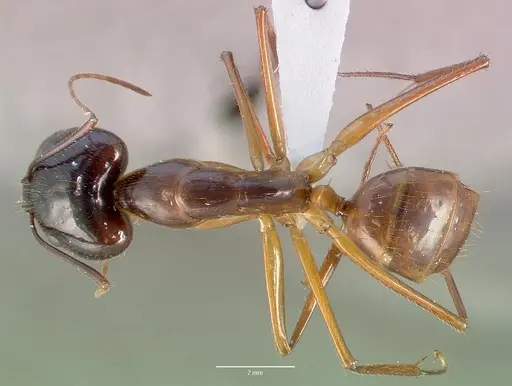
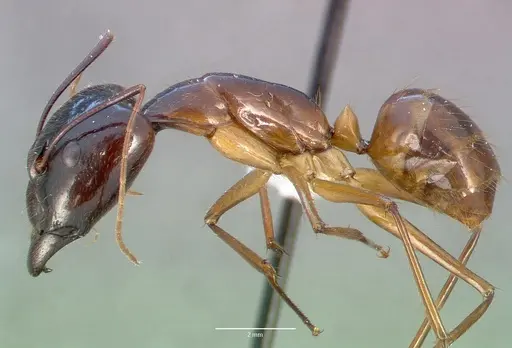
CASENT0487725
Voir sur AntWeb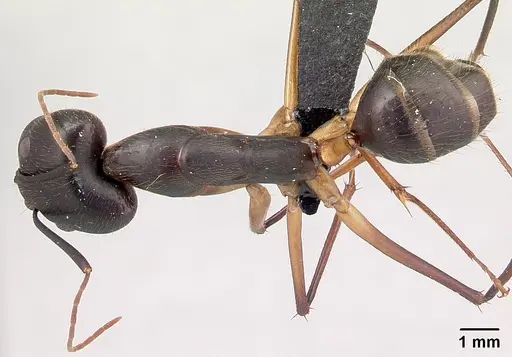
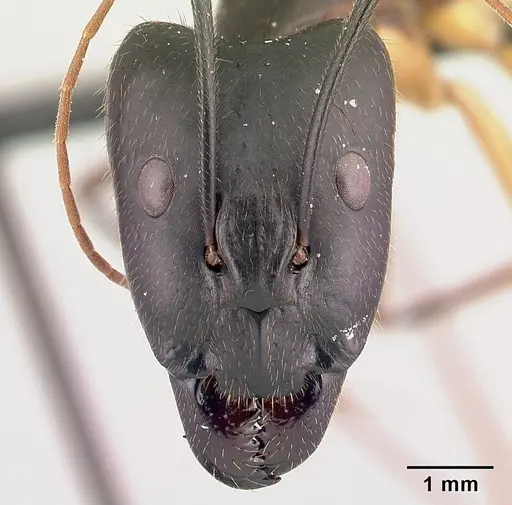
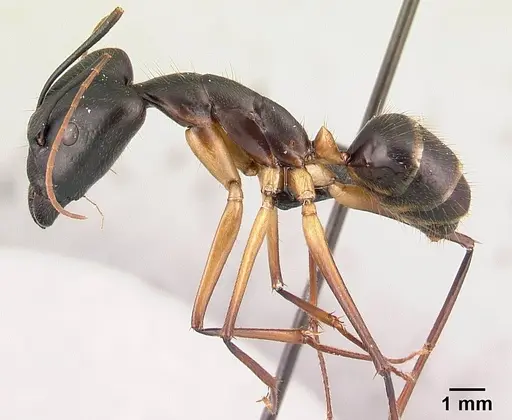
CASENT0487727
Voir sur AntWeb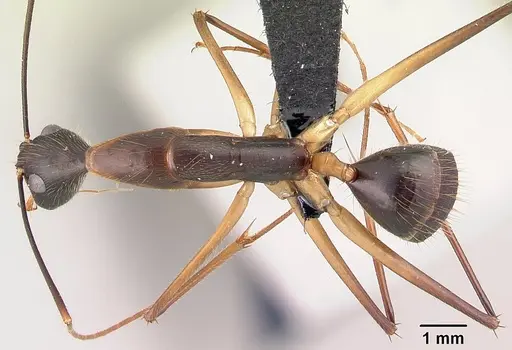
CASENT0923215
Voir sur AntWeb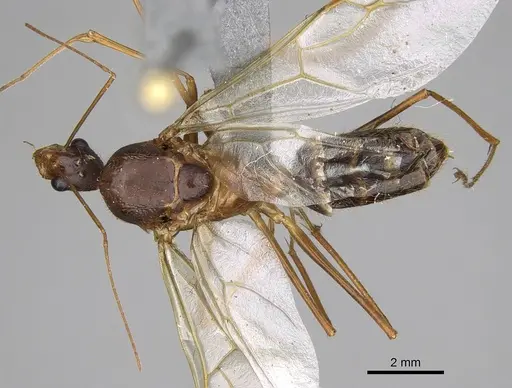
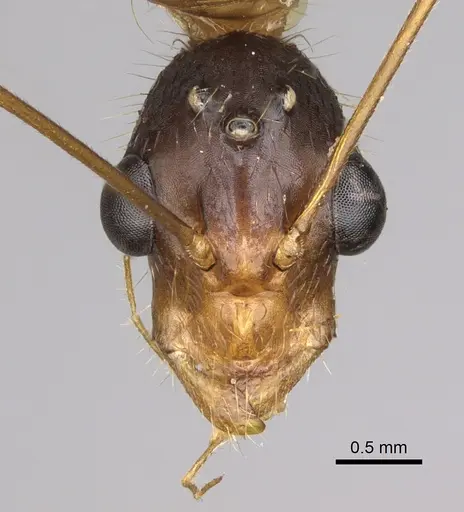
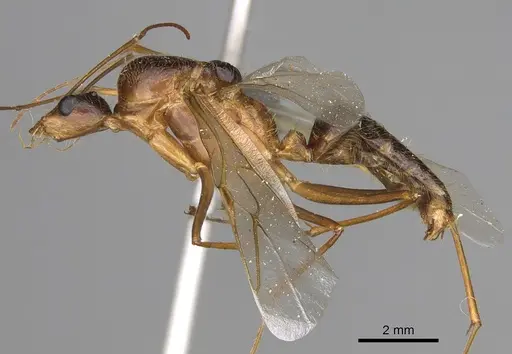
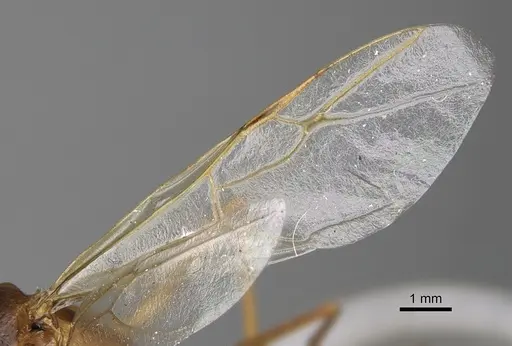
FOCOL0002
Voir sur AntWeb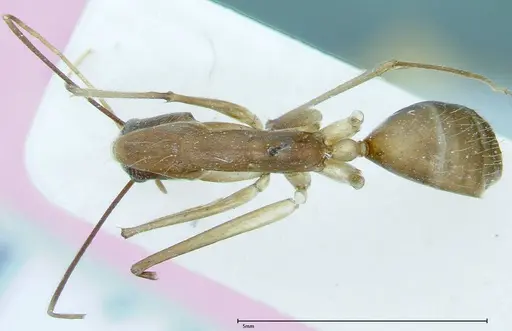
FOCOL0003
Voir sur AntWeb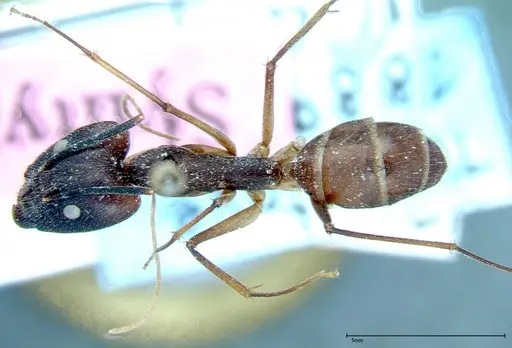
FOCOL0004
Voir sur AntWeb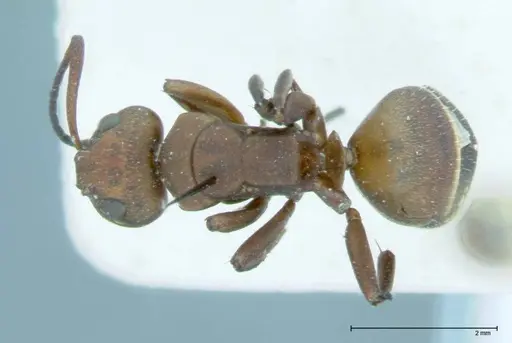
Littérature
Chargement de la carte de répartition...Chargement des produits...