
Bothroponera zumpti
- Nom sci.
- Bothroponera zumpti
- Tribu
- Ponerini
- Sous-famille
- Ponerinae
- Auteur
- Santschi, 1937
- Distribution
- Trouvé dans 0 pays
Introduction
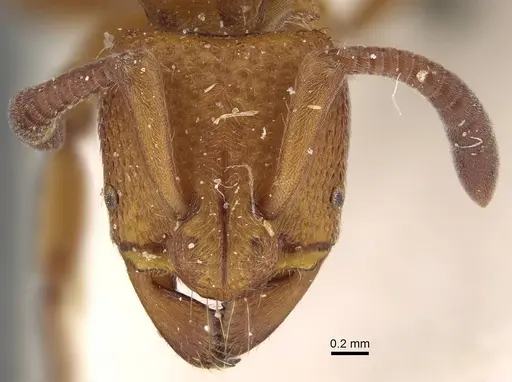
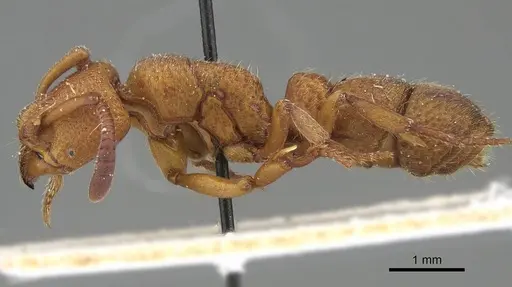
Bothroponera zumpti is a medium-sized ant native to West and Central Africa. Workers measure 6.00-6.80 mm in total length, making them the smallest species in the Bothroponera talpa species complex. They have a light yellowish to brown coloration with pale legs, mandibles, and antennae. The head and body are covered in fine erect hairs, and they possess mandibles with 7 teeth. These ants are found in Cameroon, Ghana, and Angola, typically inhabiting rainforest environments and leaf litter in both primary and secondary forest areas . This species belongs to the Ponerinae subfamily, known for their potent stings. B. zumpti is a leaf-litter dwelling species found in cocoa farms and forest reserves in Ghana. They are less commonly kept in the antkeeping hobby.
Quick Summary
- Difficulty: Medium
- Origin & Habitat: West and Central Africa (Cameroon, Ghana, Angola). Found in rainforest habitats including Mount Cameroon National Park, lowland evergreen forest, and leaf litter in cocoa farms and primary/secondary forest. The region experiences high rainfall up to 10,000 mm per year in coastal areas [1][2].
- Colony Type: Colony structure is unconfirmed. No specific data on queen number or colony size is available in the literature.
- Size & Growth:
- Queen: 7.85 mm [1]
- Worker: 6.00-6.80 mm [1][2]
- Colony: Unknown, no specific data available
- Growth: Unknown, likely moderate based on typical Ponerine patterns
- Development: Unconfirmed, likely several months based on typical Ponerine development patterns (Ponerine ants generally have longer development times than many common ant species.)
- Antkeeping:
- Temperature: Keep around 24-28°C. Being from tropical rainforest, they need warm and stable temperatures. A heating cable on one side of the nest creates a suitable gradient.
- Humidity: High humidity required, aim for 70-85%. Keep the nest substrate consistently moist but not waterlogged. Mist occasionally and provide a water tube.
- Diapause: Unlikely, being a tropical species, they do not require diapause.
- Nesting: Prefer humid, dark chambers. Y-tong (AAC) nests or plaster nests work well. They are leaf-litter dwellers so naturalistic setups with soil and hiding spots are also suitable. Keep nesting area dark and humid.
- Behavior: Ponerine ants are known for their potent stings, expect a noticeable sting from Bothroponera zumpti. They are predatory and will hunt small invertebrates. Workers are moderately active foragers. Escape prevention is important as they can squeeze through small gaps. They are generally more defensive than many common ant species.
- Common Issues: sting risk, Ponerines have potent stings, handle with care, high humidity needs, dry conditions cause colony decline, predatory diet requirements, need consistent protein sources, slow growth compared to common species, patience required, limited availability, may be difficult to acquire
Housing and Nest Setup
Bothroponera zumpti does well in Y-tong (AAC) nests or plaster formicariums that maintain humidity well. These Ponerines prefer dark, humid chambers and will thrive in setups that mimic their natural leaf-litter habitat. A naturalistic setup with a soil layer and hiding structures also works well. Keep the nest area consistently moist, these ants are from rainforest environments and suffer in dry conditions. Provide a water tube or moisture reservoir connected to the nest. Because they are from the Ponerinae subfamily, they are excellent climbers but may try to escape if given the opportunity, so ensure your setup has secure barriers. [1][2]
Feeding and Diet
As a Ponerine ant, B. zumpti is predatory and needs a protein-rich diet. Feed them small insects like fruit flies, pinhead crickets, mealworms, and other small arthropods. They will also likely accept protein jelly and other prepared ant foods. Sugar sources are also important, offer honey water or sugar water regularly. In the wild, they hunt small invertebrates in leaf litter, so their diet should focus on live prey. Feed protein 2-3 times per week and provide constant access to sugar water. Remove uneaten prey after 24-48 hours to prevent mold.
Temperature and Humidity
These ants come from tropical West Africa where temperatures are warm year-round. Keep your colony at 24-28°C for optimal development. A slight temperature gradient allows ants to regulate their own conditions. Humidity is critical, maintain 70-85% relative humidity in the nest area. The substrate should feel consistently moist but never waterlogged. Ponerines are sensitive to dry conditions and will decline if kept too dry. Use a moisture reservoir or regularly mist the nest area. Avoid placing the colony near air conditioning or heating vents that could create drafts. [1][2]
Temperament and Defense
Bothroponera zumpti has a potent sting, this is characteristic of the Ponerinae subfamily. When threatened, workers will readily sting. The sting can cause noticeable pain, similar to other Ponerine ants. Handle the colony with care and use appropriate protection if you need to move or work with them. Workers are moderately sized and will patrol the nest area looking for prey. They are not overly aggressive toward humans unless the nest is disturbed, but they will defend if threatened. Always use caution when working with this species.
Colony Development
Ponerine ants typically develop more slowly than many common ant species like Lasius or Camponotus. The first workers (nanitics) will be smaller than mature workers. Colony growth is moderate, do not expect rapid expansion. A healthy founding colony may take 6 months to a year before reaching 20-30 workers. Patience is key with Ponerines. Once established, colonies can live for many years with the queen potentially living over a decade. Do not disturb the founding queen unnecessarily, she needs calm conditions to raise her first brood.
Frequently Asked Questions
How long does it take for first workers to appear?
Exact development time is unconfirmed for this species. Based on typical Ponerine patterns, expect several months from egg to first worker at optimal temperatures (24-28°C).
What do Bothroponera zumpti eat?
They are predatory ants that need protein-rich foods. Feed small insects like fruit flies, pinhead crickets, and mealworms. They also accept sugar sources like honey water. Protein should be offered 2-3 times per week.
What temperature do they need?
Keep them at 24-28°C. Being from tropical Africa, they need warm and stable temperatures. A heating cable on one side of the nest can create a suitable gradient.
What humidity level is required?
High humidity is essential, aim for 70-85%. Keep the nest substrate consistently moist but not waterlogged. These rainforest ants suffer in dry conditions.
Are Bothroponera zumpti good for beginners?
No, they are not ideal for beginners. They require high humidity, have potent stings, need a predatory diet, and are slower to develop than common species. They also have limited availability.
How big do colonies get?
Colony size is not well documented for this species. No specific data on maximum colony size is available.
Do they need hibernation?
No, they do not require hibernation. Being a tropical species from West Africa, they do not experience cold winters. Simply maintain warm temperatures year-round.
What type of nest is best?
Y-tong (AAC) nests or plaster formicariums work well because they hold humidity effectively. They also do well in naturalistic setups with moist soil. Keep the nest dark and humid.
Can I keep multiple queens together?
Not recommended. Colony structure is unconfirmed for this species, but combining unrelated queens has not been studied and is generally not recommended for Ponerines.
Report an Issue
The current care sheet is based fully on literature. See inconsistencies, or something that's incorrect? Please , it will be resolved after review from an admin. Contributing to the blogs tab also helps providing information, to make us be able to further improve the caresheets. Thank you for your support!
References

Cette fiche d'élevage est sous licence CC BY-SA 4.0 .
Blogs de la communauté
CASENT0922370
Voir sur AntWeb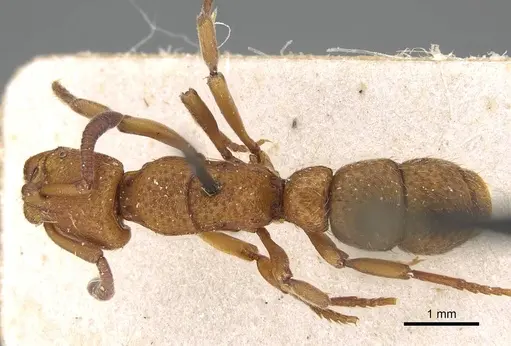
Littérature
Chargement de la carte de répartition...Chargement des produits...